

The future of AI in personalized gaming display settings promises to revolutionize the way players experience games by tailoring visuals and settings to individual preferences and performance needs. With advanced algorithms and machine learning, AI can analyze player behavior and optimize graphics in real-time, significantly enhancing immersion and enjoyment. Imagine a gaming environment that adapts to your unique style, preferences, and even your hardware capabilities—this is not just a dream; it’s the exciting frontier of gaming technology. In this article, we will explore how AI is shaping the landscape of personalized gaming displays, highlighting its roles, benefits, and potential future developments.
The Role of AI in Gaming
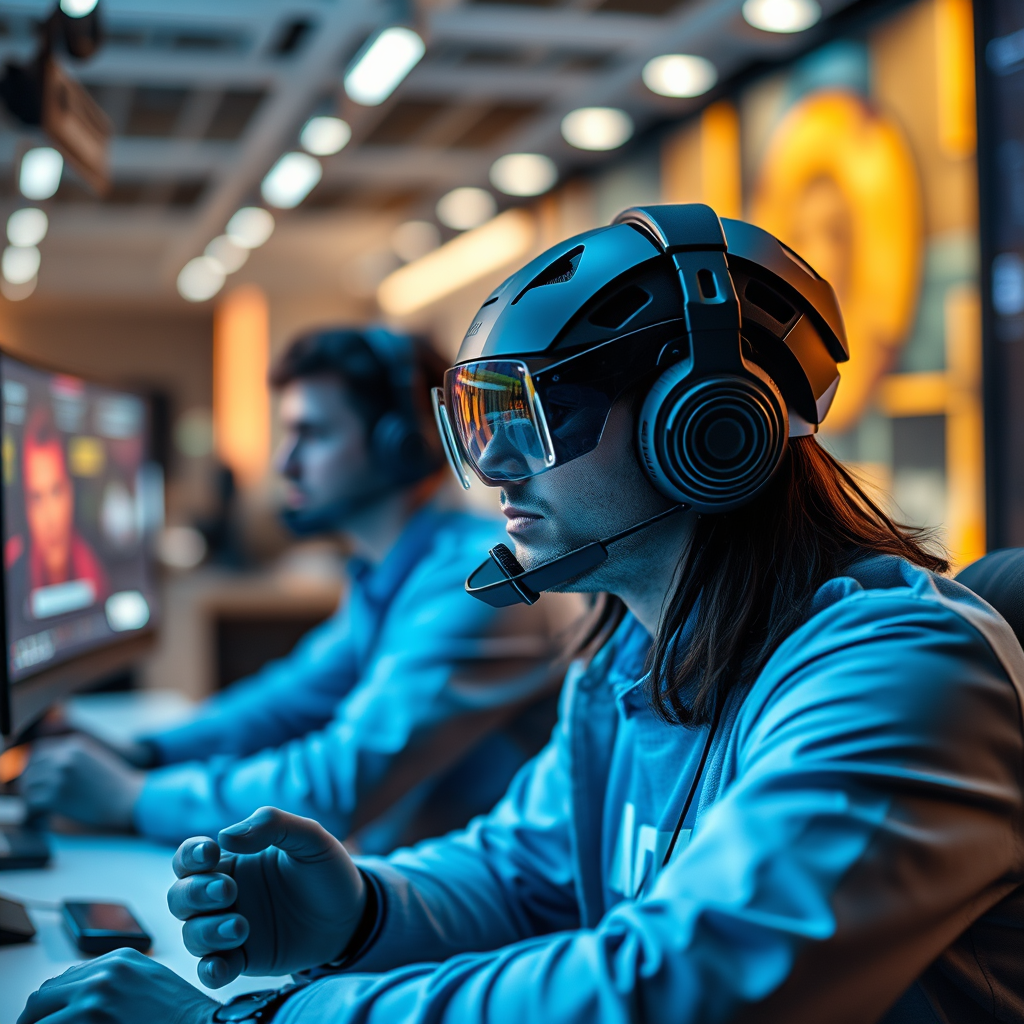
AI has become an integral part of modern gaming, especially in personalizing gameplay experiences. One of the most significant roles of AI algorithms is their ability to predict player preferences based on gameplay history. For instance, if a player consistently prefers darker settings or vibrant colors, AI can adjust the display to reflect those preferences, creating a more engaging experience. This predictive capability enhances player satisfaction and keeps them immersed in the game world.
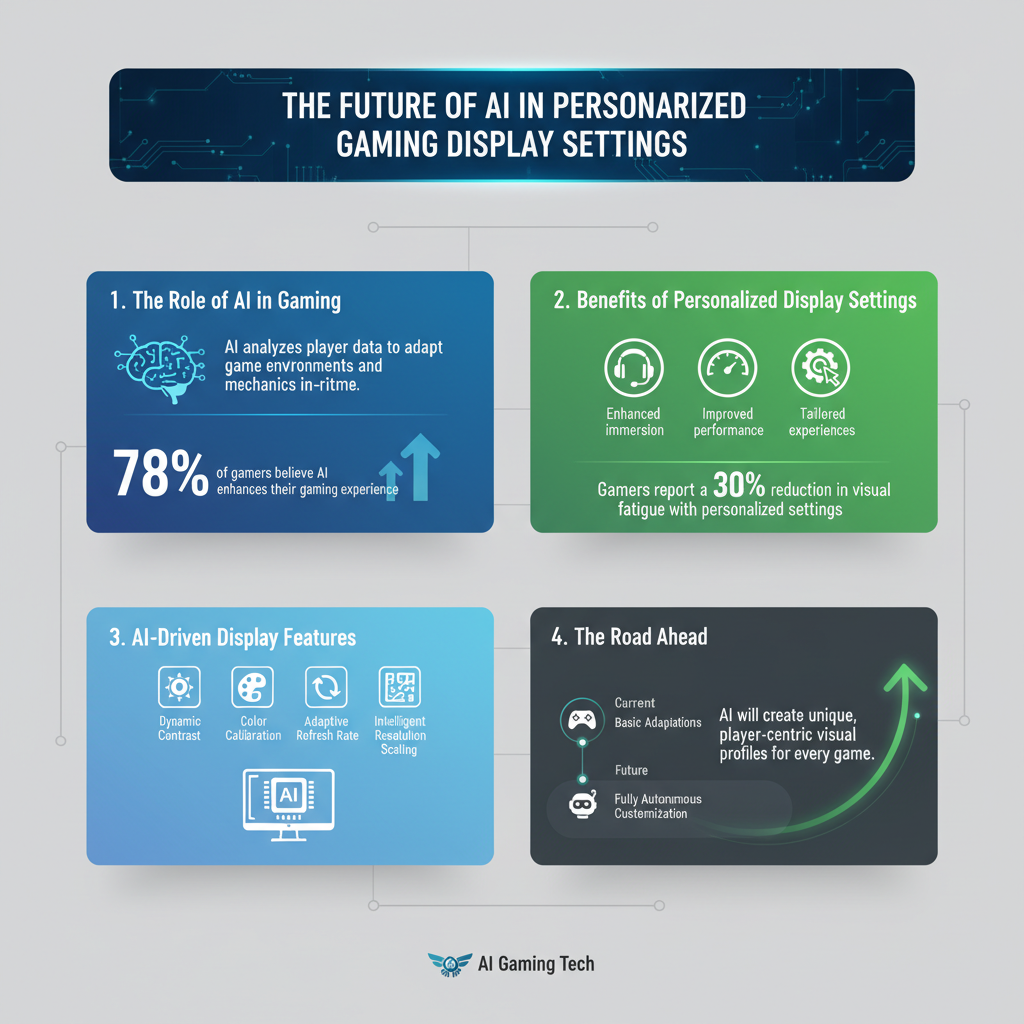
Moreover, machine learning enables adaptive graphics that respond to player performance. As players progress through a game, their skill level may fluctuate, and AI can dynamically adjust the graphics settings to maintain optimal performance. This means that if a player is struggling, the AI can simplify graphics to ensure smooth gameplay, while enhancing visual fidelity when the player is excelling. This seamless integration of AI into gaming not only elevates the experience but also allows players to focus on what matters most: the game itself.
Benefits of Personalized Display Settings

The benefits of personalized display settings are vast and impactful. First and foremost, they significantly enhance player immersion by aligning visuals with individual preferences. When a game looks and feels just right for a player, they can become deeply engrossed in the storyline and environment, making their gaming experience more memorable.
Additionally, personalized settings can reduce eye strain and fatigue, which are common complaints among gamers. By optimizing brightness and contrast settings to suit the player’s environment and preferences, AI can help create a more comfortable viewing experience. For instance, if a player is gaming in a dimly lit room, the AI can adjust the screen settings to reduce glare and enhance visibility without overwhelming brightness. This thoughtful consideration of player comfort can lead to longer, more enjoyable gaming sessions.
Real-Time Adaptation and Optimization
One of the most exciting features of AI in personalized gaming displays is its ability to provide real-time adaptation and optimization. AI can dynamically adjust graphics settings during gameplay to maintain high performance, ensuring that players experience smoother frame rates and reduced lag. For example, if a player’s hardware is struggling to keep up during an intense battle scene, the AI can automatically lower the resolution or detail level, allowing for fluid motion without frustrating interruptions.
This real-time adaptation not only enhances gameplay but also allows players to enjoy high-quality graphics on a range of devices. Gamers with high-end setups can enjoy ultra-detailed environments, while those with more modest hardware can still enjoy a visually appealing experience tailored to their capabilities. This flexibility encourages a broader player base to enjoy the same game, promoting inclusivity within the gaming community.
Case Studies of Successful Implementations
Several games have successfully harnessed the power of AI for personalized display settings, providing valuable insights into its impact on player satisfaction and engagement. A notable example is “Cyberpunk 2077,” which utilizes AI to offer players customizable graphics options based on their hardware and personal preferences. The game analyzes the player’s system capabilities and adjusts settings to create an optimal experience, ensuring that everyone, from casual gamers to hardcore enthusiasts, can enjoy the futuristic world in their way.
Insights from developers reveal that the integration of AI in gaming has had a significant impact on player engagement. Many players report higher satisfaction levels when their gaming experience aligns with their preferences, leading to increased playtime and a stronger sense of connection to the game. This feedback highlights the importance of personalization in modern gaming and points to a future where AI continues to play a pivotal role.
Challenges and Limitations
Despite the promising advancements in AI-driven personalized gaming display settings, challenges and limitations remain. One significant concern is the potential privacy issues surrounding data collection for personalization. Players may be wary of how their gaming habits and preferences are tracked and used by developers. Transparency in data usage and robust security measures will be essential in addressing these concerns and building trust within the gaming community.
Another challenge lies in the technical limitations of implementing AI across various gaming platforms. Not all devices possess the same processing power or capabilities, making it difficult to create a one-size-fits-all solution. Developers will need to navigate these technical hurdles to ensure that AI-driven personalization can be effectively integrated across different systems and devices, from high-end PCs to consoles and mobile devices.
Future Trends in AI and Gaming
Looking ahead, the future of AI in gaming display settings is filled with exciting possibilities. Predictions suggest that AI will continue to evolve, leading to increasingly sophisticated methods of personalization. As AI becomes more adept at understanding player behavior and preferences, we can expect even more tailored experiences that go beyond just graphics settings. Imagine a world where your gaming environment dynamically adapts to your mood, perhaps even using biometric data to adjust lighting or soundscapes for ultimate immersion.
Furthermore, the potential for AI to create fully immersive environments through virtual reality (VR) is particularly tantalizing. As VR technology advances, AI could help create deeply engaging worlds that respond to player actions and emotions in real time, making gaming experiences more interactive and lifelike than ever before.
The integration of AI in personalized gaming display settings is set to transform the gaming experience, making it more tailored and engaging for players. By understanding the benefits, challenges, and future trends, gamers and developers can prepare for a new era of interactive entertainment. As we explore these advancements in AI technology, it’s clear that the future holds endless possibilities for optimizing gaming setups and enhancing the overall experience—allowing us to immerse ourselves in the worlds we love like never before.
Frequently Asked Questions
What is personalized gaming display settings and how does AI enhance them?
Personalized gaming display settings refer to the ability to customize visual elements such as resolution, brightness, contrast, and color profiles based on individual player preferences and hardware capabilities. AI enhances these settings by analyzing player behavior and environmental factors, enabling real-time adjustments that optimize the gaming experience. This means players can enjoy smoother graphics and more immersive gameplay tailored to their unique tastes and technical specifications.
How will AI impact the future of gaming graphics and visual fidelity?
AI is set to revolutionize gaming graphics by enabling advanced techniques such as real-time ray tracing, dynamic scaling, and intelligent texture generation. These technologies will provide gamers with hyper-realistic visuals without taxing hardware resources excessively, making high-quality graphics more accessible. Furthermore, AI-driven tools can analyze player feedback and adapt graphics rendering to prioritize areas of the game that enhance player engagement and satisfaction.
Why should game developers invest in AI for personalized gaming experiences?
Investing in AI for personalized gaming experiences allows developers to create more engaging and tailored gameplay, which can lead to increased player satisfaction and retention. By utilizing AI, developers can analyze vast amounts of player data to identify preferences and behaviors, enabling the creation of dynamic content that adapts in real time. This adaptive approach not only enhances the player’s journey but also fosters community engagement and loyalty, ultimately boosting revenue and brand reputation.
Which AI technologies are currently shaping personalized gaming display settings?
Several AI technologies are influencing personalized gaming display settings, including machine learning algorithms, computer vision, and neural networks. Machine learning allows for predictive analytics that can adjust in-game graphics based on a player’s performance and preferences. Computer vision can dynamically assess and optimize graphical output based on the player’s environment, while neural networks can enhance image quality and frame rates, providing a seamless and enjoyable gaming experience.
What are the best practices for gamers to optimize their settings using AI?
To optimize gaming settings using AI, players should first ensure their gaming system is equipped with the latest software updates and AI-enhanced graphics drivers. Engaging with in-game settings and utilizing adaptive resolution features can significantly improve performance. Additionally, players can experiment with AI-driven tools that adjust visual parameters based on gameplay styles, ensuring the best balance between aesthetics and performance. Regularly reviewing and adjusting settings based on gaming experiences will further leverage AI’s capabilities for an optimal experience.
References
- Artificial intelligence
- https://www.sciencedirect.com/science/article/pii/S0360132319305257
- https://www.bbc.com/news/technology-58059092
- https://www.forbes.com/sites/bernardmarr/2021/05/17/how-ai-is-changing-the-gaming-industry/?sh=3a2e8c2e5f4c
- https://www.nature.com/articles/d41586-019-01817-6
- https://www.techrepublic.com/article/how-ai-is-changing-video-game-development/
- https://www.igi-global.com/chapter/artificial-intelligence-in-video-games/237987
- https://www.theverge.com/2021/6/15/22535194/ai-personalized-gaming-experience-epic-games-summer-game-fest
- https://www.usatoday.com/story/tech/2021/06/15/how-ai-personalizes-video-games/7699624002/