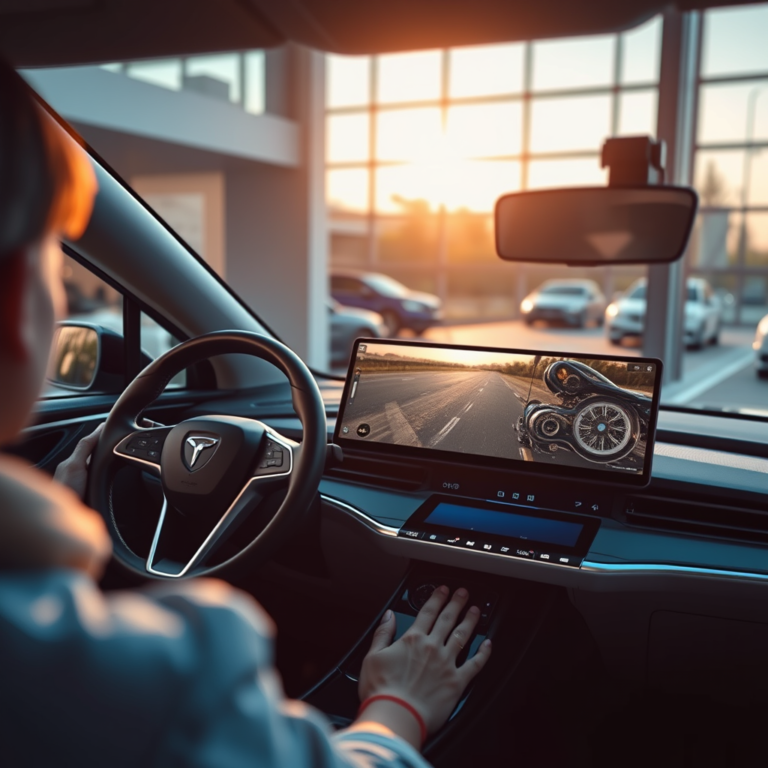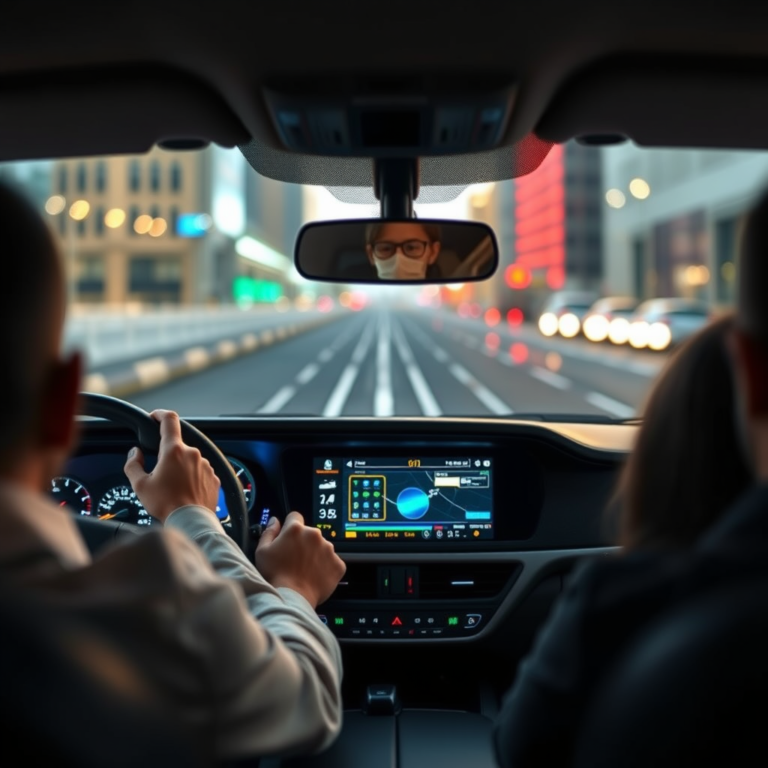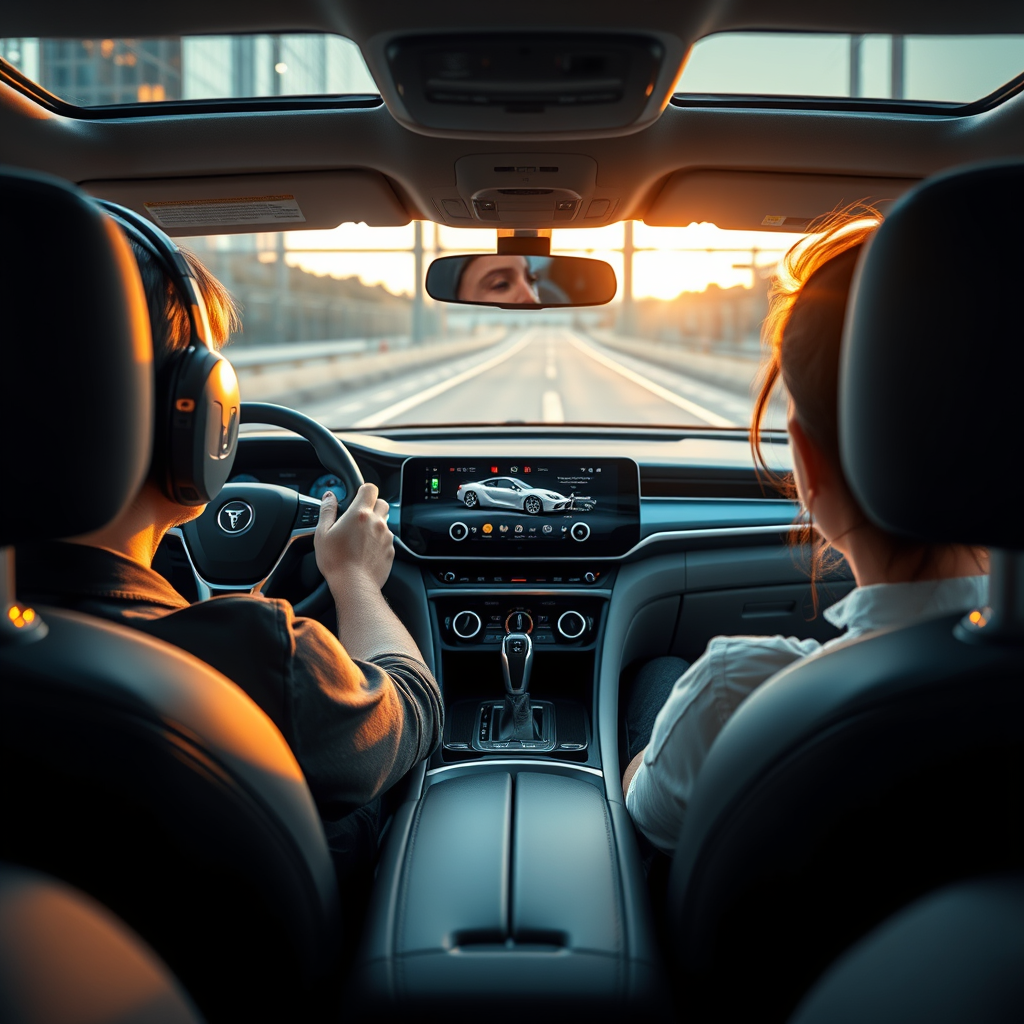

The future of interactive passenger displays in vehicles is set to revolutionize the travel experience by providing personalized, engaging content and real-time information tailored to the needs of each passenger. As vehicles become smarter, these displays will transform into essential tools that enhance safety, connectivity, and entertainment, ensuring that every journey is enjoyable and efficient.
The Evolution of Passenger Displays
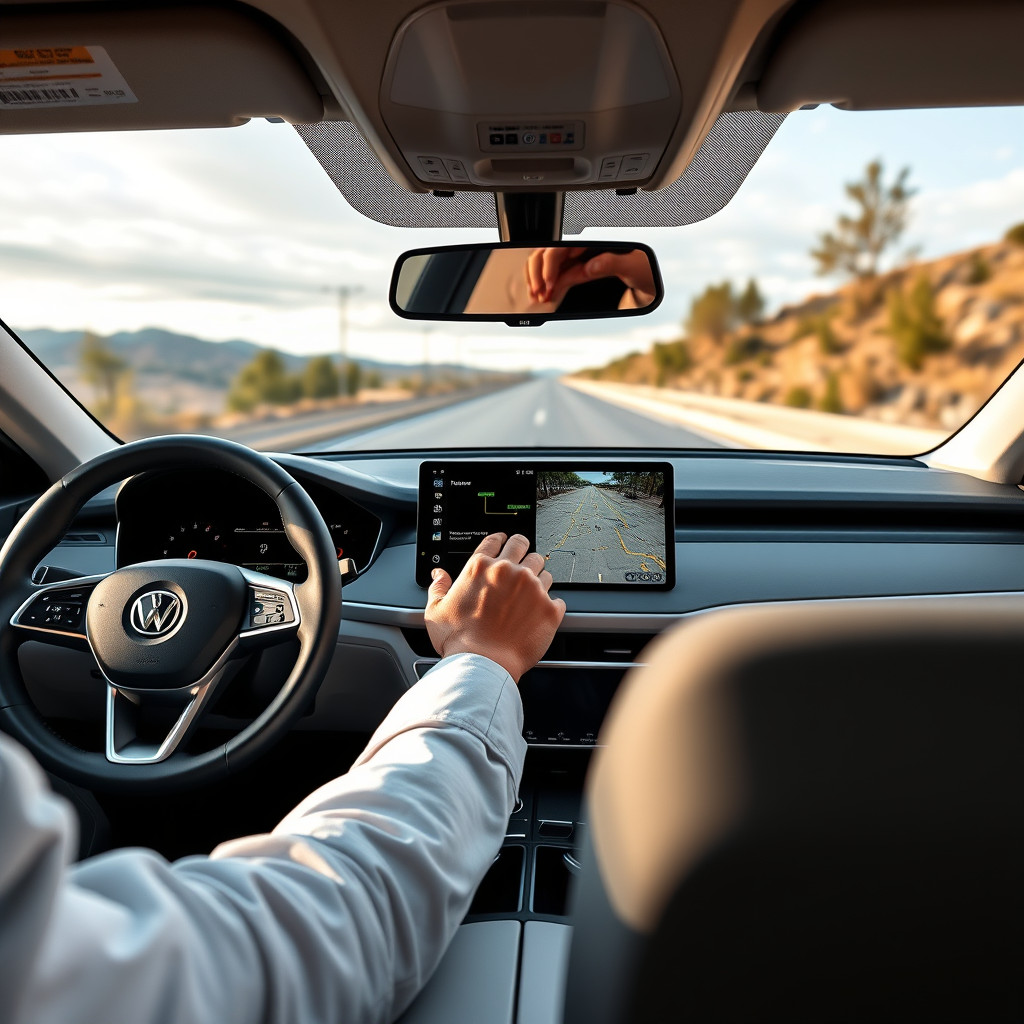
Passenger displays have come a long way since the days of simple, monochromatic screens. Traditionally, these displays offered basic information such as speed, fuel level, and navigation directions, primarily serving the driver. However, modern displays have evolved to include vibrant, high-resolution screens that provide a wide array of information and entertainment options for all passengers.
Key advancements in screen technology, such as OLED and LCD, have played a crucial role in this evolution. OLED displays offer deeper blacks and more vivid colors, enhancing the visual experience, while LCDs remain a popular choice for their durability and lower production costs. The introduction of touchscreen capabilities further enriches the experience, allowing passengers to interact with their displays intuitively. As we look ahead, we can expect even more innovations, including flexible screens and augmented reality overlays that integrate seamlessly into the vehicle’s design.
User-Centric Design Features
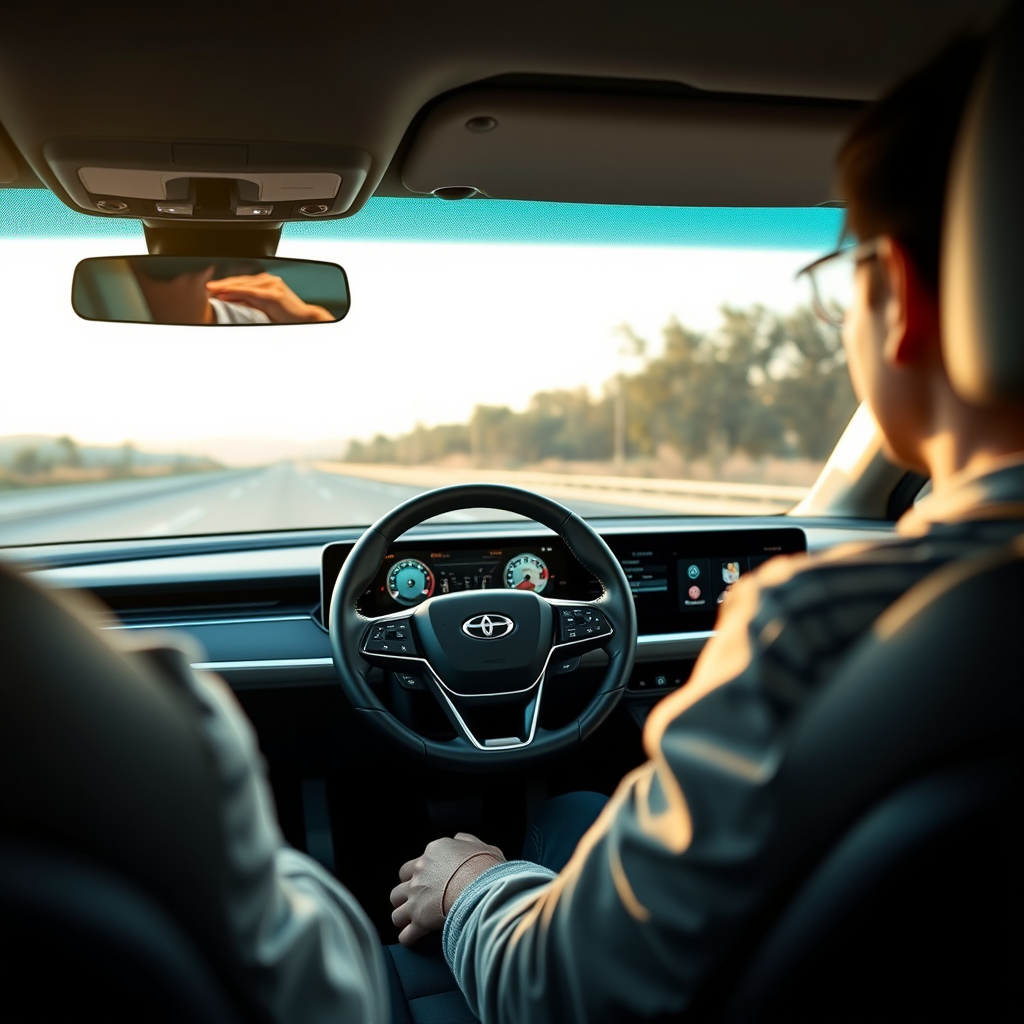
In the world of interactive passenger displays, user-centric design is paramount. An intuitive interface is crucial for ensuring that all passengers, regardless of age or tech-savviness, can easily navigate through options and access the content they desire. This means designing displays with clear icons, straightforward navigation, and voice recognition capabilities that make the experience accessible for everyone.
Customization options are another vital aspect of modern passenger displays. Imagine a family car where each passenger can personalize their display with their favorite movies, music playlists, or even preferred routes. By leveraging user profiles, these systems can learn preferences over time, creating a more tailored experience. For instance, if a child prefers animated films, the display might suggest new releases in that genre, while an adult might receive recommendations for podcasts or audiobooks based on their listening habits.
Integration with Smart Technologies
The integration of smart technologies is transforming interactive passenger displays into powerful tools that enhance vehicle functionality. Artificial Intelligence (AI) and machine learning are at the forefront of this transformation, enabling displays to adapt and respond to passenger needs in real time. For example, AI systems can analyze traffic patterns and suggest alternate routes, while machine learning algorithms can identify the most relevant content for each user based on their interaction history.
Moreover, compatibility with smart devices and applications adds another layer of convenience. Passengers can connect their smartphones to the vehicle’s display, accessing apps for navigation, music streaming, and even social media, all from a central hub. This connectivity fosters an ecosystem where entertainment and information are just a tap away, allowing passengers to stay engaged throughout their journey.
Safety Considerations and Regulations
While interactive passenger displays offer numerous benefits, they also raise important safety considerations. One of the primary concerns is the potential for driver distraction. The introduction of these technologies must prioritize driver safety, ensuring that information is presented in a way that minimizes distraction. For instance, displays designed with a focus on the driver can provide essential information in their line of sight, reducing the need to divert attention away from the road.
Current safety regulations and guidelines are evolving to address these concerns. Organizations such as the National Highway Traffic Safety Administration (NHTSA) are working to establish standards for how interactive displays should operate in vehicles, ensuring that they enhance rather than hinder safety. As technology progresses, manufacturers will need to remain vigilant in complying with these regulations while pushing the boundaries of innovation.
Future Trends and Innovations
Looking ahead, several exciting trends and innovations are poised to shape the future of interactive passenger displays. Augmented reality (AR) displays, for instance, could overlay navigation instructions onto the real world, guiding passengers to their destinations with ease. Imagine a display that projects arrows on the road, highlighting turns and points of interest in real time.
Additionally, the potential for gesture and voice control technologies offers a hands-free way for passengers to interact with their displays. Passengers could simply wave their hands to scroll through options or use voice commands to select their favorite music or access the latest news. These innovations not only enhance usability but also contribute to a safer driving environment by reducing the need for physical interaction with screens.
Case Studies: Leading Brands and Their Approaches
Several leading automotive brands are already making significant strides in implementing interactive displays. Take Tesla, for example; their vehicles feature a large touchscreen interface that controls virtually all aspects of the car, from navigation to climate control, all while providing entertainment options. The feedback from users has been overwhelmingly positive, with many praising the intuitive design and the ability to receive over-the-air updates that continually enhance their experience.
On the other hand, BMW’s iDrive system offers a different approach by integrating a rotary controller with a touchscreen interface. This design allows drivers to maintain focus on the road while still providing passengers with access to entertainment and information. These case studies highlight the diverse strategies brands are employing and underscore the importance of user feedback in shaping future innovations.
Challenges and Limitations
Despite the promising future of interactive passenger displays, several challenges and limitations remain. Technical hurdles, such as ensuring reliable connectivity and maintaining the performance of displays under various lighting conditions, are ongoing concerns for manufacturers. Additionally, the integration of advanced technologies requires substantial investments, which can be a barrier for some companies.
Consumer acceptance is another crucial factor. While many tech-savvy individuals embrace these advancements, there may be a segment of the population that is hesitant to adopt new technology. Educating consumers about the benefits of interactive displays and demonstrating their safety features will be essential in overcoming these hurdles.
The advancements in interactive passenger displays are set to redefine how we experience travel in vehicles. As technology continues to evolve, the focus will be on creating seamless, safe, and engaging experiences for passengers. With user-centric designs, smart integrations, and a commitment to safety, the future of interactive displays is bright. Stay informed about the latest trends and innovations to be part of this exciting future!
Frequently Asked Questions
What are interactive passenger displays and how do they enhance the in-car experience?
Interactive passenger displays are advanced screens in vehicles designed to provide entertainment, information, and connectivity for passengers. These displays enhance the in-car experience by allowing passengers to access navigation, stream media, and interact with various apps independently from the driver. This technology promotes engagement during travel, transforming the car into a more enjoyable and connected environment.
How will the future of interactive passenger displays impact vehicle safety?
The future of interactive passenger displays is set to significantly enhance vehicle safety by incorporating features that minimize distractions for the driver. Advanced technologies, such as voice recognition and gesture controls, allow passengers to interact with the display without taking the driver’s attention away from the road. Additionally, these systems can be designed to provide alerts and information relevant to driving conditions, further improving overall safety.
Why are interactive passenger displays becoming a standard feature in modern vehicles?
Interactive passenger displays are becoming a standard feature in modern vehicles due to growing consumer demand for connectivity and entertainment on the go. As technology advances, passengers expect more personalized experiences that can be integrated seamlessly into their daily lives. Automotive manufacturers are responding to this trend by equipping vehicles with these interactive systems, recognizing their potential to attract buyers and enhance brand loyalty.
Which technologies are driving the evolution of interactive passenger displays in cars?
The evolution of interactive passenger displays is being driven by several key technologies, including artificial intelligence (AI), augmented reality (AR), and high-resolution touchscreens. AI enhances user experience by personalizing content based on individual preferences, while AR can provide contextual information about the environment outside the vehicle. Additionally, advancements in display technology enable clearer visuals and more responsive touch interactions, making these systems more user-friendly and engaging.
What are the best practices for integrating interactive passenger displays into existing vehicle designs?
Best practices for integrating interactive passenger displays into existing vehicle designs include ensuring ergonomic placement for easy access, maintaining a balance between functionality and aesthetics, and prioritizing user interface simplicity. Furthermore, manufacturers should focus on compatibility with mobile devices and cloud services to enhance connectivity. Conducting thorough user testing can also provide valuable insights into improving the overall experience, ensuring that the displays meet the needs and preferences of passengers.
References
- https://en.wikipedia.org/wiki/Automotive_display
- Quantitative mismatch between empirical temperature-size rule slopes and predictions based on oxy…
- https://www.sciencedirect.com/science/article/abs/pii/S2351978921000680
- https://www.reuters.com/technology/automakers-race-develop-interactive-displays-vehicles-2021-05-11/
- https://www.bbc.com/news/business-57865836
- https://www.techcrunch.com/2021/10/21/interactive-displays-in-cars/
- https://www.nhtsa.gov/technology-innovation/advanced-driver-assistance-systems
- Cognitive Systems: Toward Human-Level Functionality | AI Magazine