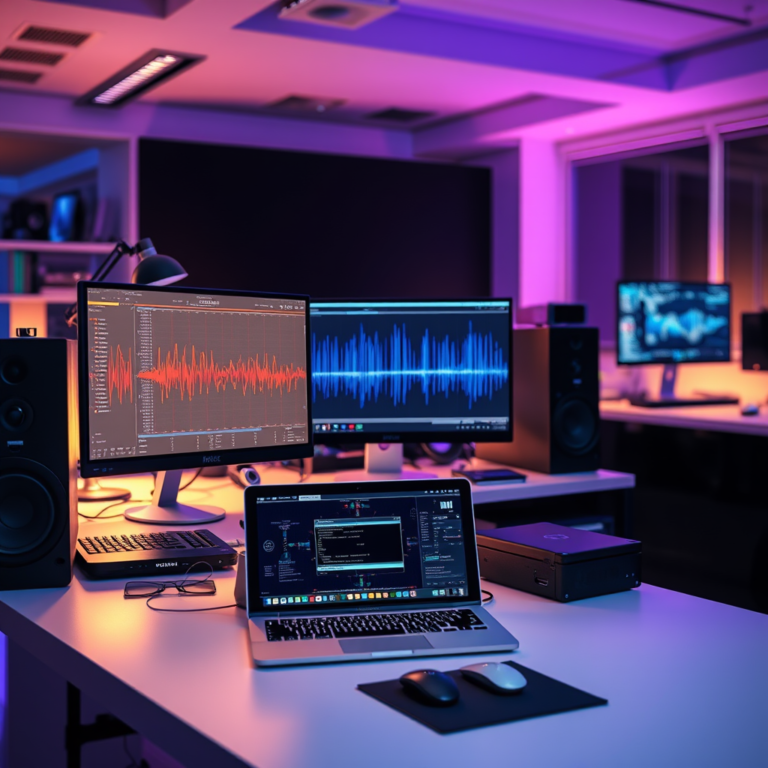

The role of echo and reverb is critical in determining the overall performance of speakers, as these audio effects significantly influence sound clarity and depth. Understanding how they interact can help you choose the right speakers for your needs and enhance your listening experience. This article will explore the fundamentals of echo and reverb, their effects on speaker performance, and tips for optimizing sound quality.
Understanding Echo and Reverb
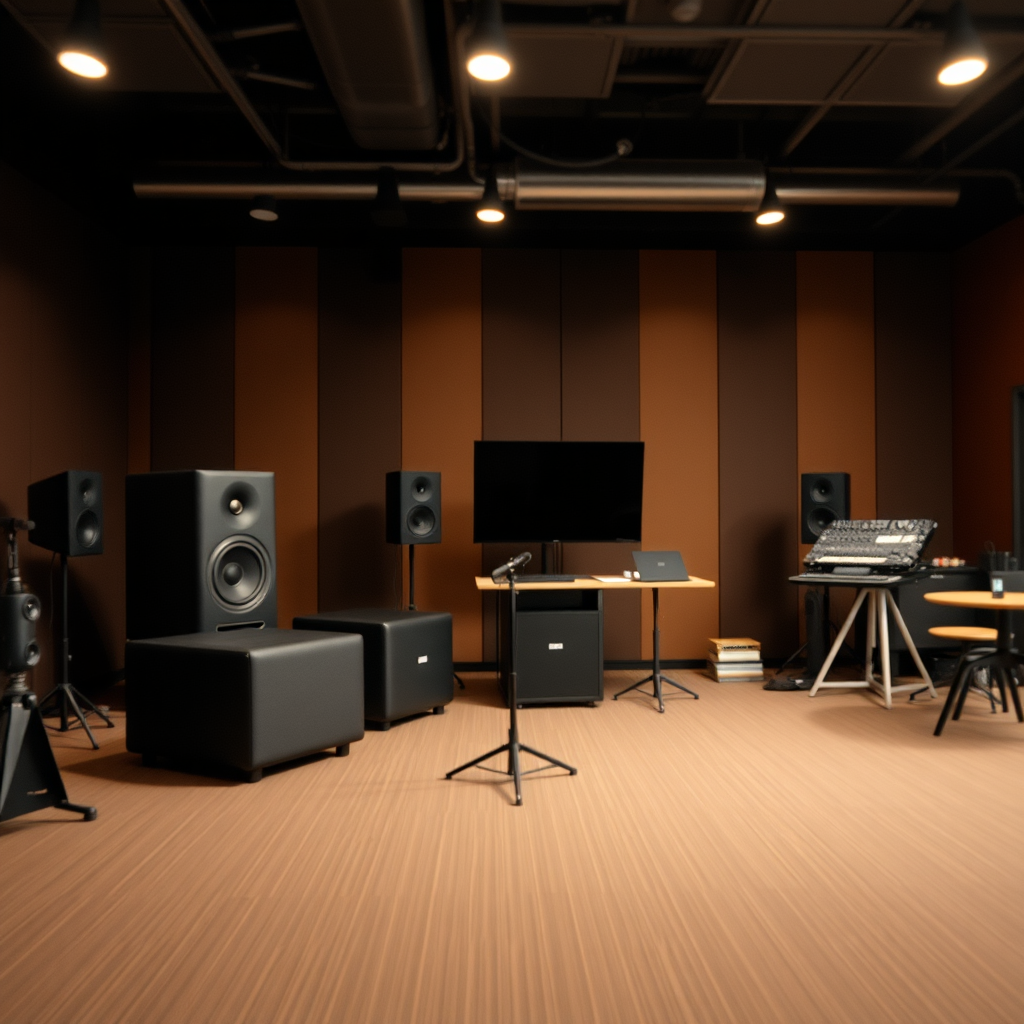
Echo and reverb are two distinct audio phenomena that profoundly affect how we perceive sound. Echo is the reflection of sound that arrives at the listener after a delay, creating a distinct repeat of the sound. This effect can be beneficial in certain contexts, providing a sense of space and ambiance. However, it can also detract from clarity if it becomes excessive, leading to a muddled auditory experience.
In contrast, reverb refers to the persistence of sound in a space after the sound source has stopped. It results from multiple reflections of sound waves blending together. Reverb is essential in music production and live sound environments, as it adds richness and depth to audio. However, like echo, uncontrolled reverb can create audio masking, where certain frequencies become indistinguishable from others.
Understanding these concepts is vital for audiophiles and professionals alike, as they can directly influence speaker performance and overall sound quality.
The Science Behind Echo and Reverb
Both echo and reverb depend heavily on the environment in which they occur. Factors such as room size, shape, and materials can either enhance or diminish sound quality. For instance, a small room with hard surfaces will typically produce more pronounced echo and reverb compared to a larger room with soft furnishings that absorb sound.
The human ear perceives echoes and reverb differently, which affects how we experience music and speech. While echoes can be used creatively in music production to enhance a track, excessive echo can lead to confusion and difficulty in understanding spoken words. Reverb, when used judiciously, can enhance musical performances, creating a more immersive experience without compromising clarity.
Understanding these acoustic properties is crucial for designing spaces and selecting audio equipment. A well-designed environment can significantly improve the auditory experience, making it essential for sound engineers and audio professionals to consider these factors in their work.
How Echo Affects Speaker Performance
Echo can create a sense of space but may also muddy sound if excessive, leading to a less clear audio experience. When sound waves reflect off surfaces and return to the listener’s ears, they can overlap with the original sound, causing phase cancellation or reinforcement of certain frequencies. This can result in a loss of clarity and detail, particularly in music and speech.
Properly tuned speakers can manage echo to provide a balanced sound output without distortion. Technologies such as digital signal processing (DSP) can mitigate unwanted echoes, allowing for clearer sound reproduction. For example, some modern speakers come equipped with built-in echo cancellation features that adjust the output based on the room’s acoustics.
To optimize speaker performance in environments prone to echo, consider the following strategies:
– Speaker Placement: Position speakers away from reflective surfaces and corners to minimize echo.
– Room Treatment: Use acoustic panels, rugs, and curtains to absorb sound and reduce echo.
– Speaker Calibration: Utilize DSP or room correction software to fine-tune speaker settings based on the room’s acoustics.
The Role of Reverb in Audio Clarity
Reverb enhances the richness of sound, making it feel more immersive. It adds depth to music, providing a sense of space that can transport the listener. However, if not controlled properly, reverb can lead to audio masking, where certain sounds become indistinguishable due to overlapping frequencies.
Understanding the optimal reverb settings is crucial for achieving a polished sound for different audio applications. For instance, in a live music setting, the right amount of reverb can enhance vocal clarity while providing a fuller sound. In contrast, too much reverb can make vocals sound distant and muddy.
To manage reverb effectively, consider the following tips:
– Adjust Reverb Levels: Use mixers or audio interfaces with reverb controls to fine-tune levels based on the acoustic environment.
– Experiment with Different Types: Different reverb types (hall, room, plate) can yield varying results. Experiment to find the best fit for your audio needs.
– Monitor in Real-Time: Use monitoring equipment to listen while adjusting reverb settings, ensuring clarity and balance.
Techniques to Optimize Echo and Reverb in Sound Systems
To achieve the best sound quality, various techniques can be applied to optimize echo and reverb in sound systems. One effective method is room acoustics treatment, which involves using acoustic panels and bass traps to absorb unwanted echoes and manage reverb times. This can create a more balanced listening environment, enhancing overall audio quality.
Another approach is using digital signal processing (DSP) tools, which allow for precise control of echo and reverb effects based on the specific audio environment. DSP can adjust parameters such as delay time, feedback levels, and reverb decay, enabling users to tailor their sound experience.
The following table summarizes common techniques to optimize echo and reverb in sound systems:
Techniques to Optimize Echo and Reverb
| # | Technique | Effectiveness | Cost |
|---|---|---|---|
| 1 | Acoustic Panels | High | $$ |
| 2 | Bass Traps | High | $$ |
| 3 | Digital Signal Processing | Very High | $$$ |
| 4 | Speaker Placement | Moderate | $ |
| 5 | Room Shape Adjustment | High | $$$ |
Choosing the Right Speakers for Echo and Reverb Management
When selecting speakers, it’s essential to consider how well they can manage echo and reverb. Look for speakers with built-in sound processing features that can adapt to different acoustic environments. These features can dramatically improve sound clarity and overall performance.
Additionally, consider the specifications of speakers, such as frequency response and power handling, to ensure they can deliver clear sound with the desired effects. For example, speakers with a wider frequency response can reproduce more detail, which is crucial in environments where echo and reverb are prevalent.
Here’s a comparison of some popular speakers and their features regarding echo and reverb management.
Speaker Comparison for Echo and Reverb Management
| # | Speaker Model | Power Handling (W) | Frequency Response (Hz) | DSP Features |
|---|---|---|---|---|
| 1 | Yamaha HS8 | 75 | 38 – 30,000 | Yes |
| 2 | KRK Rokit 5 G4 | 55 | 43 – 40,000 | Yes |
| 3 | Mackie MR824 | 100 | 35 – 20,000 | Yes |
| 4 | JBL 305P MkII | 82 | 43 – 24,000 | Yes |
| 5 | Genelec 8010 | 50 | 67 – 25,000 | Yes |
In conclusion, echo and reverb significantly impact speaker performance and overall sound quality. By understanding these concepts and implementing effective strategies, you can enhance your listening experience. For further improvement, consider experimenting with different setups or investing in quality acoustic treatment solutions to achieve the best sound possible. Whether you are a music enthusiast, sound engineer, or casual listener, appreciating how echo and reverb influence audio can lead to a more enjoyable auditory experience.
Frequently Asked Questions
What is the difference between echo and reverb in speaker performance?
Echo and reverb are both sound reflections but differ significantly in their characteristics. Echo is a distinct repetition of sound that occurs when sound waves bounce off a surface and return to the listener after a noticeable delay, while reverb is a more diffuse sound that results from multiple reflections creating a sense of space. In speaker performance, understanding these differences can enhance sound clarity and depth.
How does reverb affect the overall sound quality of speakers?
Reverb can enrich the audio experience by adding depth and warmth to the sound. However, excessive reverb can muddy the audio, making it difficult to distinguish individual instruments or vocals. Balancing reverb settings is crucial for achieving optimal sound quality in any listening environment.
Why is echo considered problematic in speaker setups?
Echo can be problematic because it creates a delayed sound that can interfere with the clarity of the audio being played. This delay can cause listeners to perceive the sound as distorted or confusing, especially in small or reflective spaces. Proper speaker placement and acoustic treatment can help mitigate echo issues.
Which types of speakers perform best in environments with high reverb?
Speakers designed for high reverb environments, such as studio monitors or sound reinforcement systems, often have features that minimize unwanted reflections and enhance clarity. Look for speakers that offer adjustable EQ settings and have a well-defined dispersion pattern to help manage reverb effects effectively.
What are the best practices for optimizing echo and reverb in a home audio setup?
To optimize echo and reverb in a home audio setup, consider using acoustic panels, rugs, and furniture to absorb sound reflections. Additionally, positioning speakers away from walls and corners can reduce echo, while experimenting with reverb settings on your audio equipment can help achieve a balanced sound. Regularly adjusting these factors based on your room’s acoustics can significantly enhance your listening experience.
References
- Echo
https://en.wikipedia.org/wiki/Echo - https://www.ncbi.nlm.nih.gov/pmc/articles/PMC1500245/
https://www.ncbi.nlm.nih.gov/pmc/articles/PMC1500245/ - https://www.sciencedirect.com/science/article/pii/S1877050919326178
https://www.sciencedirect.com/science/article/pii/S1877050919326178 - https://www.ncbi.nlm.nih.gov/pmc/articles/PMC5510983/
https://www.ncbi.nlm.nih.gov/pmc/articles/PMC5510983/ - https://www.britannica.com/science/echo
https://www.britannica.com/science/echo - https://www.nature.com/articles/s41598-019-51481-y
https://www.nature.com/articles/s41598-019-51481-y - Google Scholar Google Scholar
https://scholar.google.com/scholar?q=Role+of+Echo+and+Reverb+in+Speaker+Performance - Google Scholar Google Scholar
https://scholar.google.com/scholar?q=Echo+Reverb+Speaker+Performance+Acoustics - Google Scholar Google Scholar
https://scholar.google.com/scholar?q=Impact+of+Reverb+on+Audio+Perception - https://www.acoustics.org/press/176th/abstracts/107.html
https://www.acoustics.org/press/176th/abstracts/107.html