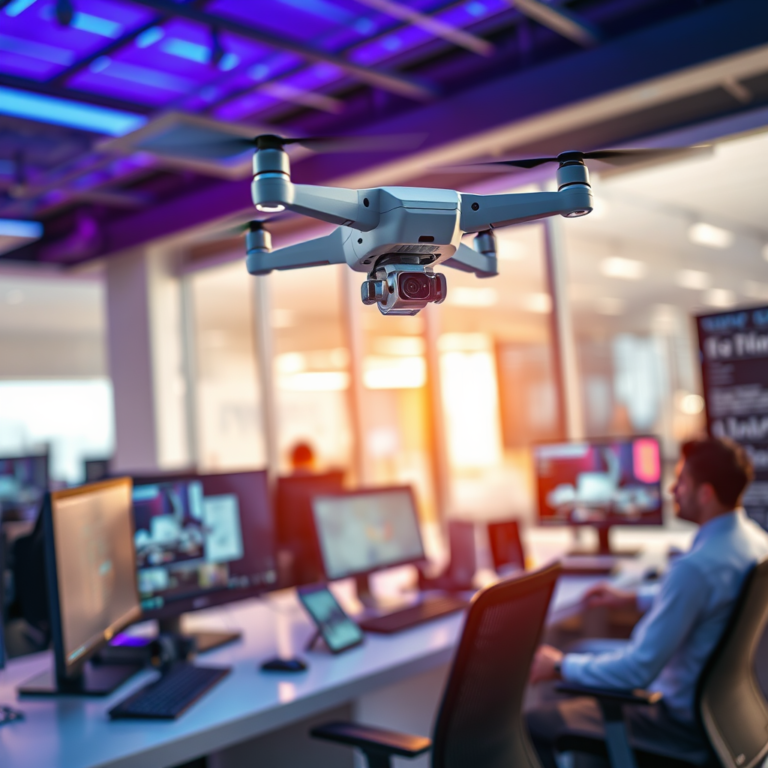

The integration of 5G technology significantly enhances video-based smart city surveillance by providing faster data transmission, lower latency, and improved connectivity. As cities become more reliant on sophisticated surveillance systems to ensure safety and efficiency, 5G plays a crucial role in enabling real-time monitoring and analytics. In this article, we’ll explore how 5G transforms urban surveillance systems and its implications for smart cities.
Enhanced Data Transmission Speeds
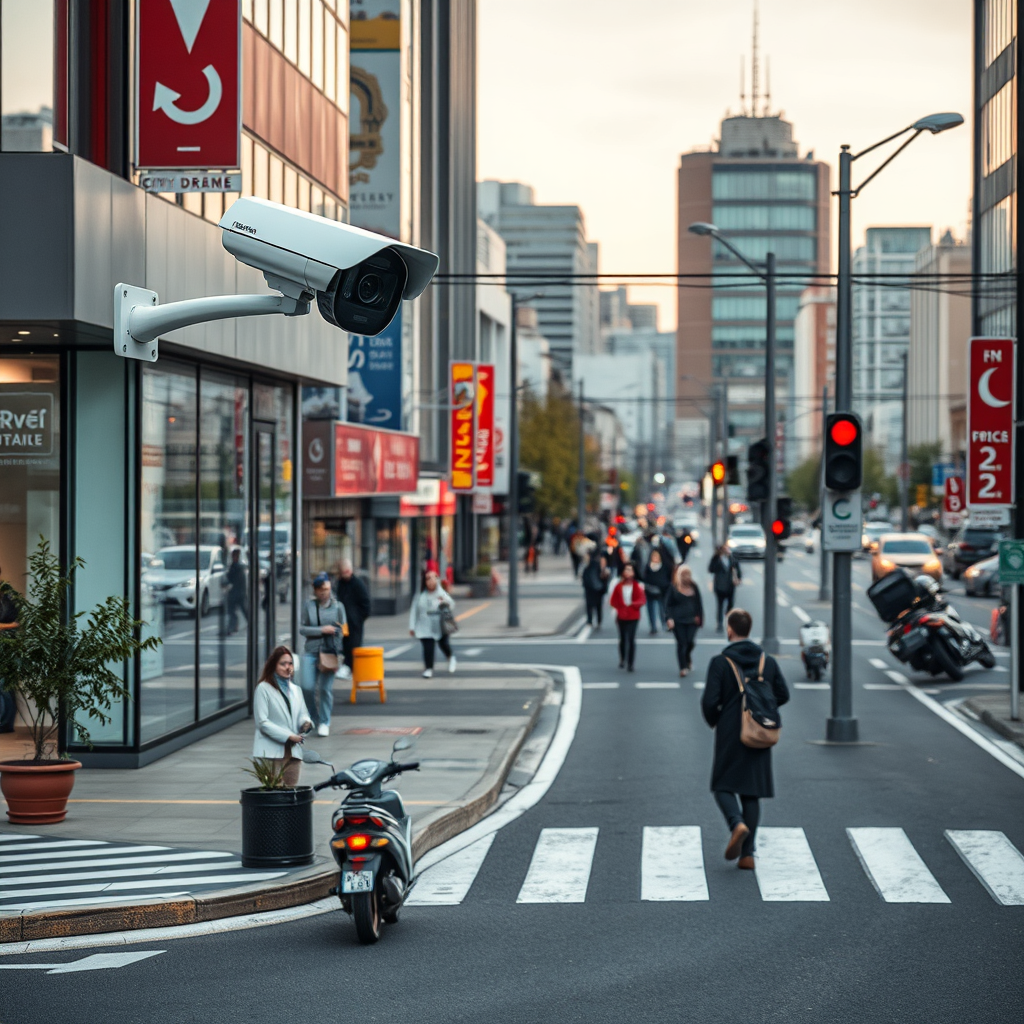
One of the most notable improvements brought by 5G technology is its impressive data transmission speeds, which can reach up to 100 times faster than 4G. This leap in speed allows for high-resolution video streaming, enabling surveillance systems to capture and transmit clearer images and videos without lag. For example, in a busy urban environment where incidents can unfold rapidly, a high-definition video feed can make all the difference in identifying a suspect or understanding an emergency situation.
Faster data transfer not only enhances the quality of surveillance footage but also reduces lag time, allowing for immediate responses to incidents captured by surveillance cameras. Imagine a scenario where a crime is occurring in real-time; with 5G, law enforcement can receive footage almost instantaneously, enabling them to act promptly. This can lead to quicker apprehensions and potentially prevent further incidents, ultimately contributing to a safer urban environment.
Low Latency for Real-Time Monitoring
Another game-changing feature of 5G networks is their ultra-low latency, which can be as low as 1 millisecond. This rapid communication capability facilitates instantaneous interactions between devices, making it an essential element for applications such as facial recognition and emergency response systems.
Consider a smart city equipped with facial recognition technology at various checkpoints. With 5G, the system can analyze and match faces in real-time, instantly alerting authorities if a person of interest is detected. This level of immediacy is crucial, especially in situations where every second counts, such as during a public safety threat or emergency response scenario.
Furthermore, low latency enhances the effectiveness of emergency services. For instance, if a surveillance camera detects a traffic accident, emergency responders can receive real-time alerts and footage, allowing them to assess the situation and arrive prepared. This immediate access to information can save lives and streamline response efforts.
Increased Connectivity for IoT Devices
5G technology is designed to support a significantly higher number of connected devices, which is vital for a comprehensive smart city infrastructure. In a modern urban landscape, surveillance systems are just one part of the larger Internet of Things (IoT) ecosystem, which includes traffic sensors, environmental monitors, and public safety alerts.
This enhanced connectivity allows surveillance systems to integrate seamlessly with other IoT devices, creating a more cohesive data ecosystem. For example, traffic cameras combined with real-time data from traffic sensors can analyze congestion patterns and adjust traffic signals accordingly. This not only improves traffic flow but also reduces the likelihood of accidents, further enhancing urban safety.
Moreover, integrating surveillance systems with environmental monitors can help cities respond to emergencies like natural disasters. For instance, when a flood warning is issued, connected cameras could provide live footage of affected areas, helping emergency services allocate resources more effectively.
Improved Reliability and Coverage
5G networks are specifically designed to provide robust coverage, even in densely populated urban areas. This reliability ensures continuous operation of surveillance systems, significantly reducing blind spots in city monitoring. With consistent coverage, cities can maintain a comprehensive view of public spaces, improving overall security.
Consider a scenario in a downtown area filled with high-rise buildings and busy streets. Traditional networks may struggle to provide coverage in such environments, leading to potential gaps in surveillance. However, with the deployment of 5G, cities can ensure that every corner is monitored without interruptions, creating a safer atmosphere for residents and visitors alike.
Additionally, the reliability of 5G enables cities to utilize advanced technologies such as drone surveillance for aerial monitoring. Drones equipped with high-definition cameras can cover large areas quickly, and with 5G connectivity, real-time data transfer allows for immediate analysis and action.
Data Privacy and Security Challenges
While the benefits of 5G in smart city surveillance are substantial, increased connectivity comes with heightened risks, particularly concerning data privacy and security. With more devices connected to the internet, the potential for cyber threats and data breaches escalates.
Cities must implement stringent security measures to protect sensitive surveillance data. This includes encryption protocols, regular software updates, and robust access controls to ensure that only authorized personnel can view or manipulate surveillance footage. Additionally, public awareness campaigns about data privacy can help citizens understand how their data is being used and the measures in place to protect it.
Furthermore, involving stakeholders in the development of surveillance policies can ensure that community concerns are addressed. By prioritizing transparency and ethical considerations, cities can foster public trust while leveraging the advantages of 5G technology.
Future Innovations in Smart Surveillance
As 5G technology continues to evolve, it paves the way for advanced AI-driven analytics and machine learning applications in surveillance. These innovations can lead to more sophisticated systems capable of predictive policing, where data trends are analyzed to foresee potential crime hotspots and allocate resources accordingly.
Imagine a city where surveillance systems can analyze patterns over time, identifying areas that may require increased police presence or community outreach based on historical data. This predictive capability allows for proactive measures rather than reactive responses, ultimately enhancing public safety.
Future innovations may also include automated incident response systems that leverage real-time data. For instance, if a surveillance camera detects suspicious behavior, the system could automatically alert law enforcement and provide them with live video feeds, allowing for faster response times and potentially preventing crimes before they occur.
Case Studies of 5G Implementation
Cities like Los Angeles and Tokyo are leading examples of 5G integration in surveillance systems, showcasing both the practical benefits and challenges faced during the rollout of 5G-enabled surveillance solutions.
In Los Angeles, the city has initiated a comprehensive plan to deploy 5G networks across various neighborhoods, enhancing their existing surveillance infrastructure. The 5G network supports high-definition video feeds from thousands of cameras, allowing for improved monitoring of public areas and quicker responses to emergencies.
Meanwhile, Tokyo has embraced 5G to integrate surveillance with other smart city initiatives, such as traffic management and disaster response. The city has developed a network of interconnected devices that communicate in real time, creating a harmonious ecosystem that enhances safety and efficiency.
These case studies illustrate not only the transformative potential of 5G but also the importance of strategic planning and community involvement in the deployment process. As cities navigate the complexities of technology integration, the experiences of early adopters can provide valuable lessons for others looking to enhance their surveillance systems.
The implementation of 5G technology in video-based smart city surveillance is revolutionizing urban safety and efficiency. By providing faster speeds, low latency, and enhanced connectivity, 5G enables cities to respond to incidents in real-time and integrate various smart technologies. As we move forward, addressing the challenges of data security will be crucial for maximizing the benefits of this technology. Explore how your city can harness the power of 5G for smarter, safer urban environments.
Frequently Asked Questions
What is the role of 5G technology in enhancing video-based smart city surveillance systems?
5G technology plays a crucial role in smart city surveillance by providing high-speed data transfer and low latency, which are essential for real-time video streaming and processing. This allows cities to deploy advanced video analytics, such as facial recognition and behavior analysis, to improve public safety and incident response. Additionally, 5G’s ability to connect a vast number of devices simultaneously enables the integration of various surveillance cameras and sensors, creating a comprehensive security network.
How does 5G improve the efficiency of video surveillance in urban areas?
5G improves the efficiency of video surveillance in urban areas by enabling faster data transmission and reducing lag time, which is vital for live monitoring and quick decision-making. The increased bandwidth supports high-definition video feeds from multiple cameras without sacrificing quality, allowing law enforcement and city officials to analyze situations in real-time. Furthermore, 5G facilitates the use of edge computing, where data processing occurs closer to the source, enhancing response times and reducing the load on centralized servers.
Why is low latency important for video-based smart city surveillance?
Low latency is important for video-based smart city surveillance because it directly impacts the responsiveness of security systems. In critical situations, such as monitoring public events or responding to emergencies, even a small delay can lead to missed opportunities for intervention. With 5G’s low latency capabilities, surveillance systems can deliver immediate alerts and facilitate rapid communication between devices, ensuring that city officials can act swiftly to maintain public safety.
Which challenges does 5G technology address in traditional surveillance systems?
5G technology addresses several challenges faced by traditional surveillance systems, including limited bandwidth, high latency, and the inability to support numerous simultaneous connections. With the ability to handle large amounts of data and connect multiple devices seamlessly, 5G overcomes the constraints of older technologies. This results in better image quality, enhanced video analytics, and the capability to integrate various smart city applications, ultimately leading to more effective surveillance strategies.
What are the best practices for implementing 5G-enabled video surveillance in smart cities?
The best practices for implementing 5G-enabled video surveillance in smart cities include conducting a thorough assessment of existing infrastructure and identifying areas that can benefit from enhanced connectivity. Collaboration with telecom providers is crucial to ensure optimal network coverage and performance. Additionally, investing in advanced analytics and data security measures can help safeguard sensitive information and improve overall system reliability. Lastly, involving community stakeholders in the planning process can enhance public trust and acceptance of surveillance initiatives.
References
- 5G
- https://www.sciencedirect.com/science/article/pii/S1361372319300567
- https://www.bbc.com/news/technology-56349117
- https://www.nist.gov/news-events/news/2020/02/5g-and-smart-cities-what-you-need-know
- https://www.ncbi.nlm.nih.gov/pmc/articles/PMC7820135/
- https://www.itu.int/en/ITU-T/focusgroups/5g/Documents/FG-5G-Overview.pdf
- https://www.rand.org/pubs/research_reports/RR2862.html
- https://www.cnbc.com/2021/09/30/the-future-of-5g-and-smart-cities.html