

The integration of AI in auto-translating live video streams is transforming global communication by breaking down language barriers in real-time. With the help of advanced machine learning algorithms, AI enables seamless interaction across diverse languages, making it easier for individuals and businesses to connect. This article will delve into how AI technology enhances live video translation, its benefits, challenges, and future prospects, providing you with a comprehensive understanding of this revolutionary tool.
Understanding AI in Live Video Translation

AI plays a crucial role in live video translation by leveraging natural language processing (NLP) to decode spoken language on the fly. This technology analyzes audio input, interprets the language, and generates text output in another language almost instantaneously. The brilliance of machine learning lies in its ability to improve accuracy and speed, especially when compared to traditional translation methods that often involve a human translator. With AI, the process becomes not only faster but also less prone to human error.
For instance, consider a global conference where speakers from various countries share their insights. AI-enabled translation can capture the nuances of spoken language, providing participants with subtitles or audio translations in real-time. This level of immediacy is vital in maintaining engagement and ensuring that key messages are conveyed effectively, regardless of the audience’s native language.
Benefits of AI Auto-Translation for Live Streams
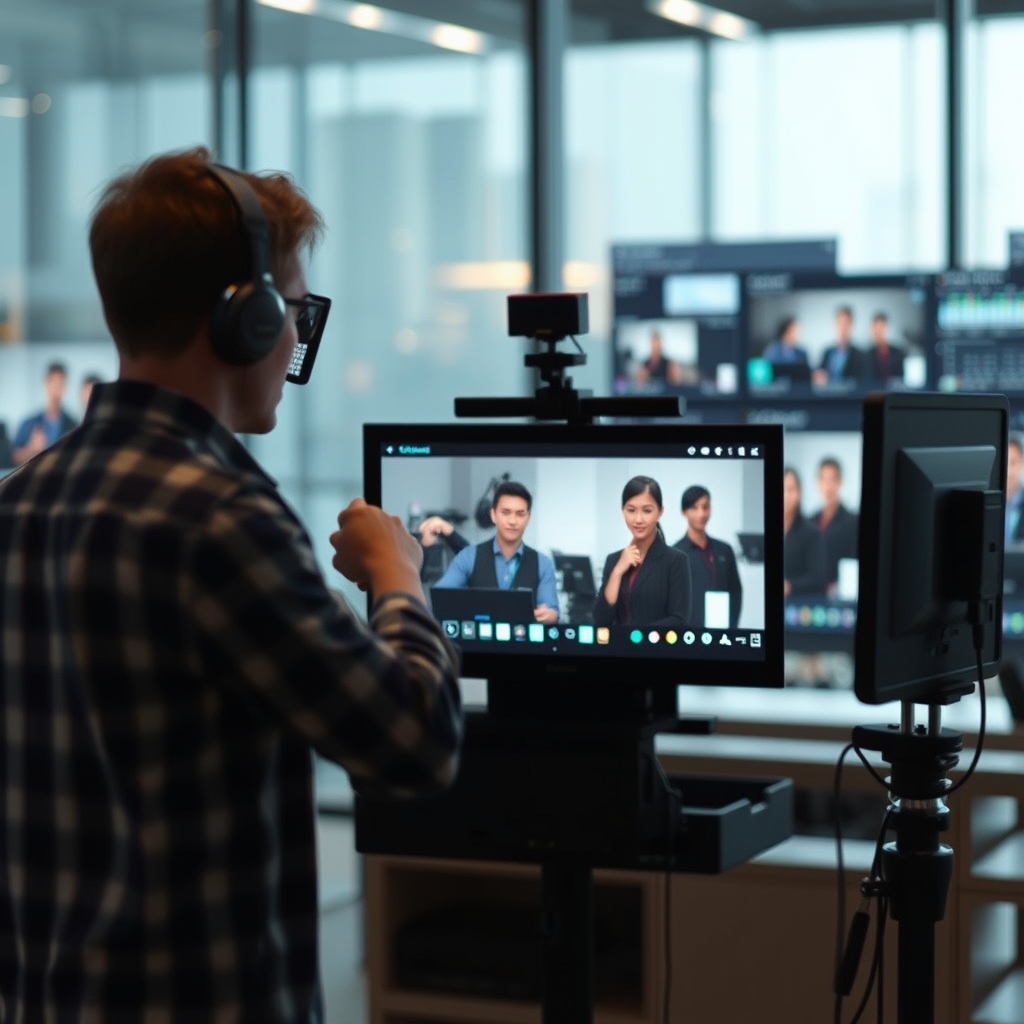
The benefits of AI auto-translation for live streams are extensive and impactful. First and foremost, it enhances accessibility for global audiences by breaking down language barriers. Imagine a business webinar with participants from different parts of the world; AI can facilitate smooth communication, ensuring that everyone can follow along and contribute, regardless of their language proficiency.
Furthermore, this technology is a boon for international business meetings, webinars, and conferences. The ability to communicate in real-time fosters collaboration and promotes inclusivity, allowing companies to tap into a diverse talent pool and audience. For example, companies like Zoom and Microsoft Teams are integrating AI translation features into their platforms, enabling users to join meetings and contribute in their preferred language, thereby creating a more inclusive environment.
Key Technologies Behind AI Translation
Several key technologies drive the effectiveness of AI translation in live video. One of the most pivotal is machine learning models, which continuously learn from vast amounts of language data, refining their translation accuracy over time. By analyzing patterns in speech and text, these models adapt to various dialects, idioms, and contexts, providing more reliable translations.
Another essential technology is speech recognition, which captures spoken language and converts it into text for translation. This process involves several complex algorithms that work together to identify words, phrases, and the overall sentiment of the speech. For instance, Google’s speech recognition technology has made significant strides in accurately transcribing speech in multiple languages, making it a key player in the realm of AI-powered translation.
Challenges in AI Live Translation
While the benefits of AI in live video translation are substantial, there are also challenges that need to be addressed. One significant hurdle is the contextual understanding of language. AI systems, despite their advancements, can struggle with grasping cultural nuances, idioms, and context-dependent meanings. This can lead to translations that, while technically accurate, may miss the emotional or cultural subtleties of the original message.
Additionally, technical limitations such as latency and internet connectivity can impact the quality of translation. In live settings, even a slight delay can disrupt the flow of communication, causing confusion among participants. Ensuring a stable internet connection and optimizing AI systems to minimize latency is crucial for effective real-time translation.
Future Trends in AI Video Translation
The future of AI video translation is promising, with several trends likely to shape its evolution. One exciting possibility is the increased integration of AI with augmented reality (AR) and virtual reality (VR) technologies. Imagine attending a virtual conference where AI not only translates spoken language but also overlays translated subtitles in your field of vision. This immersive experience could revolutionize how we interact in multilingual settings.
Moreover, advancements in multilingual support are on the horizon as AI continues to evolve and learn. As more languages and dialects are incorporated into AI training datasets, the accuracy and reliability of translations will improve significantly. This will be especially beneficial for regions with less representation in existing translation technologies.
Practical Applications of AI in Live Video
AI in live video translation is already making waves across various sectors, showcasing its versatility. In education, for instance, online courses can cater to a global audience by offering real-time translations, enabling students from different linguistic backgrounds to learn together. Platforms like Coursera and edX are exploring these capabilities, making learning more inclusive.
In entertainment, live sports broadcasts can provide commentary in multiple languages, enhancing the viewing experience for international fans. Case studies from major sporting events demonstrate how AI translation has allowed millions of viewers to enjoy the games in their preferred language, fostering a sense of community among diverse fanbases.
Furthermore, in international business, companies are leveraging AI translation to expand their reach into new markets. By communicating effectively with clients and partners across the globe, organizations can build stronger relationships and enhance their competitive edge.
The role of AI in auto-translating live video streams is not just about overcoming language barriers but also about enhancing global collaboration and communication. As AI technology continues to advance, it promises to make live video interactions more inclusive and efficient. Embrace this technology to elevate your communication strategies and reach a broader audience. By understanding the implications and advantages of AI in live video translation, you can better prepare yourself and your organization for a future where language is no longer a barrier to connection.
Frequently Asked Questions
What is AI auto-translation in live video streams and how does it work?
AI auto-translation in live video streams utilizes advanced algorithms and machine learning models to convert spoken language into text and then translate that text into different languages in real-time. This technology typically involves speech recognition, natural language processing (NLP), and translation engines, allowing viewers from diverse linguistic backgrounds to access content simultaneously, enhancing global reach and audience engagement.
How accurate is AI auto-translation for live video streams compared to human translators?
While AI auto-translation for live video streams has significantly improved in accuracy, especially with advancements in machine learning, it may still struggle with nuances, idioms, and context that human translators grasp effortlessly. The accuracy often varies depending on the language pairs involved, the complexity of the content, and the clarity of the audio. For critical communications, combining AI with human oversight can enhance overall translation quality.
Why should businesses consider using AI for translating live video streams?
Businesses should consider using AI for translating live video streams to enhance accessibility and expand their audience reach on a global scale. By providing immediate translations, they cater to non-native speakers and foster inclusivity, thereby increasing engagement and potential market share. Additionally, AI solutions can be more cost-effective and scalable compared to traditional translation methods, allowing businesses to allocate resources more efficiently.
What are the best platforms or tools for implementing AI auto-translation in live video streams?
Some of the best platforms for implementing AI auto-translation in live video streams include Zoom, Microsoft Teams, and Google Meet, which offer integrated translation features. Additionally, services like IBM Watson, Google Cloud Translation, and Microsoft Azure Cognitive Services provide robust APIs that can be integrated into custom streaming setups for more tailored solutions. Choosing the right tool depends on factors such as user interface, language support, and specific business needs.
Which industries can benefit the most from AI auto-translation in live video streams?
Several industries can greatly benefit from AI auto-translation in live video streams, including education, corporate training, entertainment, and international conferences. In education, it allows for diverse classroom participation, while in corporate settings, it facilitates global meetings and training sessions. The entertainment industry, particularly for live events or streaming services, can reach a broader audience, making content more accessible and engaging for viewers worldwide.
References
- Machine translation
- https://www.bbc.com/news/technology-49904398
- https://www.sciencedirect.com/science/article/pii/S1877050919315621
- https://www.techrepublic.com/article/how-ai-is-changing-the-translation-industry/
- https://www.cnbc.com/2020/01/09/ai-translation-technology-gets-a-boost-from-ces-2020.html
- https://www.forbes.com/sites/bernardmarr/2020/03/30/the-future-of-ai-in-translation-how-machine-learning-is-changing-the-game/
- https://www.nist.gov/news-events/news/2020/09/nist-releases-new-guidelines-ai-assistive-technology
- https://www.prnewswire.com/news-releases/ai-usage-in-live-streaming-technology-301007062.html