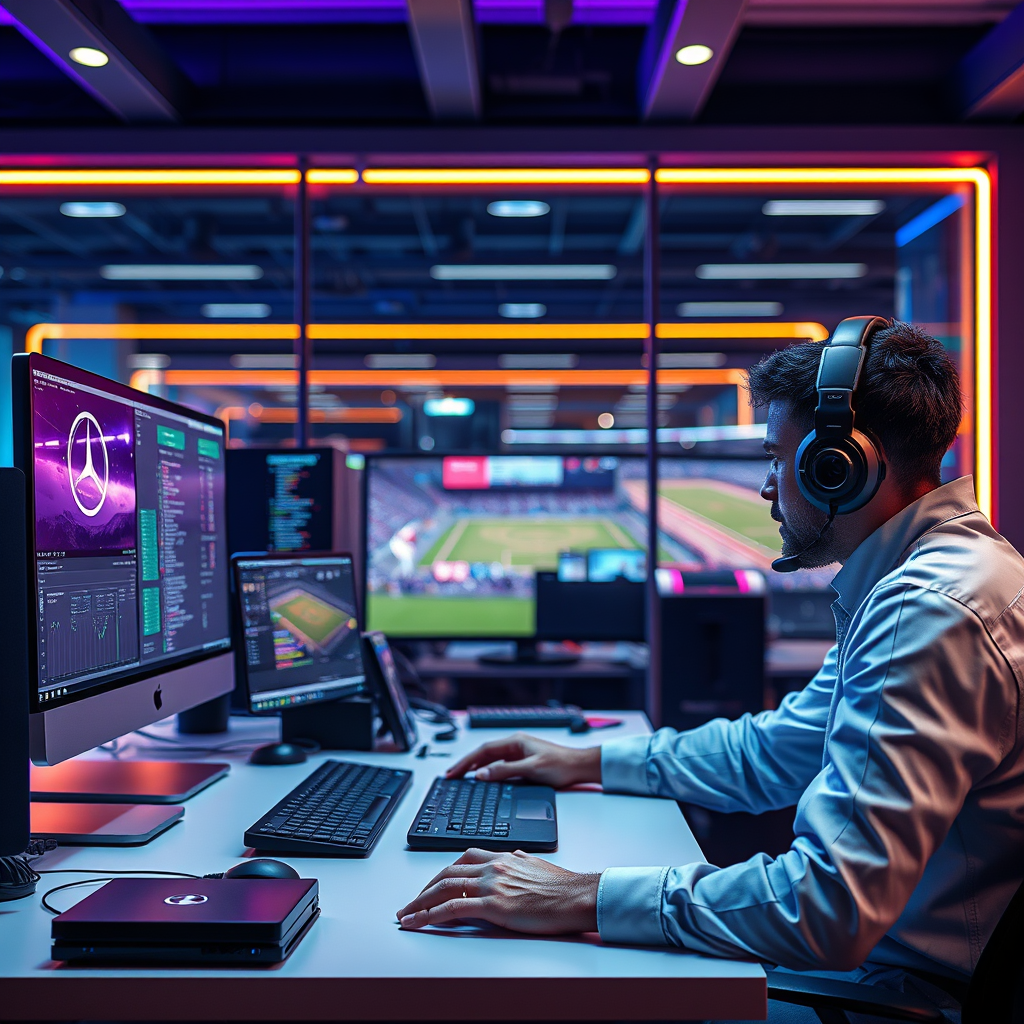

AI is transforming the landscape of sports commentary by introducing virtual commentators capable of delivering real-time analysis, engaging fans, and elevating the overall viewing experience. These AI-driven technologies harness the power of data and machine learning to create a more interactive and personalized sports experience, catering to both die-hard fans and casual viewers alike. In this article, we will delve into the various AI technologies powering these virtual commentators, the benefits they provide, and what the future may hold for this innovative approach to sports commentary.
Understanding AI in Sports Commentary

AI technologies such as natural language processing (NLP) and machine learning are at the forefront of modern sports commentary. NLP enables machines to understand and generate human language, allowing virtual commentators to articulate insights and analyses that resonate with viewers. Machine learning, on the other hand, allows these systems to learn from vast amounts of data, improving their accuracy and relevance over time.
One of the key ways AI analyzes game data is through the aggregation of statistics, player performance metrics, and historical data. By sifting through this wealth of information, AI can provide real-time insights and predictions that enhance the viewer’s understanding of the game. For example, during a live basketball game, AI can evaluate player shooting percentages, defensive strategies, and even the effectiveness of various plays, delivering timely commentary that keeps fans engaged and informed.
The Benefits of Virtual Sports Commentators

The introduction of virtual sports commentators offers numerous benefits, particularly in enhancing viewer engagement. These AI-driven commentators can tailor their commentary to suit individual preferences, providing personalized insights based on a viewer’s favorite teams, players, or even past viewing habits. For instance, if a fan prefers statistical analysis over anecdotal storytelling, the AI can adjust its commentary style accordingly, making the viewing experience more enjoyable.
Additionally, virtual commentators provide consistent and unbiased information, which is particularly appealing to diverse audiences, including those who may not be well-versed in the intricacies of the sport. This democratization of sports commentary allows more people to appreciate and understand the game, fostering a greater love for sports and potentially expanding fan bases.
How AI Creates Realistic Commentary
Creating realistic commentary involves training AI models using extensive datasets derived from past games and expert commentary. These datasets are rich in context, capturing not only the factual elements of the games but also the nuances of human commentary—like tone, pacing, and emotional engagement. The training process ensures that AI can generate commentary that feels genuine and relatable to viewers.
Techniques like deep learning are employed to mimic the styles of human commentators. By analyzing patterns in how commentators express excitement, disappointment, or humor, AI can replicate these emotional cues. This is crucial for maintaining viewer interest and ensuring that the commentary feels alive, rather than robotic or monotonous. For example, during a nail-biting finish to a soccer match, a virtual commentator can reflect the tension and excitement that human commentators convey, enhancing the emotional experience for viewers.
Case Studies of AI in Action
Several sports organizations have successfully implemented virtual commentators to great effect. One notable example is the partnership between IBM and the U.S. Open, where AI-driven commentary provided insights and analysis that complemented the traditional broadcast. The feedback was overwhelmingly positive, with viewers appreciating the depth of information and the engaging delivery style.
Another example is the use of AI commentators in esports, where platforms like Twitch have begun experimenting with virtual hosts. These virtual commentators have been able to analyze complex gaming strategies in real-time, resulting in increased viewer engagement and interaction. Viewer feedback and engagement metrics post-implementation have shown a significant uptick in audience retention and satisfaction, indicating that AI commentators are resonating well with fans.
Challenges and Limitations
Despite the advancements in AI technology, there are still limitations when it comes to understanding the complexities of sports dynamics. AI may struggle to interpret the subtleties of player emotions, strategic decisions, or even the atmosphere of a live event. This gap highlights the importance of human commentators, who bring a level of insight and emotional depth that AI has yet to fully replicate.
Moreover, ethical considerations arise as AI begins to take on roles traditionally held by humans. Issues such as job displacement and the potential loss of human touch in sports commentary are critical conversations that the industry must address. Striking a balance between leveraging AI and preserving the human element in sports is essential for the future of commentary.
The Future of AI Commentators
Looking ahead, advancements in AI technology promise to further enhance virtual commentary. As natural language processing becomes more sophisticated, we can expect virtual commentators to provide even more nuanced insights and emotional engagement. Future AI systems may incorporate advanced sentiment analysis, allowing them to better gauge and respond to the emotions of live audiences.
The potential impacts on employment within the sports commentary industry are also noteworthy. While AI may streamline certain aspects of commentary, it could also open up new opportunities for human commentators to work alongside AI, focusing on high-level analysis and storytelling that AI cannot yet replicate. This collaboration could lead to a richer, more dynamic viewing experience for fans.
In closing, AI is transforming sports commentary by providing innovative virtual commentators that enhance the viewing experience and engage fans more deeply. As technology advances, we can expect even more sophisticated applications of AI in sports. Stay tuned to see how this exciting evolution will unfold, and consider exploring how your favorite sports organizations are adopting these technologies.
Frequently Asked Questions
What is the role of AI in creating virtual sports commentators?
AI plays a crucial role in developing virtual sports commentators by leveraging natural language processing (NLP) and machine learning algorithms. These technologies allow AI systems to analyze real-time game data, understand player statistics, and generate commentary that mimics human speech patterns and tones. This enhances viewer engagement by providing dynamic and insightful commentary, making virtual sports experiences more immersive.
How do AI-generated commentators improve the viewer experience in sports?
AI-generated commentators enhance the viewer experience by providing consistent, accurate, and personalized commentary during sports events. They can quickly analyze vast amounts of data, ensuring that viewers receive up-to-date statistics, player insights, and contextually relevant information. Additionally, AI commentators can adapt their style to match the preferences of different audiences, whether they seek detailed analysis or light-hearted banter, thus making the experience more enjoyable.
Why are sports organizations adopting AI commentators instead of human commentators?
Sports organizations are increasingly adopting AI commentators due to their cost-effectiveness, scalability, and ability to provide 24/7 coverage without fatigue. AI systems can handle multiple games simultaneously, allowing organizations to expand their broadcasting capabilities without hiring additional personnel. Furthermore, AI commentators can analyze data in real-time, offering insights that may be overlooked by human commentators, thus enriching the overall viewing experience.
What are the best examples of AI in sports commentary today?
Some of the best examples of AI in sports commentary include IBM’s Watson, which has been utilized for analyzing sports data and generating commentary during events. Additionally, companies like Google and Microsoft are developing AI tools that can provide real-time analytics and commentary for various sports. These tools are integrated into broadcasting platforms, enhancing the way audiences engage with live sports events.
Which technologies are essential for creating effective AI sports commentators?
Essential technologies for creating effective AI sports commentators include natural language processing (NLP), machine learning, and data analytics. NLP allows AI to understand and generate human-like speech, while machine learning enables continuous improvement based on user interactions and game data. Coupled with robust data analytics platforms, these technologies ensure that AI commentators deliver accurate, engaging, and contextually relevant commentary during sports broadcasts.
References
- Computer science in sport
- https://www.bbc.com/news/technology-51105558
- https://www.forbes.com/sites/bernardmarr/2021/03/08/how-artificial-intelligence-is-changing-the-way-we-watch-sports/?sh=1a7f13d76f29
- https://www.sciencedirect.com/science/article/pii/S1877050921001965
- https://www.theguardian.com/technology/2021/jun/06/can-artificial-intelligence-replace-human-commentators-in-sports
- https://www.nytimes.com/2020/08/29/sports/ai-sports-commentary.html
- https://www.techrepublic.com/article/how-ai-is-changing-the-future-of-sports-commentary/
- 提示信息