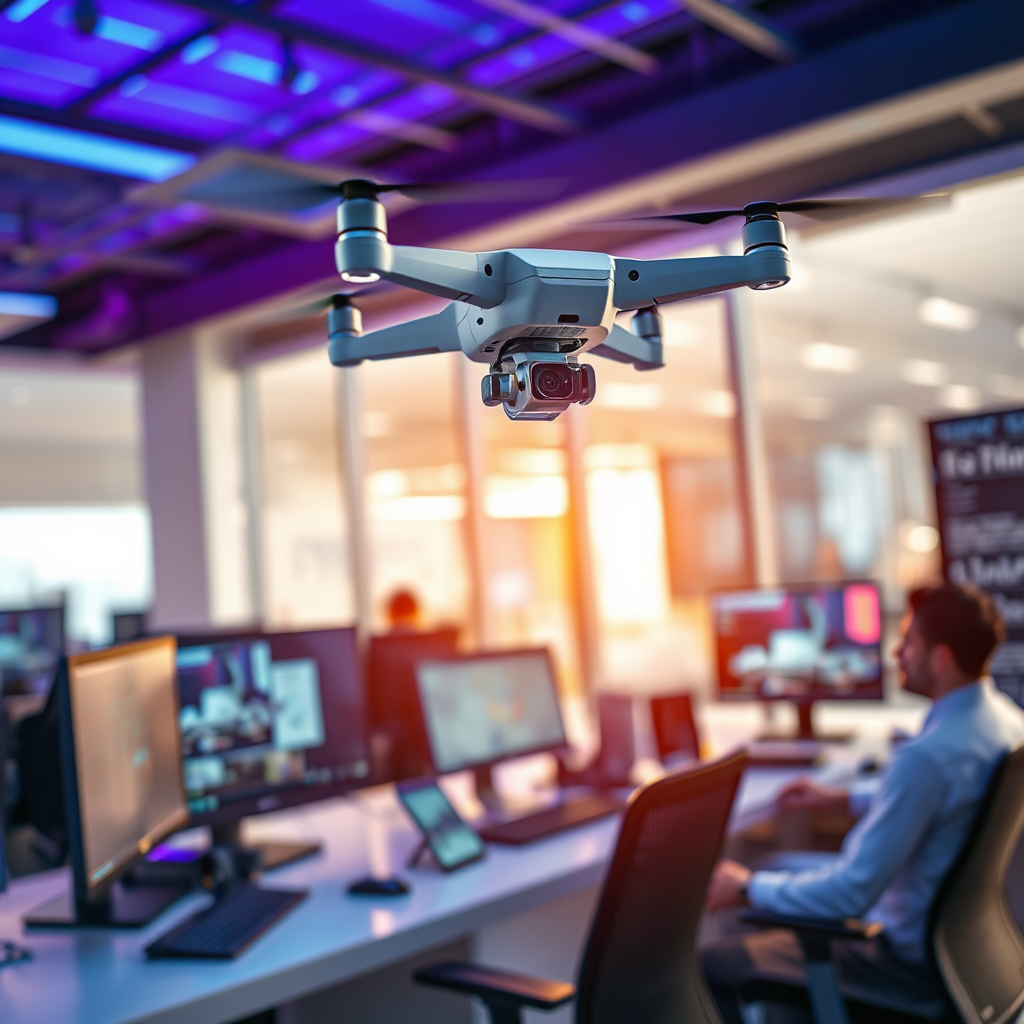

With the integration of artificial intelligence, drone-based video surveillance has significantly improved in efficiency, accuracy, and functionality. AI technologies enable drones to analyze vast amounts of data in real-time, enhancing decision-making processes and operational effectiveness. These advancements are transforming industries, from security to agriculture, by providing smarter, more adaptable solutions. This article delves into the transformative role of AI in drone surveillance, exploring its capabilities and applications in various fields, making it clear that the future of surveillance is not only aerial but also intelligent.
AI-Powered Data Processing
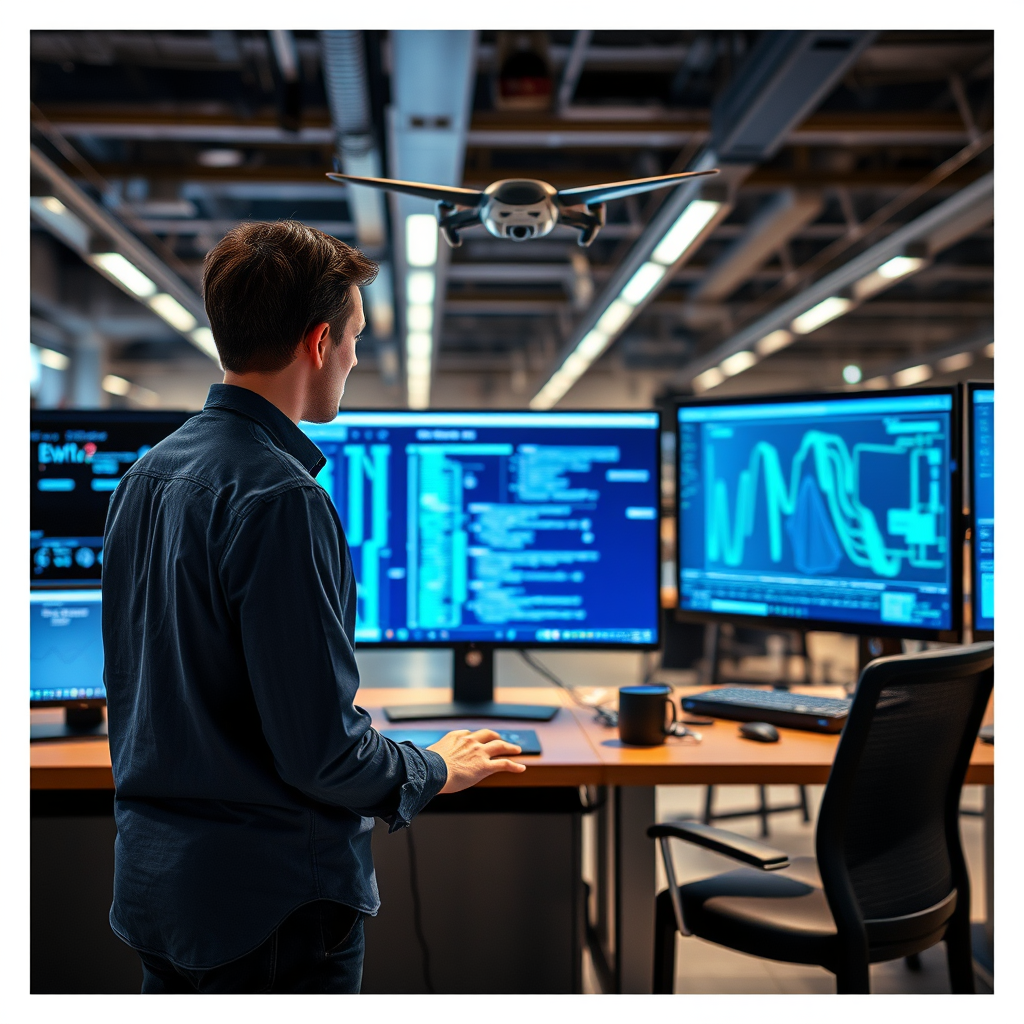
One of the most remarkable advantages of AI in drone surveillance is its ability to process video feeds at lightning speed. Traditional video monitoring often relies on human operators to analyze footage, which can be time-consuming and prone to error. AI algorithms, however, can rapidly sift through hours of video, identifying objects, patterns, and anomalies with remarkable precision. For instance, a drone equipped with AI can monitor a crowded area, such as a concert or sports event, and instantly recognize suspicious behavior or unauthorized access points.
Machine learning enhances the capability of drones to not only detect but also recognize and track specific targets over time. By training AI systems with vast datasets, drones become proficient in distinguishing between different objects, such as vehicles, people, or animals. This ability is particularly useful in scenarios like wildlife monitoring, where drones can track endangered species and monitor their movements without disturbing their natural habitat. The result is a surveillance system that is not only faster but also more accurate, allowing for proactive responses to potential threats.
Real-Time Analytics and Decision Making
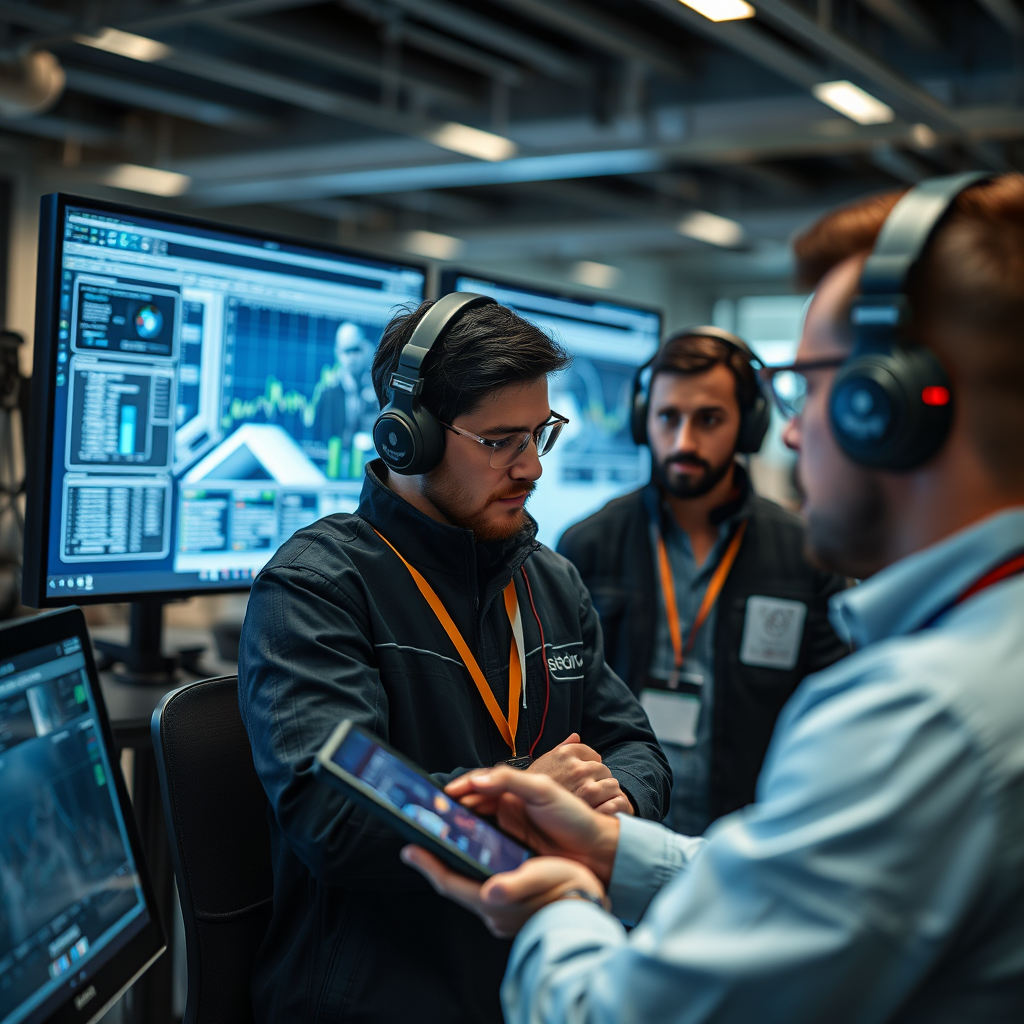
In the realm of surveillance, timing is everything. AI’s role in providing real-time analytics is invaluable for operators who need to make quick decisions. Imagine a security team monitoring a large facility through drone surveillance. With AI-driven insights, operators receive immediate feedback on the status of various areas, enabling them to respond to incidents as they happen. This capability not only enhances safety but also improves operational efficiency.
Moreover, AI can generate automated alerts based on predefined criteria. For instance, if a drone detects an unauthorized person entering a restricted area, it can send an instant alert to security personnel. This real-time functionality reduces response times dramatically and allows for rapid deployment of resources where they are needed most. In emergency situations, such as natural disasters or search and rescue operations, these quick insights can make all the difference in saving lives and minimizing damage.
Enhanced Object Recognition and Tracking
The advances in deep learning models have led to significant improvements in the accuracy of object detection in diverse environments. Drones equipped with AI can differentiate between various objects with a high degree of reliability, even in challenging conditions such as low light or adverse weather. This capability is essential in fields like law enforcement, where identifying a suspect or a vehicle quickly can be crucial.
Additionally, drones equipped with AI can autonomously follow and monitor moving subjects. For example, during a public event, a drone can track a person of interest while maintaining a safe distance, providing live updates to ground units without drawing attention. This feature not only enhances surveillance capabilities but also ensures that operations remain discreet and effective.
Integration with Other Technologies
AI does not operate in isolation; its true potential is realized when combined with other technologies. The integration of AI with the Internet of Things (IoT) and cloud computing creates a powerful ecosystem for drone surveillance. For instance, drones can communicate with ground sensors and devices, sharing data in real-time to create a comprehensive picture of a monitored area. This seamless data sharing enhances situational awareness for operators, allowing them to make better-informed decisions.
Moreover, cloud computing provides the necessary infrastructure for storing and processing large volumes of data collected by drones. This capability allows for advanced analytics and reporting, making it easier for organizations to analyze trends and derive actionable insights. In industries such as agriculture, farmers can use AI-driven drones to collect data on crop health, which can then be analyzed and shared with other systems to optimize farming practices and improve yield.
Applications Across Industries
The applications of AI-enhanced drone surveillance are vast and varied, impacting numerous industries in transformative ways.
– Security: AI-enhanced drones are making waves in public safety and threat detection. For instance, cities are deploying drones equipped with AI to monitor public events, detect unusual activities, and even assist in crowd management. This proactive approach to security not only enhances safety but also fosters a sense of community trust.
– Agriculture: In the agricultural sector, drones equipped with AI can monitor crop health, assess irrigation needs, and optimize land use. By analyzing data such as soil moisture levels and plant health, farmers can make informed decisions about resource allocation, ultimately leading to better yields and sustainable practices.
– Infrastructure: AI-driven drones are increasingly used for infrastructure inspection, such as bridges, power lines, and pipelines. These drones can detect structural issues before they become major problems, saving time and money while enhancing safety.
Challenges and Ethical Considerations
Despite the myriad benefits, the increased use of surveillance drones raises important challenges and ethical considerations. Privacy concerns are at the forefront, as the ability to monitor individuals and public spaces can lead to misuse if not regulated properly. Striking a balance between security and personal privacy is crucial, requiring transparent policies and ethical guidelines.
Additionally, regulatory frameworks need to adapt to address the implications of AI in surveillance technologies. Governments and organizations must work together to create comprehensive regulations that protect citizens’ rights while allowing for the effective use of drone technology. Engaging with the public to understand their concerns and preferences will be vital in shaping these regulations.
Future Trends in AI-Driven Drone Surveillance
Looking ahead, the future of AI-driven drone surveillance is bright and promising. Continued advancements in AI are expected to lead to greater autonomy in drone operations. As AI algorithms become more sophisticated, drones will be able to perform complex tasks without human intervention, such as automatic route planning and real-time decision making.
Innovations in AI will enhance the capabilities of drones, making them more versatile and effective. For example, future drones may incorporate advanced facial recognition technology, enabling them to identify individuals in large crowds quickly. As these technologies evolve, we can expect to see drones playing an even more significant role in areas such as disaster response, security, and environmental monitoring.
In summary, the integration of AI in drone-based video surveillance is revolutionizing how we monitor and respond to various situations. By enhancing data processing, real-time analytics, and object recognition, drones equipped with AI technologies are becoming indispensable tools across multiple industries. As we navigate the challenges and ethical considerations associated with these advancements, embracing the potential of AI-driven drone surveillance will be crucial for future applications. If you’re interested in exploring AI-enhanced drone solutions, consider reaching out to industry leaders or attending relevant workshops to stay informed. The sky truly is the limit when it comes to the future of drone surveillance!
Frequently Asked Questions
What are the key benefits of using AI in drone-based video surveillance?
The integration of AI in drone-based video surveillance significantly enhances efficiency and accuracy. AI algorithms can analyze vast amounts of video data in real-time, enabling drones to detect anomalies, recognize faces, and identify objects with high precision. This capability allows for quicker response times to security threats and reduces the workload on human operators, making surveillance more proactive and effective.
How does AI improve the accuracy of object detection in drone surveillance?
AI enhances object detection in drone surveillance through advanced machine learning models that can learn from vast datasets. These models can differentiate between various objects and recognize patterns, which allows drones to identify specific items or individuals even in complex environments. Additionally, AI can adapt to changing conditions, such as lighting or weather, ensuring consistent accuracy in diverse scenarios.
Why is real-time processing important for drone-based video surveillance using AI?
Real-time processing in drone-based video surveillance is crucial for immediate threat detection and response. By utilizing AI algorithms that can analyze footage as it’s captured, drones can alert operators to suspicious activities instantly, allowing for swift action. This capability is particularly important in security applications, where delays can lead to missed opportunities to prevent incidents or apprehend intruders.
What types of industries benefit the most from AI-enhanced drone surveillance?
Various industries benefit significantly from AI-enhanced drone surveillance, including security and law enforcement, agriculture, construction, and logistics. In security, drones provide aerial monitoring for large areas, while in agriculture, they help with crop health assessments. In construction and logistics, drones equipped with AI can monitor site safety and track inventory, optimizing operational efficiency across sectors.
Which AI technologies are commonly integrated into drone video surveillance systems?
Common AI technologies integrated into drone video surveillance systems include computer vision, machine learning, and deep learning algorithms. Computer vision enables drones to interpret visual data and recognize objects, while machine learning allows systems to improve over time through experience. Deep learning specifically enhances image recognition accuracy, facilitating tasks such as facial recognition and behavior analysis in surveillance contexts.
References
- Surveillance aircraft
- https://www.ncbi.nlm.nih.gov/pmc/articles/PMC7631287/
- https://www.sciencedirect.com/science/article/pii/S1361920920305438
- https://www.bbc.com/news/technology-51161685
- https://www.nist.gov/publications/drone-surveillance-privacy-and-security
- https://www.researchgate.net/publication/335534708_The_Role_of_Drones_in_Surveillance_Applications
- https://www.rand.org/pubs/research_reports/RR3097.html