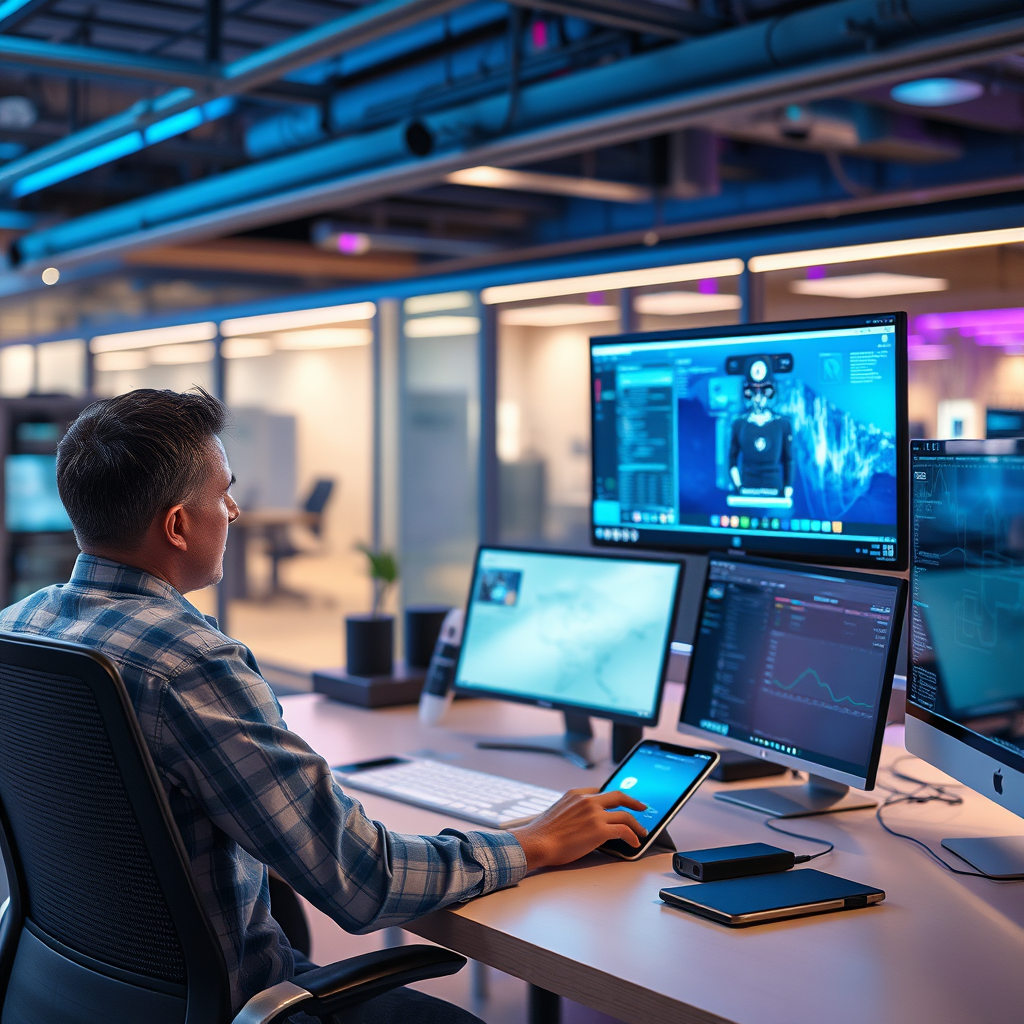

AI is revolutionizing the way we process space-based video streams by enhancing data analysis, improving real-time processing capabilities, and enabling more efficient satellite operations. This transformation is crucial for advancements in space exploration and Earth observation, allowing for quicker and more accurate decision-making in a variety of applications. In this article, we will explore how AI technologies are reshaping these video streams and the implications for our understanding of the universe and our own planet.
Understanding Space-Based Video Streams
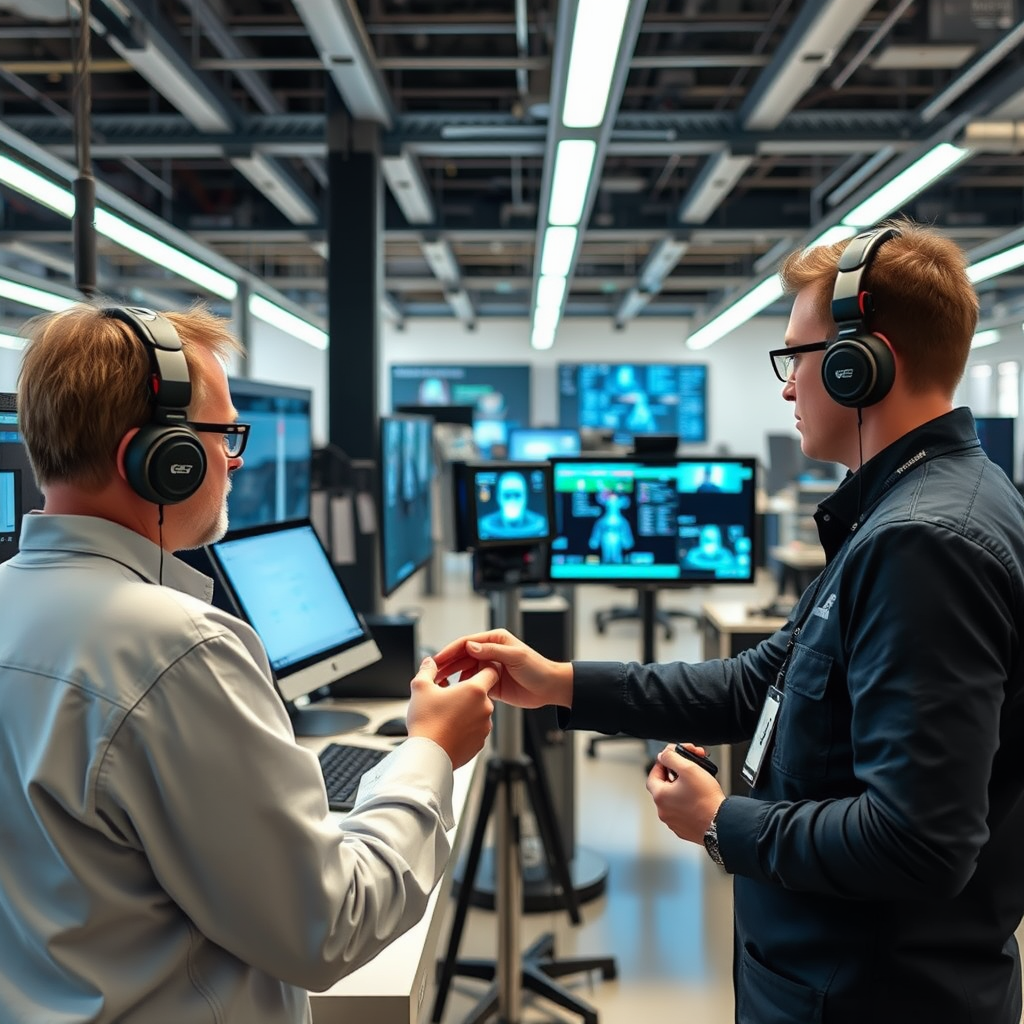
Space-based video streams refer to the continuous flow of real-time or recorded video data captured by satellites orbiting the Earth or exploring other celestial bodies. These streams are significant in satellite technology because they provide critical insights into atmospheric conditions, land use, and even the movement of wildlife. They are invaluable for numerous applications, including Earth observation—monitoring climate change, natural disasters, and urban development—and scientific research, which can involve studying planetary atmospheres or monitoring distant galaxies.
In national security, space-based video streams play a vital role in surveillance and reconnaissance, providing governments with crucial information about potential threats. For instance, high-resolution imagery from satellites can help assess military movements or monitor border security. With the increasing reliance on satellite technology for these applications, understanding how to process and analyze video streams efficiently becomes paramount.
How AI Enhances Video Stream Processing

AI algorithms are at the forefront of streamlining data analysis from space-based video streams, enabling quicker decision-making processes. Traditional methods of data processing can be time-consuming and labor-intensive, often requiring human analysts to sift through vast amounts of footage. AI, on the other hand, can analyze these data streams rapidly, identifying patterns and anomalies much faster than human capabilities allow.
Machine learning techniques, particularly deep learning, have significantly improved the accuracy of object detection and tracking within video streams. For example, neural networks can be trained to recognize specific objects such as ships, vehicles, or even changes in vegetation cover. This capability allows for more precise monitoring of environmental changes or security threats. As a result, organizations can respond to issues promptly, whether it’s deploying resources in response to a natural disaster or tracking illegal activities.
Real-Time Processing Capabilities
One of the most significant advantages of integrating AI into space-based video stream processing is its ability to facilitate real-time data analysis. This capability is crucial for timely responses to dynamic situations, such as during a natural disaster when conditions can change rapidly. For instance, AI algorithms can analyze video feeds from satellites to assess the extent of flooding or the path of wildfires, allowing emergency responders to allocate resources more effectively.
Use cases abound where real-time processing has led to significant advancements. One notable example is the use of AI in disaster response scenarios, where satellites equipped with video capabilities can provide immediate feedback on affected areas. During Hurricane Harvey in 2017, satellite imagery was used to monitor flood progression, enabling authorities to make informed decisions about evacuations and resource distribution. The speed and accuracy provided by AI-driven analysis can be lifesaving in such critical situations.
The Impact on Satellite Operations
The integration of AI into satellite operations is not just about processing video streams; it also affects how satellites are managed and operated. AI-driven automation reduces the need for human intervention in routine tasks, ultimately increasing efficiency. For example, predictive maintenance algorithms can analyze data from satellite sensors to forecast potential failures before they occur, minimizing downtime and extending the satellite’s operational lifespan.
AI applications are also optimizing satellite imagery and resource management. By employing AI, organizations can prioritize satellite passes or adjust imaging schedules based on real-time needs. For instance, if a natural disaster occurs, AI systems can reroute satellites to capture the most pertinent imagery, ensuring that stakeholders receive the information they need without delay. This proactive approach empowers agencies and organizations to respond to challenges more effectively.
Challenges and Considerations
Despite the numerous benefits, there are limitations to current AI technologies in processing space-based videos. For one, the sheer volume of data generated by satellites can overwhelm even advanced AI systems, leading to potential bottlenecks in processing capabilities. Additionally, the accuracy of AI algorithms is highly dependent on the quality and diversity of the data used for training. If the training datasets lack representation, the AI may struggle to perform effectively in real-world scenarios.
Ethical concerns also surround the use of AI in surveillance and data privacy. The ability to track objects and monitor activities from space raises questions about civil liberties and the potential for misuse. As we embrace these technologies, it is essential to establish guidelines that protect individual privacy while still allowing for the benefits of enhanced surveillance capabilities.
Future Trends in AI and Space Video Processing
Looking ahead, several emerging technologies promise to further enhance AI capabilities in video processing. The development of quantum computing, for instance, could revolutionize data processing speeds, allowing for more complex algorithms to analyze space-based video streams in real time. Additionally, advancements in sensor technology will provide higher resolution imagery, which, when combined with AI, can lead to even more detailed and accurate analysis.
Predictions for the future of AI in space exploration and monitoring are optimistic. As AI continues to evolve, we will likely see more autonomous satellites capable of making decisions based on real-time data, further optimizing operations and enhancing our understanding of the universe. These advancements will not only benefit scientific research but also have practical applications on Earth, from improving disaster management to enhancing agricultural practices.
As we summarize the advancements in AI’s role in processing space-based video streams, it’s clear that these technologies are not just enhancing analysis and operational efficiency—they’re transforming our approach to understanding both our planet and beyond. Staying informed about these developments is essential for anyone interested in space technology and its applications. By engaging with this exciting field, we can look forward to a future where AI and space exploration work hand in hand to uncover new insights and solutions for humanity.
Frequently Asked Questions
What is the role of AI in processing space-based video streams?
AI plays a crucial role in processing space-based video streams by automating the analysis and interpretation of large volumes of data captured from satellites and spacecraft. It enhances video quality, enables real-time data processing, and facilitates object recognition, tracking, and classification. This technology is essential for applications such as environmental monitoring, disaster response, and national security, making data utilization more efficient and actionable.
How does AI improve the efficiency of satellite video stream analysis?
AI improves the efficiency of satellite video stream analysis by utilizing machine learning algorithms to quickly identify patterns and anomalies within the data. It significantly reduces the time and resources needed for manual analysis by automating tasks like image stabilization, noise reduction, and object detection. This allows analysts to focus on interpreting insights rather than spending time on tedious data processing.
Why is real-time processing of space-based video streams important?
Real-time processing of space-based video streams is vital because it enables immediate decision-making in critical situations, such as natural disasters or military operations. Timely access to accurate data can lead to quicker response efforts, better resource allocation, and enhanced situational awareness. AI technologies facilitate this real-time capability by processing data swiftly and delivering actionable insights without delay.
What are the best AI techniques used for analyzing space-based video streams?
Some of the best AI techniques for analyzing space-based video streams include convolutional neural networks (CNNs) for image classification and object detection, recurrent neural networks (RNNs) for temporal sequence analysis, and deep learning-based image enhancement methods. These techniques allow for sophisticated analysis of dynamic video content, improving the extraction of meaningful information from complex datasets captured from space.
Which challenges does AI face in processing space-based video streams?
AI faces several challenges in processing space-based video streams, including the need for high-quality data, varying weather conditions affecting video quality, and the vast amount of data generated that can lead to processing bottlenecks. Additionally, developing robust algorithms that can adapt to different scenarios and enhancing the interpretability of AI models remain significant hurdles. Addressing these challenges is crucial for maximizing the effectiveness of AI applications in this field.
References
- Artificial intelligence
- https://www.nasa.gov/mission_pages/NASA_techno/AI.html
- https://www.sciencedirect.com/science/article/pii/S1369701219301946
- NASA’s Curiosity Keeps Rolling As Team Operates Rover From Home | NASA Jet Propulsion Laboratory …
- https://www.esa.int/Applications/Telecommunications_Integrated_Applications/Artificial_Intelligence_in_Space
- https://www.nist.gov/news-events/news/2020/07/nist-uses-ai-support-space-based-communications
- https://www.bbc.com/future/article/20200514-how-ai-is-helping-nasa-stay-in-touch-with-astronauts
- https://www.iarc.uaf.edu/about/ai-in-space
- News | American Association for the Advancement of Science (AAAS)
- Building and Measuring Community Resilience: Actions for Communities and the Gulf Research Progra…