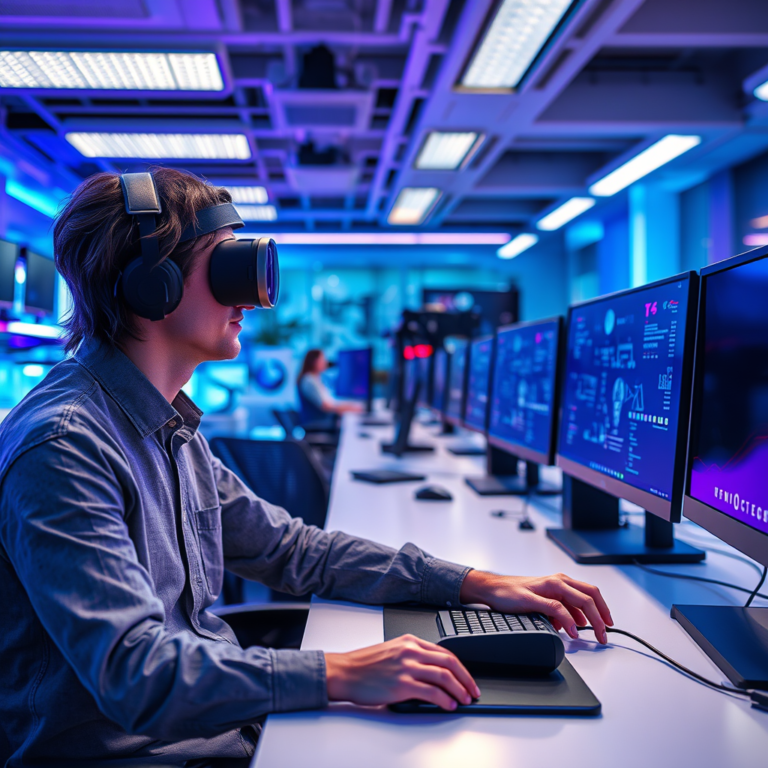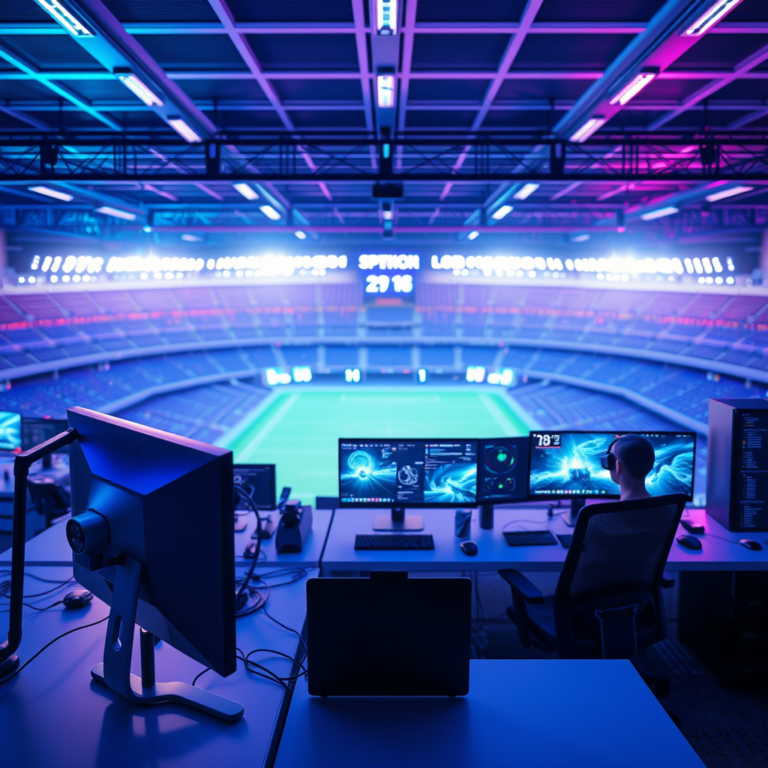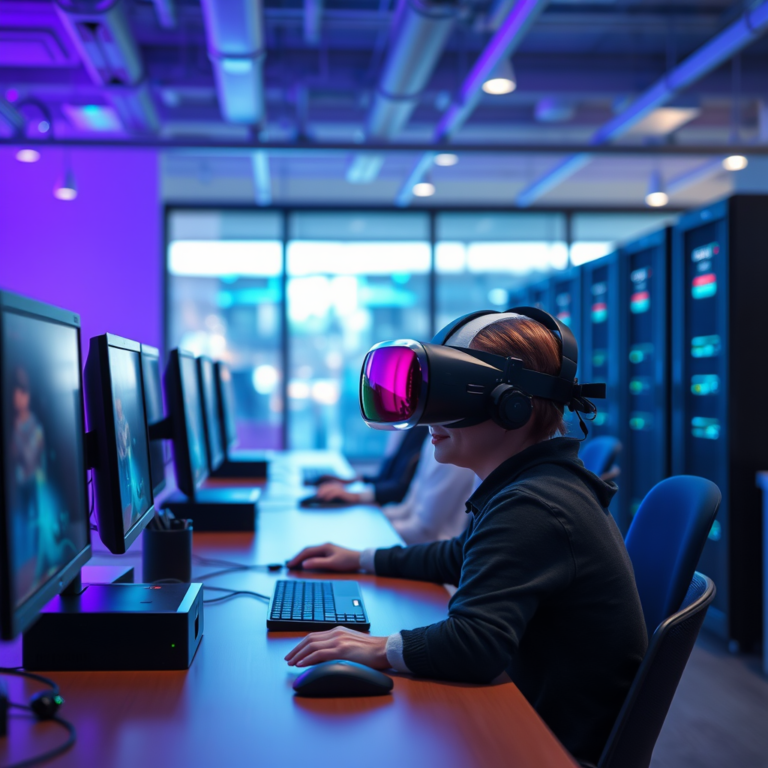

Virtual production is transforming the filmmaking landscape by merging real-world elements with digital environments, allowing creators to craft rich and immersive narratives more efficiently. This innovative approach not only streamlines the production process but also expands the creative horizons for filmmakers. In this article, we will delve into how virtual production is shaping the future of the industry, explore its myriad benefits, and examine the cutting-edge technologies that are driving this exciting transformation.
Understanding Virtual Production

Virtual production represents a groundbreaking shift in how filmmakers approach storytelling. At its core, virtual production combines real-time visual effects with live-action footage, allowing filmmakers to visualize and manipulate their scenes in real time. This integration of physical and digital spaces enables a more seamless and immersive experience for both the crew and the audience.
Key technologies that define virtual production include LED screens, motion capture, and game engine technology. LED screens, such as those used in the innovative “volume” setup, allow for realistic backgrounds to be projected in real-time, creating an engaging environment without the logistical challenges of traditional green screen setups. Motion capture technology captures the movements of actors and translates them into digital characters, further blending the lines between reality and virtuality. Game engine technology, like Unreal Engine, enhances this process by rendering high-quality visuals on-the-fly, making it possible to adjust lighting, textures, and even camera angles instantly.
Benefits of Virtual Production

One of the most significant advantages of virtual production is cost efficiency. By reducing the need for extensive location shoots and elaborate set builds, filmmakers can allocate their budgets more effectively. Instead of transporting crews and equipment to remote locations, a single studio can host multiple scenes with varying backdrops displayed on LED screens. This not only saves money but also significantly cuts down on time spent on set.
Creative flexibility is another major benefit. Filmmakers can visualize scenes in real-time and make quick adjustments on the fly, allowing for a more collaborative approach during production. Directors and cinematographers can experiment with various lighting conditions or camera angles instantly, fostering a more dynamic storytelling process. This adaptability is particularly valuable for visual effects-heavy productions, where the integration of CGI and live-action can be tested and refined during filming.
Case Studies: Successful Implementations
The success of virtual production can be highlighted through notable case studies that have set new standards in the industry. One of the most prominent examples is “The Mandalorian,” a groundbreaking series that has leveraged the power of LED volume technology to create stunning, immersive backgrounds. The series utilizes a massive semicircular LED wall that displays high-resolution digital environments, allowing actors to interact with their surroundings in a way that feels authentic and engaging. This innovative setup has not only streamlined production but also elevated the overall visual quality, making it a benchmark for future projects.
Another prime example is “Avatar 2,” which has taken virtual production techniques to new heights. Director James Cameron and his team have employed advanced virtual production methods to enhance visual storytelling, enabling them to create breathtaking underwater scenes that would have been nearly impossible to capture using traditional techniques. By embracing virtual production, these filmmakers have pushed the boundaries of creativity and visual effects, paving the way for future innovations in the industry.
Challenges in Adopting Virtual Production
While the benefits of virtual production are compelling, there are challenges that filmmakers must navigate in order to fully embrace this new technology. One significant hurdle is the initial investment required for setup. The cost of advanced equipment, such as high-quality LED screens and motion capture systems, can be substantial. Additionally, creating an effective virtual production environment often necessitates specialized studio spaces, which can add to the financial burden.
Moreover, there is a skill gap that needs addressing. As virtual production relies on cutting-edge technologies, there is a growing need for professionals who are trained in these new tools and methodologies. Filmmakers, technicians, and crew members must upskill to effectively utilize virtual production techniques, which can be daunting for those accustomed to traditional filmmaking practices. As the industry evolves, educational institutions and training programs will play a crucial role in bridging this gap.
The Future of Filmmaking with Virtual Production
Looking ahead, the integration of virtual production is expected to become increasingly prevalent across various genres and formats. As technology continues to advance, we can anticipate a rise in the use of virtual production techniques in everything from blockbuster films to independent projects. This democratization of technology will provide filmmakers of all backgrounds with the tools necessary to bring their creative visions to life.
Innovation will be at the forefront of this evolution. Continuous advancements in technology, such as improved LED displays, more sophisticated motion capture systems, and enhanced game engine capabilities, will further enhance the creative possibilities for filmmakers. As these tools become more accessible and affordable, we can expect a new wave of storytelling that pushes the boundaries of imagination and visual artistry.
Industry Perspectives
Insights from filmmakers and industry experts reveal a growing enthusiasm for how virtual production is changing the storytelling landscape. Many directors express excitement about the creative freedom virtual production offers, allowing them to experiment with concepts that were once deemed too risky or logistically challenging. The ability to visualize and adjust scenes in real-time fosters a collaborative environment that empowers the entire creative team.
Emerging trends indicate that virtual production is not just a passing fad but a fundamental shift in how films are made. As more filmmakers adopt these techniques, we can expect to see a richer diversity of stories and styles, as well as increased opportunities for innovation in visual effects and cinematography. Predictions suggest that the next generation of filmmakers will be well-versed in virtual production, utilizing these tools to craft compelling narratives that resonate with audiences.
The integration of virtual production in filmmaking is set to redefine how stories are told, making the process more innovative and accessible. As filmmakers adapt to these new technologies, audiences can expect richer visual experiences that push the boundaries of creativity. Embrace this shift and explore how virtual production can elevate your next project, as the future of filmmaking unfolds before our eyes.
Frequently Asked Questions
What is virtual production and how does it impact filmmaking?
Virtual production combines live-action footage with real-time computer-generated imagery (CGI) to create immersive environments that enhance storytelling in filmmaking. This innovative approach allows filmmakers to visualize scenes in real-time, facilitating immediate adjustments to lighting, backgrounds, and special effects. By integrating technologies like LED screens and game engines, virtual production significantly reduces the need for on-location shoots and enhances creative flexibility.
How does virtual production compare to traditional filmmaking techniques?
Unlike traditional filmmaking, where sets and locations limit filming capabilities, virtual production offers limitless creative possibilities by using digital environments. This method streamlines the production process, allowing for quicker adjustments and iterations, ultimately saving time and costs. Additionally, it enhances collaboration among teams by enabling instant visualization of scenes, which can improve decision-making and artistic direction.
Why is virtual production becoming popular in the film industry?
The rising popularity of virtual production in the film industry stems from its ability to streamline workflows and reduce costs associated with location shooting and set construction. As filmmakers seek to create visually stunning content efficiently, this technology offers a sustainable solution that minimizes environmental impact while maximizing creativity. Additionally, the COVID-19 pandemic accelerated the adoption of virtual production techniques, as many studios aimed to maintain safety protocols while continuing to produce high-quality films.
What are the best practices for implementing virtual production in a film project?
To successfully implement virtual production in a film project, start by investing in high-quality equipment such as LED walls, cameras with tracking capabilities, and powerful rendering software. Collaborate closely with the visual effects and art departments during pre-production to design digital environments that align with the narrative. Finally, conduct thorough testing and rehearsals to ensure all technical aspects work seamlessly together, which will enhance the overall production quality and storytelling experience.
Which films have successfully utilized virtual production techniques?
Some notable films that have successfully utilized virtual production techniques include “The Mandalorian,” which revolutionized the use of LED volume technology to create expansive, immersive worlds. Other films, like “Avatar: The Way of Water,” have also incorporated virtual production methods to enhance visual storytelling. These projects showcase how virtual production can create stunning visuals while optimizing the production process, setting new standards for future filmmaking endeavors.
References
- https://en.wikipedia.org/wiki/Virtual_production
- https://www.bbc.com/news/technology-58220349
- https://www.theguardian.com/film/2021/apr/19/how-virtual-production-is-changing-the-future-of-film
- https://www.nytimes.com/2021/03/25/movies/mandalorian-virtual-production.html
- https://www.sciencedirect.com/science/article/pii/S1877050921002146
- https://www.wired.com/story/virtual-production-movies/
- https://www.technologyreview.com/2021/08/02/1030055/virtual-production-hollywood/
- https://www.npr.org/2021/04/15/987403603/virtual-production-is-revolutionizing-how-movies-are-made
- https://www.theverge.com/2020/12/10/22170163/the-mandalorian-virtual-production-technology-explained