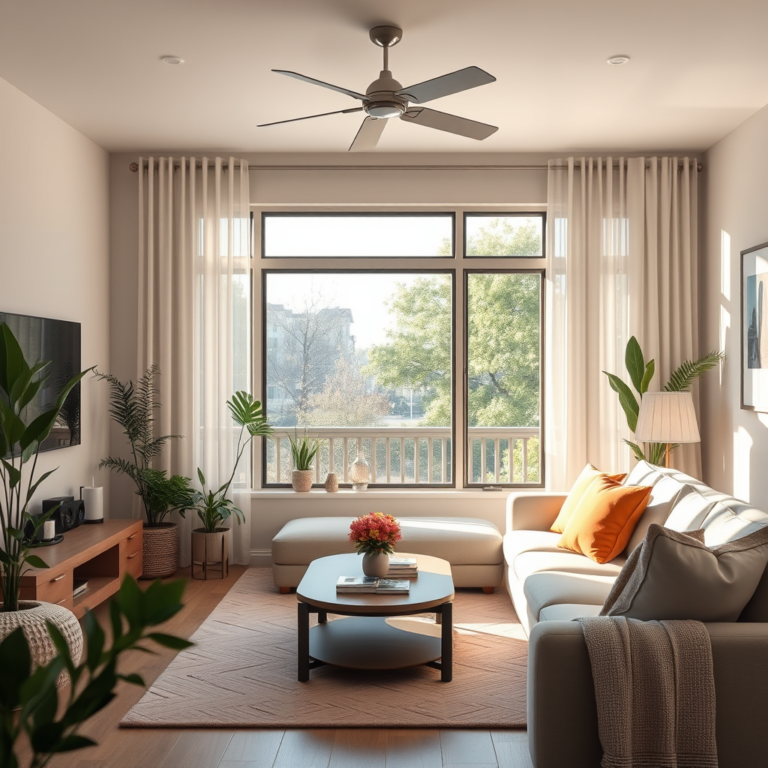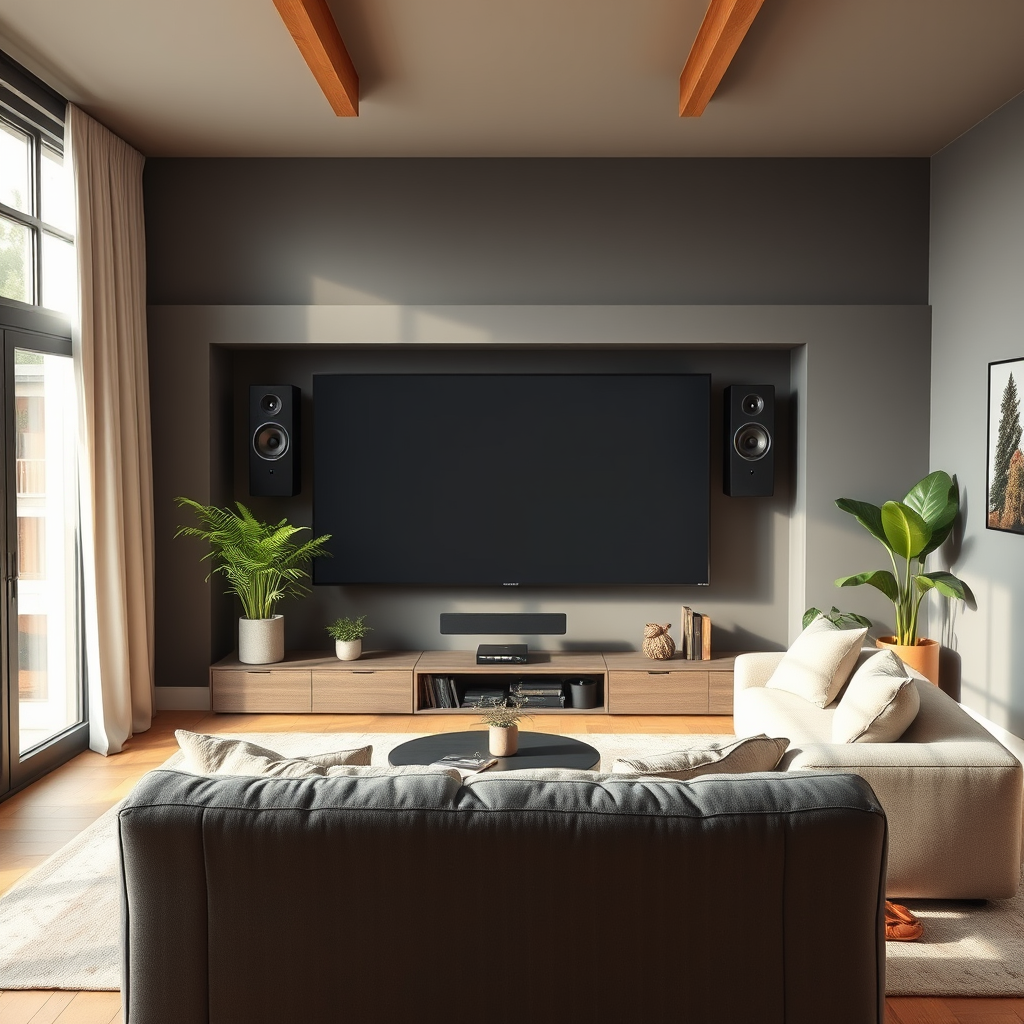

Enhancing bass in your home theater audio setup is crucial for an immersive viewing experience. To achieve deep, powerful bass, consider optimizing speaker placement, adjusting settings, and choosing the right equipment. In this article, you’ll discover actionable tips to elevate your home theater’s audio performance, ensuring that thunderous explosions and subtle musical notes resonate with clarity and depth.
Speaker Placement Strategies
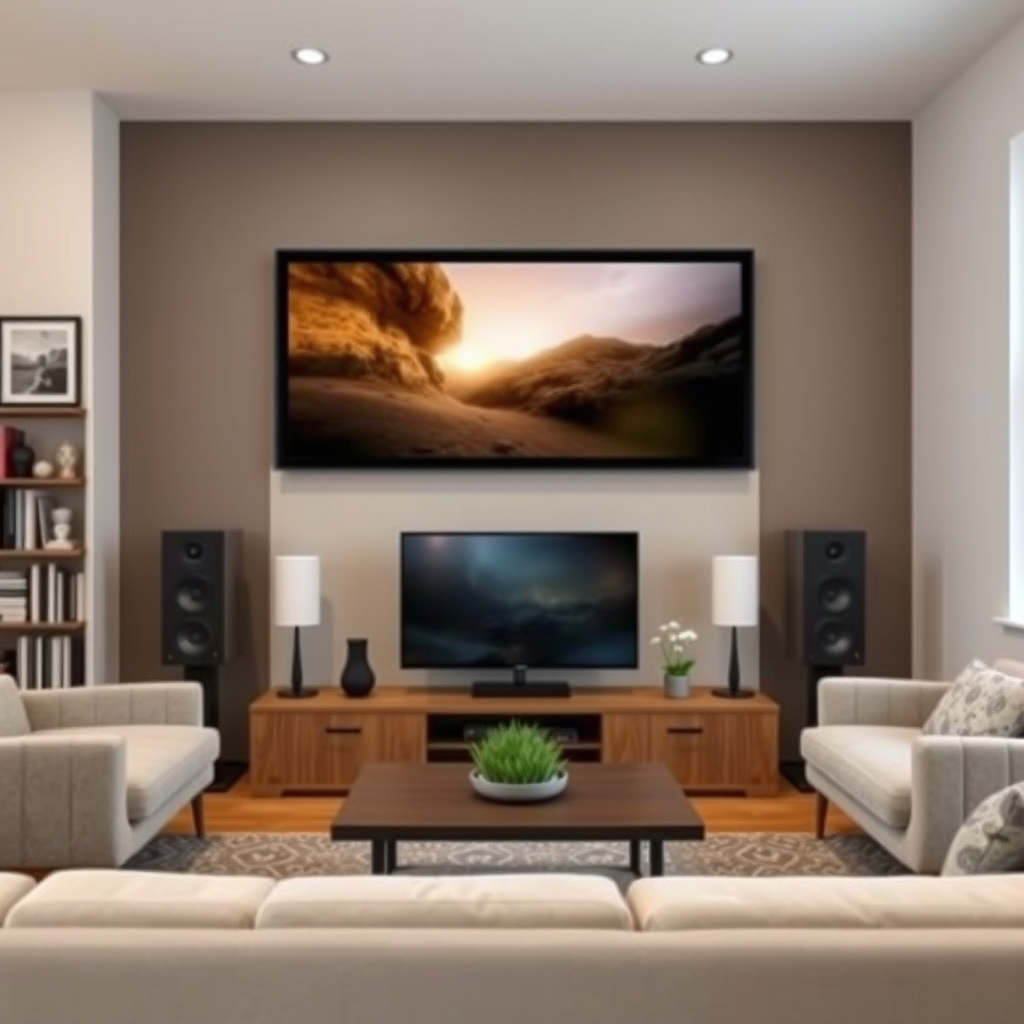
One of the most impactful ways to enhance bass in your home theater is through strategic speaker placement. Subwoofers, which are essential for delivering low-frequency sounds, can greatly benefit from being positioned correctly within the room.
– Position Subwoofers in Corners or Along Walls: Placing subwoofers in corners can amplify bass by taking advantage of room acoustics. When subwoofers are situated in corners, they benefit from the boundary reinforcement effect, which enhances low-frequency output. If corners aren’t an option, placing them along walls can also help, as it allows the sound waves to reflect off surfaces, further enriching the bass response.
– Experiment with the “Subwoofer Crawl” Technique: To find the optimal location for your subwoofer, try the “subwoofer crawl.” This involves temporarily placing the subwoofer at your main listening position and playing a bass-heavy track. Then, walk around the room to identify where the bass sounds most powerful and clear. Once you find that spot, move your subwoofer there for improved performance.
Room Acoustics and Treatment
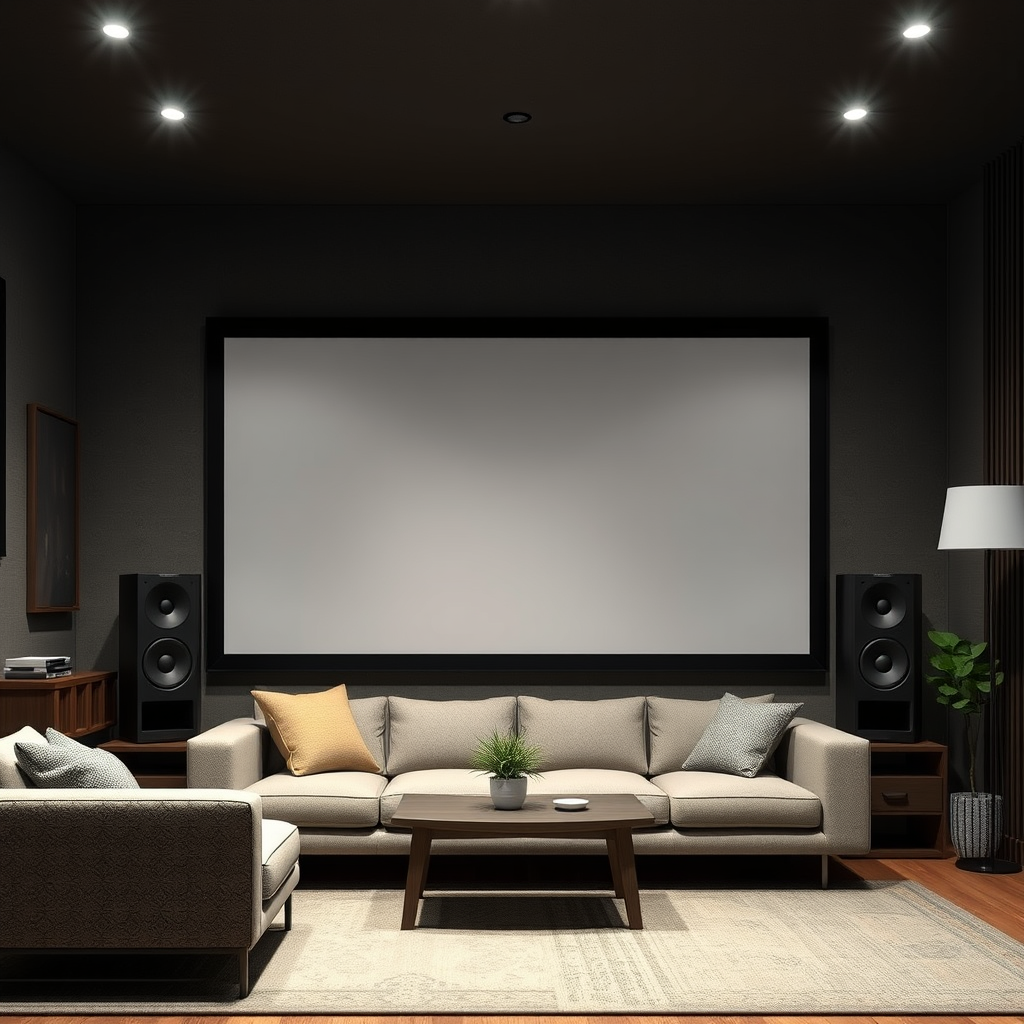
Room acoustics play a significant role in how sound is perceived, particularly regarding bass frequencies. Poor acoustics can lead to muddiness or boominess, detracting from your listening experience.
– Use Acoustic Panels or Bass Traps: Acoustic panels can help minimize sound reflections that interfere with bass clarity. Bass traps, specifically designed to absorb low frequencies, can be strategically placed in corners where bass tends to accumulate. This treatment not only enhances the bass response but also improves the overall sound quality of your home theater.
– Incorporate Rugs or Curtains: Adding rugs, curtains, or other soft furnishings can absorb sound, reducing echo and improving acoustics. Hard surfaces reflect sound, which can disrupt the clarity of bass. By softening these surfaces, you can create a more controlled acoustic environment that enhances overall audio performance.
Equipment Selection and Upgrades
The right equipment is fundamental to achieving superior bass in your audio setup. Investing in quality gear can make a noticeable difference in sound performance.
– Invest in a High-Quality Subwoofer: A subwoofer that matches your home theater system’s specifications is essential. Look for subwoofers with a larger driver size (10 inches or more) and higher power ratings to ensure they can produce deep, powerful bass without distortion. Brands like SVS, Klipsch, and REL are known for their exceptional subwoofers that deliver impressive performance.
– Upgrade to an AV Receiver with Advanced Bass Management Features: An AV receiver with advanced bass management can greatly enhance your audio experience. Look for features such as digital signal processing (DSP) and customizable crossover settings that allow you to fine-tune the bass output to match your speakers and room characteristics.
Top 7 Subwoofer Brands for Home Theater Systems (2024)
| # | Brand | Driver Size | Power Output | Price Range |
|---|---|---|---|---|
| 1 | SVS | 12″ | 1000W | $800 – $1,500 |
| 2 | Klipsch | 10″ | 300W | $500 – $1,200 |
| 3 | REL | 12″ | 500W | $700 – $1,300 |
| 4 | Yamaha | 10″ | 400W | $400 – $1,000 |
| 5 | Bowers & Wilkins | 10″ | 250W | $1,000 – $2,000 |
| 6 | Polk Audio | 12″ | 300W | $250 – $600 |
| 7 | JBL | 10″ | 300W | $400 – $800 |
Fine-Tuning Audio Settings
Once you have selected the right equipment and positioned it correctly, fine-tuning your audio settings is essential for optimizing bass performance.
– Adjust Crossover Settings: The crossover setting determines which frequencies are sent to the subwoofer versus the main speakers. Typically, setting the crossover frequency between 80 Hz and 120 Hz is recommended for most home theater systems, but this can vary based on your specific speakers and room acoustics. A correctly set crossover allows for a seamless blend of sound between your speakers and subwoofer.
– Utilize Room EQ Settings: Many modern receivers come equipped with room equalization features that can automatically adjust the audio output based on the acoustics of your space. These systems analyze sound from various positions in your room and make adjustments to ensure that bass frequencies are both powerful and clear, providing a more balanced audio experience.
Testing and Calibration
Regular testing and calibration of your audio system are crucial to maintaining optimal performance, especially as the room environment or equipment changes.
– Use Sound Measurement Tools and Apps: Tools like the AudioTools app or a dedicated SPL meter can help you analyze your room’s acoustics and determine how bass frequencies are performing. This data can guide you in making necessary adjustments to speaker placement, settings, or room treatments.
– Regularly Recalibrate Your Audio System: As your room’s layout or furnishings change, it can impact sound quality. Regularly recalibrating your audio system ensures that you adapt to these changes, maintaining the best possible listening experience.
Low-Frequency Response Comparison of Major Subwoofer Brands
Experimenting with Sound Formats
Modern home theater systems support a variety of audio formats that can enhance your listening experience.
– Explore Different Audio Formats: Formats such as Dolby Atmos or DTS:X offer immersive audio experiences that take full advantage of your sound system’s capabilities. These formats provide a three-dimensional sound environment, allowing for more nuanced bass and sound placement that enhances the cinematic experience.
– Try Different Equalizer Settings: Most receivers come with built-in equalizers that allow you to adjust the frequency response to your liking. Experiment with different settings to find the bass response that best suits your preferences and room characteristics. Some may prefer a flat response for accuracy, while others might opt for a boosted bass profile for a more impactful experience.
Maintenance and Regular Checks
Maintaining your home theater system is key to ensuring consistent performance over time.
– Periodically Check All Connections and Cables: Loose or damaged cables can hinder sound quality significantly. Ensure that all connections are secure and that cables are in good condition. Consider using high-quality cables to minimize signal loss.
– Keep Your Audio Equipment Clean and Dust-Free: Dust accumulation can affect the performance of your audio equipment. Regularly clean your devices and ensure they are well-ventilated to prevent overheating, which can degrade audio quality over time.
By applying these tips, you can significantly enhance the bass response in your home theater audio setup, leading to a more enjoyable and immersive experience. Don’t hesitate to experiment with different configurations and settings to find what works best for your space and preferences. A well-optimized audio setup not only enriches your movie-watching experience but also enhances the enjoyment of music and other media, elevating your overall entertainment at home.
Frequently Asked Questions
What are the best speaker placement tips for enhancing bass in my home theater audio setup?
To enhance bass in your home theater audio setup, place your subwoofer in a corner of the room or along a wall to maximize sound wave reflection. Additionally, experiment with the “subwoofer crawl” method, where you move the subwoofer around the room while listening for the best bass response, and then position it accordingly.
How can I optimize my room acoustics for better bass performance?
Optimizing room acoustics for better bass requires managing sound reflections and absorption. Use acoustic panels, bass traps, and rugs to absorb excessive sound waves, while ensuring that furniture and decor are strategically placed to avoid creating dead spots or excessive echoes that can muddy the bass response.
Why is my subwoofer not producing enough bass in my home theater?
If your subwoofer is not producing enough bass, it could be due to incorrect phase settings, inadequate power, or improper placement. Check the phase switch on the subwoofer, ensure it’s properly calibrated with your receiver settings, and consider relocating it to a more effective position in the room for optimal bass output.
What is the best method to calibrate my home theater system for enhanced bass?
The best method to calibrate your home theater system for enhanced bass is to use an audio/video receiver with an automatic calibration feature, such as Audyssey or YPAO. These systems analyze your room’s acoustics and adjust the speaker levels, crossover settings, and distances to ensure a balanced sound, particularly enhancing the bass response.
Which types of subwoofers are most effective for deep bass in home theater systems?
For deep bass in home theater systems, ported or sealed subwoofers are among the most effective options. Ported subwoofers tend to produce louder and deeper bass due to their design, while sealed subwoofers offer tight and accurate bass response, making them ideal for smaller rooms or critical listening environments.
References
- https://www.audioholics.com/home-theater-education/home-theater-bass-management
https://www.audioholics.com/home-theater-education/home-theater-bass-management - https://www.lifewire.com/best-ways-to-improve-home-theater-bass-3134515
https://www.lifewire.com/best-ways-to-improve-home-theater-bass-3134515 - https://www.crutchfield.com/S-6u6F0H2dJzC/learn/how-to-improve-bass-in-your-home-theater.html
https://www.crutchfield.com/S-6u6F0H2dJzC/learn/how-to-improve-bass-in-your-home-theater.html - Home cinema
https://en.wikipedia.org/wiki/Home_theater - Google Scholar Google Scholar
https://scholar.google.com/scholar?q=Tips+for+Enhancing+Bass+in+Home+Theater+Audio+Setup - Google Scholar Google Scholar
https://scholar.google.com/scholar?q=Home+Theater+Bass+Management - Google Scholar Google Scholar
https://scholar.google.com/scholar?q=Improving+Bass+Response+in+Home+Audio - Google Scholar Google Scholar
https://scholar.google.com/scholar?q=Tips+for+Enhancing+Bass+in+Your+Home+Theater+Audio+Setup - Tips for Enhancing Bass in Your Home Theater Audio Setup – Search results
https://en.wikipedia.org/wiki/Special:Search?search=Tips+for+Enhancing+Bass+in+Your+Home+Theater+Audio+Setup - https://www.ncbi.nlm.nih.gov/search/research-articles/?term=Tips+for+Enhancing+Bass+in+Your+Home+Theater+Audio+Setup
https://www.ncbi.nlm.nih.gov/search/research-articles/?term=Tips+for+Enhancing+Bass+in+Your+Home+Theater+Audio+Setup