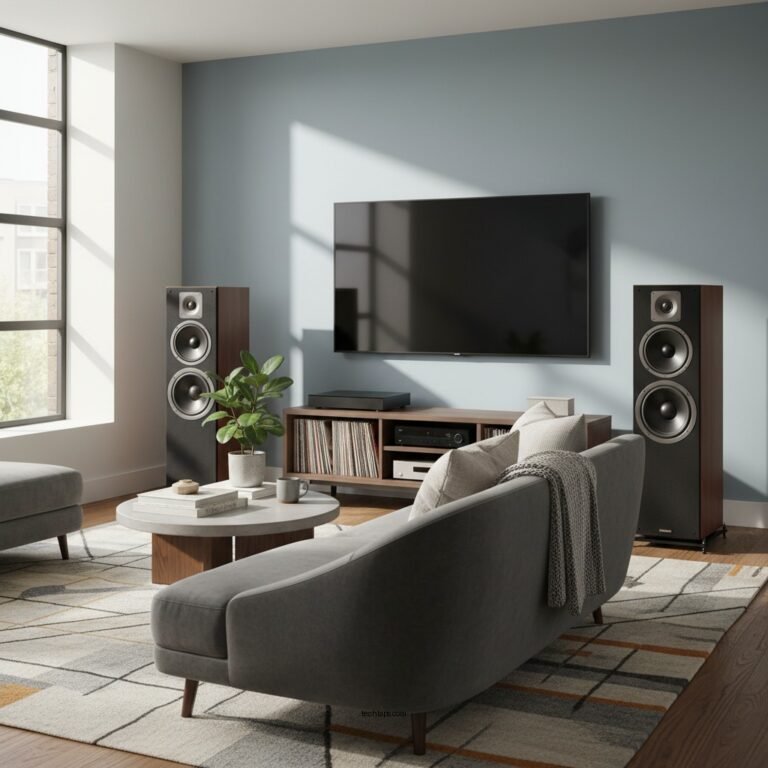

To prevent your sound system from overheating, ensure proper ventilation, monitor usage, and keep it clean. By implementing these strategies, you can maintain optimal operating temperatures and extend the lifespan of your equipment. In this article, we’ll delve into effective tips that will help you enjoy your audio experience without worrying about overheating issues.
Ensure Proper Ventilation

One of the most crucial steps in preventing overheating is ensuring proper ventilation for your sound system components. Positioning your speakers and equipment in well-ventilated areas allows heat to dissipate effectively. This means avoiding cramped spaces like cabinets or shelves that can trap heat. Instead, think about open shelves or dedicated audio racks where airflow can circulate freely around each component.
For instance, if you have a receiver or amplifier, make sure there’s at least a few inches of space on all sides. Many devices come with built-in fans, but if they can’t get the airflow they need, they’ll struggle to keep cool. It’s also wise to avoid stacking components directly on top of each other, as this can create a heat trap. If you’re setting up your sound system in a closed cabinet, consider leaving the doors open while in use or adding cooling fans specifically designed for audio equipment.
Monitor Usage and Load
Monitoring your system’s usage and load is equally vital to preventing overheating. Be mindful of the volume levels; cranking your system to maximum for extended periods can lead to excess heat generation. Try to keep volume levels at a moderate range, especially during prolonged listening sessions. If you often find yourself pushing your system to its limits, consider investing in a more powerful amplifier that can handle your sound preferences without strain.
Using a sound meter can be an effective way to gauge sound pressure levels. These handy devices measure decibel levels, helping you find the sweet spot between volume and heat production. By keeping an eye on how loud you’re playing your music, you can avoid unnecessary stress on your equipment and ensure a longer life for your sound system.
Regular Maintenance and Cleaning
Regular maintenance and cleaning are essential for ensuring optimal performance and preventing overheating in your sound system. Dust and debris can accumulate in vents and on components, restricting airflow and causing your equipment to overheat. Make it a habit to clean your sound system every few months. Use a soft, dry cloth to wipe down surfaces and a vacuum with a brush attachment to gently remove dust from vents and speakers.
In addition to your DIY cleaning, it’s wise to schedule periodic check-ups by professionals. They can inspect all parts, including wiring and connections, ensuring everything is functioning properly. This proactive approach not only keeps your equipment clean but can also help identify potential issues before they become serious problems.
Use Quality Equipment
When it comes to preventing overheating, the quality of your equipment matters. Investing in high-quality cables and components can make a significant difference. Cheaper cables may not handle the required power efficiently, leading to overheating and signal loss. Look for audio cables that are thick, well-insulated, and designed for high performance.
Furthermore, consider amplifiers that come with built-in thermal protection features. These amplifiers can automatically reduce output power or shut down when they detect overheating, thus protecting your equipment from damage. By choosing quality products, you can ensure that your sound system operates smoothly and efficiently, reducing the risk of overheating.
Consider Environmental Factors
Environmental factors play a significant role in how your sound system performs. Try to keep your equipment away from direct sunlight or other heat sources, such as radiators or heaters, which could elevate the ambient temperature around your sound system. Excessive heat can lead to system failure, so choosing the right location is crucial.
In particularly hot environments, using air conditioning or fans can help maintain a cooler room temperature. Many audiophiles overlook this aspect, but it’s just as important as the equipment itself. A cool environment can significantly prolong the lifespan of your components and improve their overall performance.
Invest in Cooling Solutions
If you’re serious about protecting your sound system from overheating, consider investing in additional cooling solutions. Cooling fans designed specifically for audio equipment can help manage heat levels, especially for amplifiers and receivers that tend to run hot. These fans can be placed strategically around your setup to ensure adequate airflow.
For those with extensive audio setups housed in racks, look into rack-mounted cooling systems. These solutions are designed to fit seamlessly within your existing configuration and can be incredibly effective in maintaining a stable temperature across all components. By incorporating these cooling solutions, you can enjoy your sound system without the anxiety of overheating.
Monitor for Signs of Overheating
Finally, it’s essential to monitor for signs of overheating in your sound system. Familiarize yourself with common indicators such as distortion in sound quality, unexpected automatic shutdowns, or unusual smells emanating from your equipment. If you notice any of these signs, it’s crucial to take action immediately.
Regularly check the performance of your system. If you notice any changes, it could be a sign that something is amiss. Addressing these symptoms early on can prevent more significant issues down the road and ensure your sound system continues to deliver exceptional audio quality for years to come.
By following these tips, you can significantly reduce the risk of overheating in your sound system, ensuring better performance and longevity. Make it a habit to perform regular checks and adjustments to keep your equipment in top shape. Don’t wait for issues to arise; take proactive steps today to safeguard your audio experience!
Frequently Asked Questions
What are the main causes of sound system overheating?
Sound system overheating can be caused by several factors, including poor ventilation, excessive power usage, and faulty components. When audio equipment is placed in a confined space without adequate airflow, heat builds up quickly. Additionally, using speakers or amplifiers that exceed their recommended power ratings can lead to overheating, as can malfunctioning components that may not dissipate heat effectively.
How can I improve ventilation for my sound system to prevent overheating?
To enhance ventilation for your sound system, ensure that all components are placed in an open area with at least a few inches of space around them for air circulation. You can also use cooling fans specifically designed for audio equipment, or place your system in a well-ventilated rack. Regularly cleaning dust and debris from vents and fans will further improve airflow and prevent overheating.
Why is it important to monitor the temperature of my sound system?
Monitoring the temperature of your sound system is crucial because excessive heat can lead to component failure, reduced audio quality, and even permanent damage. By keeping an eye on the temperature, you can take proactive measures to cool your system before it overheats, ensuring longevity and optimal performance. Regular checks can also help identify potential issues with your setup early on.
What are the best practices to follow when setting up a sound system to avoid overheating?
To prevent overheating in your sound system setup, follow best practices such as placing components on a sturdy, well-ventilated surface and avoiding direct sunlight or heat sources. Ensure that you’re using components that are properly rated for your needs, and avoid cranking the volume to maximum levels for extended periods. Additionally, consider investing in temperature monitoring devices that can alert you if your equipment is getting too hot.
Which types of sound system components are most susceptible to overheating?
Amplifiers and receivers are typically the most susceptible to overheating due to their high power output and energy consumption. Additionally, subwoofers can generate significant heat when producing low-frequency sounds at high volumes. It’s important to ensure these components are adequately ventilated and not overly taxed to maintain optimal performance and prevent overheating issues.
References
- Sound system
- https://www.sciencedirect.com/science/article/pii/S0306457314000428
- https://www.nytimes.com/2020/12/01/technology/speaker-overheating.html
- https://www.asa.org.au/technical-resources/technical-notes/overheating-in-audio-gear.html
- https://www.understandingaudio.com/articles/preventing-overheating-in-audio-systems
- https://www.iaru.org/education/overheating-of-electronic-devices.html
- https://www.nasa.gov/mission_pages/tdm/technical/thermal_overheating.html