

When comparing tube amps and solid-state amps, the choice largely hinges on your sound preference and usage scenario. Tube amps are often favored for their warm, rich tone and dynamic response, while solid-state amps are celebrated for their reliability and versatility. Understanding these fundamental differences can help you make an informed decision that aligns with your musical style and needs. In this article, we’ll explore the key differences, advantages, and disadvantages of each type to assist you in finding the perfect amplifier for your sound.
Understanding Tube Amps
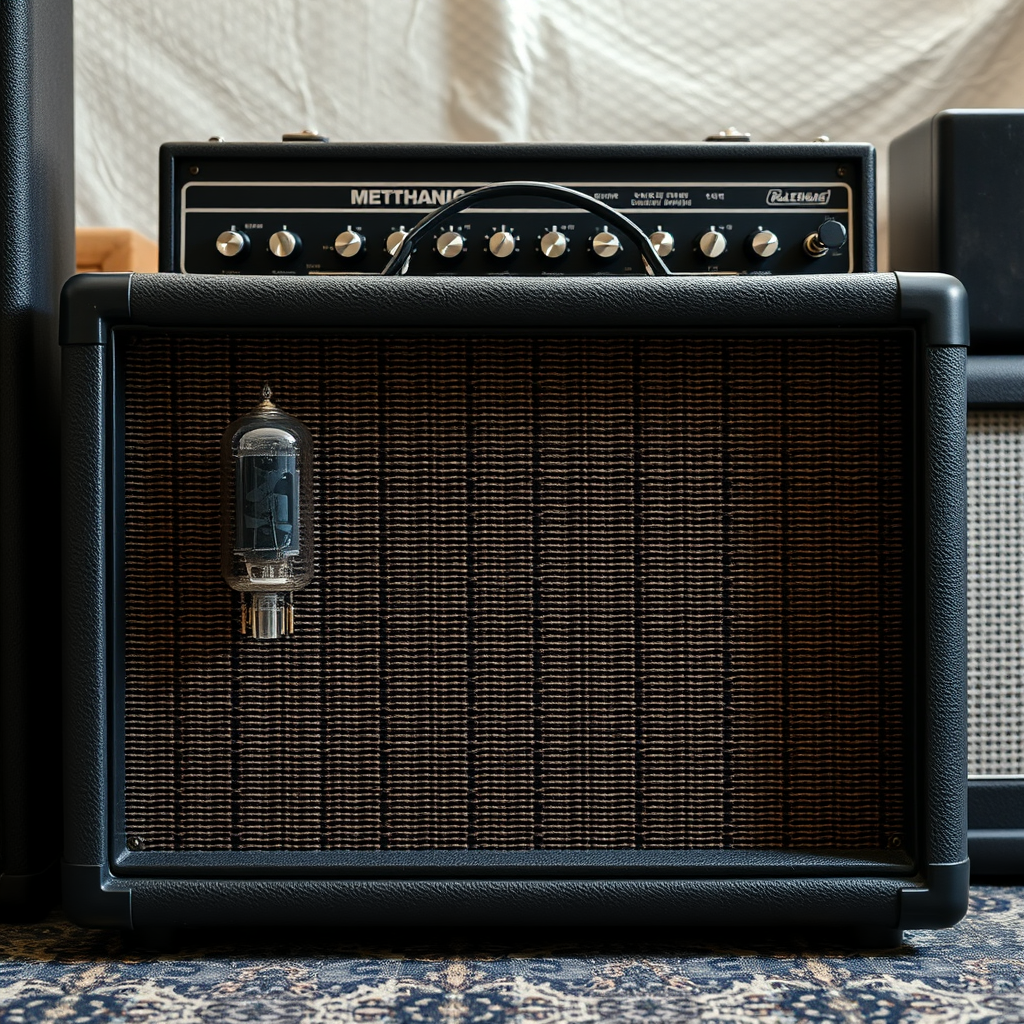
Tube amps, also known as valve amplifiers, utilize vacuum tubes to amplify sound. This technology has been around for decades and is renowned for producing a warm, harmonically rich tone that many musicians find irresistible. The characteristic sound of tube amps is often described as being “alive” due to the natural compression and saturation that occurs as the amp is driven harder. This makes tube amps particularly appealing for genres like rock, blues, and jazz, where warmth and character are essential.
Consider the iconic Marshall JCM800 or the Fender Deluxe Reverb—these amps have become staples in studios and on stages around the world. Tube amps are often seen as the go-to choice for recording, as they can capture the nuances of a player’s style, making them ideal for expressive solos and dynamic performances. However, they do require some maintenance, as the vacuum tubes can wear out and need replacement, adding an extra layer of care for the performer.
Exploring Solid-State Amps
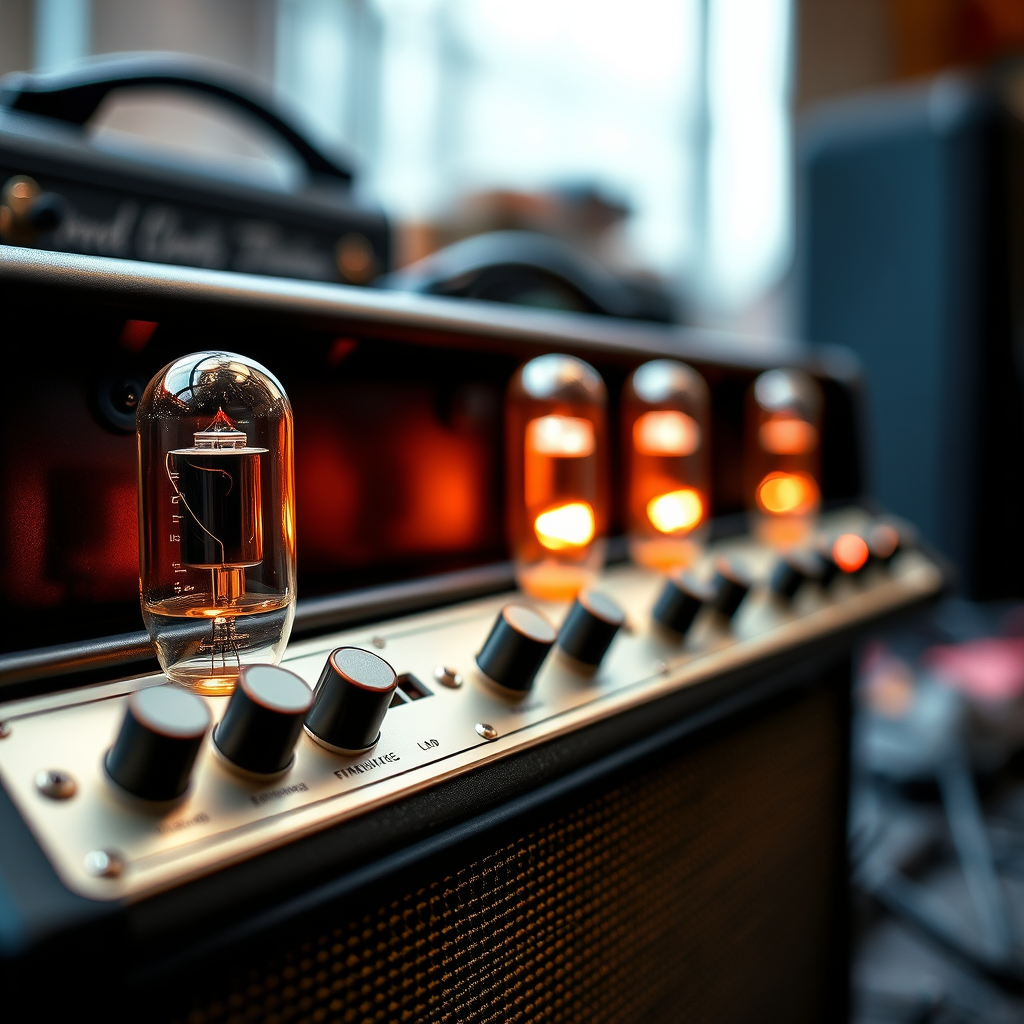
On the other hand, solid-state amps use transistors and digital circuits to produce sound, resulting in a clean and consistent output. One of the most significant advantages of solid-state amps is their durability—these amplifiers can withstand the rigors of travel and live performances much better than their tube counterparts. Brands like Roland and Peavey have built robust reputations on solid-state technology, providing musicians with reliable gear that can perform night after night without a hitch.
Additionally, solid-state amps typically require less maintenance, making them a practical choice for gigging musicians who need to focus on their performance rather than their equipment. They often come with built-in effects and versatile settings, allowing for a wide range of tones and sounds. For example, the Fender Mustang series offers various amp models in one, catering to different styles, making them perfect for practice sessions or rehearsals.
Sound Quality Comparison
When it comes to sound quality, tube amps produce a natural compression and dynamic response, which means they react differently to a player’s touch. This responsiveness allows for a more expressive playing experience, as slight variations in playing style can significantly alter the sound. Many musicians appreciate the character that tube amps add to their tone, especially when it comes to overdriven or distorted sounds.
Conversely, solid-state amps offer a more sterile sound, which can be beneficial in certain scenarios. They excel in providing clean tones and can handle high-gain settings without the same level of distortion as tube amps. This makes them a favorite for genres that require clarity, such as metal and pop. However, players seeking a more organic sound may find solid-state amps lacking in warmth and character compared to their tube counterparts.
Portability and Maintenance
Portability is another crucial factor to consider when choosing between tube and solid-state amps. Tube amps are generally heavier and more fragile due to their glass components, which means they require careful handling. Musicians who frequently travel for gigs might find the weight and fragility of tube amps cumbersome, especially if they have to load and unload equipment regularly.
In contrast, solid-state amps are lightweight and built to endure the challenges of touring. Their durable construction and resistance to temperature fluctuations make them a reliable choice for performers on the go. If you’re someone who often finds yourself moving gear in and out of venues, a solid-state amp could save you from the hassle of dealing with fragile equipment.
Cost Considerations
Cost is often a deciding factor for many musicians, and there are significant differences between tube and solid-state amps in this regard. Tube amps tend to be more expensive, primarily due to the cost of tubes and the craftsmanship involved in their construction. A quality tube amp can set you back several hundred to thousands of dollars, making them a substantial investment for serious musicians.
On the other hand, solid-state amps are usually more budget-friendly, providing a wide range of options for beginners and seasoned players alike. For instance, you can find solid-state amps starting at under $200, making them accessible for those just starting their musical journey. This affordability doesn’t necessarily mean a compromise in quality; many solid-state amps offer impressive sound and features at competitive prices.
Ideal Use Cases
So, when should you choose a tube amp over a solid-state amp, or vice versa? Tube amps shine in studio recordings and live performances where sound quality is paramount. Their rich tonal character and dynamic response can elevate a performance, especially in genres that benefit from warmth and expressiveness. If you’re a musician looking to create lush tones and intricate soundscapes, a tube amp may be your best bet.
In contrast, solid-state amps excel in practice settings, rehearsals, and situations where reliability and convenience are essential. They’re perfect for beginners who need a dependable amp to hone their skills without the worry of maintenance or fragility. If you frequently gig or play in various environments, a solid-state amp could be the practical choice that fits your lifestyle.
Personal Preference and Style
Ultimately, the choice between tube and solid-state amps comes down to personal preference, playing style, and the specific sound you’re aiming for. Each type of amplifier has its unique characteristics that cater to different musical needs. If you’re unsure which one is right for you, consider visiting a local music store to test both types. Playing through different amps can provide valuable insight and help clarify your preferences based on your sound and style.
Don’t be afraid to ask for recommendations or advice from knowledgeable staff—they can guide you toward options that suit your needs. Remember, the best amp is one that resonates with your personal taste and complements your musical expression.
In summary, both tube and solid-state amps have their unique advantages and disadvantages, making them suitable for different players and situations. Tube amps offer warmth and character, perfect for studio recordings and expressive performances, while solid-state amps provide reliability and affordability, ideal for beginners and gigging musicians. Consider your musical style, budget, and performance needs when making your choice. If you’re still uncertain, take the time to test both types before making a purchase, and find the amp that feels right for you. Happy playing!
Frequently Asked Questions
What are the main differences between tube amps and solid-state amps?
Tube amps use vacuum tubes to amplify audio signals, which often produce a warm, rich sound favored by many musicians. In contrast, solid-state amps utilize transistors, resulting in a cleaner, more reliable sound with less distortion at high volumes. The choice between the two often boils down to personal preference regarding sound quality, reliability, and maintenance needs.
Why do musicians prefer tube amps over solid-state amps?
Many musicians prefer tube amps due to their unique tonal characteristics, often described as warmer and more dynamic. Tube amps tend to produce a natural compression and harmonic distortion when pushed to their limits, adding character to the sound that is highly sought after, especially in genres like rock and blues. Additionally, the aesthetic and nostalgia associated with tube technology can also influence a musician’s choice.
How do maintenance and durability compare between tube amps and solid-state amps?
Tube amps generally require more maintenance than solid-state amps due to the need for replacing tubes periodically and ensuring proper biasing. They are also more sensitive to physical shocks and environmental conditions. Conversely, solid-state amps are known for their durability, as they are less likely to break down and can withstand harsher conditions, making them a practical choice for gigging musicians.
Which type of amp is better for beginners: tube amps or solid-state amps?
For beginners, solid-state amps are often recommended due to their affordability, lightweight design, and minimal maintenance requirements. They typically offer a wide range of built-in features like effects and multiple channels, making them versatile for practice and performance. However, if a beginner is primarily focused on achieving a specific tonal quality, they may eventually gravitate towards tube amps as their skills develop.
What should I consider when choosing between a tube amp and a solid-state amp for live performances?
When choosing an amp for live performances, consider factors such as sound quality, volume level, and reliability. Tube amps excel in producing rich tones and dynamic sound but can be heavy and fragile, while solid-state amps offer consistent performance and are often lighter, making them easier to transport. Additionally, evaluate your genre of music, the venues you’ll be playing at, and the type of sound you wish to achieve to make the best choice for your needs.
References
- Valve amplifier
- Guitar amplifier
- https://www.soundonsound.com/techniques/tube-vs-solid-state-amplifiers
- https://www.guitarworld.com/lessons/tube-vs-solid-state-amplifiers-what-you-need-know
- https://www.rollingstone.com/music/music-news/tube-vs-solid-state-amps-123456789/
- https://www.thegearpage.net/board/index.php?threads/tube-vs-solid-state.1986744/
- https://www.audioholics.com/audio-video-reviews/tube-vs-solid-state-amplifiers
- https://www.technologyreview.com/2020/10/19/1010958/tube-amplifiers-vs-solid-state/
- Technology – Mixonline