
Understanding speaker impedance and Ohms is crucial for optimizing audio performance, as it affects how speakers interact with amplifiers. In simple terms, speaker impedance is a measure of resistance that determines how much electrical current a speaker can draw from an amplifier, typically expressed in Ohms. This article will guide you through the basics of speaker impedance, its implications for sound quality, and how to choose the right speakers for your audio system.
What is Speaker Impedance?

Speaker impedance is measured in Ohms, indicating the resistance a speaker offers to the current. It’s a fundamental concept in audio systems, as it influences how efficiently an amplifier can drive a speaker. Common impedance ratings for speakers include 4, 6, and 8 Ohms. Generally, 8 Ohm speakers are the most common, often used in home audio systems. A 4 Ohm speaker, while capable of drawing more power, may demand a more robust amplifier to handle the increased current without overheating. Understanding these ratings helps in making informed decisions about equipment compatibility and performance.
Consider this: if you’re setting up a home theater system with a receiver rated for 8 Ohm speakers, using a 4 Ohm speaker could potentially put excessive strain on the amplifier, leading to distortion or even damage. Therefore, knowing the impedance of your speakers is essential for ensuring a harmonious relationship between your audio components.
The Role of Ohms in Audio Systems
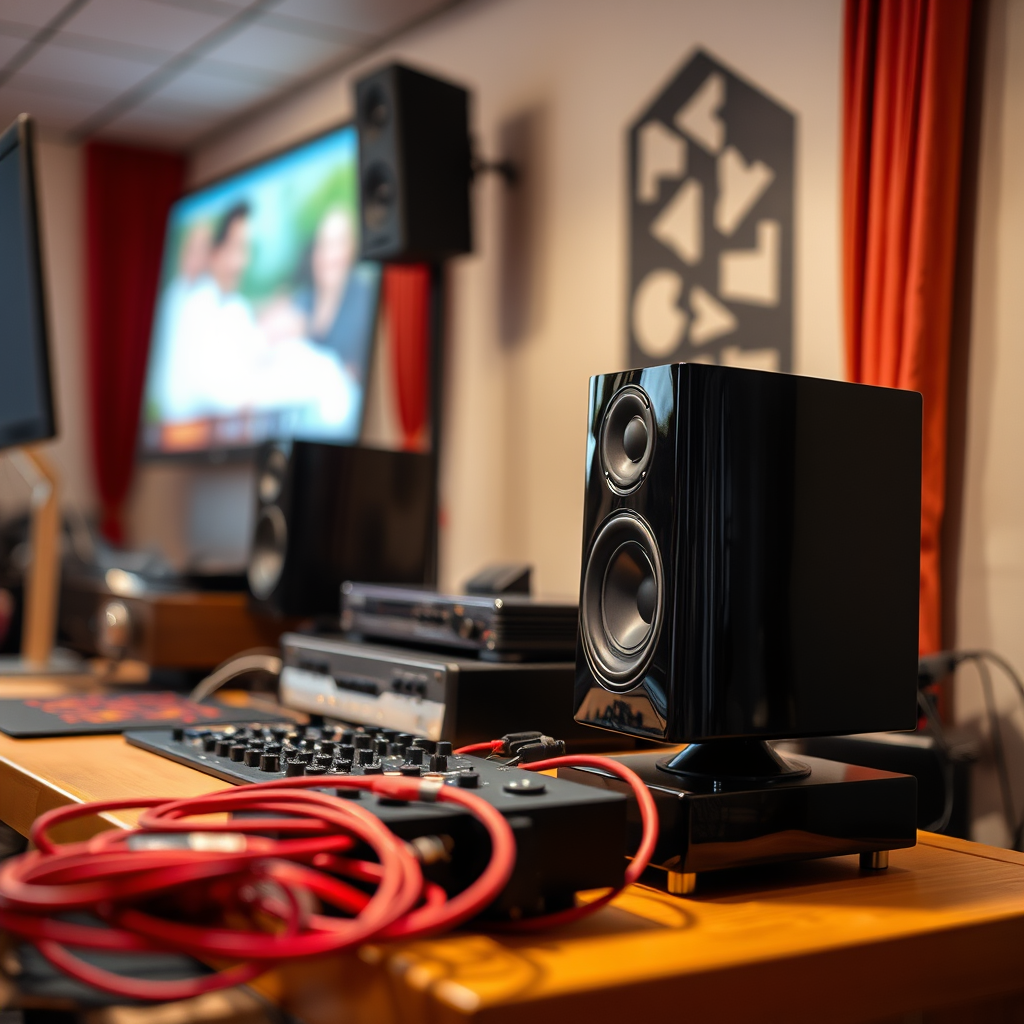
Ohms affect how much power an amplifier can deliver to a speaker; lower impedance generally means more power. For instance, an amplifier rated at 100 watts per channel into 8 Ohms might deliver 200 watts into a 4 Ohm load. This characteristic makes lower-impedance speakers attractive for high-energy applications, such as home theater systems or live sound reinforcement, where dynamic range and volume levels are critical.
However, compatibility between speakers and amplifiers is essential to avoid damage and ensure optimal sound quality. If a speaker draws more power than the amplifier is designed to provide, it could lead to clipping, distortion, or overheating. It’s a balancing act that requires careful consideration of both the amplifier’s specifications and the speaker’s impedance rating. Always consult the manufacturer’s specifications for both components to ensure they match properly, maximizing performance while minimizing the risk of damage.
How Impedance Affects Sound Quality
Speaker impedance influences the efficiency and clarity of sound reproduction. When speakers and amplifiers are correctly matched, the sound produced is typically cleaner and more accurate. However, mismatched impedance can lead to distortion, reduced volume, or even damage to audio components. For example, if an amplifier struggles to drive low-impedance speakers, it may produce a sound that lacks fullness or clarity, as it struggles to deliver the required power cleanly.
In practical terms, if you’re listening to music or watching movies, mismatched impedance can result in an unsatisfactory experience. Imagine watching a thrilling action scene only to have the sound cut in and out because your amplifier is overwhelmed by the speaker’s demand for power. By ensuring that your amplifier and speakers are impedance-matched, you set the stage for an enjoyable audio experience, free from distortion and interruptions.
Matching Speakers with Amplifiers
It’s important to match the impedance ratings of speakers and amplifiers for optimal performance. Most amplifiers specify a range of compatible Ohm ratings, often found in the user manual or on the manufacturer’s website. For example, if your amplifier is rated for 4 to 8 Ohm speakers, using an 8 Ohm speaker will be safe and efficient, while a 4 Ohm speaker will provide more power but requires caution regarding volume levels.
When selecting speakers, consider your existing audio equipment and any future upgrades you may want to make. This foresight can save you from potential headaches down the road. If you plan to use multiple speakers in a surround sound setup, remember that the total impedance of all connected speakers can also affect the performance. For instance, wiring multiple 8 Ohm speakers in parallel can reduce the overall impedance, potentially exceeding your amplifier’s capabilities. Always refer to the manufacturer’s guidelines to ensure compatibility and performance.
Troubleshooting Impedance Issues
Symptoms of impedance mismatches include overheating amplifiers, distortion, and inconsistent sound levels. If you notice your amplifier getting excessively warm during use or if the sound quality suddenly drops, it may be time to check your speaker configuration. The first step is to verify that all your components are rated for compatible impedance.
Solutions may involve adjusting speaker configurations, using impedance matching transformers, or upgrading equipment. For instance, if your current amplifier struggles with low-impedance speakers, consider using an impedance matching transformer to balance the load. Alternatively, upgrading to a more powerful amplifier might be a more straightforward solution, ensuring that your entire system can perform efficiently without overheating or distorting the sound.
Best Practices for Selecting Speakers
When purchasing speakers, consider the impedance rating to ensure compatibility with existing audio equipment. If you’re investing in a new audio system, look for speakers that match your amplifier’s specifications to avoid any mismatches. It’s also wise to evaluate sound quality and efficiency ratings alongside the impedance. A speaker with a lower impedance might promise more power, but it should also provide clear, high-quality sound.
Additionally, factor in your listening environment. For instance, if you have a large room, you may benefit from lower impedance speakers that draw more power, whereas smaller spaces might only need higher impedance options. Don’t hesitate to seek advice from audio professionals or read reviews to find the best fit for your needs.
Real-World Applications of Speaker Impedance Knowledge
Understanding speaker impedance helps in setting up home theater systems, PA systems, and musical setups effectively. For example, a live sound engineer needs to know the impedance of both the speakers being used and the mixer to ensure optimal sound during performances. Similarly, a home theater enthusiast who understands impedance can create an immersive sound experience, ensuring that the audio complements the visual spectacle.
Knowledge of impedance can lead to better sound experiences, whether you’re a casual listener or an audiophile. It equips you with the tools to make informed decisions, enhancing your audio setup for everything from movie nights to concert-like experiences in the comfort of your living room.
Summarizing the critical aspects of speaker impedance and Ohms is essential for anyone looking to enhance their audio experience. By understanding how impedance affects compatibility and sound quality, you can make informed choices for your audio setup. Whether you’re fine-tuning your home theater system or considering a new pair of speakers, keeping impedance in mind will help you achieve the best audio performance possible. For further exploration, consider checking out specific speaker and amplifier combinations that suit your needs or consult an audio professional for personalized advice.
Frequently Asked Questions
What is speaker impedance and why is it important?
Speaker impedance, measured in ohms, refers to the resistance a speaker offers against the electrical current supplied by an amplifier. It is crucial because it affects how much power the amplifier needs to deliver for optimal performance. Understanding impedance helps ensure compatibility between speakers and amplifiers, preventing potential damage and ensuring sound quality.
How does speaker impedance affect sound quality?
Speaker impedance influences the power output from the amplifier and can impact overall sound quality. A mismatch in impedance can lead to distortion, reduced volume, or even damage to your audio equipment. Choosing speakers with an impedance that matches your amplifier’s specifications ensures efficient power transfer and clearer sound reproduction.
Why do different speakers have varying impedance ratings?
Different speakers have varying impedance ratings due to their design, construction, and intended use. For example, home audio speakers are often rated between 4 to 8 ohms, while professional audio equipment might use lower impedance for higher power handling. Understanding these differences helps consumers select the right speakers for their specific audio needs and setups.
What is the best impedance for home audio speakers?
The best impedance for home audio speakers typically falls between 6 to 8 ohms, as this range is compatible with most consumer amplifiers and receivers. This impedance allows for a good balance between sound quality and power efficiency, making it suitable for a variety of listening environments. Always check your amplifier’s specifications to ensure optimal matching with your chosen speakers.
Which is better: low or high impedance speakers?
The choice between low and high impedance speakers largely depends on your audio setup and needs. Low impedance speakers (like 4 ohms) can draw more power from an amplifier, resulting in higher volume levels but may require a compatible amplifier to prevent damage. High impedance speakers (like 8 ohms) are generally safer for standard consumer gear and offer a wider compatibility range, making them a better choice for most home audio systems.
References
- Electrical impedance
- https://www.audioholics.com/education/speaker-impedance-explained
- https://www.ohmslaw.com/ohms-law-and-speaker-impedance
- https://www.expert-systems.com/speaker-impedance-101
- https://www.cnet.com/home/audio/what-is-speaker-impedance/
- https://www.npr.org/sections/technology/2017/08/09/542067158/how-sound-works-impedance-and-resistance
- https://www.dummies.com/article/technology/electronics/audio/understanding-speaker-impedance-202340/
- Light Sensor including Photocell and LDR Sensor