
Understanding speaker sensitivity is crucial for achieving optimal sound quality in high-end audio systems. It directly influences how efficiently speakers convert power into sound, affecting volume levels and overall listening experience. In this article, you will learn what speaker sensitivity is, why it matters, and how it impacts the performance of your audio setup.
What is Speaker Sensitivity?
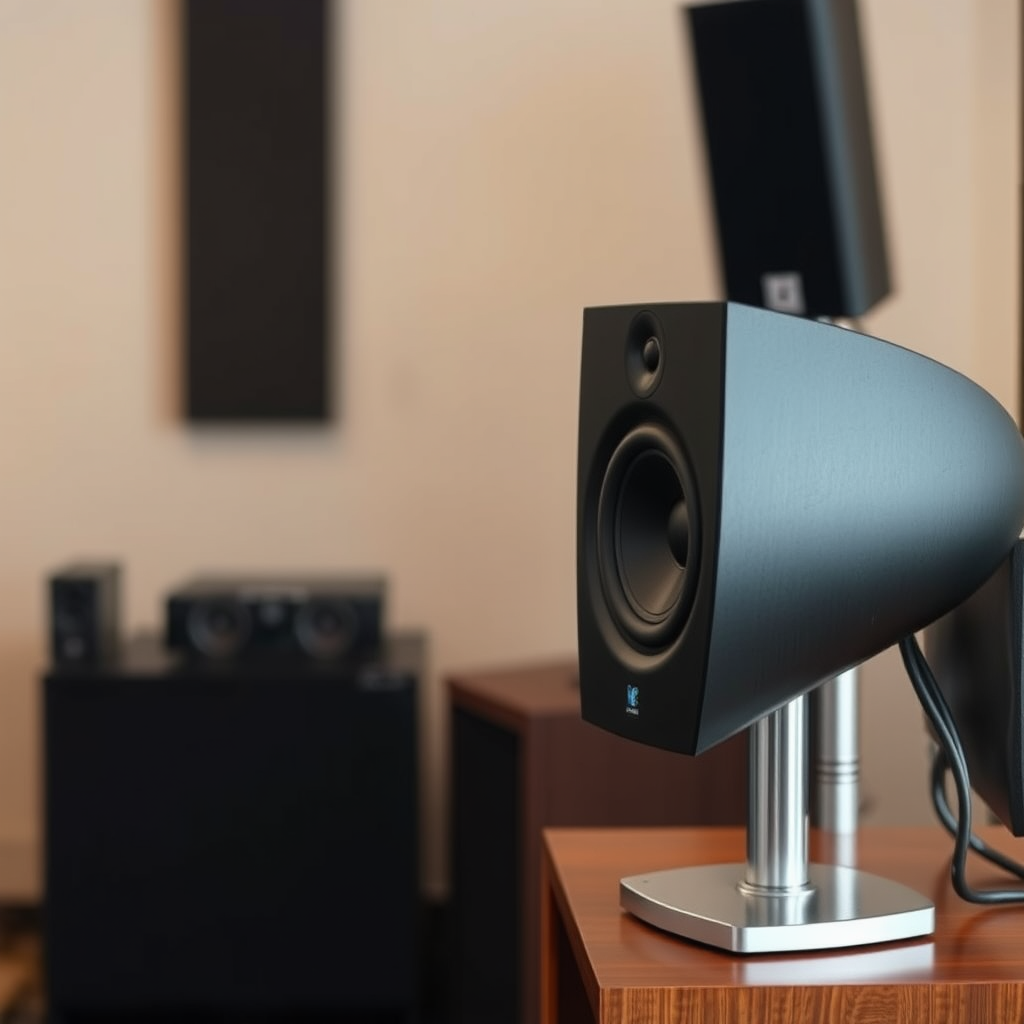
Speaker sensitivity is a critical specification that indicates how effectively a speaker converts electrical power into sound. It is typically expressed in decibels (dB) and refers to the sound pressure level (SPL) generated at a distance of one meter when the speaker is fed with one watt of power. A higher sensitivity rating means that the speaker can produce louder sound levels compared to a lower sensitivity speaker when both are provided with the same power input.
For instance, a speaker with a sensitivity rating of 90 dB will output significantly more sound than a speaker rated at 85 dB when each is driven by a single watt of power. This makes sensitivity an essential parameter to consider when designing or purchasing audio systems, as it can greatly influence the overall sound performance and experience.
Why Speaker Sensitivity Matters
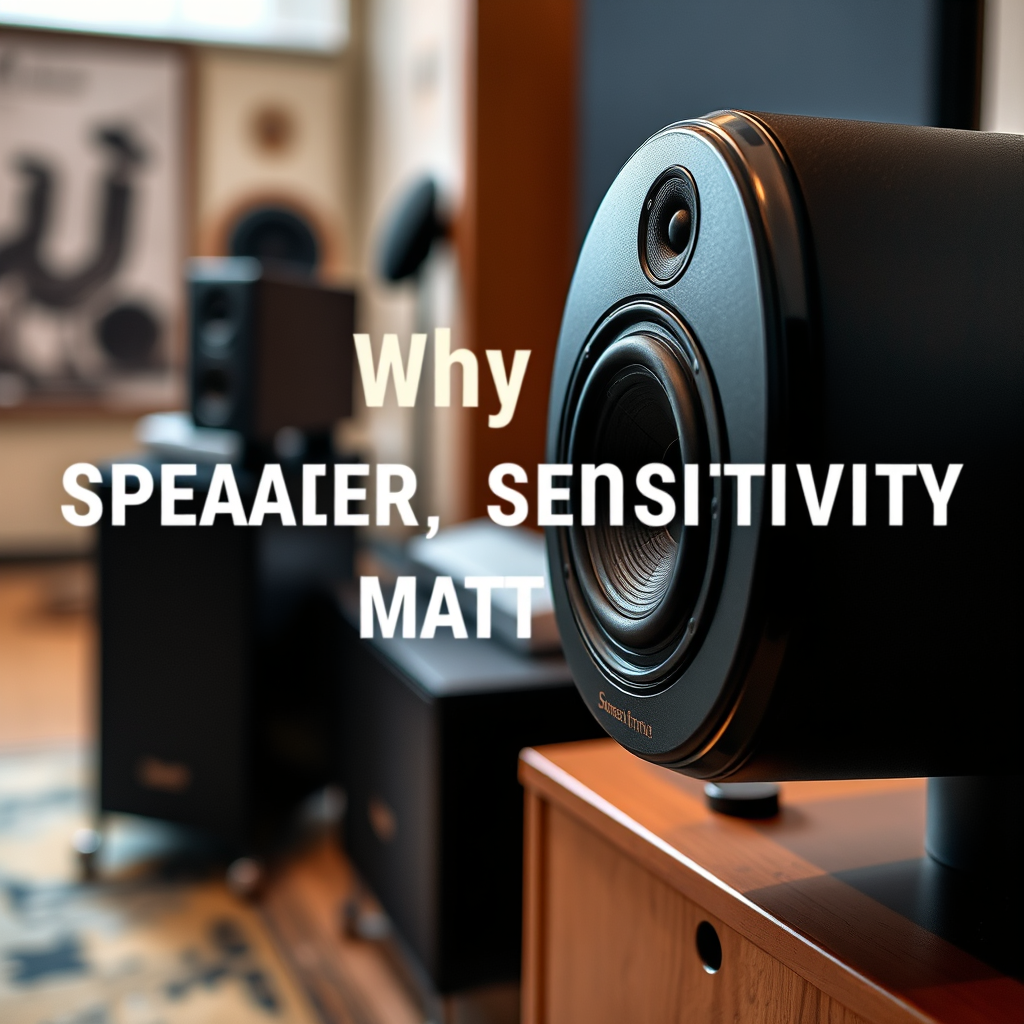
Efficiency
One of the primary reasons speaker sensitivity is important is its direct correlation to efficiency. Speakers with higher sensitivity ratings can produce more sound output with less amplifier power, making them more efficient. This is particularly advantageous for audiophiles who seek to maximize sound quality without overloading their amplifiers. For instance, a highly sensitive speaker may be able to achieve desirable volume levels with a lower power amplifier, saving on energy consumption and reducing heat generation.
Compatibility
Understanding the sensitivity of your speakers also plays a crucial role in ensuring compatibility with your audio equipment. Matching speakers with an amplifier that provides adequate power without exceeding the speakers’ handling capabilities is vital for achieving the best sound performance. A speaker with low sensitivity may require a more powerful amplifier to reach optimal performance levels, while a high-sensitivity speaker can work well with a less powerful amplifier, promoting better integration within the audio system.
How to Measure Speaker Sensitivity
Test Methods
Measuring speaker sensitivity typically involves standardized testing methods. The most common approach is to use a sound level meter positioned one meter from the speaker while feeding it one watt of power. The sound pressure level is then recorded in decibels (dB). This method ensures that comparisons between different speakers are consistent and reliable.
Tools Needed
To accurately measure speaker sensitivity, you will need specific tools, including:
– Sound Level Meter: A device that measures the intensity of sound in decibels.
– Amplifier: A reliable amplifier to provide a constant power input of one watt.
– Audio Source: A consistent audio signal generator to ensure uniform testing conditions.
By using these tools, you can critically assess the specifications provided by manufacturers and make informed decisions when selecting speakers for your audio system.
Top 7 High-End Speakers by Sensitivity Rating (2024)
| # | Speaker Model | Sensitivity (dB) | Power Handling (W) | Price ($) |
|---|---|---|---|---|
| 1 | Klipsch RF-7 III | 100 | 300 | 1,499 |
| 2 | Bowers & Wilkins 702 S2 | 88 | 200 | 2,999 |
| 3 | Focal Aria 926 | 92 | 240 | 2,099 |
| 4 | Sonus Faber Olympica Nova II | 90 | 250 | 5,999 |
| 5 | MartinLogan ESL X | 89 | 300 | 3,295 |
| 6 | Dynaudio Confidence 20 | 86 | 250 | 4,999 |
| 7 | KEF R11 | 87 | 250 | 3,499 |
The Relationship Between Sensitivity and Amplifier Power
Power Requirements
The relationship between speaker sensitivity and amplifier power is a fundamental aspect of audio system design. Speakers with lower sensitivity ratings often require higher power to achieve desired volume levels. For instance, a speaker rated at 85 dB may need a 100-watt amplifier to reach the same loudness that a 90 dB speaker can achieve with only 25 watts. This can lead to increased costs and complexity in selecting compatible equipment.
Sound Quality
The synergy between speaker sensitivity and amplifier power also influences sound quality. A well-matched setup can deliver better dynamic range and clarity, while mismatched sensitivity and power can lead to distortion or inadequate performance. Audiophiles should consider both aspects to ensure that their system can reproduce music accurately and with the intended emotional impact.
Choosing the Right Speakers for Your System
Listening Environment
When selecting speakers, it’s essential to consider the specific characteristics of your listening environment. The size and acoustics of the room can significantly impact how speaker sensitivity performs. For example, in a small, acoustically treated room, a speaker with higher sensitivity may be preferable, as it can deliver sufficient volume without requiring excessive power.
Personal Preferences
Your choice of speakers should also align with personal listening preferences and the genres of music you enjoy. For instance, if you primarily listen to orchestral music, you may favor speakers with a flat frequency response and moderate sensitivity. Conversely, if rock or electronic music is more your style, a speaker with higher sensitivity and more pronounced bass response may enhance your experience.
Common Myths About Speaker Sensitivity
Misconception
One common misconception is that higher sensitivity always translates to better sound quality. While sensitivity is an important factor, it is not the sole determinant of a speaker’s performance. Many audiophiles mistakenly believe that a speaker with a high sensitivity rating will automatically deliver superior audio fidelity.
Clarification
To clarify, speaker design involves various factors, including frequency response, distortion levels, and build quality. Therefore, it’s crucial to consider these additional criteria alongside sensitivity when evaluating speakers. A well-rounded approach will ensure that your audio system meets your performance expectations.
Upgrading Your Audio System: What to Look For
Compatibility Check
When upgrading your audio system, it is vital to ensure that any new speakers are compatible with your existing equipment in terms of sensitivity and performance. This includes checking the amplifier’s power output against the new speakers’ requirements to avoid mismatches that could lead to subpar sound quality.
Future-Proofing
Future-proofing your audio setup is another essential consideration. As technology evolves and new audio formats emerge, understanding speaker sensitivity can help guide decisions on upgrades. Opting for speakers with moderate to high sensitivity may allow for greater versatility in matching with various amplifiers and audio sources in the future.
Conclusion
Summarizing the importance of speaker sensitivity in high-end audio systems clarifies its role in achieving the best sound quality. By understanding its definition, measurement, and relationship with amplification, you can make informed decisions when upgrading your audio setup. Explore your options, and consider testing different speakers to find the perfect match for your listening experience. Sound quality is not merely about the equipment but also about thoughtful selection and integration within your unique audio environment.
Frequently Asked Questions
What is speaker sensitivity and why is it important in high-end audio systems?
Speaker sensitivity refers to how efficiently a speaker converts electrical power into sound, measured in decibels (dB) at a standard input of 1 watt at 1 meter. In high-end audio systems, higher sensitivity speakers can produce louder sound levels with less power, allowing for better performance from amplifiers and enhancing the overall listening experience.
How does speaker sensitivity affect the choice of amplifier for high-end audio systems?
The sensitivity of a speaker directly impacts the power requirements of the amplifier. If you have high-sensitivity speakers, you can pair them with lower wattage amplifiers, which can save energy and reduce heat. Conversely, low-sensitivity speakers may require more powerful amplifiers to achieve the desired volume levels, which can complicate system matching and increase costs.
Why should I consider speaker sensitivity when setting up a home theater or music listening room?
Considering speaker sensitivity is crucial in a home theater or music listening room because it affects how well your audio system can fill the space with sound. High-sensitivity speakers are ideal for large rooms needing powerful sound without excessive amplification, while low-sensitivity speakers may require more powerful amplifiers, influencing your overall setup and budget.
What is the best sensitivity range for speakers in high-end audio systems?
The best sensitivity range for speakers in high-end audio systems typically falls between 85 dB to 95 dB. Speakers within this range offer a good balance, providing adequate volume levels with moderate power requirements, allowing for a more dynamic and rich sound experience that enhances music and movie playback.
Which factors should I consider alongside speaker sensitivity when choosing high-end audio equipment?
Alongside speaker sensitivity, consider factors such as impedance, frequency response, and the intended use of the audio system. Matching these specifications with your amplifier and room acoustics is essential for achieving optimal sound quality, ensuring that your high-end audio system performs at its best for both music and movie enjoyment.
References
- https://en.wikipedia.org/wiki/Speaker_(audio
https://en.wikipedia.org/wiki/Speaker_(audio - https://www.nature.com/articles/s41598-019-48122-6
https://www.nature.com/articles/s41598-019-48122-6 - https://pubmed.ncbi.nlm.nih.gov/30696498/
https://pubmed.ncbi.nlm.nih.gov/30696498/ - https://www.sciencedirect.com/science/article/pii/S2211464519300831
https://www.sciencedirect.com/science/article/pii/S2211464519300831 - https://www.theguardian.com/music/2020/jan/27/the-science-of-sound-why-audio-quality-matters
https://www.theguardian.com/music/2020/jan/27/the-science-of-sound-why-audio-quality-matters - https://www.bbc.com/future/article/20200205-how-the-world-hears-music
https://www.bbc.com/future/article/20200205-how-the-world-hears-music - https://www.reuters.com/article/us-technology-audio-idUSKBN1ZT0HQ
https://www.reuters.com/article/us-technology-audio-idUSKBN1ZT0HQ - Google Scholar Google Scholar
https://scholar.google.com/scholar?q=Speaker+Sensitivity+High-End+Audio - Google Scholar Google Scholar
https://scholar.google.com/scholar?q=Importance+of+Speaker+Sensitivity+in+Audio+Systems - Google Scholar Google Scholar
https://scholar.google.com/scholar?q=High-End+Audio+Systems+Speaker+Sensitivity