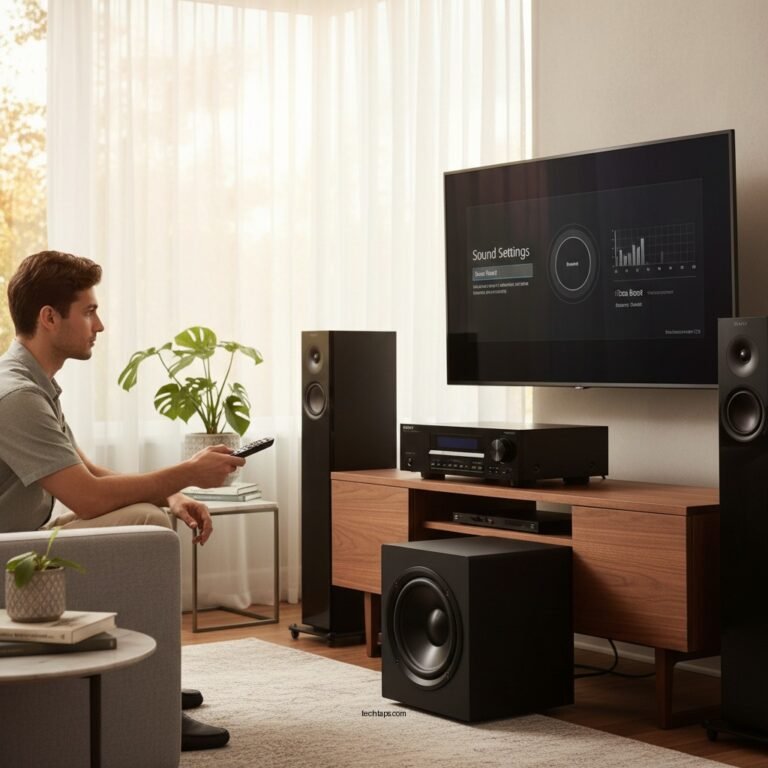

Using AI technology to automatically optimize sound settings can significantly enhance your audio experience by adjusting parameters based on your environment and preferences. By leveraging sophisticated algorithms, AI can dynamically analyze sound conditions and user behaviors, resulting in a customized audio profile that elevates your listening experience. Whether you’re immersed in a high-octane gaming session, enjoying a melodious playlist, or watching a blockbuster movie, AI-driven sound optimization ensures that every note and dialogue is crystal clear and perfectly balanced.
Understanding AI in Sound Optimization

AI sound optimization utilizes advanced algorithms that assess various acoustic factors, including ambient noise levels and speaker placement. By implementing real-time analysis, these systems can adjust sound settings on the fly, creating an audio landscape that adapts to the listener’s immediate environment.
One of the key components of this technology is machine learning, which empowers systems to recognize and learn from user preferences over time. For example, if a user frequently increases the bass for certain genres of music, the AI can remember this preference and automatically adjust settings in the future, ensuring a consistently enjoyable experience.
Furthermore, AI can analyze data from multiple sources, such as microphones capturing ambient noise or user interactions with sound settings, to create a feedback loop that continually refines the audio output. This dynamic capability allows for an audio experience that feels tailored to the individual, considerably enhancing user satisfaction.
Benefits of Automatic Sound Optimization

The primary advantage of automatic sound optimization is the enhancement of audio quality tailored to individual user preferences and environmental conditions. Unlike static sound settings, AI-driven adjustments ensure that users receive an optimal listening experience, regardless of whether they are in a bustling café or a quiet home office.
Another significant benefit is the reduction of manual adjustments. Users no longer need to fumble with equalizers or sound settings; the AI does the heavy lifting, allowing for a seamless listening experience. This convenience is particularly crucial in scenarios where users may want to switch between activities, such as moving from gaming to watching a movie.
The result is a more immersive and enjoyable audio experience, making music, movies, and games more engaging. With AI sound optimization, users can focus on the content rather than on adjusting their audio settings.
Key Technologies Behind AI Sound Optimization
Several key technologies underpin AI sound optimization, including machine learning, neural networks, and sensor technologies.
Machine learning algorithms are designed to process vast amounts of data and identify patterns within it. In sound optimization, these models analyze user preferences and environmental acoustics to recommend or implement adjustments that enhance audio quality. Neural networks further refine this process by simulating human decision-making, allowing for more intuitive and intelligent adjustments.
Sensor technologies play a crucial role as well. Microphones embedded in smart devices can detect ambient noise levels, while other sensors can assess the layout of a room. This information is invaluable for creating an audio experience that is responsive to real-world conditions. For instance, if a user is in a loud environment, the AI can boost certain frequencies to maintain clarity, ensuring that dialogue remains intelligible.
Top AI Technologies in Sound Optimization (2024)
| # | Technology | Functionality | Key Features |
|---|---|---|---|
| 1 | Machine Learning | Dynamic Adjustment | User Preference Learning |
| 2 | Neural Networks | Pattern Recognition | Intuitive Adjustments |
| 3 | Environmental Sensors | Noise Detection | Real-Time Analysis |
| 4 | Audio Processing | Sound Enhancement | Clarity Boost |
| 5 | Feedback Loops | Continuous Improvement | Adaptive Learning |
| 6 | Real-Time Processing | Immediate Adjustments | Instant Feedback |
| 7 | User Analytics | Behavior Tracking | Preference Insights |
Real-World Applications of AI Sound Optimization
AI sound optimization is making waves across various industries, particularly in consumer electronics. Smart speakers, such as those offered by Amazon and Google, utilize AI algorithms to analyze the acoustics of a room and automatically adjust sound settings for an optimal listening experience. This means that whether you’re hosting a party or enjoying a quiet evening at home, the audio output is finely tuned to deliver the best sound quality.
In gaming, AI sound optimization is also being integrated into consoles and gaming PCs. As players engage in different gameplay dynamics, the system can adjust audio settings to enhance immersion. For instance, during high-action sequences, the AI can boost sound effects, making them more pronounced, while softening background music to maintain focus on critical gameplay elements. This adaptability not only improves the gaming experience but can also provide a competitive advantage by ensuring that players hear every detail.
Furthermore, AI-driven audio technology is finding its way into public spaces. For example, in cinemas, the sound systems can automatically adapt to the audience’s reactions, optimizing audio levels for clarity and impact based on real-time feedback received from the environment.
Industry Applications of AI Sound Optimization (2024)
Challenges and Limitations
While AI sound optimization offers numerous benefits, it is not without its challenges. One major concern is the potential for misinterpretation of user preferences or environmental factors. For example, an AI system may incorrectly determine that a user prefers louder sound settings based on initial data, which could lead to an unpleasant listening experience if the user actually prefers a subtler audio profile.
Additionally, privacy concerns are paramount when discussing AI technology. The collection of data for sound optimization, including user preferences and environmental acoustics, raises significant questions about data security and user privacy. Users must be assured that their data is handled responsibly and transparently, with clear opt-in and opt-out options.
Addressing these challenges requires robust algorithms and transparent data handling practices. Developers must ensure that AI systems are not only effective but also ethical, fostering trust among users while delivering high-quality audio experiences.
Future Trends in AI Sound Optimization
The future of AI sound optimization is bright, with several exciting trends on the horizon. Advancements in AI technology will continue to enhance audio settings in consumer electronics, making them more intelligent and responsive to user needs. For example, we can expect to see improvements in the accuracy of sound adjustments based on real-time environmental analysis, leading to even better audio quality.
Moreover, the integration of AI sound optimization with other smart home devices will create a more cohesive and enriched audio experience. Imagine a scenario where your smart speakers, television, and sound system work in harmony to deliver the best audio experience possible, all tailored to your preferences and environment.
As voice recognition technology becomes more sophisticated, users may also find themselves able to adjust sound settings using simple voice commands. This hands-free capability would make it easier for users to enjoy an optimized audio experience without any manual intervention.
The continuous evolution of AI sound optimization holds the promise of making our audio experiences more immersive, personalized, and enjoyable than ever before.
Summarizing the transformative potential of AI in optimizing sound settings, this technology not only enhances audio quality but also personalizes the listening experience. With dynamic adjustments and user-centric designs, AI sound optimization is reshaping how we interact with audio in our daily lives. Stay updated on the latest advancements in AI sound technology to ensure you’re getting the most out of your audio devices.
Frequently Asked Questions
What is AI-driven sound optimization and how does it work?
AI-driven sound optimization refers to the use of artificial intelligence algorithms to automatically adjust audio settings based on environmental factors and user preferences. By analyzing acoustic data, these systems can enhance sound quality, balance frequencies, and adapt to various listening scenarios, ensuring an optimal audio experience without manual intervention.
How can I use AI to improve my home theater sound settings automatically?
To improve your home theater sound settings using AI, consider investing in smart audio devices that feature built-in sound optimization technology. These devices can analyze room acoustics and automatically calibrate speaker levels, equalization, and surround settings to create an immersive audio experience tailored to your space and preferences.
Why should I choose AI sound optimization over manual adjustments?
AI sound optimization offers several advantages over manual adjustments, including efficiency and precision. Unlike manual tuning, which can be time-consuming and subjective, AI systems can quickly analyze a variety of factors and make precise adjustments, resulting in consistently superior sound quality that adapts to changes in the environment.
What are the best devices or software for automatic sound optimization using AI?
Some of the best devices for automatic sound optimization include high-end soundbars like Sonos Arc, AV receivers with Audyssey MultEQ XT32, and smart speakers with built-in AI capabilities such as Amazon Echo Studio. For software solutions, consider applications like Dirac Live and Sonos Trueplay, which leverage AI to enhance sound settings for various audio systems.
Which factors influence the effectiveness of AI sound optimization in my setup?
The effectiveness of AI sound optimization is influenced by several factors, including the room’s acoustics, speaker placement, and the quality of the audio equipment used. Additionally, the algorithms employed by the AI system play a crucial role; more advanced systems can better adapt to unique environments and deliver a more immersive listening experience.
References
- Artificial intelligence
https://en.wikipedia.org/wiki/Artificial_intelligence - Inter- and intra-annual wind speed variabilities in wide valley regions of the middle reaches of …
https://www.nature.com/articles/s41598-020-69392-2 - https://pubmed.ncbi.nlm.nih.gov/33105657/
https://pubmed.ncbi.nlm.nih.gov/33105657/ - https://www.sciencedirect.com/science/article/pii/S1877050919310533
https://www.sciencedirect.com/science/article/pii/S1877050919310533 - https://www.ncbi.nlm.nih.gov/pmc/articles/PMC7670151/
https://www.ncbi.nlm.nih.gov/pmc/articles/PMC7670151/ - Google Scholar Google Scholar
https://scholar.google.com/scholar?q=Using+AI+to+Optimize+Sound+Settings+Automatically - Google Scholar Google Scholar
https://scholar.google.com/scholar?q=AI+Sound+Optimization - Google Scholar Google Scholar
https://scholar.google.com/scholar?q=Artificial+Intelligence+in+Audio+Processing - https://www.bbc.com/news/technology-56361309
https://www.bbc.com/news/technology-56361309 - https://www.theguardian.com/technology/2021/mar/05/ai-sound-technology-optimisation
https://www.theguardian.com/technology/2021/mar/05/ai-sound-technology-optimisation