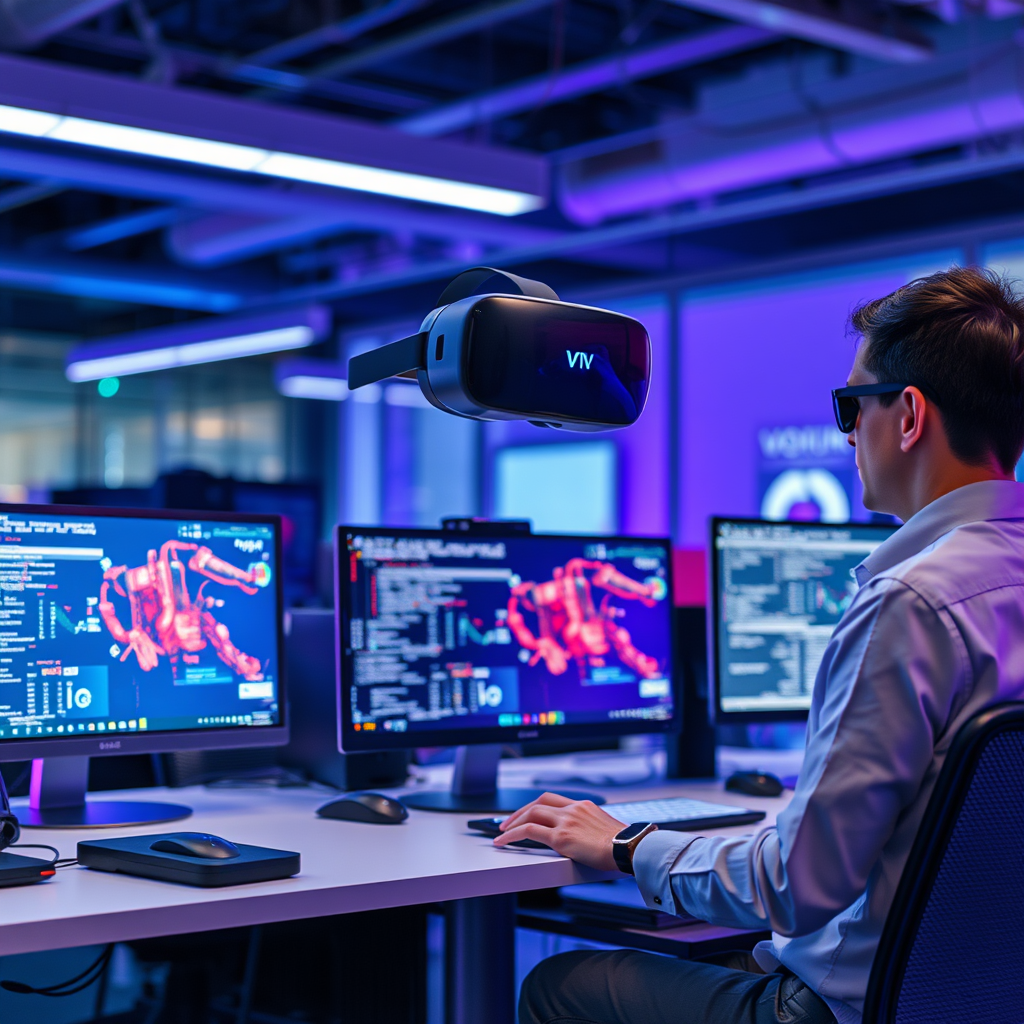

In the realm of virtual reality, VR 2.0 devices significantly enhance realism, immersing users in lifelike experiences that were previously unimaginable. This new generation of technology leverages advanced sensors, higher resolutions, and improved haptic feedback to create environments that feel authentic and engaging. From gamers seeking an edge in their play to professionals in training, the innovations in VR 2.0 are transforming how we interact with digital worlds. In this article, we’ll explore how these innovations are revolutionizing virtual reality and what they mean for users.
Advancements in Display Technology
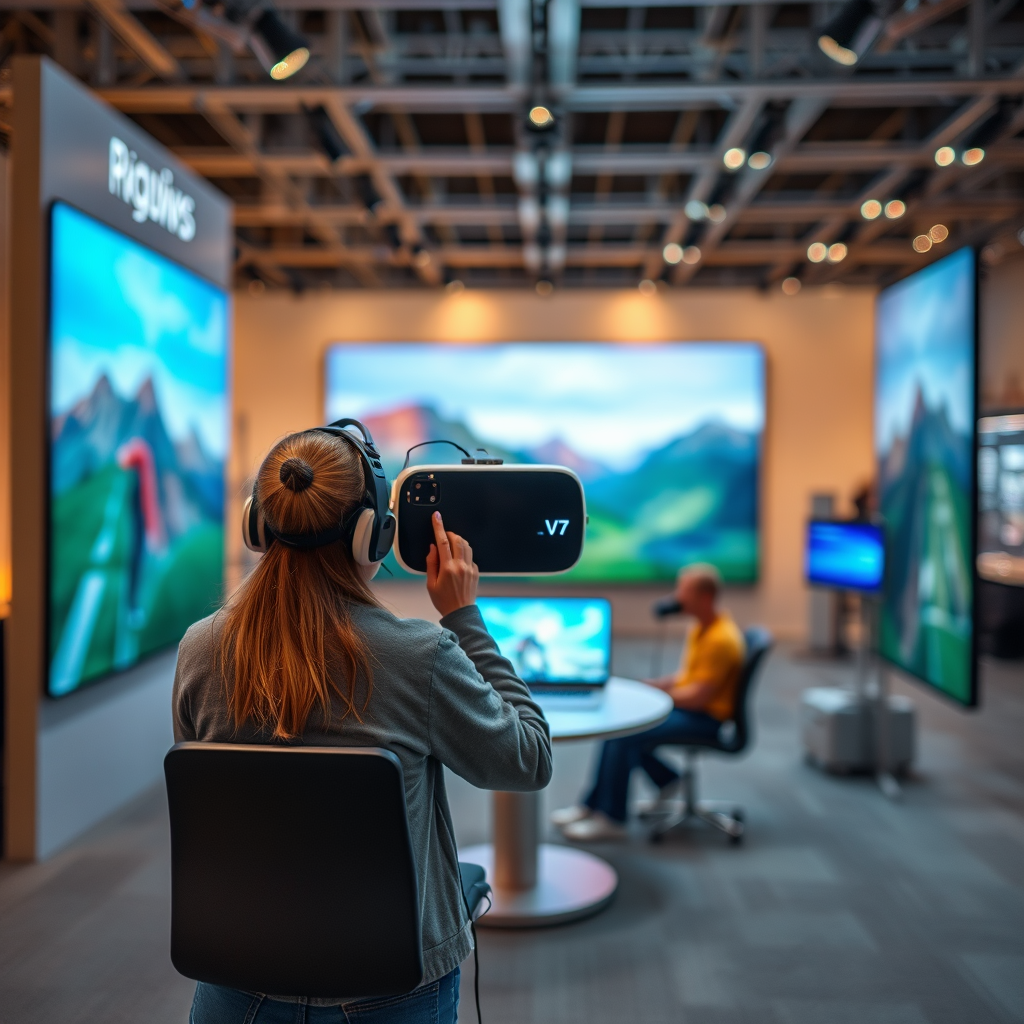
One of the most striking features of VR 2.0 devices is their advancements in display technology. With higher resolutions, users can expect clearer and more detailed images, effectively reducing the notorious screen-door effect that plagued earlier models. This phenomenon, where a visible grid of lines appears between pixels, can break immersion, but with devices boasting resolutions upwards of 4K, that barrier is quickly fading. For instance, the latest VR headsets from companies like Meta and Valve feature displays that offer vibrant colors and stunning clarity, allowing users to lose themselves in intricate virtual landscapes.
In addition to resolution, OLED and microLED technologies are making a significant impact on visual fidelity. OLED displays provide deeper blacks and more vivid colors, while microLED technology promises even greater brightness and efficiency. This enhancement in color accuracy and contrast ratios ensures that virtual experiences not only look good but feel real. Imagine wandering through a sunlit forest in a VR simulation, where the sunlight dapples through the leaves, casting realistic shadows, and the colors of the flora are strikingly vibrant—these advancements are making such experiences possible.
Enhanced Motion Tracking
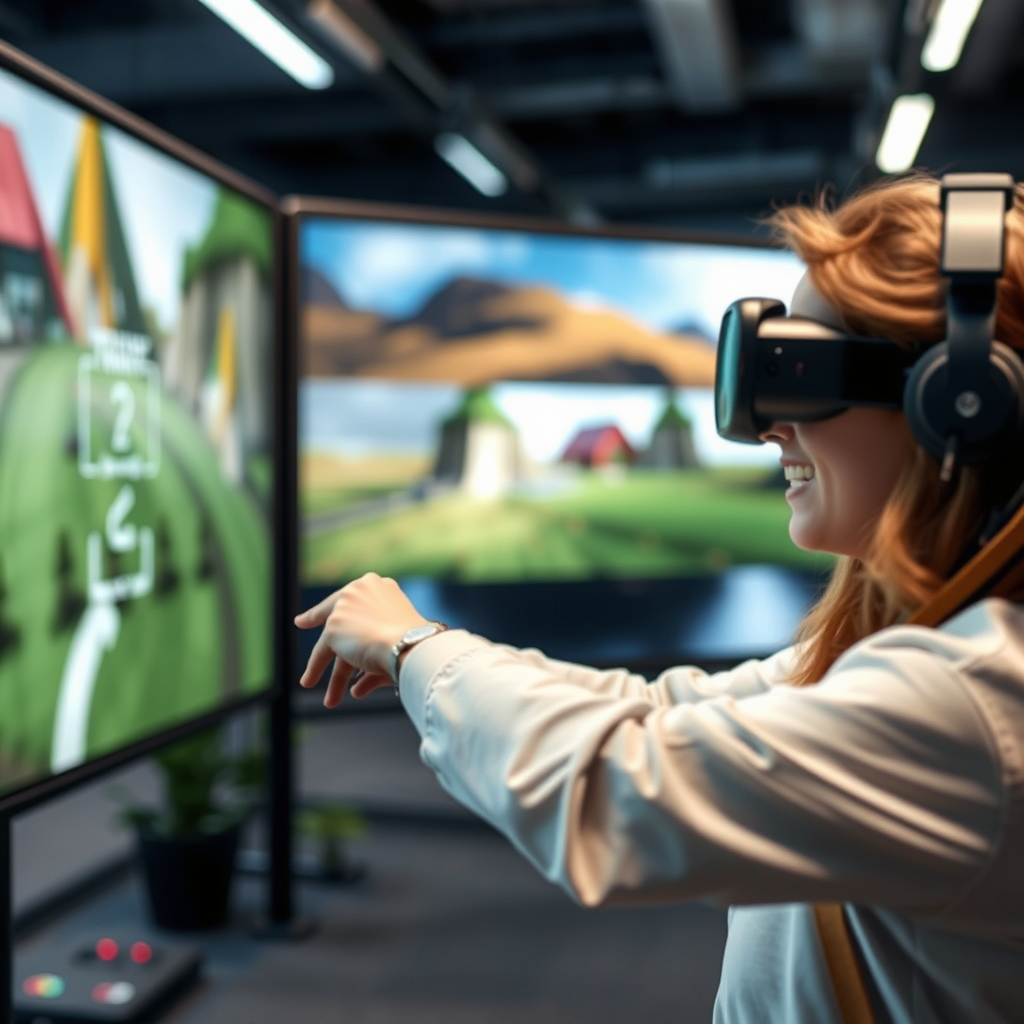
Enhanced motion tracking is another game-changer in the evolution of VR technology. Improved tracking systems reduce latency and increase precision, which makes virtual movements feel more natural and fluid. The days of feeling a disconnect between your physical actions and their virtual counterparts are rapidly coming to an end. For example, the use of external sensors has been largely supplanted by inside-out tracking technologies, which utilize cameras on the headset itself to map the environment. This integration allows users to move freely without the need for cumbersome external equipment.
Moreover, innovations in tracking algorithms mean that even the slightest movements, like a twitch of a finger or a subtle head tilt, are captured with remarkable accuracy. This technological leap is particularly beneficial in applications requiring high levels of interaction, such as virtual sports or dance games, where precise movements are crucial for an engaging experience.
Superior Audio Experiences
The audio component of VR is equally essential for creating a truly immersive environment, and VR 2.0 devices have made significant strides in this area as well. Spatial audio technology enables a 3D sound environment that helps users perceive audio from different directions, mimicking how sound behaves in the real world. When you hear footsteps approaching from behind or the rustling of leaves to your left, it heightens the realism of the experience.
Additionally, noise-canceling features have become a standard in many high-end VR headsets. By blocking out real-world distractions, users can focus entirely on their virtual environments, enhancing engagement. Imagine being in a VR meditation session where the sound of a serene waterfall surrounds you, completely drowning out the noise of the outside world—this is the potential of superior audio experiences in VR.
Realistic Haptic Feedback
Realistic haptic feedback has taken user immersion to another level. Advanced haptic systems can now provide tactile sensations that closely mimic real-world interactions, making virtual objects feel tangible. For instance, when you pick up a virtual object, the controller vibrates in a way that simulates weight and texture, which can make all the difference in a gaming experience.
Wearable devices, such as gloves equipped with haptic technology, have also emerged, allowing users to experience sensations like texture and resistance. Imagine feeling the roughness of a virtual rock or the softness of a virtual fabric; these sensory inputs can create a deeper connection to the virtual environment. This technology is not just for gamers; it has applications in training simulations, where realistic feedback can aid in skill acquisition.
Expanded Interaction Capabilities
The interaction capabilities of VR 2.0 devices have expanded dramatically, allowing for more intuitive and engaging user experiences. Gesture recognition technology enables users to interact with virtual elements using natural hand movements, making the interface feel more organic. Rather than relying solely on controllers, users can simply reach out and grab, point, or swipe at virtual objects, enhancing engagement and accessibility.
Eye-tracking technology is also paving the way for improved interaction. By monitoring where users are looking, VR systems can streamline navigation and create more immersive experiences. For instance, if you’re playing a VR game and your character turns their head to follow your gaze, it creates a sense of presence that makes the experience more compelling. Eye-tracking can also be used in educational settings, allowing students to interact with virtual content in a more meaningful way.
Applications Beyond Gaming
While gaming remains a prominent application for VR 2.0 devices, their use is expanding into various fields, including education and healthcare. In education, immersive learning experiences can engage students in ways that traditional methods cannot. For example, history lessons can come alive as students virtually explore ancient civilizations, or they can practice complex scientific experiments in a safe, controlled environment.
In healthcare, VR devices are being used for therapy and surgical training, providing realistic simulations that can be vital for skill development. Medical students can practice surgeries in a virtual setting, gaining hands-on experience without the risk of harming real patients. Additionally, VR is being utilized in mental health treatments, helping individuals confront fears or anxieties in a controlled and supportive environment.
The Future of VR Realism
Looking ahead, the future of VR realism is incredibly promising. Ongoing research and development are likely to yield even more advancements, including the potential blending of augmented reality (AR) and VR to create mixed reality experiences. Imagine a world where you can seamlessly integrate virtual elements into your physical surroundings—this could revolutionize how we work, play, and interact.
As technology continues to evolve, we can also expect improvements in accessibility and affordability of VR devices. This means that as VR 2.0 technologies mature, more people will have the opportunity to experience the remarkable realism these devices offer. From education to entertainment to professional training, the possibilities are endless.
The advancements in VR 2.0 devices are changing the way we interact with digital content, making experiences more lifelike than ever before. By enhancing visual, audio, and tactile feedback, these technologies are paving the way for new applications across various sectors. As we embrace these innovations, we not only redefine entertainment but also enhance education, training, and even therapy. To stay updated on the latest in VR technology, consider following industry news and exploring the latest VR 2.0 devices available on the market.
Frequently Asked Questions
What are VR 2.0 devices and how do they improve realism in virtual experiences?
VR 2.0 devices refer to the next generation of virtual reality technology that enhances user immersion through advanced features such as improved graphics, higher refresh rates, and enhanced motion tracking. These devices often utilize higher resolution displays and haptic feedback systems to create a more lifelike experience, allowing users to experience environments and interactions that feel more authentic than ever before.
How do advancements in haptic technology contribute to the realism of VR 2.0 devices?
Advancements in haptic technology, such as force feedback and tactile sensations, significantly enhance the realism of VR 2.0 devices by simulating real-world interactions. This technology allows users to feel textures, impacts, and vibrations, making virtual objects and environments more tangible. Consequently, these sensations can increase user engagement and emotional connection to the VR experience.
Why is field of view (FOV) important for VR 2.0 devices in creating realistic environments?
The field of view (FOV) is crucial for VR 2.0 devices as it determines how much of the virtual environment a user can see at any given time. A wider FOV creates a more immersive experience by mimicking the natural human peripheral vision, allowing users to feel like they are truly part of the virtual world. This enhancement reduces the sense of disconnection and can help prevent motion sickness, which is a common pain point for VR users.
Which VR 2.0 devices are currently leading the market in terms of realism and user experience?
Some of the leading VR 2.0 devices known for their realism and user experience include the Meta Quest Pro, Valve Index, and HTC Vive Pro 2. These devices offer high-resolution displays, exceptional motion tracking, and expansive content libraries, enabling users to enjoy highly immersive experiences across various applications, from gaming to virtual training simulations.
What should I consider when choosing a VR 2.0 device for the most realistic experience?
When choosing a VR 2.0 device for optimal realism, consider factors such as display resolution, refresh rate, tracking technology, and available content. Additionally, assess the device’s comfort, ease of setup, and compatibility with existing systems. Prioritize devices that incorporate haptic feedback and a wide field of view to ensure a truly immersive experience that meets your needs and preferences.
References
- Virtual reality
- https://www.sciencedirect.com/science/article/pii/S0360132319303177
- https://www.bbc.com/news/technology-54393248
- https://www.forbes.com/sites/bernardmarr/2021/05/10/the-future-of-virtual-reality-how-vr-20-is-revolutionizing-the-industry/
- https://www.nytimes.com/2021/10/05/technology/virtual-reality-gaming.html
- https://www.nature.com/articles/s41598-020-80019-1
- https://www.techcrunch.com/2021/06/24/the-next-generation-of-vr-what-you-need-to-know/
- https://www.immersivelearning.news/2021/09/01/why-vr-2-0-is-the-future-of-training/
- https://www.theguardian.com/technology/2022/jan/13/virtual-reality-2022-what-to-expect