
Hi-Fi audio, or high-fidelity sound, is all about delivering an exceptional listening experience that mirrors the original performance as closely as possible. It matters because it brings out the nuances and subtleties in music that standard audio formats often overlook, creating a deeper emotional connection with the listener. In this article, you will learn about the characteristics of Hi-Fi audio, its benefits, and how to achieve it in your own audio setup.
Understanding Hi-Fi Audio
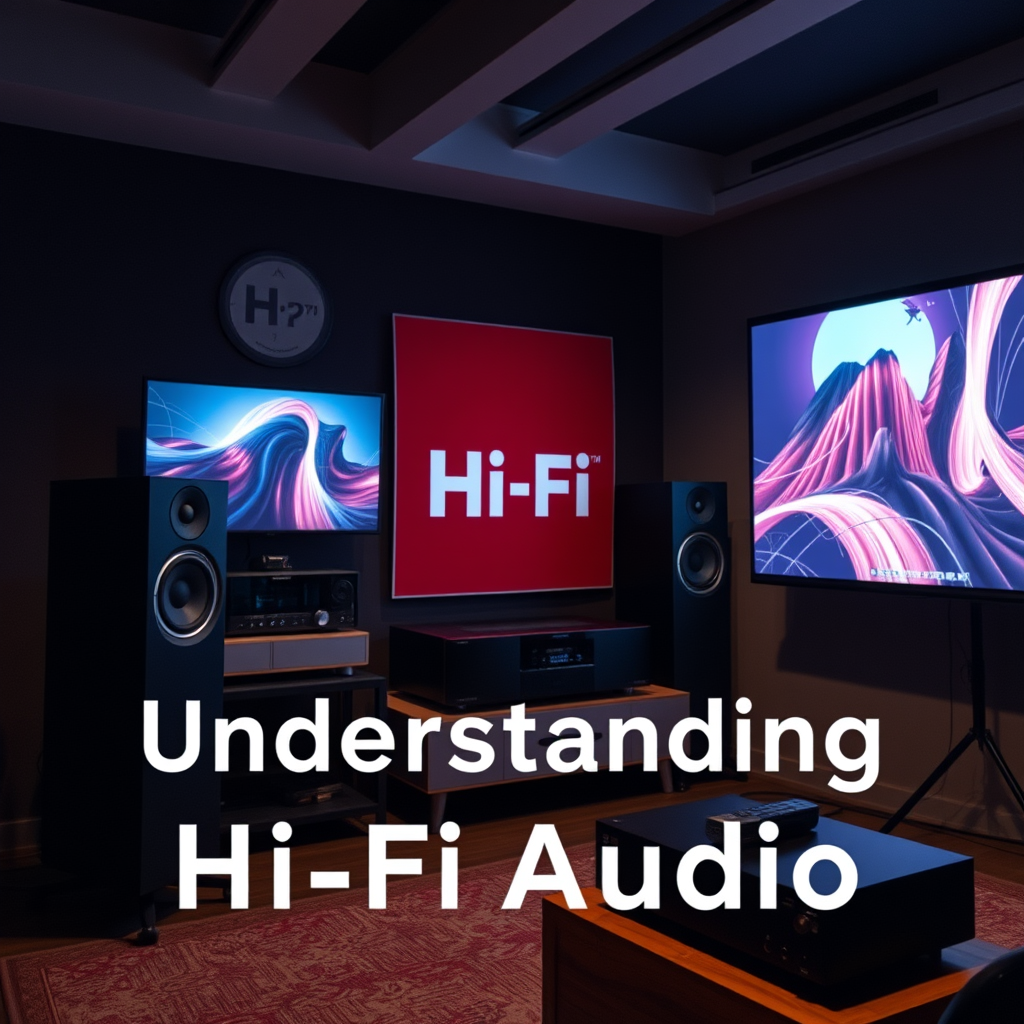
At its core, Hi-Fi audio aims to reproduce sound with a level of accuracy that minimizes distortion and background noise. This means that when you listen to a Hi-Fi recording, you should hear music as if you were in the same room with the musicians. The term “high-fidelity” often encompasses a range of audio equipment and formats specifically designed to support high-resolution sound, allowing you to experience music in its true form. Whether it’s vinyl records, high-quality digital files, or premium audio gear, Hi-Fi audio is fundamentally about preserving the integrity of sound.
To fully appreciate Hi-Fi audio, it’s important to understand the technology behind it. The evolution of sound reproduction has come a long way, and modern advancements make it more accessible than ever. From the resurgence of vinyl to the rise of high-resolution streaming services, there are numerous ways to indulge in high-fidelity sound today.
Key Characteristics of Hi-Fi Audio
Hi-Fi audio is defined by several key characteristics that contribute to its superior sound quality. First and foremost, high sampling rates and bit depths play a crucial role in achieving clarity and detail in audio playback. For instance, a standard CD has a sampling rate of 44.1 kHz and a bit depth of 16 bits, while high-resolution audio formats can reach 96 kHz or even 192 kHz with 24 bits. This increase allows for a more accurate representation of the original sound.
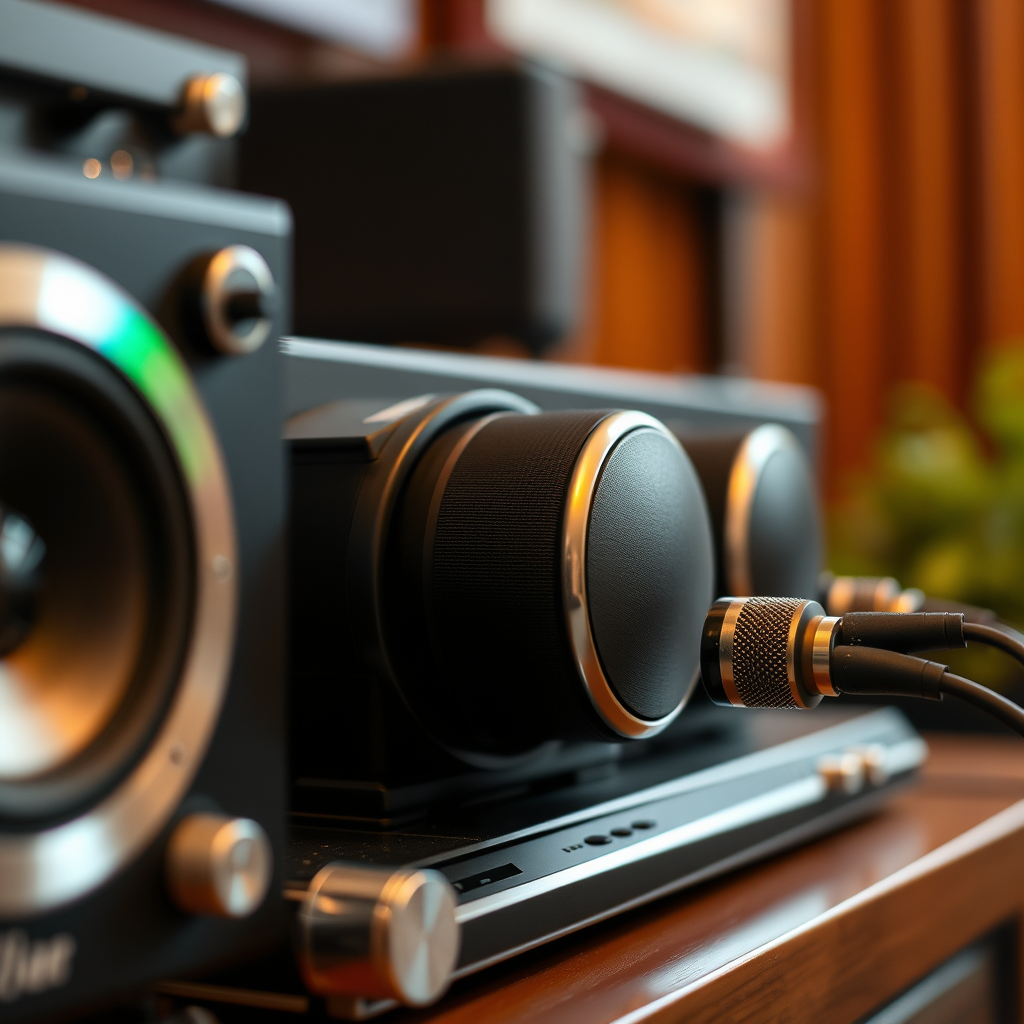
Another critical aspect is the quality of the components used in your audio setup. High-quality speakers, amplifiers, and DACs (Digital-to-Analog Converters) can significantly enhance audio performance. For example, investing in a well-reviewed set of bookshelf speakers can make a world of difference in how you perceive music. Brands like KEF, Bowers & Wilkins, and Klipsch are known for their exceptional audio gear that delivers rich, detailed sound.
Benefits of Hi-Fi Audio
The benefits of Hi-Fi audio extend beyond just sound quality; it offers a more immersive listening experience that captivates your emotions. When you listen to music in Hi-Fi, the layers of sound become more pronounced. You can hear each instrument distinctly, appreciate the dynamics of the vocal performance, and enjoy the ambiance of the recording space. This immersive quality can transform a mundane listening session into a captivating musical journey.
Moreover, Hi-Fi audio allows listeners to discover details in recordings that are often lost in standard audio formats. Subtle nuances, such as the resonance of a guitar string or the breath of a vocalist, can elevate your appreciation for the music. For audiophiles, this is not just about hearing music; it’s about feeling it. High-fidelity sound can reignite your love for tracks you thought you knew inside and out.
Common Hi-Fi Audio Formats
When it comes to Hi-Fi audio formats, lossless alternatives like FLAC (Free Lossless Audio Codec) and ALAC (Apple Lossless Audio Codec) are at the forefront. These formats retain all audio information during compression, ensuring that the sound quality remains intact, unlike compressed formats like MP3, which discard audio data to reduce file size. For those who want to maintain the integrity of their music collection, using lossless formats is essential.
High-resolution audio files are another avenue to explore, offering greater depth and clarity compared to standard audio formats. Services like Tidal, Qobuz, and Amazon Music HD provide access to a vast library of high-resolution tracks, allowing you to experience music as the artists intended. If you’re serious about Hi-Fi audio, consider investing in a subscription to one of these services to unlock a world of superior sound.
Building Your Hi-Fi Audio Setup
Creating your Hi-Fi audio setup is an exciting journey that can enhance your listening experience dramatically. Start by investing in quality speakers and headphones that accurately reproduce sound. Brands like Sennheiser and Audio-Technica offer a range of headphones suitable for audiophiles, while floor-standing and bookshelf speakers from companies like Focal and Dynaudio can elevate your home audio system.
Next, don’t overlook the importance of an appropriate amplifier and DAC. These components play a significant role in improving audio playback quality. A good amplifier can drive your speakers more effectively, while a high-quality DAC can convert digital audio signals into sound with minimal loss. Look for equipment that fits within your budget but doesn’t compromise on sound quality.
Hi-Fi Audio and Streaming Services
The digital age has brought about significant changes in how we consume music, and many streaming platforms now offer high-resolution audio options. Services such as Tidal, Qobuz, and even Spotify’s HiFi tier provide listeners with the choice of streaming in Hi-Fi quality. Understanding the differences between standard and Hi-Fi streaming can help you select the best service for your needs.
When choosing a streaming service, pay attention to the audio quality they offer. While most platforms provide standard audio at 320 kbps, Hi-Fi options can deliver lossless audio that significantly enhances your listening experience. If you’re committed to Hi-Fi audio, selecting a service that prioritizes sound quality will be essential.
The Future of Hi-Fi Audio
Looking ahead, the future of Hi-Fi audio appears promising as advances in technology continue to improve audio quality and accessibility. Emerging trends like immersive audio formats, including Dolby Atmos and spatial audio, are shaping the next generation of listening experiences. These technologies aim to create a 360-degree sound environment, making music feel even more engaging.
Additionally, as more consumers become aware of sound quality and the importance of Hi-Fi audio, manufacturers are likely to innovate further, producing more affordable high-quality audio equipment. This shift can lead to a broader appreciation for Hi-Fi audio, inviting new listeners to explore the beauty of high-fidelity sound.
Hi-Fi audio is essential for anyone who values sound quality and wants to enjoy music as it was intended. By understanding its characteristics, benefits, and current trends, you can elevate your listening experience. Whether you’re investing in quality equipment, exploring audio formats, or choosing a streaming service, there are countless ways to enhance your enjoyment of music. Dive into the world of Hi-Fi audio and discover a richer, more detailed sound experience today!
Frequently Asked Questions
What is Hi-Fi audio and how does it differ from regular audio?
Hi-Fi audio, short for high-fidelity audio, refers to sound reproduction that aims to replicate the original recording with minimal distortion and noise. Unlike regular audio, which may prioritize volume or convenience over sound quality, Hi-Fi systems use high-quality components and advanced technology to deliver a more accurate and immersive listening experience. This distinction is crucial for audiophiles and music enthusiasts who seek to enjoy music as it was intended by the artists.
Why does Hi-Fi audio matter for music lovers?
Hi-Fi audio matters for music lovers because it enhances the emotional and aesthetic experience of listening to music. High-fidelity systems can reveal subtle details, dynamic range, and nuances that are often lost in lower-quality audio formats. For those who appreciate the artistry in music, investing in Hi-Fi audio can transform listening sessions into rich, engaging experiences that bring recordings to life.
What are the essential components of a Hi-Fi audio system?
The essential components of a Hi-Fi audio system typically include a high-quality source device (like a CD player or streaming device), an amplifier, and speakers or headphones designed for optimal sound reproduction. Additionally, using quality cables and connectors can further reduce signal loss and maintain audio integrity. Each component plays a vital role in achieving the overall sound quality, making it important to select compatible and high-performance gear.
How can I set up a Hi-Fi audio system at home?
To set up a Hi-Fi audio system at home, start by choosing a dedicated space with minimal background noise and good acoustics. Select your components based on your budget and sound preferences, ensuring that they are compatible with each other. Properly position your speakers for optimal sound dispersion and consider investing in acoustic treatments to enhance the room’s sound quality. Lastly, experiment with different settings and placements to fine-tune your listening experience.
Which formats are best for Hi-Fi audio, and how do they affect sound quality?
The best formats for Hi-Fi audio include lossless options like FLAC (Free Lossless Audio Codec) and ALAC (Apple Lossless Audio Codec), as well as high-resolution audio files such as DSD (Direct Stream Digital) and WAV. These formats retain more detail from the original recordings compared to lossy formats like MP3, which compress audio data and can result in quality loss. Choosing the right format is crucial for maximizing the performance of your Hi-Fi audio system and ensuring an immersive listening experience.
References
- High fidelity
- https://www.npr.org/2021/02/27/972715342/what-is-hi-fi-audio-and-why-does-it-matter
- https://www.theguardian.com/music/2021/nov/11/what-is-hi-fi-audio-why-does-it-matter
- https://www.technologyreview.com/2021/05/05/1023908/what-is-hi-fi-audio/
- https://www.smithsonianmag.com/arts-culture/what-is-hi-fi-audio-180976902/
- https://www.audioholics.com/audio-technologies/what-is-hi-fi
- https://www.arsenaltech.org/hi-fi-audio-importance/
- https://www.soundandvision.com/content/what-hi-fi-audio
- https://www.ifa-berlin.com/en/what-is-high-fidelity-audio/