
When your AV receiver doesn’t support the latest HDMI standards, such as HDMI 2.1, your options may seem limited. However, there are several effective strategies to enhance your home theater experience without needing to replace your entire setup. This guide explores a variety of alternative solutions, upgrades, and workarounds to help you enjoy high-quality audio and video despite the limitations of your current AV receiver.
Understanding HDMI Standards
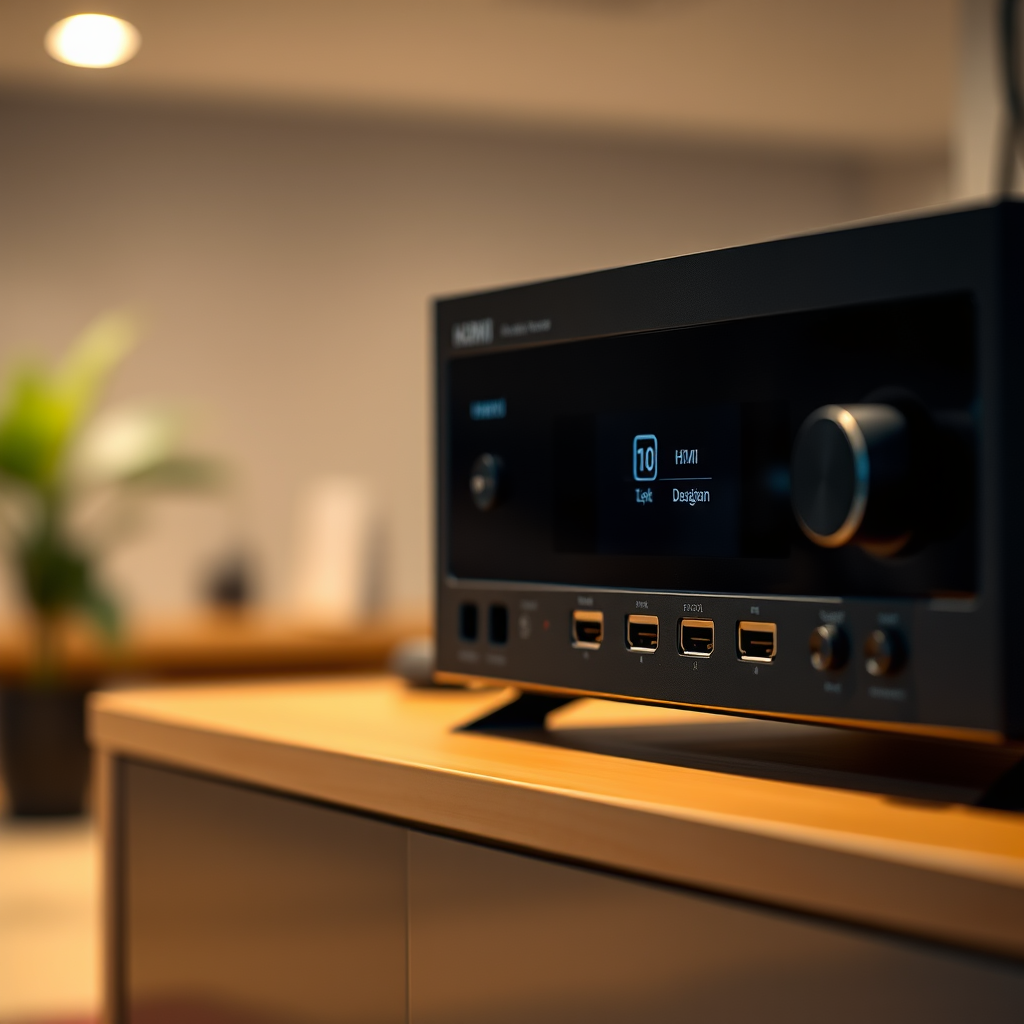
HDMI, or High-Definition Multimedia Interface, has evolved significantly over the years, with several versions released, each introducing new features and capabilities. The most notable recent versions are HDMI 2.0 and HDMI 2.1.
HDMI 2.0 supports 4K video at 60 frames per second, HDR (High Dynamic Range), and expanded color spaces, making it suitable for most modern devices like UHD Blu-ray players and gaming consoles. On the other hand, HDMI 2.1 significantly enhances performance by supporting 8K video at 60 frames per second, up to 120 frames per second for 4K, and advanced features such as Variable Refresh Rate (VRR) and Enhanced Audio Return Channel (eARC).
The importance of compatibility with newer devices cannot be overstated. As streaming services and gaming platforms increasingly rely on these advanced features, an outdated AV receiver can limit your enjoyment of high-quality content and immersive audio experiences.
Check for Firmware Updates
Before diving into more complex solutions, the first step is to check for firmware updates for your AV receiver. Manufacturers often release updates that can enhance performance or add compatibility with newer HDMI standards.
Finding the firmware update typically involves visiting the manufacturer’s website and downloading the latest version for your specific model. Installation can usually be done via USB or a network connection, depending on the model.
Benefits of firmware updates can include improved compatibility with newer HDMI devices, bug fixes, and sometimes even the introduction of features that were not available at launch. Regularly updating your AV receiver can extend its lifespan and improve your overall home theater experience.
Use HDMI Switches or Splitters
If your AV receiver lacks enough HDMI inputs or does not support the latest HDMI standards, using HDMI switches or splitters can be a practical solution.
An HDMI switch allows you to connect multiple HDMI sources, such as gaming consoles, streaming devices, and Blu-ray players, to a single HDMI input on your receiver. This can help manage your devices without needing to constantly plug and unplug cables.
HDMI splitters, on the other hand, allow you to send a single HDMI signal to multiple displays. This can be particularly useful if you want to mirror content across different screens. Both devices can help you maintain high-quality audio and video by ensuring that you can connect all your devices without overloading your receiver.
Top HDMI Switches and Splitters (2024)
| # | Device Type | Max Inputs | Supported Resolution | Price |
|---|---|---|---|---|
| 1 | HDMI Switch | 5 | 4K@60Hz | $29.99 |
| 2 | HDMI Splitter | 2 | 1080p | $19.99 |
| 3 | HDMI Switch | 3 | 4K@30Hz | $24.99 |
| 4 | HDMI Splitter | 4 | 4K@60Hz | $32.99 |
| 5 | HDMI Switch | 4 | 4K@60Hz | $39.99 |
| 6 | HDMI Splitter | 3 | 1080p | $14.99 |
| 7 | HDMI Switch | 6 | 4K@120Hz | $49.99 |
Consider an HDMI Audio Extractor
An HDMI audio extractor is another useful tool for enhancing your audio experience when your AV receiver lacks the necessary HDMI support. This device enables you to extract audio from an HDMI signal and output it through alternate methods, such as optical or RCA connections.
For instance, if you are using a newer device that outputs 4K video but your receiver only supports 1080p, an HDMI audio extractor can bridge the gap by allowing you to connect the video to your display while sending high-quality audio to your receiver.
When selecting an HDMI audio extractor, consider factors such as supported resolutions, audio formats (like Dolby Atmos or DTS:X), and the number of output options. This ensures that you find an extractor that fits seamlessly into your existing setup.
Upgrade Your AV Receiver
If you frequently encounter issues due to outdated HDMI standards, it may be time to consider upgrading your AV receiver. Signs that an upgrade is necessary can include an inability to connect new devices, a lack of support for 4K or HDR content, and overall dissatisfaction with audio performance.
When selecting a new AV receiver, look for models that support the latest HDMI standards, particularly HDMI 2.1, if you plan to enjoy 8K content or advanced gaming features. Brands like Denon, Marantz, and Yamaha offer excellent options that cater to various budgets and feature sets.
Investing in a new receiver not only enhances your current experience but also ensures that you are future-proofed against upcoming technological advancements.
Explore Alternative Connection Methods
In scenarios where HDMI connectivity is limited, exploring alternative connection methods can be a viable solution. Optical and coaxial cables can transmit high-quality audio from your devices to your AV receiver without relying on HDMI.
Additionally, leveraging legacy connections, such as RCA or component cables, can keep older devices operational in your home theater setup. While these connections may not support the latest video formats, they can still deliver satisfactory audio performance, especially for standard-definition content.
Future-proofing Your Setup
Future-proofing your home theater setup is crucial in today’s rapidly evolving technology landscape. When investing in new equipment, consider options with longevity in mind. This could include choosing AV receivers with multiple HDMI inputs, support for various audio formats, and compatibility with emerging technologies.
Planning for future upgrades can also mean selecting devices that allow for easy integration with additional components. Researching brands and models that consistently update their firmware and offer customer support can also extend the life of your equipment.
By taking these considerations into account, you can create a robust and adaptable home theater system that meets your needs for years to come.
AV Receiver Brands vs. HDMI Support (2024)
By exploring these options, you can enhance your home theater experience, even when your AV receiver doesn’t support the latest HDMI standards. Whether you choose to upgrade your receiver, incorporate additional devices, or utilize alternative connections, there are effective ways to enjoy high-quality audio and video. Start by assessing your current setup and determining which of these solutions fits your needs best.
Frequently Asked Questions
What should I do if my AV receiver doesn’t support the latest HDMI standards?
If your AV receiver doesn’t support the latest HDMI standards, you have a few options. You can upgrade to a newer AV receiver that is compatible with the latest HDMI features, such as HDMI 2.1. Alternatively, consider using an HDMI splitter or an external receiver that supports the new standards to connect your devices.
How can I connect my new gaming console to an older AV receiver?
To connect a new gaming console to an older AV receiver, you can use an HDMI audio extractor. This device separates the audio and video signals, allowing you to connect the video directly to your TV and the audio to your AV receiver. Ensure the extractor supports the HDMI version required by your console for optimal performance.
Why is it important for my AV receiver to support the latest HDMI standards?
Supporting the latest HDMI standards is crucial for enjoying high-quality audio and video, especially with 4K and 8K resolutions. Newer HDMI features also enable advanced technologies like HDR (High Dynamic Range) and eARC (Enhanced Audio Return Channel) for better sound quality and improved compatibility with modern devices.
What are the best alternatives to upgrading my AV receiver for HDMI compatibility?
The best alternatives to upgrading your AV receiver include using an HDMI switch or an HDMI matrix switch that can handle the latest HDMI standards. Additionally, you can consider a dedicated soundbar or an external DAC (Digital-to-Analog Converter) to improve audio quality while keeping your existing setup functional.
Which HDMI features should I look for when purchasing a new AV receiver?
When purchasing a new AV receiver, look for HDMI features such as support for HDMI 2.1, eARC for better audio return capabilities, and compatibility with 4K/8K resolutions. Other important features include support for HDR formats, variable refresh rate (VRR), and auto low latency mode (ALLM) to enhance your viewing and gaming experience.
References
- https://www.wikiwand.com/en/HDMI
https://www.wikiwand.com/en/HDMI - HDMI 2.1: What it is and why your next TV should have it – Digital Trends
https://www.digitaltrends.com/home-theater/what-is-hdmi-2-1/ - Google Scholar Google Scholar
https://scholar.google.com/scholar?q=AV+Receiver+HDMI+Standards - Google Scholar Google Scholar
https://scholar.google.com/scholar?q=HDMI+Compatibility+Issues - Google Scholar Google Scholar
https://scholar.google.com/scholar?q=AV+Receiver+HDMI+2.1+Support - Google Scholar Google Scholar
https://scholar.google.com/scholar?q=What+to+Do+When+Your+AV+Receiver+Doesn’t+Support+Latest+HDMI+Standards - What to Do When Your AV Receiver Doesn’t Support Latest HDMI Standards – Search results
https://en.wikipedia.org/wiki/Special:Search?search=What+to+Do+When+Your+AV+Receiver+Doesn’t+Support+Latest+HDMI+Standards - https://www.ncbi.nlm.nih.gov/search/research-articles/?term=What+to+Do+When+Your+AV+Receiver+Doesn’t+Support+Latest+HDMI+Standards
https://www.ncbi.nlm.nih.gov/search/research-articles/?term=What+to+Do+When+Your+AV+Receiver+Doesn’t+Support+Latest+HDMI+Standards