
Understanding the difference between 5.1, 7.1, and 9.1 sound systems comes down to the number of speakers and how they create a surround sound experience. A 5.1 system includes six channels, a 7.1 system has eight channels, and a 9.1 system offers ten channels, with each increase providing a more immersive audio experience. In this article, we’ll explore how each system works, their benefits, and how to choose the right one for your needs.
Overview of Surround Sound Systems
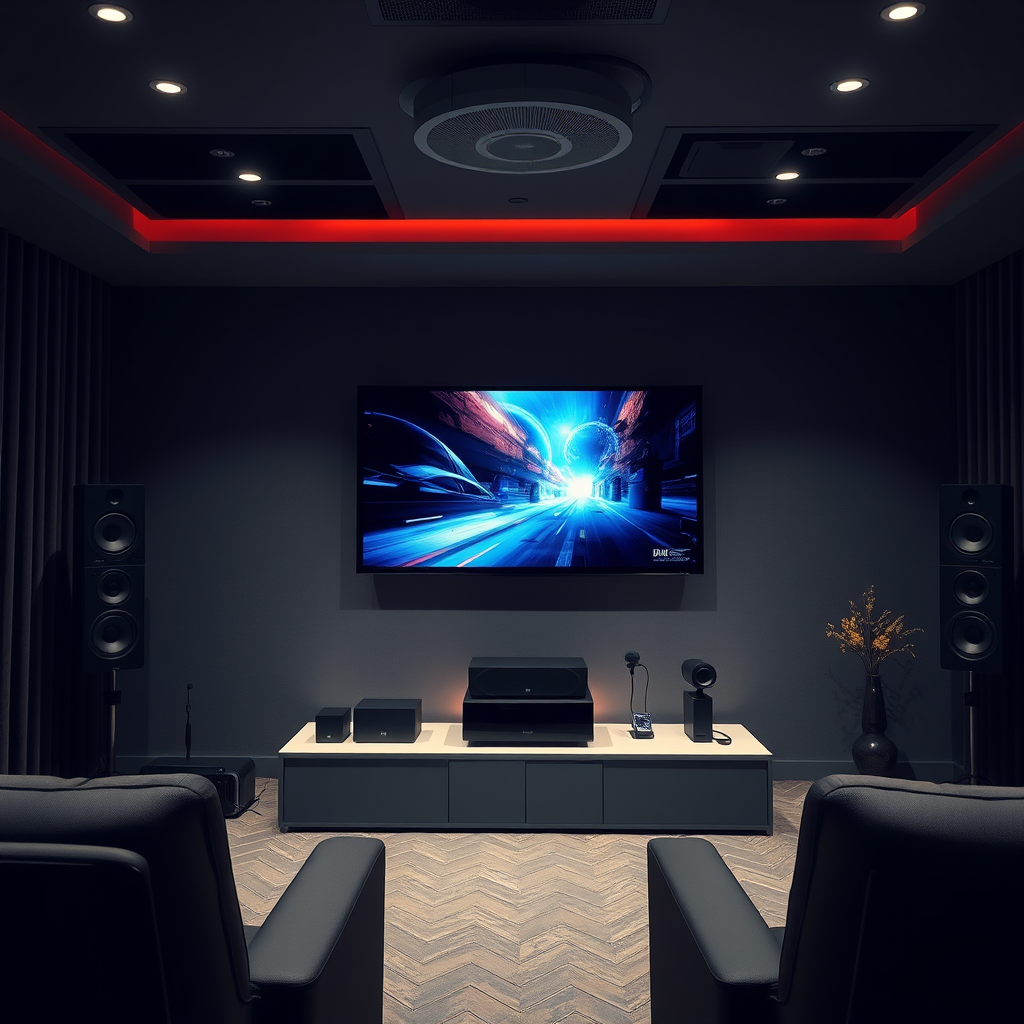
Surround sound systems are designed to create a multi-dimensional audio experience, making viewers feel like they are part of the action. The purpose of these systems is to enhance audio quality in various settings, particularly in home theaters, gaming, and music listening. Surround sound works by using multiple channels to deliver sound from different directions, mimicking how we naturally perceive sound in the real world.
The journey of surround sound began in the early 20th century with Mono sound. It evolved through stereo sound, which introduced two channels, and then progressed to multi-channel formats like 5.1, 7.1, and 9.1 systems. Over the decades, advancements in technology, such as Dolby Digital and DTS, have played a significant role in enhancing audio fidelity and creating richer soundscapes, culminating in today’s sophisticated surround sound systems.
Understanding 5.1 Sound Systems
A 5.1 sound system consists of six channels: five speakers and one subwoofer. The five speakers include three front speakers (left, center, right) and two surround speakers (left and right). The subwoofer handles low-frequency effects, providing depth and bass to the audio experience.
Ideal Use Cases for 5.1 Systems
5.1 systems are particularly well-suited for small to medium rooms, making them a popular choice for casual home theaters, gaming setups, or music listening. They deliver a robust audio experience without overwhelming the space, creating a balanced sound environment that enhances movies, video games, and music. These systems are also more budget-friendly compared to their larger counterparts, making them an attractive option for those looking to improve their audio experience without a significant financial investment.
Exploring 7.1 Sound Systems
A 7.1 sound system builds upon the foundation of a 5.1 setup by adding two additional speakers, typically placed behind the listening area. These rear speakers enhance the surround sound effect, making it more immersive by providing additional audio depth and detail.
Benefits of 7.1 Systems
7.1 systems are particularly beneficial in larger spaces, where the added speakers can fill the room with sound more effectively. They excel in creating an enveloping audio experience, which is especially noticeable in action films and immersive video games. With a 7.1 system, users can enjoy enhanced audio detail, allowing them to perceive sounds from behind them, thereby enriching the overall listening experience.
The Advantages of 9.1 Sound Systems
A 9.1 sound system takes immersion a step further by adding two additional channels that enhance spatial audio. These extra channels are often positioned above the listener, providing a vertical dimension to the sound experience.
Situations Where a 9.1 System Excels
9.1 systems are ideal for dedicated home theaters where enthusiasts seek the ultimate audio experience. They are particularly effective for content designed to utilize height channels, such as Dolby Atmos soundtracks, where sound can move above and around the listener, creating a truly three-dimensional sound environment. For filmmakers and gamers aiming to replicate a cinema-like experience, a 9.1 system can deliver the most lifelike and engaging audio experience.
Sound System Features Comparison
| # | Feature | 5.1 System | 7.1 System | 9.1 System |
|---|---|---|---|---|
| 1 | Number of Speakers | 6 | 8 | 10 |
| 2 | Ideal Room Size | Small to Medium | Medium to Large | Large |
| 3 | Subwoofer Required | Yes | Yes | Yes |
| 4 | Price Range | $300-$800 | $600-$1,200 | $1,200+ |
| 5 | Best for Movies | Yes | Yes | Yes |
| 6 | Best for Gaming | Yes | Yes | Yes |
| 7 | Best for Music | Yes | Yes | Yes |
| 8 | Immersive Experience | Moderate | High | Very High |
| 9 | Setup Complexity | Easy | Moderate | Complex |
| 10 | Overall Satisfaction | ★★★★☆ | ★★★★★ | ★★★★★ |
Factors to Consider When Choosing a Sound System
When deciding between 5.1, 7.1, and 9.1 sound systems, several factors should be taken into account.
Room Size and Layout Considerations
The size and layout of your room play a crucial role in determining which sound system is right for you. A smaller room may not benefit from the additional channels offered by a 7.1 or 9.1 system, where the sound could become overwhelming. Conversely, larger rooms can better accommodate these systems, allowing for a more immersive experience.
Budget Constraints and Audio Quality Preferences
Budget is also a significant consideration. While 5.1 systems are typically more affordable, the investment in a 7.1 or 9.1 system may be justified for audiophiles or home theater enthusiasts seeking superior sound quality. It is essential to balance your budget with your audio quality preferences to select a system that meets your needs without breaking the bank.
Installation and Setup Tips
Installing a surround sound system can be straightforward if you follow some basic guidelines.
Basic Installation Overview for Each System Type
– 5.1 Systems: Generally the easiest to set up, requiring placement of three front speakers, two surround speakers, and a subwoofer.
– 7.1 Systems: Slightly more complex due to the additional rear speakers. Placement should focus on creating an equidistant triangle around the listening position.
– 9.1 Systems: Most complex, as they require careful positioning of additional speakers for height channels. It is recommended to consult manuals or professional services for optimal setup.
Recommendations for Optimizing Speaker Placement
– Position the front speakers at ear level for optimal sound clarity.
– Surround speakers should be placed slightly above ear level and behind the listening position for an enveloping sound experience.
– The subwoofer can be placed in various locations but is often best positioned in a corner for enhanced bass performance.
Summarizing the differences among 5.1, 7.1, and 9.1 sound systems is crucial for making an informed buying decision. Each system offers unique benefits based on your space and audio needs, so consider your options carefully. Whether you want a compact setup or a full cinematic experience, understanding these differences will help you choose the best sound system for your home. Explore your options today and elevate your audio experience!
Frequently Asked Questions
What is the main difference between 5.1, 7.1, and 9.1 sound systems?
The primary difference between 5.1, 7.1, and 9.1 sound systems lies in the number of audio channels and speakers they utilize. A 5.1 system includes five main speakers and one subwoofer for surround sound, while a 7.1 system adds two additional rear speakers for a more immersive experience. The 9.1 system further enhances this by including overhead or height speakers, providing a three-dimensional audio experience perfect for home theaters.
How do I choose the right sound system for my home theater?
To choose the right sound system for your home theater, consider the size of your room, your budget, and your audio preferences. A 5.1 system is typically sufficient for smaller rooms, while a 7.1 or 9.1 system may be better suited for larger spaces where you want a more enveloping sound experience. Additionally, think about the types of media you’ll be consuming, as some formats benefit more from advanced surround sound configurations.
Why should I invest in a 9.1 sound system over a 5.1 or 7.1 system?
Investing in a 9.1 sound system can significantly enhance your audio experience, especially for movies and immersive gaming. The additional overhead speakers allow for a more realistic soundstage, making you feel like you are in the middle of the action. If you prioritize high-fidelity sound and have the space and budget for it, a 9.1 system can elevate your entertainment to a whole new level.
Which sound system is best for gaming: 5.1, 7.1, or 9.1?
For gaming, a 7.1 or 9.1 sound system is generally the best choice as they provide superior spatial awareness and immersion. The additional channels help you pinpoint sounds more accurately, enhancing your overall gaming experience. However, if you’re on a budget or have limited space, a well-configured 5.1 system can still offer satisfying audio for most gaming scenarios.
What are the installation requirements for a 9.1 sound system?
Installing a 9.1 sound system requires careful planning, as it involves placing multiple speakers, including overhead options for height effects. Ensure your room can accommodate the extra speakers and that you have the necessary wiring and receiver capabilities to support the configuration. Additionally, consider soundproofing and speaker placement to optimize the audio experience and minimize interference.
References
- Surround sound
https://en.wikipedia.org/wiki/Surround_sound - https://www.bbc.com/future/article/20201016-how-sound-works-in-the-home
https://www.bbc.com/future/article/20201016-how-sound-works-in-the-home - https://www.sciencedirect.com/topics/engineering/surround-sound
https://www.sciencedirect.com/topics/engineering/surround-sound - https://www.nytimes.com/2020/10/02/technology/personaltech/what-is-surround-sound.html
https://www.nytimes.com/2020/10/02/technology/personaltech/what-is-surround-sound.html - https://www.lhup.edu/~djfisher/5.1-7.1-9.1%20sound%20systems.pdf
https://www.lhup.edu/~djfisher/5.1-7.1-9.1%20sound%20systems.pdf - Google Scholar Google Scholar
https://scholar.google.com/scholar?q=5.1+7.1+9.1+sound+systems - Google Scholar Google Scholar
https://scholar.google.com/scholar?q=surround+sound+technology - https://pubmed.ncbi.nlm.nih.gov/?term=surround+sound
https://pubmed.ncbi.nlm.nih.gov/?term=surround+sound - https://www.theguardian.com/technology/2021/mar/02/what-is-surround-sound
https://www.theguardian.com/technology/2021/mar/02/what-is-surround-sound - https://www.britannica.com/topic/surround-sound
https://www.britannica.com/topic/surround-sound