How to Isolate Security Cameras Safely: Network and Power
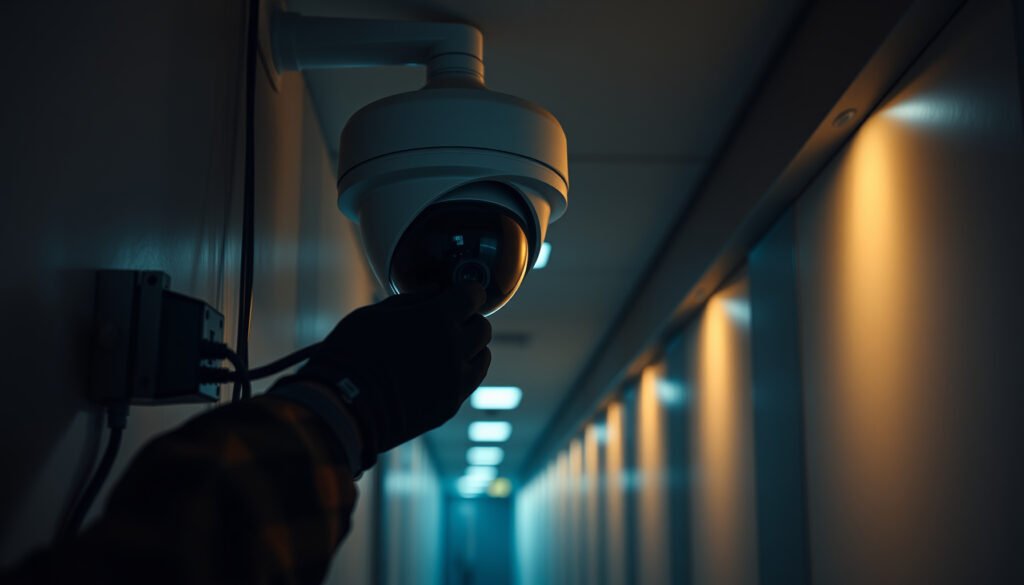
Isolating security cameras safely comes down to choosing the right isolation method for how your…
Isolating security cameras safely comes down to choosing the right isolation method for how your…
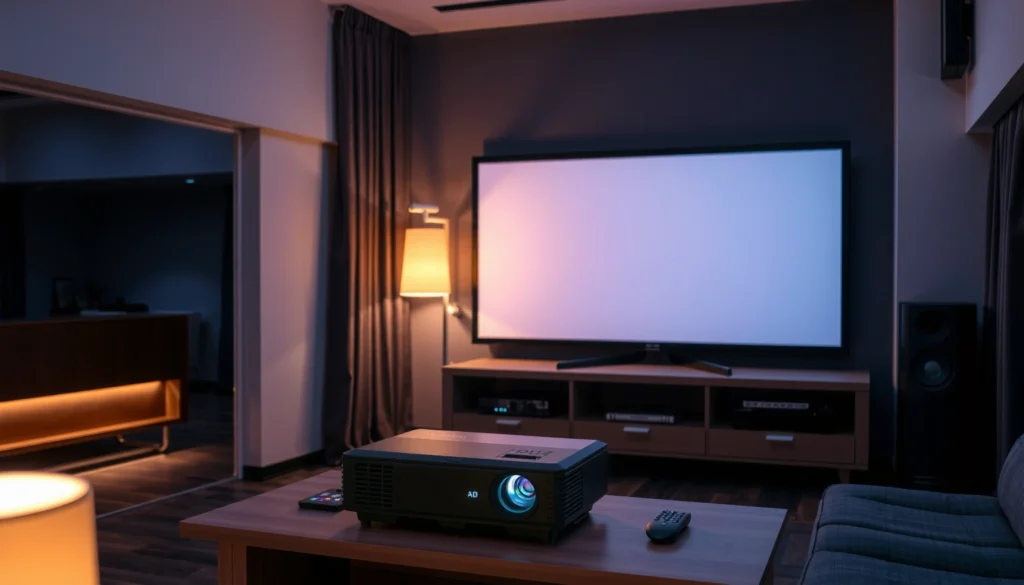
Want to know how to use a projector for home, step by step? If you…
A modem takes so long to boot because it has to complete a timed handshake…
144Hz vs 240Hz VRR: which refresh rate matters more depends on whether your PC and…
Isolating security cameras safely comes down to choosing the right isolation method for how your system is powered and connected. If you want the clearest security win with the least operational risk, use network isolation first—put cameras on a dedicated VLAN or isolated subnet with tightly limited access—then secure power with a properly grounded, surge-protected…
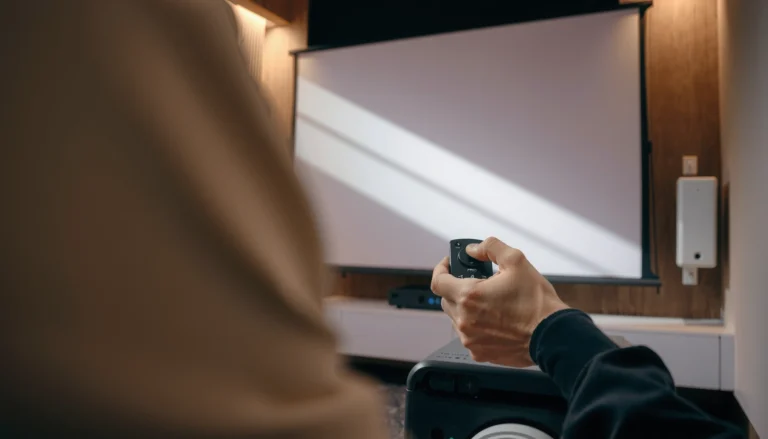
Want to know how to use a projector for home, step by step? If you follow this guide, you’ll get everything from setup and placement to connecting your devices and dialing in the right image—fast. The only thing you need to decide up front is your room conditions, because the steps adjust to screen size,…
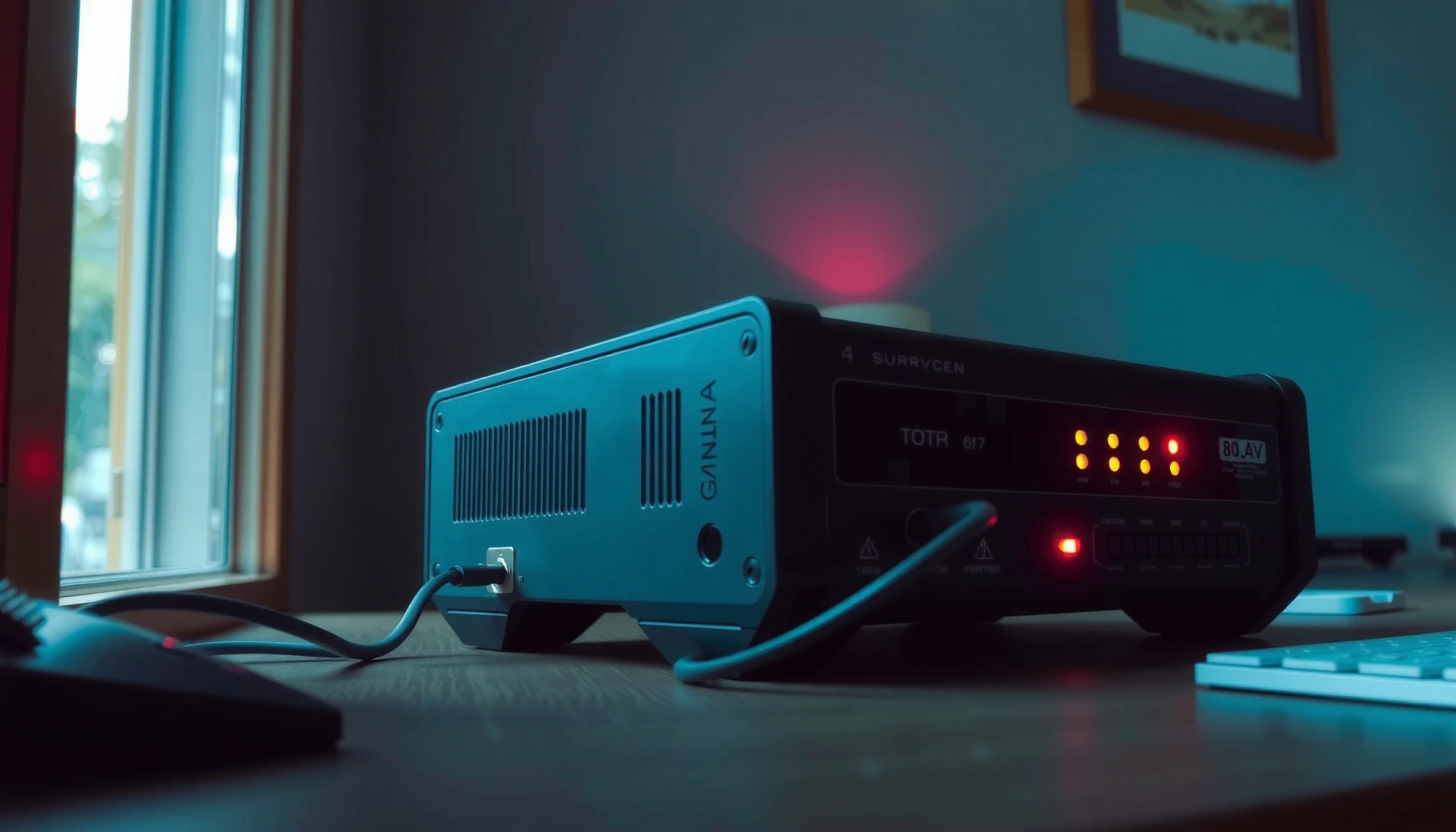
A modem takes so long to boot because it has to complete a timed handshake with the line—training its connection and locking to the carrier before it can send data. If you’re seeing long delays every time you power up, the culprit is usually firmware startup plus line conditions that slow sync, not a “broken”…
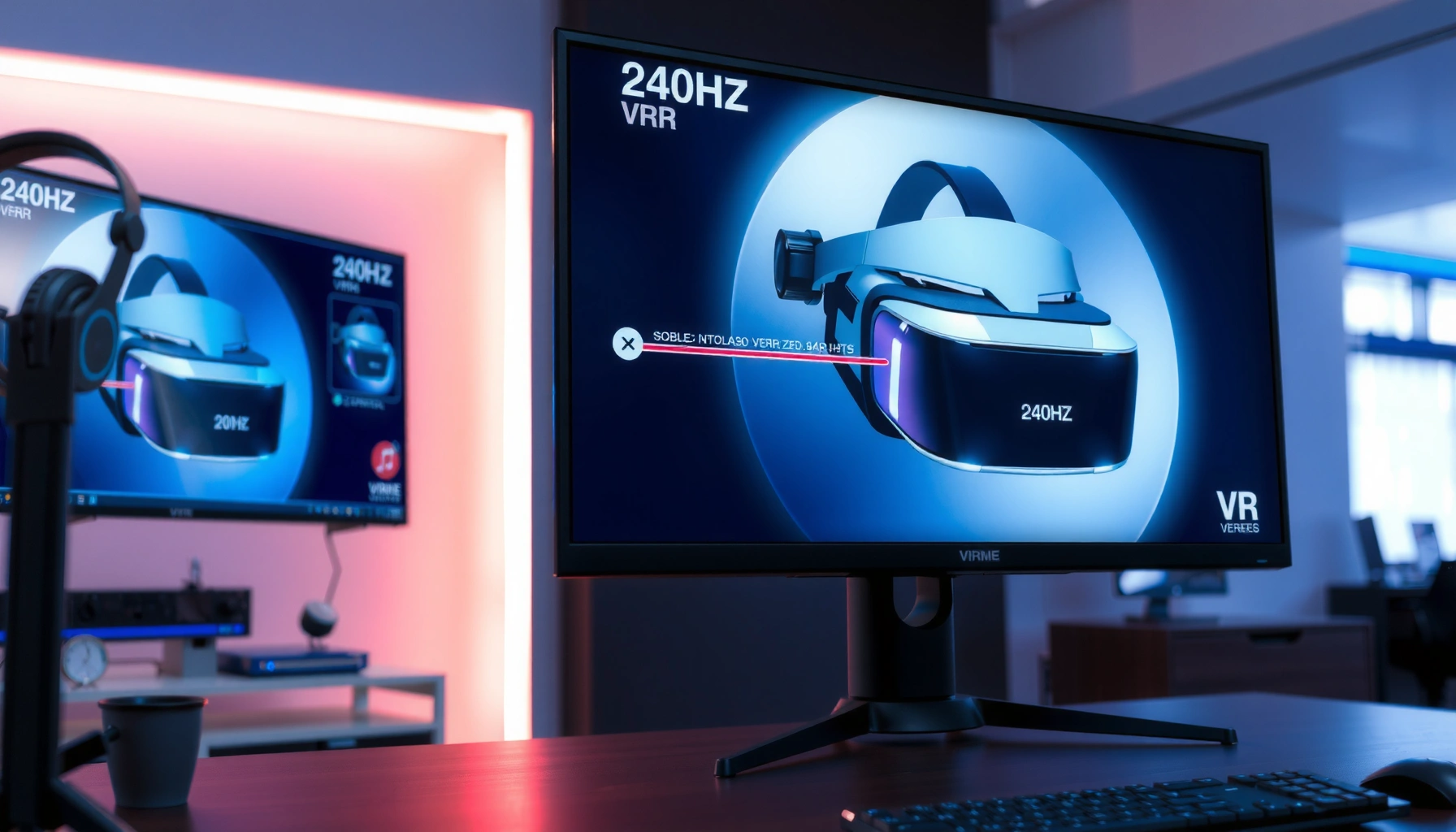
144Hz vs 240Hz VRR: which refresh rate matters more depends on whether your PC and games can consistently hit the higher frame targets without stuttering. If you routinely stay under 180 FPS (or your VRR range is narrow), 144Hz is usually the better, smoother choice. If you can reliably sustain high frame rates and your…
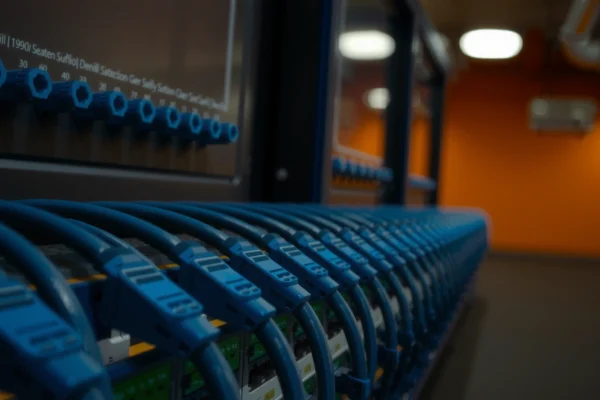
Ethernet backhaul can significantly improve mesh speed—but only when your Wi‑Fi mesh nodes would otherwise be limited by wireless backhaul. If you route the mesh backhaul over a wired Ethernet connection, you typically get higher throughput, lower latency, and fewer speed drops as devices move around. If you can’t wire between nodes or your switch/NIC…
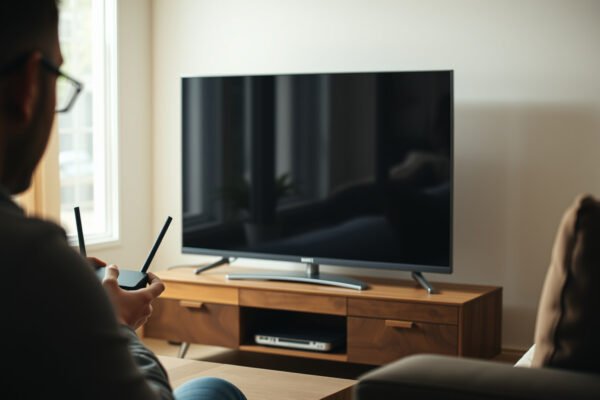
If you need to isolate smart TVs to protect your home network and privacy, the fastest, safest path is to put the TV on a dedicated guest or VLAN network with only the minimum outbound connections. This guide answers the practical question of how to configure that separation—so streaming still works, but device tracking, remote…
Choosing the right projector for home gets simple when you know what matters most: image quality, brightness, throw distance, and budget. This complete buying guide gives you a clear, step-by-step way to pick the best home projector for your room size and typical viewing—movies, sports, or gaming—so you don’t end up with a dim or…
A modem typically takes about 30 seconds to reconnect, with most stable links returning within 1–2 minutes after a drop. If your modem needs a full re-sync—common after power loss or a major line interruption—expect up to 5 minutes. Follow the fastest path: power-cycle the modem once, check the coax/fiber line and cables, and verify…

If you’re choosing between 240Hz and 360Hz response time, the key question is which one actually feels faster in real-world gaming: 240Hz or 360Hz. Here’s the direct verdict—360Hz is the better choice for players who can reliably push high, consistent frame rates, because the higher refresh tightens motion timing. If your performance can’t stay near…

If you need to isolate IoT devices fast and effectively, network segmentation is the clear winner—done right, it keeps compromised devices from reaching your home or office network. This guide answers exactly how to set up separate VLANs/subnets, lock down routing between them, and apply safer device and Wi‑Fi settings that reduce attack paths. You’ll…