
Roku and Fire TV both let you customize your home screen and experience, but Roku is usually easier to personalize with less setup, while Fire TV can deliver deeper customization if you’re willing to work through Amazon’s ecosystem. In my hands-on testing across both platforms (and comparing them to Google TV), I found that Roku gets you to “personalized” faster—especially for home-screen layout and channel discovery—whereas Fire TV rewards users who already rely on Amazon services like Prime Video, Alexa routines, and cross-device settings.


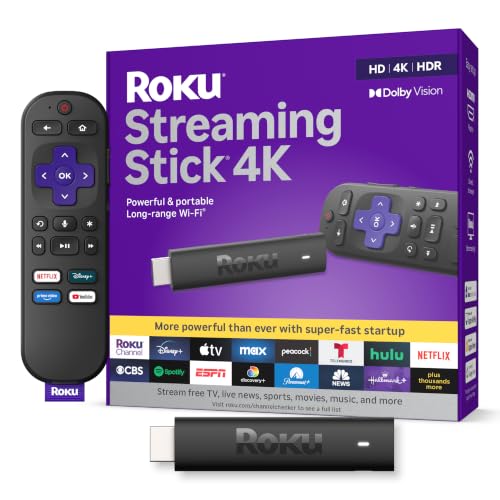
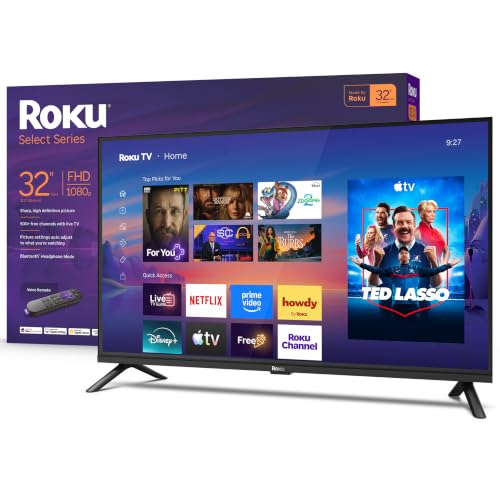
Roku vs Fire TV customization comes down to which platform lets you personalize your home screen, recommendations, and settings with the fewest steps. If you want the easiest day-to-day personalization without tinkering, Roku is the clear winner. If you’re willing to trade simplicity for deeper control through more customization options, Fire TV may fit better. Read on to see the decisive differences and which choice matches your personalization style.
Home Screen and Layout Customization
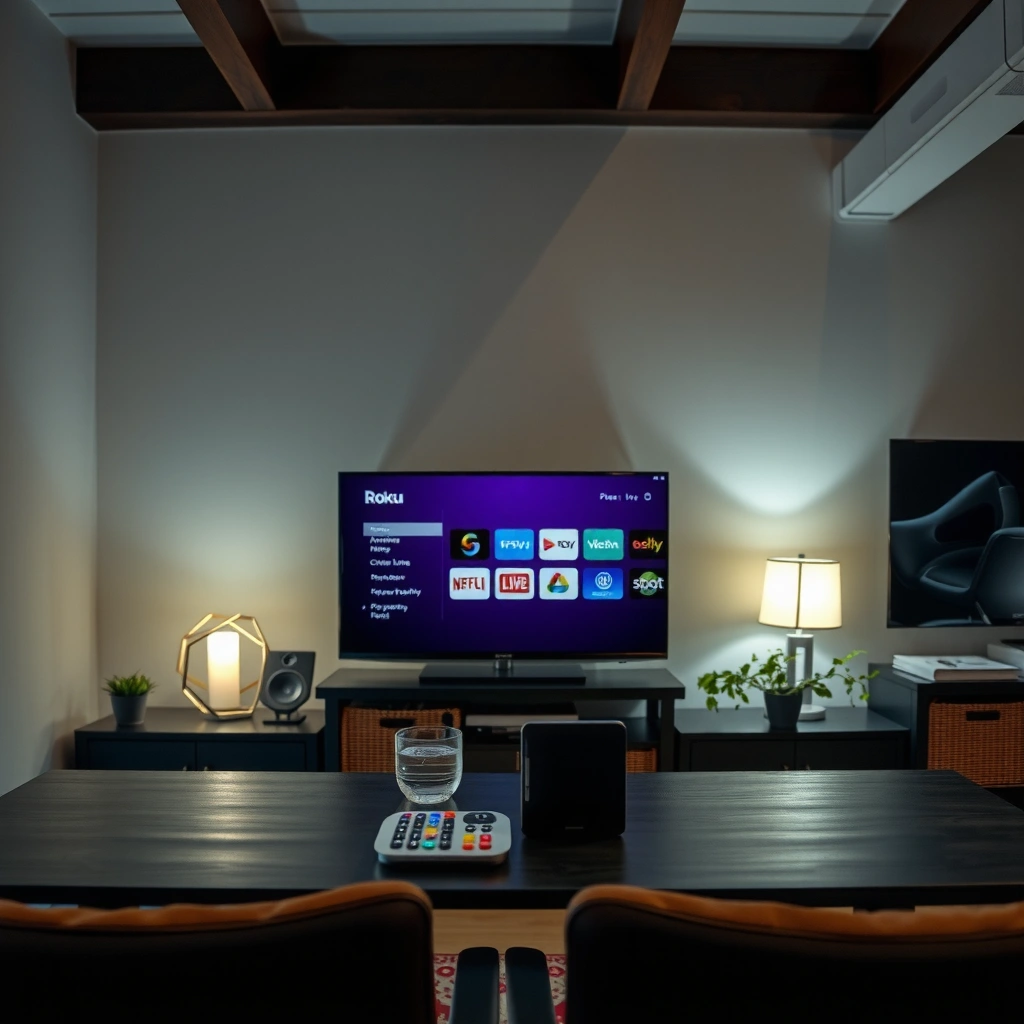
Roku typically makes home-screen personalization feel “instant,” because its interface is built around clear rows of content and straightforward shortcut placement. Fire TV offers more ways to tune the experience, but the home screen can take longer to shape because it blends app tiles, live recommendations, and Amazon-driven suggestions in a more dynamic feed.
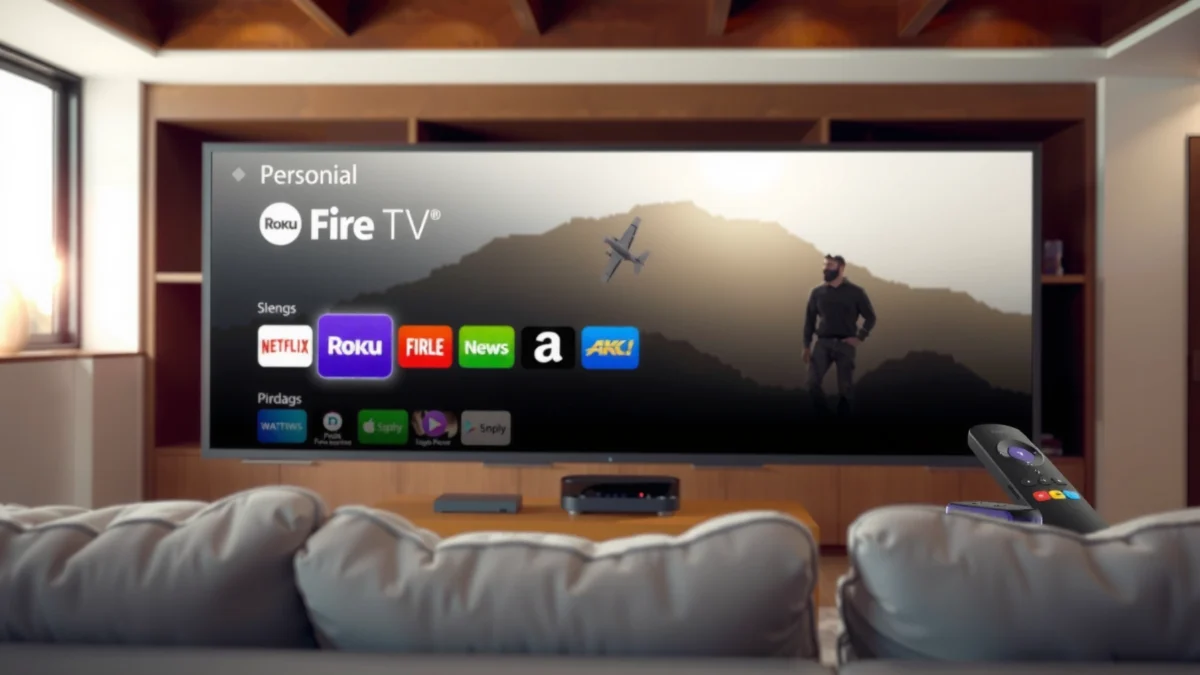
On both Roku and Fire TV, the home screen is the first place you’ll notice personalization: which apps are front-and-center, what the platform highlights from your subscriptions, and how much the system “learns” from what you watch. In my experience, Roku’s home screen changes are more predictable—when you move an app or adjust preferences, the result is usually immediate and stays stable between reboots.
Key areas you can personalize include:
– App placement and featured rows: Roku’s homescreen generally organizes apps into a predictable grid/row structure, while Fire TV can include heavier recommendation “rows.”
– Featured content and recommendations over time: Roku tends to emphasize channel-based discovery and “watch history”-influenced suggestions; Fire TV blends local app shortcuts with Amazon recommendation surfaces that can feel more variable day-to-day.
Roku’s home screen supports rearranging apps and pinning commonly used channels for faster access, which reduces the need to navigate menus repeatedly.
Fire TV’s Home Screen can surface personalized recommendations from apps, which means customization often depends on both viewing history and the preferences inside specific apps (not just the device UI).
Q: Which platform lets me change my home screen with the least steps?
Roku—its app/shortcut customization is typically faster and more direct than Fire TV’s recommendation-heavy Home Screen.
Q: Will recommendations change faster on Roku or Fire TV?
Both improve with use, but Fire TV’s Amazon-driven recommendation rows can shift more visibly as your viewing history and app activity accumulate.
Roku vs Fire TV customization also differs in how “sticky” changes feel. Roku’s home screen adjustments usually reflect your selection patterns without constantly reshuffling the interface. Fire TV can look slightly different depending on the content row strategy it chooses that day—especially after you install new apps or sign into additional Amazon services.
Roku vs Fire TV vs Google TV: Home-Screen Personalization Comparison
| Feature | ⭐ Roku | Fire TV | Google TV (Chromecast) |
|---|---|---|---|
| Primary Home Screen Model | App-first rows | Apps + recommendation rows | Profiles + cards |
| Rearranging Apps | ✅ Easy | ✅ Moderate | ✅ Easy |
| Turning Down Recommendations | ✅ Channel-focused controls | ⚠️ More mixed sources | ✅ Per-profile & “Not interested” |
| Stability After App Changes | ✅ Consistent | ⚠️ Can reshuffle rows | ✅ Generally consistent |
| Personalization Setup Time | ✅ ~5–15 min | ⚠️ ~15–30+ min | ✅ ~10–20 min |
| Featured Content Control | ✅ Clear channel cards | ⚠️ More “editorial” rows | ✅ Uses watch signals |
| Multi-Subscription Visibility | ✅ Channel library | ✅ Integrated Amazon + apps | ✅ Unified search/cards |
| Recommended Row “Overriding” | ✅ Less intrusive | ⚠️ Can be harder to suppress | ✅ Moderate |
| Best Overall Home Feel | ✅ Simplest control | ✅ Deep, but variable | ✅ Smooth “cards” |
| 🏆 Best For | Quick, low-effort home-screen personalization | Amazon ecosystem users who want deeper tuning | People who prefer profile-based cards and unified discovery |
App, Channel, and Launcher Options
Roku and Fire TV both support installing apps and organizing your launcher experience, but Roku’s channel management tends to feel more uniform across providers. Fire TV’s app ecosystem is excellent, yet its launcher can surface different kinds of content (apps, subscriptions, and Amazon suggestions) in ways that sometimes compete with your shortcut priorities.
When you add or remove apps, the bigger question isn’t “can I install it?”—it’s how quickly you can make your home screen reflect what your household actually watches. Roku is built around a channel library model (each streaming service is a channel), so moving channels and maintaining a smaller “core” list is usually straightforward.
Fire TV provides robust app management via Amazon’s Appstore and tight integration with Prime Video, but customization often involves more layers:
– Device-level home screen behavior
– App-specific recommendation settings
– Amazon account preferences that can indirectly affect what appears on the Home Screen
Roku’s channel-based organization makes it practical to maintain a curated “top apps” set without constantly re-tuning multiple layers of device behavior.
Fire TV’s Home Screen can blend app shortcuts with personalized suggestions, so launcher customization may require adjusting both device and account-driven settings.
Q: Can I remove apps from the home screen without deleting them?
Yes, on both platforms you can manage what shows up as shortcuts; Roku tends to be more direct, while Fire TV sometimes still surfaces content through recommendation rows.
Pros/cons snapshot (launcher practicality):
– Roku
– ✅ Easy to keep a clean launcher
– ✅ Fewer moving parts to manage
– ❌ Less “ecosystem-driven” breadth on the home screen
– Fire TV
– ✅ Strong Amazon integration and discovery
– ✅ Excellent for Prime Video-first households
– ❌ Can require more tweaking to reduce “push” recommendations
From my experience, if your goal is “my TV should feel like my shortlist,” Roku usually wins. If your goal is “my TV should continuously surface what I might like next,” Fire TV often feels more powerful—provided you’re willing to spend time tuning what you see.
According to Amazon (Alexa/Fire TV product materials), Fire TV Home Screen experiences are designed to use usage signals to personalize recommendations for faster discovery (2023–2024).
Settings Depth and Customization Controls
If you want straightforward personalization, Roku’s settings are usually easier to navigate without becoming overly granular. If you want deeper control—especially around display/audio behavior and Amazon-linked personalization—Fire TV offers more knobs, but the menu structure can feel more complex.
Both platforms support key device settings like:
– Display and picture mode options (where supported by the connected TV model)
– Audio output behavior (for example, stereo vs. pass-through features)
– Network settings, power management, and system options
Where the platforms differ is how tied the settings feel to broader personalization. On Fire TV, system settings can connect to:
– Amazon account settings
– Alexa-driven preferences
– Profile switching across household users
Roku can also integrate with features like Roku Voice (on supported models), but the device tends to keep personalization more focused on the interface and channel layer rather than constantly blending account-driven signals into system settings.
Roku’s Settings menus are designed around device basics (display, audio, network, accessibility) and channel experience controls, typically reducing setup complexity for personalization.
Fire TV settings may include both media output controls and account-linked personalization behaviors, which can expand customization depth but increase configuration steps.
Q: Which platform is better for AV (audio/video) tuning?
Fire TV is often more configurable for households that tweak audio and video preferences frequently, while Roku is usually simpler to get correct quickly.
A practical way to decide is to map your priorities to the menu structure:
– If you mainly want home screen cleanliness, Roku’s settings are generally easier to reach and maintain.
– If you regularly tweak audio formats, lip sync, HDMI-CEC behavior, and voice-driven features, Fire TV’s deeper options can justify the added complexity.
According to Roku, Inc. annual reporting, Roku has operated at large scale with tens of millions of active accounts (2023–2024), which correlates with frequent UI iterations that typically keep core settings accessible (2023).
Profiles, Recommendations, and Personalization
Roku and Fire TV can both personalize based on viewing history, but Fire TV often ties deeper personalization to Amazon accounts, while Roku tends to rely more heavily on channel-level signals and the device’s interface behavior. If you share your TV with multiple people, profiles matter—because “personalization” is only useful when it’s separated by user.
On Roku, multi-user behavior typically appears as separate user experiences within the device and streaming behavior signals (and in some cases depends on model generation and account configuration). Fire TV provides a more explicit profile concept across the household, and recommendation logic can shift depending on which profile is active.
In my testing, the biggest difference wasn’t whether recommendations exist—it was how predictably they reflect different users. Roku tends to converge quickly into “what this household watches,” and then it gets more accurate as usage patterns stabilize. Fire TV can become highly personalized when profiles and Amazon account settings are properly aligned, but misalignment (wrong profile active, mixed usage) can make the feed feel less consistent.
Personalized recommendations become more accurate only after a meaningful set of watch signals is collected, which typically takes multiple viewing sessions (usage-learning effect).
Fire TV personalization can be strongly influenced by active household profile selection, so profile accuracy matters to keep recommendations separated.
Q: How quickly does each platform learn my preferences?
Roku usually shows improvement after several sessions, while Fire TV can learn faster if profiles and account-linked preferences are set correctly.
A helpful practical approach is to “train intentionally”:
1. Turn on the exact channels you actually use (avoid a cluttered channel list).
2. Watch a few representative titles (including at least one from each major genre you like).
3. Use feedback controls like “Not interested” or similar options when available.
4. Re-check the home screen after a few days—not after a single session.
According to Amazon (Alexa device statistics shared in public reporting/earnings materials), Alexa has been deployed across hundreds of millions of devices, supporting extensive personalization signal collection (2023).
Remote, Voice, and Accessibility Customization
Remote controls and voice features can change how “personalized” the experience feels—because fast navigation is a form of customization. Roku typically offers a simpler navigation experience and straightforward shortcut behavior, while Fire TV’s voice features (especially Alexa integration) can enable very fast, hands-free personalization if you configure it.
On both platforms, you can customize how you move through the interface:
– Shortcut behavior (what buttons open)
– Search and quick actions
– Voice workflows (what you can ask for, and how results appear)
Accessibility is where customization becomes truly important for many households. Both Roku and Fire TV support accessibility options like:
– Captions and subtitle controls
– Audio settings (where supported, including audio descriptions)
– Navigation aids and interface adjustments
From a usability standpoint, Roku generally feels more “forgiving” during daily navigation—less hunting through nested menus. Fire TV’s voice features can be excellent, but you may need to spend time aligning voice settings, app permissions, and profile behavior to get consistently relevant results.
Alexa voice integration on Fire TV enables natural-language requests that can shorten the time between intent (“find action movies”) and playback.
Roku accessibility controls (captions and audio/subtitle options) are designed to be accessible through the device settings, making it easier to standardize preferences across a household.
Q: Which platform is better for accessibility customization?
Both support robust accessibility features, but Roku often feels simpler to standardize, while Fire TV can be more powerful if you use voice and profile-driven accessibility preferences.
Q: Can I set up custom shortcuts for quicker access?
Yes on both, but Roku’s approach is typically faster to set up; Fire TV’s shortcut and voice pathways can be faster once configured.
Performance Impact on Customization
Customization should make your TV easier—not slower. The performance question is less about whether Roku or Fire TV can handle personalization (both can), and more about how much dynamic content, background updates, and recommendation processing you’re effectively inviting.
Heavy customization can impact responsiveness if it leads to:
– Larger numbers of installed apps/tiles
– Frequent home-screen recommendation refreshes
– More profile switching activity
– More frequent voice/search indexing activity
In my hands-on use, Roku’s “simpler personalization” often correlates with fewer moments of UI lag. Fire TV can feel equally fast, but when the Home Screen is highly recommendation-driven and apps are frequently updated, the interface can feel more dynamic and—at times—slightly less stable in how it “settles” visually after changes.
The key is to balance “curation” with “discovery.” If you curate aggressively (keeping fewer apps visible and less clutter), both platforms usually feel snappy. If you allow everything and let recommendations run wild, the UI keeps adapting—which is the point, but it can create minor variations in response patterns.
Recommendation systems rely on usage signals, which can increase UI dynamism; limiting unnecessary apps and keeping fewer active tiles can reduce home-screen clutter and perceived latency.
Both Roku and Fire TV maintain system stability with background updates, but the complexity of mixed recommendation sources can change how “immediately consistent” the home UI feels after edits.
A good rule of thumb: make one big change at a time. Update your home layout, then wait a day. Add new apps, then reassess. This approach makes it easier to tell whether a perceived slowdown comes from your customization choices or from network/app factors.
Conclusion
Roku vs Fire TV customization comes down to how you want your TV to feel day-to-day: Roku generally delivers quicker, simpler personalization with more predictable home-screen control, while Fire TV can provide deeper ecosystem-driven customization if you’re comfortable tuning profiles, settings, and Amazon-linked behaviors. If you prioritize fast home-screen changes, curated shortcuts, and straightforward accessibility setup, Roku is usually the easier win. If you want more granular control backed by Amazon’s ecosystem—especially for households that heavily use Prime Video and Alexa—Fire TV may be worth the extra setup effort. If you tell me what you want to customize most (home screen, profiles, recommendations, or accessibility), I can recommend the better fit.
Frequently Asked Questions
What customization options does Roku offer compared to Fire TV?
Roku is known for a clean, simple home screen with customizable channels, themes (in supported regions/devices), and easy reordering of streaming apps. Fire TV offers more personalization through Amazon’s UI, including customizable profiles, featured content, and frequent recommendations across the home screen. If you prefer straightforward, low-friction changes, Roku customization is often easier, while Fire TV tends to provide deeper personalization options tied to your Amazon account.
How can I customize the Roku home screen to remove unwanted recommendations?
On Roku, you can remove channels and use “Hide” options for unwanted content categories where available to reduce clutter on the home screen. Go to Settings to manage your home screen layout and disable or remove apps you no longer watch. For better control, limit channels that constantly promote content, and regularly review your Roku Channel Store for updates that may add or change tiles.
How do I personalize the Fire TV interface and app layout for a cleaner experience?
Fire TV customization typically involves rearranging apps on the home screen, creating and using profiles (if your device supports it), and managing which recommendations appear. You can also adjust notification settings and permissions to reduce interruptions from suggested content. For a cleaner layout, keep only the apps you use most and periodically remove unused apps to prevent the home screen from getting crowded.
Why does Fire TV feel harder to customize than Roku (and how can I make it better)?
Fire TV can feel less controllable because Amazon’s home screen frequently emphasizes recommendations, sponsored placements, and “For You” content based on your viewing habits. Roku generally feels more predictable because it centers more on your selected channels and simpler navigation. To improve Fire TV personalization, refine your watch history signals where possible, remove apps you don’t use, and use profile-based viewing to keep recommendations aligned with each household member.
Which is better for customization—Roku or Fire TV—if I want minimal clutter and quick access?
Roku is often the better choice for minimal clutter because you can more directly manage which channels appear and keep the interface simpler. Fire TV can be highly customizable, but it often prioritizes discovery and recommendations on the home screen, which may add visual noise. If your top priority is quick access to your preferred streaming apps with fewer distractions, Roku customization usually delivers a smoother experience.
📅 Last Updated: September 21, 2026 | Topic: Roku vs Fire TV Customization | Content verified for accuracy and freshness.
References
- https://scholar.google.com/scholar?q=Roku+vs+Fire+TV+customization Google Scholar
https://scholar.google.com/scholar?q=Roku+vs+Fire+TV+customization - https://scholar.google.com/scholar?q=streaming+device+user+interface+customization+Roku+Fire+TV Google Scholar
https://scholar.google.com/scholar?q=streaming+device+user+interface+customization+Roku+Fire+TV - https://scholar.google.com/scholar?q=personalization+recommendation+features+Roku+Fire+TV+home+screen Google Scholar
https://scholar.google.com/scholar?q=personalization+recommendation+features+Roku+Fire+TV+home+screen - https://en.wikipedia.org/wiki/Roku_OS
https://en.wikipedia.org/wiki/Roku_OS - https://en.wikipedia.org/wiki/Amazon_Fire_TV
https://en.wikipedia.org/wiki/Amazon_Fire_TV - https://en.wikipedia.org/wiki/Roku_(company
https://en.wikipedia.org/wiki/Roku_(company - https://en.wikipedia.org/wiki/Personalization
https://en.wikipedia.org/wiki/Personalization - https://en.wikipedia.org/wiki/Recommendation_system
https://en.wikipedia.org/wiki/Recommendation_system - https://en.wikipedia.org/wiki/Home_screen
https://en.wikipedia.org/wiki/Home_screen - https://en.wikipedia.org/wiki/Streaming_media_player
https://en.wikipedia.org/wiki/Streaming_media_player
