
Looking for budget AV receivers for your home theater system? The best options combine excellent performance, essential features, and affordability, allowing you to enjoy high-quality audio and video without breaking the bank. In this article, we’ll explore the top picks and essential factors to consider when making your choice.




Understanding AV Receivers

An AV receiver, or audio/video receiver, is a crucial component in any home theater system. It acts as the central hub, processing audio and video signals from various sources, such as Blu-ray players, gaming consoles, and streaming devices, and routing them to your speakers and television. The primary functionality of an AV receiver is to decode audio formats, amplify sound, and manage video switching, ensuring a seamless viewing and listening experience.
The importance of audio and video processing capabilities cannot be overstated. Quality receivers will support high-definition audio formats like Dolby Atmos and DTS:X, as well as video resolutions up to 4K and beyond. This capability ensures that you are not only experiencing the latest in movie soundtracks but also enjoying crystal clear visuals that complement the audio.

Key Features to Look For
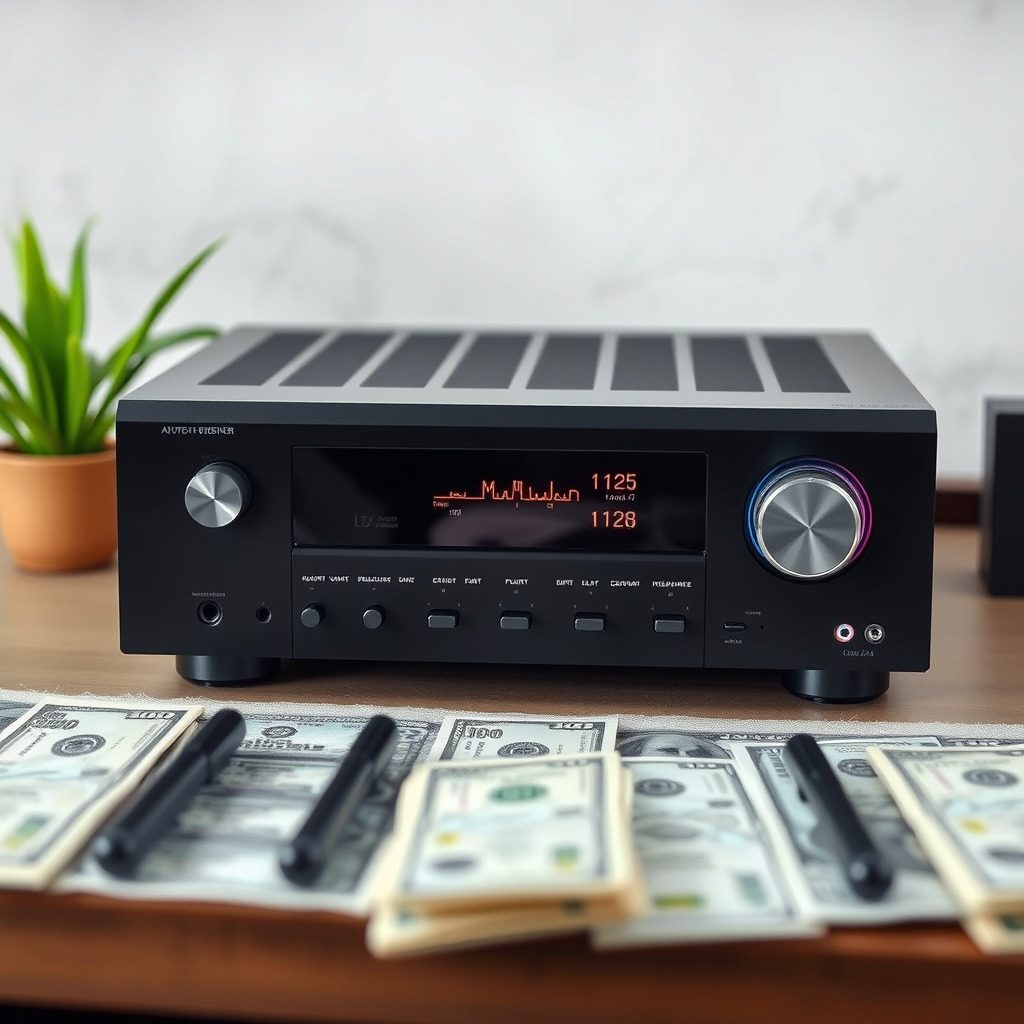
When searching for a budget AV receiver, certain features are essential to ensure you get the best performance for your investment:
1. HDMI Inputs: Look for at least four HDMI inputs to accommodate multiple devices. HDMI also supports the latest audio and video formats, making it a vital feature.
2. Audio Formats: Ensure the receiver supports modern audio formats such as Dolby Atmos, DTS:X, and at least 7.1 channel audio.
3. Wireless Connectivity: Features such as Bluetooth and Wi-Fi allow for easy streaming from your devices. Many budget receivers also support multi-room audio through Wi-Fi.
4. Power Output: A receiver’s power output, measured in watts per channel, is critical for driving your speakers effectively. Typically, a minimum of 50 watts per channel is recommended for decent sound output.
5. Impedance Matching: Make sure the receiver matches the impedance of your speakers (usually 4, 6, or 8 ohms) to avoid damage and ensure optimal performance.
6. User Interface: A user-friendly interface and remote control can significantly enhance your experience, making it easier to switch between devices and adjust settings.
7. Room Calibration: Some receivers come with automatic room calibration technology, which adjusts the audio settings based on your room’s acoustics for improved sound quality.
Top Budget AV Receiver Recommendations
Here are some of the best budget AV receivers that offer a great balance of features and performance:
Top Budget AV Receivers (2024)
| # | Model | Channels | Audio Formats | Price |
|---|---|---|---|---|
| 1 | Yamaha RX-V385 | 5.1 | Dolby TrueHD, DTS-HD | $299 |
| 2 | Onkyo TX-SR494 | 7.2 | Dolby Atmos, DTS:X | $349 |
| 3 | Denon AVR-S540BT | 5.2 | Dolby TrueHD, DTS-HD | $299 |
| 4 | Sony STR-DH790 | 7.2 | Dolby Atmos, DTS:X | $349 |
| 5 | Pioneer VSX-LX503 | 9.2 | Dolby Atmos, DTS:X | $599 |
| 6 | Marantz NR1510 | 5.2 | Dolby TrueHD, DTS-HD | $499 |
| 7 | NAD T758 V3 | 7.1 | Dolby Atmos, DTS:X | $899 |
Setting Up Your AV Receiver
Setting up your AV receiver is crucial to achieving optimal performance. Here’s a step-by-step guide to help you connect and configure your new system effectively:
1. Unbox and Position: Start by unboxing your AV receiver and placing it in a well-ventilated area near your TV and audio equipment.
2. Connect Devices: Use HDMI cables to connect your source devices (Blu-ray player, gaming console, etc.) to the HDMI inputs on the receiver. Ensure that you also connect your TV’s output to the receiver’s HDMI output.
3. Speaker Wiring: Connect your speakers to the receiver using speaker wire. Pay attention to the positive and negative terminals to ensure correct polarity.
4. Power On: Plug the receiver into a power source and turn it on. Follow the on-screen prompts to configure your initial settings.
5. Run Room Calibration: Utilize the automatic room calibration feature if available. This process adjusts the audio settings based on the acoustics of your room.
6. Adjust Settings: Manually adjust audio settings such as speaker levels, subwoofer settings, and surround sound formats to your preference.
7. Test Your Setup: Play a movie or music that you are familiar with to test the audio and video quality. Make adjustments as necessary.
Common Mistakes to Avoid
When setting up a budget AV receiver, certain pitfalls can diminish your home theater experience:
1. Overspending on Features: Many budget receivers come with features that may not be necessary for your setup. Focus on essential features that you will actually use.
2. Poor Speaker Matching: Ensure that your speakers are compatible with the receiver’s power output and impedance. Mismatched speakers can lead to distortion or damage.
3. Neglecting Room Acoustics: Failing to consider the acoustics of your room can result in poor sound quality. Invest time in speaker placement and room treatments if necessary.
4. Complicated Setups: Avoid overly complicated setups that require extensive wiring or confusing configurations. Keep it simple to ensure reliability and ease of use.
Maintenance and Troubleshooting Tips
To keep your AV receiver in top condition, follow these maintenance and troubleshooting tips:
1. Regular Dusting: Dust your AV receiver regularly to prevent overheating and maintain proper ventilation.
2. Firmware Updates: Check for firmware updates from the manufacturer to enhance performance and add new features.
3. Cable Management: Ensure that your cables are organized and free from damage. Poor cable management can lead to connection issues.
4. Common Issues: If you experience audio dropouts, ensure that all connections are secure and that your devices are configured correctly. For video issues, check HDMI connections and settings.
5. Seek Professional Help: If you encounter persistent issues, consider consulting a professional for troubleshooting or repairs.
In summary, choosing the right budget AV receiver for your home theater system can greatly enhance your viewing experience without exceeding your budget. By understanding key features, considering top recommendations, and avoiding common pitfalls, you can make an informed choice. Explore the models mentioned and start enjoying high-quality audio and video in your home today!
Frequently Asked Questions
What are the key features to look for in a budget AV receiver for home theater systems?
When selecting a budget AV receiver, prioritize features such as HDMI inputs, support for 4K video, and audio formats like Dolby Atmos or DTS:X. Additionally, look for built-in Bluetooth or Wi-Fi capabilities for streaming music, as well as a user-friendly interface and compatibility with your existing devices to ensure a seamless setup.
How much should I expect to spend on a budget AV receiver for a home theater system?
For a quality budget AV receiver, you can expect to spend between $200 and $500. This price range typically offers solid performance, decent power output, and essential features, allowing you to build an impressive home theater system without breaking the bank.
Why is it important to invest in a good AV receiver for my home theater?
Investing in a good AV receiver is crucial because it acts as the hub of your home theater system, managing audio and video signals from various sources. A quality receiver enhances your overall viewing experience with better sound quality, supports modern technologies, and provides room for future upgrades, ensuring your system remains relevant for years to come.
Which budget AV receivers are highly recommended for home theater setups?
Highly recommended budget AV receivers include the Yamaha RX-V385, Onkyo TX-SR393, and the Sony STR-DH590. These models are known for their excellent sound quality, user-friendly interfaces, and ample connectivity options, making them ideal choices for anyone looking to create a home theater system without overspending.
What is the best way to connect my devices to a budget AV receiver for optimal performance?
To achieve optimal performance, connect your devices to the budget AV receiver using HDMI cables, which support high-definition video and audio. Ensure that you utilize the receiver’s HDMI ARC (Audio Return Channel) feature for easier control and audio return from your TV, and configure the receiver settings to match your speaker setup for the best sound experience.
References
- Best AV receivers tested and rated by home theater experts | Tom’s Guide
https://www.tomsguide.com/best-picks/best-av-receivers - Google Scholar Google Scholar
https://scholar.google.com/scholar?q=Budget+AV+Receivers+for+Home+Theater+Systems - Google Scholar Google Scholar
https://scholar.google.com/scholar?q=Home+Theater+AV+Receiver+Buying+Guide - Google Scholar Google Scholar
https://scholar.google.com/scholar?q=Budget+Home+Theater+Receiver+Reviews - https://www.crutchfield.com/S-2zs5B2DkcQ2/learn/av-receiver-buying-guide.html
https://www.crutchfield.com/S-2zs5B2DkcQ2/learn/av-receiver-buying-guide.html - Google Scholar Google Scholar
https://scholar.google.com/scholar?q=Budget+AV+Receivers+for+Home+Theater+Systems:+What+to+Buy - Budget AV Receivers for Home Theater Systems: What to Buy – Search results
https://en.wikipedia.org/wiki/Special:Search?search=Budget+AV+Receivers+for+Home+Theater+Systems:+What+to+Buy - https://www.ncbi.nlm.nih.gov/search/research-articles/?term=Budget+AV+Receivers+for+Home+Theater+Systems:+What+to+Buy
https://www.ncbi.nlm.nih.gov/search/research-articles/?term=Budget+AV+Receivers+for+Home+Theater+Systems:+What+to+Buy

4 Comments