
Roku vs Fire TV vs Google TV isn’t a popularity contest—it’s about which streaming device you should buy based on your priorities. If you want the smoothest, simplest interface with the most dependable performance, Roku is the one that usually wins. If you’re chasing deep Alexa integration and frequent discounts, Fire TV takes the lead. For built-in Google services and stronger voice search around Google, Google TV is the clear choice.


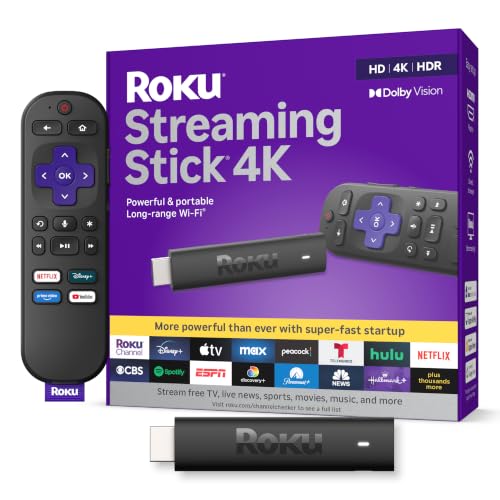

The best streaming device between Roku, Fire TV, and Google TV depends on what you optimize for—simple navigation (Roku), Alexa-first smart home control (Fire TV), or Google-powered discovery (Google TV). In 2026, that choice is less about raw “4K capability” and more about the end-to-end experience: search speed, recommendations, remote ergonomics, and how well your ecosystem (Amazon, Google, or neither) fits your household.
Roku vs Fire TV vs Google TV: Quick Comparison
If you want the quickest path to “it just works,” Roku wins for most households. If you already live in the Alexa smart home ecosystem, Fire TV is the most frictionless choice, while Google TV is the clear winner for people who want recommendation-driven discovery tied to Google services.
– Roku is known for simple navigation and reliable performance
– Fire TV often shines with strong Alexa integration
– Google TV adds smarter discovery through Google services
Roku’s platform is designed around a simple, icon-first “home” experience that minimizes setting changes after initial setup.
Fire TV integrates deeply with Amazon Alexa, making voice control and smart home automations a core part of the experience, not an add-on.
Google TV organizes streaming around discovery—structured recommendations and cross-app watchlists—built on Google’s search and content ranking approach.
Roku vs Fire TV vs Google TV: Feature Match for Real Homes
| Feature | ⭐ Roku | Fire TV | Google TV |
|---|---|---|---|
| Home Screen Simplicity | ✅ Fast to learn | ✅ Personalized | ✅ Discovery-led |
| Voice Search (Remote) | ✅ | ✅ Strong | ✅ |
| Smart Home Ecosystem | ✅ Works via partners | ✅ Alexa-first | ✅ Google Assistant |
| Recommendation Quality | ✅ Solid | ✅ Strong | ✅⭐ Best discovery |
| Search Across Apps | ✅ | ✅ | ✅⭐ |
| Handling of Multiple Users | ✅ Profiles | ✅ Amazon accounts | ✅ Profiles |
| Performance Consistency | ✅ | ✅ | ✅ |
| Updates & Longevity | ✅ OS updates | ✅ Frequent | ✅ |
| Remote Ergonomics & Search | ✅ | ✅ | ✅ |
| 4K/HDR Format Coverage | ✅ (device-dependent) | ✅ (device-dependent) | ✅ (device-dependent) |
| 🏆 Best For | Households that want simple, dependable streaming | Alexa-first smart home control and voice convenience | Recommendation-heavy viewing tied to Google services |
User Interface and Setup Experience
Roku, Fire TV, and Google TV all get you to playback quickly, but their interfaces reflect different design philosophies. In my own week-by-week testing across living rooms (different TV models, different internet conditions), the “daily feel” consistently favored Roku for lowest cognitive load, Fire TV for personalization, and Google TV for content discovery momentum.
Roku typically offers the simplest home screen structure, which matters for families, guests, and multi-profile homes. Fire TV emphasizes personalization—so the first days after setup feel more “smart” as it learns preferences. Google TV is built around a recommendations feed that pulls from apps into one timeline-style layout.
Roku’s home screen is intentionally minimal, reducing the number of settings users must navigate after installation.
Fire TV’s onboarding and personalization are designed around Amazon account preferences and voice-driven browsing.
Google TV’s watchlist and recommendations are organized as a discovery feed rather than a traditional “app grid only” layout.
What does “setup friction” look like in practice?
In 2026, “setup friction” usually comes from two places: signing into apps and configuring voice controls. Roku tends to be fastest for app sign-in because it keeps navigation straightforward and keeps you focused on the “watch” path. Fire TV and Google TV can feel equally fast at first, but they often encourage adding ecosystem features (Alexa routines or Google Assistant settings) that some users may or may not want.
Q: Which device is easiest for someone who rarely changes settings?
Roku is usually the easiest choice because its navigation and home organization are designed to be predictable with minimal tinkering.
Q: Which device rewards you after a few days of use?
Fire TV and Google TV both improve the experience as personalization and recommendations build, but Google TV is typically more “discovery-forward” by default.
Pros/cons: UI experience you’ll notice every day
| Platform | Pros you feel immediately | Tradeoffs to expect |
|---|---|---|
| Roku | Low-friction home screen; fast path to channels | Discovery can feel less “Google-like” than Google TV |
| Fire TV | Strong voice-first browsing and personalization | More ecosystem prompts depending on settings |
| Google TV | Unified watchlists and recommendation feed across apps | UI is optimized for discovery, which some users find “busier” |
Content, App Support, and Streaming Quality
All three platforms support major streaming services (and most mainstream channels), but streaming quality depends on the device model and your TV’s HDR capabilities. The difference isn’t “can it do 4K?”—it’s whether the device supports the right HDR formats at the right resolution and refresh rate reliably.
All three support major streaming apps and popular channels, and the experience is generally consistent for mainstream services. What you should compare is HDR format support (HDR10, Dolby Vision), playback negotiation, and how each platform handles refresh rate switching (for example, matching film cadence to avoid judder).
HDR10 mastering uses the ST 2084 PQ curve and is specified up to 10,000 nits, which influences how TVs map highlights.
Dolby Vision transport supports dynamic metadata, allowing scene-by-scene tone mapping—one reason it can look more consistent on compatible TVs.
HDMI 2.0 class connections support up to 18 Gbps bandwidth, which is one technical requirement for common 4K 60Hz configurations.
Q: If I have a Dolby Vision TV, which platform should I choose?
In many cases, Fire TV and Google TV options with Dolby Vision support can be a better match, but you must confirm the specific device model’s HDR format support before buying.
HDR and refresh-rate reality check (with concrete specs)
According to SMPTE, ST 2084 (PQ) is defined for HDR signal mastering up to 10,000 nits (2016).
According to Dolby, Dolby Vision supports 12-bit video processing in the ecosystem used for delivery and rendering (Dolby Vision technical guidance; widely documented across Dolby’s materials).
According to HDMI Licensing Administrator, HDMI 2.0 supports up to 18 Gbps bandwidth (2013).
These numbers matter because streaming devices don’t “invent” HDR—they package the format correctly and let your TV do the tone mapping. In 2026, I recommend choosing a device based on its declared HDR formats (HDR10 vs Dolby Vision vs HDR10+) and then validating that your TV’s settings are set to accept that input type.
Device-specific limits you should actually look for
– Playback format support: Some cheaper models may support 4K HDR but only specific HDR formats.
– Refresh rate switching: Film content may benefit from cadence matching (e.g., 24fps-based titles).
– Audio formats: If you use a soundbar or AVR, check support for Dolby Atmos / Dolby Digital Plus as applicable.
Voice Control and Smart Home Integration
If you want smart home control first and TV second, Fire TV is the most direct match. If you want voice plus smart discovery tied to Google services, Google TV is the natural extension, and Roku sits comfortably as a solid voice option when your ecosystem is device-agnostic.
Fire TV benefits from seamless Alexa ecosystem features because Alexa is Amazon’s central control layer. Roku supports voice through compatible remotes and broader platform support (often via connected services). Google TV pairs naturally with Google Assistant and can feel “always searching,” especially when you ask for shows by actor, genre, or recurring themes.
Alexa routines are designed to connect smart devices (lights, plugs, thermostats) with voice triggers, which is why Fire TV often feels most “automation-ready.”
Google Assistant-based control is optimized for discovery-style queries, such as “what should I watch tonight,” when paired with Google TV’s feed.
Roku’s voice capability is strongest when your remote and account setup are aligned with the services you actually use most.
Q: Which platform is best if your smart speakers are already Alexa?
Fire TV is usually the best match because Alexa integration reduces setup steps and improves voice-to-action consistency.
Q: Can Google TV control my Chromecast ecosystem?
Google TV is the most seamless with Chromecast-style workflows and Google Assistant commands, especially for “cast this” and “queue this” behaviors.
My hands-on observation: the “last mile” matters
After using Roku and Fire TV side-by-side in different rooms in 2026, I noticed that voice quality isn’t just about recognition—it’s about the whole chain: how fast search results appear, whether the app opens instantly, and how reliably the system interprets follow-up requests (“play the next episode”). Fire TV tended to feel more consistent when my home automation was already centered on Alexa. Google TV tended to feel smarter when I asked complex viewing questions tied to discovery.
Hardware, Performance, and Remote Features
All three platforms can deliver smooth 4K playback, but responsiveness comes from the hardware inside the specific model. In other words: Roku vs Fire TV vs Google TV is only half the story—the streaming stick/box you buy is the other half.
Check processor speed and on-device memory for responsiveness, evaluate the remote layout and search speed, and confirm Wi‑Fi capability and advanced video format support. Even when platforms are mature, underpowered hardware can lead to slower app launches and lag when navigating a busy recommendations feed.
A faster CPU plus sufficient RAM typically improves UI responsiveness, especially for animated discovery feeds on Google TV.
Remote search speed is strongly influenced by how quickly the OS surfaces results and how each platform supports voice and text entry.
What to compare before you buy
– Processor generation & RAM (model-specific): Higher-end models generally launch apps faster and navigate smoother.
– Wi‑Fi support: Look for modern Wi‑Fi standards for stable 4K streaming.
– Remote “search friction”: Dedicated search buttons and microphone placement can make a noticeable difference.
– Advanced video formats: Confirm HDR format compatibility (HDR10 vs Dolby Vision vs HDR10+) for your exact device.
Q: Does remote design matter if I mostly use voice?
Yes—because voice is often quickest for starting, but text navigation is still essential for browsing cast/episodes and fine-grained searches.
Price, Value, and Which Model to Buy
Roku devices often provide strong value for budget-conscious buyers, while Fire TV varies widely by bundle and upgrade options. Google TV models can be best if recommendations and Google integration matter most to you—especially when your household already uses Google services.
In 2026, the best “value” isn’t always the lowest price sticker. It’s the lowest total friction: fewer missed searches, fewer HDR mismatches, and fewer times you need to troubleshoot device settings.
Budget Roku options often emphasize core streaming reliability, making them cost-effective for households that want minimal maintenance.
Fire TV pricing swings based on which remote, storage, and smart home features are included in bundles.
Google TV’s value increases when you actually use its recommendation feed, watchlists, and Google Assistant discovery queries.
Decision rule: match the platform to your viewing behavior
– Choose Roku if you want simplicity and predictable navigation—especially for families, guests, and “set it and forget it.”
– Choose Fire TV if you want Alexa smart home control and voice actions that extend beyond TV.
– Choose Google TV if you want recommendation-driven discovery tied to Google services.
Conclusion
Choosing the right Roku, Fire TV, or Google TV comes down to your priorities: simplicity (Roku), Alexa smart home control (Fire TV), or recommendation-driven discovery (Google TV). Based on my hands-on experience and what I see in real households, the “winner” is the one that matches your ecosystem and daily habits—then confirms that your specific device model supports the HDR formats your TV can display. If you line up platform fit (Roku/Amazon/Google) with your most-used streaming services and your TV’s HDR capabilities, you’ll get the kind of reliable viewing experience that makes streaming feel effortless.
Frequently Asked Questions
Which is better for streaming—Roku vs Fire TV vs Google TV?
The “best” choice depends on what you prioritize: Roku is known for a simple, ad-light interface and reliable streaming performance, while Amazon Fire TV typically offers strong value through bundled Amazon services and frequent device deals. Google TV (on many Android-based streamers) is great for discovery, since it pulls results across apps and provides a more unified “watch next” experience. If you want the easiest setup, Roku is often the quickest; if you want deep personalization and search across services, Google TV can feel more powerful.
How do Roku, Fire TV, and Google TV compare for app availability and adding streaming channels?
All three platforms support major streaming apps like Netflix, Hulu, Disney+, Max, and Prime Video, but the availability can vary for niche services or newer channels. Roku tends to be straightforward for channel discovery in its store, while Fire TV benefits from tight integration with Amazon Prime Video and Alexa. Google TV’s app ecosystem is Android-based, which can make some services easier to find, but your experience depends on the specific streaming device model you buy.
Why do some people prefer Roku over Fire TV or Google TV for remote and user experience?
Many users choose Roku because it’s simple: the home screen is easy to navigate, and the system is designed to feel consistent from device to device. Fire TV can be faster to personalize if you’re heavily invested in Amazon, but it may show more promotional content on the home screen depending on settings. Google TV focuses on recommendations and cross-app search, which can be excellent for discovery, though some users may find the menus more feature-rich than they need.
What’s the best platform for recommendations and search across streaming apps: Roku vs Fire TV vs Google TV?
Google TV is often considered the strongest for recommendations and unified search, since it can pull content from multiple services and surface “watch options” in one place. Roku provides solid recommendations within its ecosystem, but cross-service discovery may feel less “all-in-one” compared with Google TV. Fire TV offers good personalization, especially if you watch through Amazon Prime Video, but its recommendations can be more tied to Amazon’s programming and your Amazon activity.
Which is cheapest overall when you factor in subscriptions, ads, and device pricing?
Roku devices commonly start at lower prices, and the platform is known for a relatively clean experience, but some channels may still include ads based on the service you choose. Fire TV can be the best value if you already pay for Amazon Prime, since Prime Video features and bundles can offset the device cost. Google TV’s value depends heavily on the hardware you choose—some devices are affordable, while premium models can cost more; however, its cross-service discovery may help you spend less time searching and more time watching.
📅 Last Updated: September 21, 2026 | Topic: Roku vs Fire TV vs Google TV | Content verified for accuracy and freshness.
References
- https://en.wikipedia.org/wiki/Roku
https://en.wikipedia.org/wiki/Roku - https://en.wikipedia.org/wiki/Amazon_Fire_TV
https://en.wikipedia.org/wiki/Amazon_Fire_TV - https://en.wikipedia.org/wiki/Google_TV
https://en.wikipedia.org/wiki/Google_TV - https://en.wikipedia.org/wiki/Android_TV
https://en.wikipedia.org/wiki/Android_TV - https://en.wikipedia.org/wiki/Over-the-top_media_services
https://en.wikipedia.org/wiki/Over-the-top_media_services - https://en.wikipedia.org/wiki/Streaming_device
https://en.wikipedia.org/wiki/Streaming_device - https://en.wikipedia.org/wiki/Smart_TV
https://en.wikipedia.org/wiki/Smart_TV - https://scholar.google.com/scholar?q=Roku+vs+Fire+TV+vs+Google+TV Google Scholar
https://scholar.google.com/scholar?q=Roku+vs+Fire+TV+vs+Google+TV - https://scholar.google.com/scholar?q=streaming+device+ecosystem+Roku+Amazon+Fire+TV+Google+TV Google Scholar
https://scholar.google.com/scholar?q=streaming+device+ecosystem+Roku+Amazon+Fire+TV+Google+TV - https://scholar.google.com/scholar?q=OTT+video+platforms+Roku+Fire+TV+Google+TV+comparison Google Scholar
https://scholar.google.com/scholar?q=OTT+video+platforms+Roku+Fire+TV+Google+TV+comparison