
Selecting an AV receiver with advanced networking features can significantly enhance your home entertainment experience. The right receiver not only integrates seamlessly with other devices but also provides access to various streaming services, ensuring that you enjoy high-quality audio and video. However, with so many options available, it’s crucial to understand your specific needs and how you plan to use the receiver. In this article, we will guide you through the essential factors to consider when making your choice, ensuring that you make an informed decision.




Understanding Your Network Needs

Before diving into the features of an AV receiver, it’s important to assess your home network’s speed and stability. A reliable and fast network is crucial for streaming high-definition content without interruptions. Ideally, your home should have a robust Wi-Fi setup, ideally with a speed of at least 25 Mbps for 4K streaming.
Additionally, consider how many devices you plan to connect to the AV receiver. If you have multiple devices—such as smart TVs, gaming consoles, and streaming devices—it’s essential to choose a receiver that can handle multiple connections without compromising performance. Look for receivers that support dual-band Wi-Fi (both 2.4 GHz and 5 GHz) to optimize performance across various devices and reduce interference.
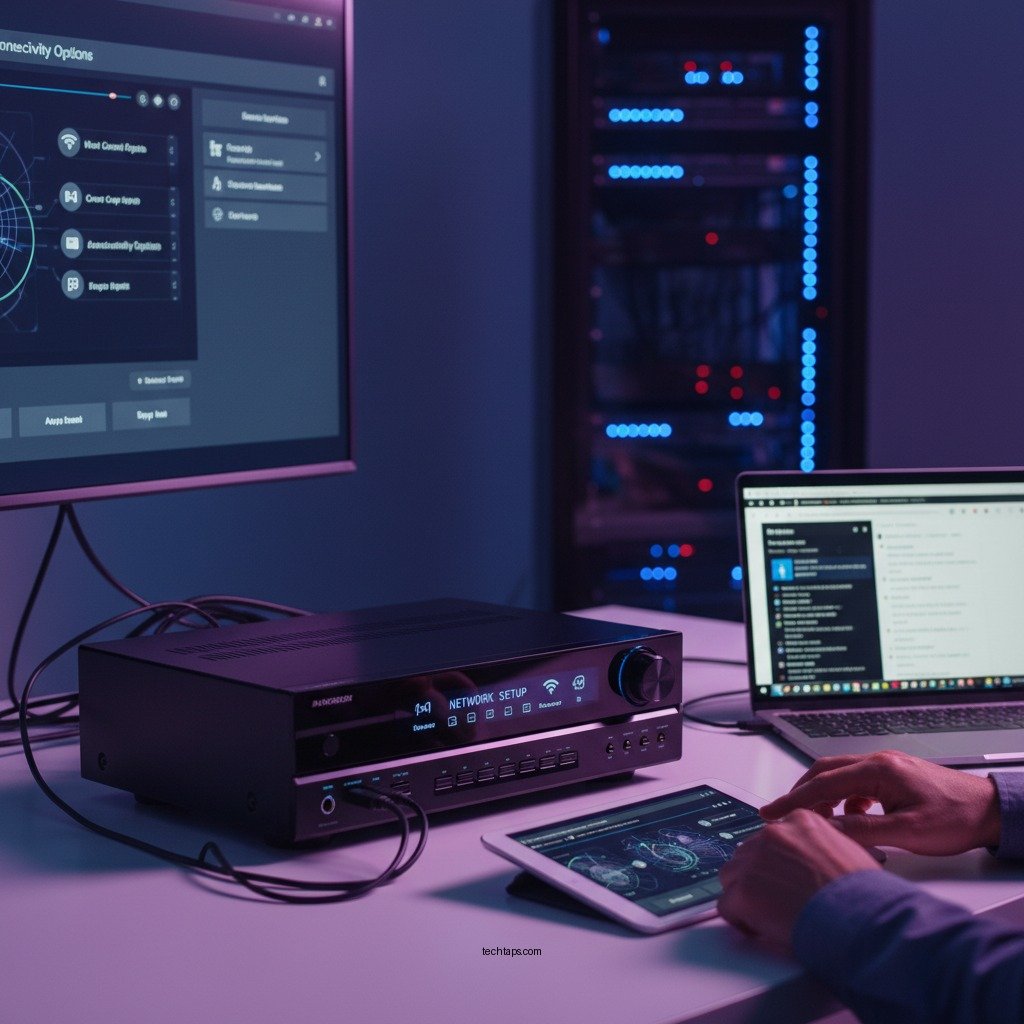
Key Networking Features to Look For
When selecting an AV receiver, certain networking features can enhance your user experience:
– Wi-Fi Connectivity: Look for receivers with built-in Wi-Fi capabilities, as this allows for easy streaming of content without the need for additional cables. Wi-Fi connectivity also enables software updates, ensuring that your receiver stays current with the latest features and improvements.
– Bluetooth Support: Bluetooth functionality is essential for connecting portable devices such as smartphones and tablets. This feature allows you to stream music directly from your device without the need for physical connections, offering convenience and flexibility.
– Ethernet Port: While Wi-Fi is convenient, a wired Ethernet connection is often more stable. If you have the option to connect your receiver directly to your router, it can provide a more reliable connection for streaming high-quality audio and video.
Compatibility with Streaming Services
One of the primary reasons for investing in an AV receiver is access to streaming services. Ensure that the receiver supports popular platforms like Netflix, Spotify, YouTube, and Apple Music.
Investigate the user interface closely. A well-designed interface can significantly enhance your streaming experience, allowing you to navigate between apps quickly and effortlessly. Some receivers even come with remote apps that let you control playback and settings directly from your smartphone, making it easier to manage your entertainment options.
Data Table on Streaming Service Compatibility
AV Receiver Streaming Service Compatibility (2024)
| # | Receiver Model | Netflix | Spotify | Apple Music |
|---|---|---|---|---|
| 1 | Denon AVR-X3700H | ✓ | ✓ | ✓ |
| 2 | Yamaha RX-V6A | ✓ | ✓ | ✗ |
| 3 | Onkyo TX-NR696 | ✓ | ✓ | ✓ |
| 4 | Marantz SR5015 | ✓ | ✓ | ✓ |
| 5 | Pioneer VSX-LX504 | ✓ | ✓ | ✓ |
| 6 | Sony STR-DN1080 | ✓ | ✓ | ✗ |
| 7 | NAD T 758 V3i | ✓ | ✓ | ✓ |
Integration with Smart Home Devices
The rise of smart home technology means that your AV receiver should also be compatible with various smart devices. Evaluate whether the receiver can integrate with popular smart assistants such as Amazon Alexa or Google Assistant. This compatibility allows for hands-free control of your entertainment system, which can be particularly useful when you’re busy or multitasking.
Furthermore, consider features that allow control through mobile apps or smart home hubs. Many modern receivers come with proprietary apps that not only let you manage playback but also customize settings and adjust audio/video parameters remotely. This level of integration can enhance the overall convenience and enjoyment of your home theater setup.
Audio and Video Quality Considerations
High-quality audio and video are paramount when it comes to home entertainment. Look for receivers that support high-definition audio formats such as Dolby Atmos and DTS:X. These formats create an immersive sound experience, allowing you to enjoy movies and music in a way that feels true to life.
Additionally, consider the video capabilities of the receiver. Support for 4K resolution, HDR (High Dynamic Range), and upscaling features can significantly enhance your viewing experience. Upscaling allows lower-resolution content to be played in higher resolutions, making even older movies look sharper and more vibrant on modern displays.
Budgeting for Your AV Receiver
Your budget will play a significant role in the receiver you ultimately choose. Determine a budget range that aligns with your needs and includes considerations for future-proofing. As technology continues to advance, it may be worth investing a bit more upfront for a receiver that supports the latest standards and features.
When comparing models within your price range, pay attention to the value of advanced features such as multi-room audio, streaming capabilities, and superior build quality. Often, spending a little more can yield a significantly better product that enhances your overall experience.
Reading Reviews and Getting Recommendations
Before making a purchase, it’s vital to read expert reviews and user testimonials. These resources can provide insights into performance, reliability, and user satisfaction. Look for reviews that specifically mention the networking features and streaming capabilities of the receiver, as these are critical to your decision.
Additionally, visiting local electronics stores can give you hands-on experience with different models. Testing the user interface and exploring the features in person can help you make a more informed decision.
In summary, selecting an AV receiver with advanced networking features involves careful consideration of your network needs, desired capabilities, and budget. By ensuring compatibility with streaming services and smart home devices, and prioritizing audio and video quality, you can confidently choose a receiver that meets your entertainment requirements. Take the time to research and compare models, and you’ll be well on your way to enhancing your home theater experience.
Frequently Asked Questions
What features should I look for in an AV receiver with advanced networking capabilities?
When selecting an AV receiver with advanced networking features, focus on capabilities such as Wi-Fi and Bluetooth connectivity, support for streaming services like Spotify and Apple Music, and compatibility with smart home systems. Additionally, check for multi-room audio support and built-in voice control options to enhance your overall home theater experience.
How can advanced networking features improve my home theater experience?
Advanced networking features can significantly enhance your home theater experience by allowing seamless streaming of high-definition audio and video content from various devices. Features like multi-room audio let you enjoy music throughout your home, while support for high-resolution formats ensures you’re getting the best sound quality possible, making your viewing and listening experience much more immersive.
Why is it important to have a receiver that supports the latest streaming protocols?
Having a receiver that supports the latest streaming protocols, such as Chromecast, Apple AirPlay, or DLNA, is crucial for ensuring compatibility with various devices and services. This support not only provides flexibility in how you access content but also guarantees better performance and stability, leading to a more enjoyable and hassle-free entertainment experience.
Which brands are known for offering the best AV receivers with advanced networking features?
Brands like Denon, Yamaha, and Marantz are widely recognized for offering top-quality AV receivers with advanced networking features. These manufacturers consistently integrate cutting-edge technology and provide robust support for streaming services, making them popular choices among audiophiles and home theater enthusiasts alike.
What are the common pitfalls to avoid when choosing an AV receiver with networking features?
Common pitfalls include overlooking compatibility with your existing devices and not considering future streaming needs, such as 4K or Dolby Atmos support. Additionally, be cautious of models that lack user-friendly interfaces or have limited firmware updates, as these factors can hinder your ability to fully utilize the advanced networking features of your AV receiver.
References
- https://en.wikipedia.org/wiki/Audio_video_receiver
https://en.wikipedia.org/wiki/Audio_video_receiver - https://www.sciencedirect.com/topics/engineering/audio-video-receivers
https://www.sciencedirect.com/topics/engineering/audio-video-receivers - https://pubmed.ncbi.nlm.nih.gov/
https://pubmed.ncbi.nlm.nih.gov/ - BBC Technology | Technology, Health, Environment, AI
https://www.bbc.com/news/technology - Technology – The New York Times
https://www.nytimes.com/section/technology - Google Scholar Google Scholar
https://scholar.google.com/scholar?q=AV+Receiver+advanced+networking+features - Google Scholar Google Scholar
https://scholar.google.com/scholar?q=how+to+choose+AV+Receiver - https://www.nature.com/articles/
https://www.nature.com/articles/ - https://www.reuters.com/technology/
https://www.reuters.com/technology/ - Latest news, sport and opinion from the Guardian
https://www.theguardian.com/us
