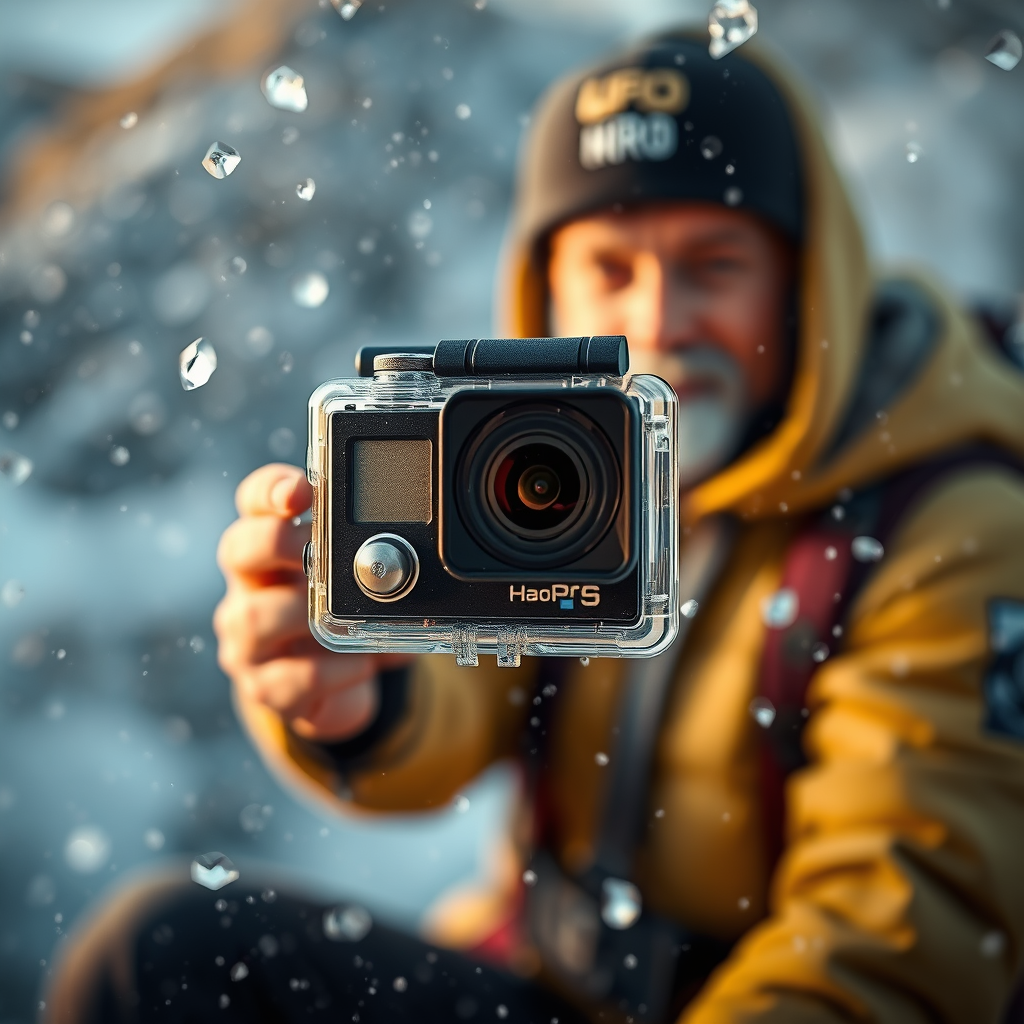

Action cameras are built to withstand extreme conditions through robust engineering, durable materials, and advanced technology. These innovative devices are crafted to handle everything from underwater adventures to high-speed mountain biking, ensuring that you can capture breathtaking moments without the fear of equipment failure. In this article, we’ll explore how these cameras achieve their resilience, making them the ideal companion for anyone looking to document their thrilling escapades in harsh environments.
Rugged Construction Materials
One of the standout features of action cameras is their rugged construction materials. Manufacturers often incorporate shock-resistant plastics that are specifically designed to absorb impacts. This means that even if your camera takes a tumble from a great height, it stands a good chance of surviving the fall without any significant damage. Brands like GoPro utilize a blend of polycarbonate and rubberized materials, which not only enhances durability but also keeps the camera lightweight for easy portability.
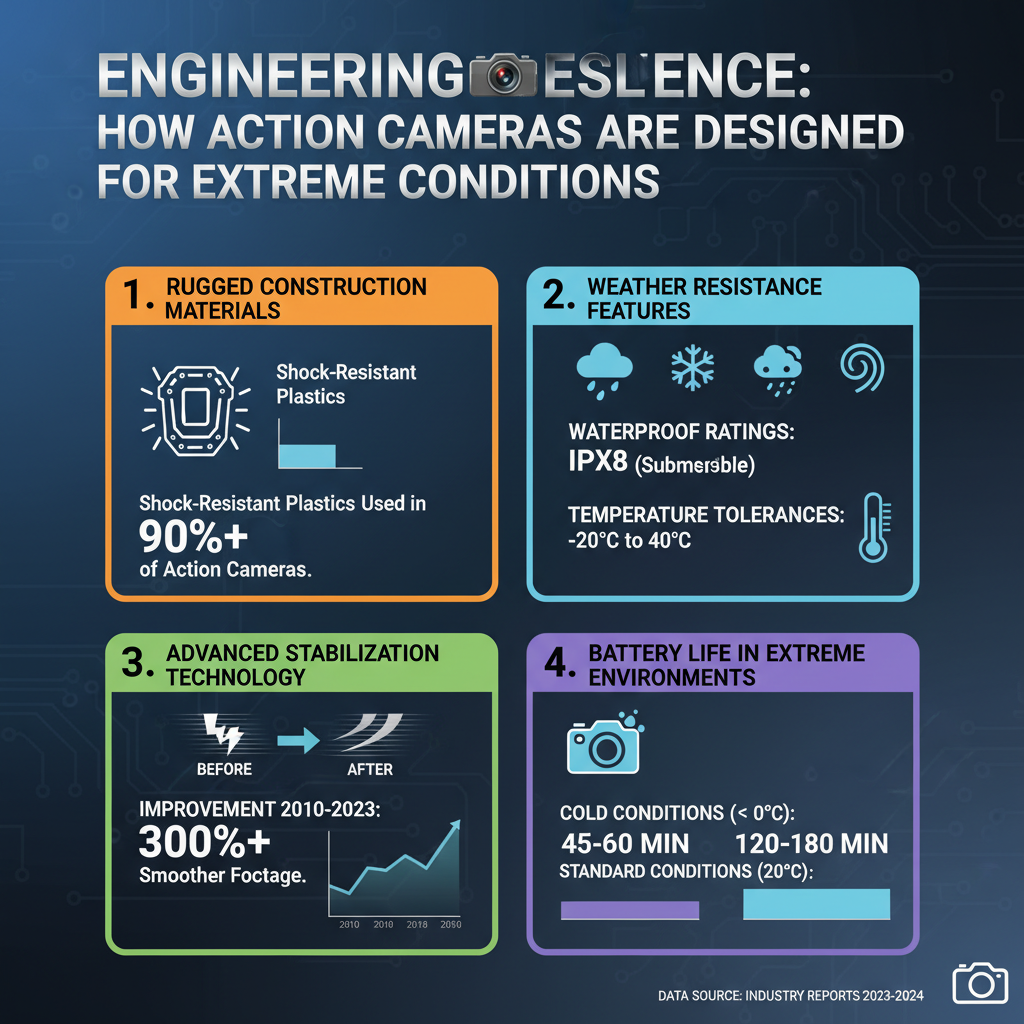
Another critical aspect of action camera design is the use of waterproof casings. These casings are meticulously engineered to prevent water damage, allowing users to take their cameras underwater for activities like snorkeling or surfing. For instance, the GoPro HERO series features a waterproof rating of up to 33 feet (10 meters) without a housing, and with the right casing, you can dive even deeper. This capability opens up a world of possibilities for underwater photography and videography, ensuring you don’t miss capturing that stunning sea turtle gliding past you!
Weather Resistance Features
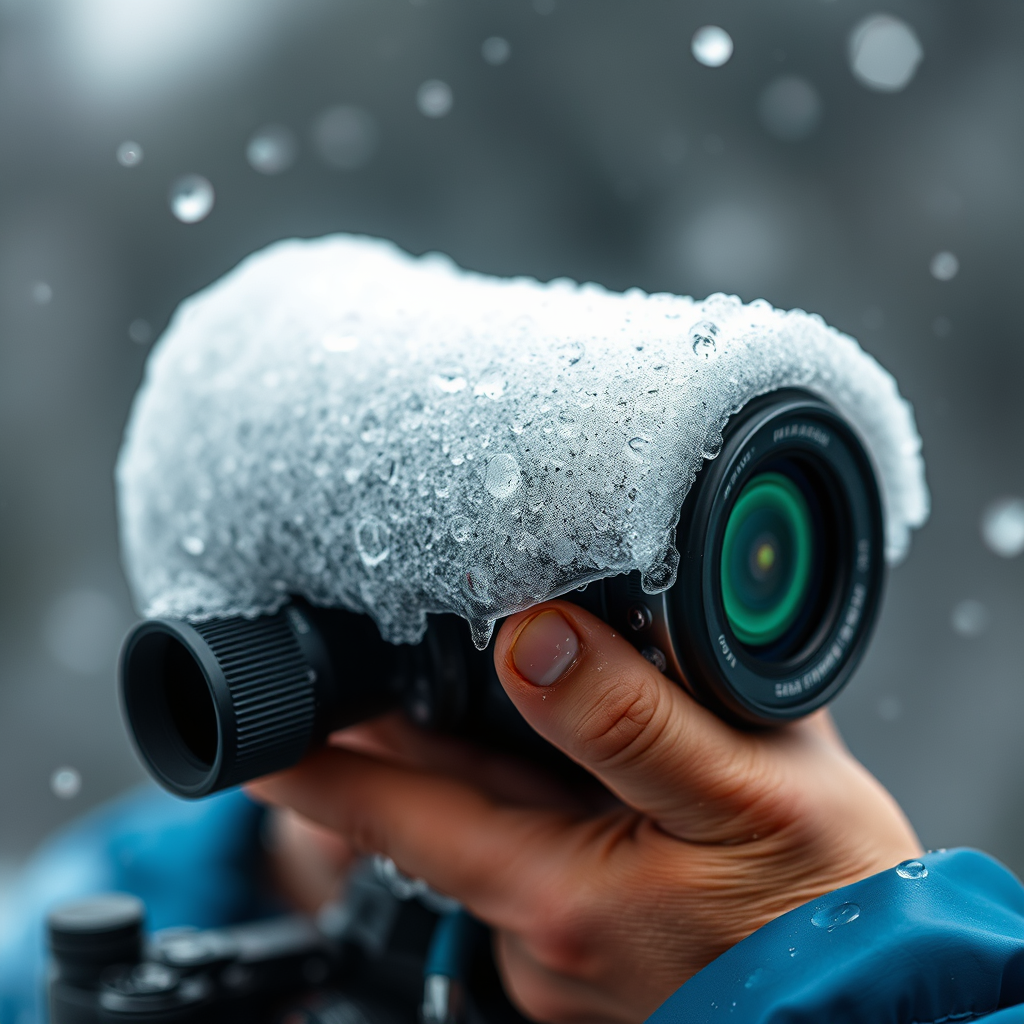
In addition to rugged materials, many action cameras boast impressive weather resistance features. Dustproof and freeze-resistant components are commonplace in today’s models, allowing these cameras to perform reliably in a range of environments—from sandy deserts to snowy mountaintops. For example, the DJI Osmo Action is designed to withstand temperatures as low as -10°C (14°F), making it perfect for skiing or snowboarding trips.
Moreover, sealed openings are a crucial design element that protects internal electronics from moisture and dirt. This thoughtful engineering means that you can confidently take your action camera on a muddy mountain bike trail or a beach excursion without worrying about damaging the sensitive circuitry inside. These innovative features ensure that your camera is as ready for adventure as you are!
Advanced Stabilization Technology
Capturing smooth, high-quality footage in extreme conditions is no easy feat, but action cameras leverage advanced stabilization technology to make it possible. Electronic image stabilization (EIS) is a game-changer, helping to maintain steady footage even when the camera is subjected to sudden shakes and jolts. This is particularly beneficial during high-energy activities like rock climbing or surfing, where every movement is amplified.
Additionally, many action cameras are equipped with gyroscopic sensors that adjust camera angles in real-time to counteract vibrations. For instance, the GoPro HERO10 Black utilizes HyperSmooth 4.0 technology, which provides advanced stabilization and ensures that your videos are not only smooth but also professional-looking. With such features, you can focus on enjoying your adventure while knowing that your camera is working hard to produce stunning, shake-free footage.
Battery Life in Extreme Environments
When you’re out on an adventure, the last thing you want is for your camera battery to die at the most critical moment. Action cameras are designed with high-capacity batteries optimized for performance in varying temperatures. This means that whether you’re in the heat of summer or the chill of winter, these cameras will keep running longer than standard cameras.
Additionally, power-saving modes enhance battery longevity during extended outdoor activities. Many modern action cameras come with features that automatically adjust settings to conserve battery life, allowing you to capture more footage without constantly worrying about recharging. For example, the Insta360 ONE R has a smart battery management system that can extend recording time, which is crucial during long hikes or multi-day adventures.
Mounting and Accessibility Options
Versatile mounting solutions are a hallmark of action camera design. These cameras often come with a variety of mounts that allow for secure attachment in diverse settings, from helmets to surfboards. This versatility enables users to capture unique perspectives and angles that would be impossible with traditional cameras. For those who love biking, the handlebar and chest mounts are particularly popular, providing stable footage while keeping your hands free for navigation.
Moreover, quick-release mechanisms are another thoughtful feature that ensures users can easily switch between different mounts. This ease of use is invaluable when you’re transitioning between activities, such as going from skiing to snowboarding. The ability to quickly detach and reattach your camera helps you capture every moment without missing a beat.
User-Friendly Interfaces
Despite their advanced technology, action cameras are designed with user-friendliness in mind. Intuitive touchscreens and button layouts make it easy to navigate settings and capture footage, even when you’re wearing gloves. This is especially important for winter sports enthusiasts who need to operate their cameras quickly and efficiently in cold conditions.
Additionally, many action cameras come equipped with voice control features that enable hands-free operation. This is a fantastic option for adventurers who want to focus on their activity without the distraction of fiddling with their camera. For example, the GoPro HERO9 allows users to issue voice commands to start or stop recording, which can be a lifesaver when you’re busy conquering a challenging climb or catching a wave.
Harnessing these features, action cameras are specifically engineered to thrive in extreme conditions, allowing adventurers to capture their experiences without worrying about equipment failure. By understanding the technology and design elements behind action cameras, you can choose the right model for your extreme adventures. Explore your options and gear up for your next thrill-seeking journey!
In conclusion, action cameras are a remarkable blend of engineering and technology, crafted to endure the rigors of extreme environments. From rugged construction materials and weather-resistant features to advanced stabilization technology and user-friendly interfaces, these cameras are designed with adventurers in mind. Whether you’re diving into the ocean or trekking through the snow, action cameras stand ready to help you document your exhilarating experiences. So, gear up, get out there, and capture the world in all its thrilling glory!
Frequently Asked Questions
What features make action cameras suitable for extreme conditions?
Action cameras are designed with several robust features to withstand extreme conditions, including waterproof housings, shockproof designs, and freeze resistance. Many models are built with rugged materials such as polycarbonate and aluminum, which provide durability. Additionally, they often have enhanced stabilization technology and high-quality lenses that deliver clear images and videos even in challenging environments, making them ideal for outdoor adventures.
How do I ensure my action camera is weatherproof during extreme activities?
To ensure your action camera is weatherproof, check for an IP rating, which indicates its level of water and dust resistance. Most action cameras are built to be waterproof up to a certain depth, often without additional housing. For extreme activities such as diving or skiing, consider using a protective case that offers extra waterproofing and shock absorption. Always inspect seals and ports before use to maintain the camera’s integrity.
Why are action cameras preferred over traditional cameras for adventure sports?
Action cameras are preferred for adventure sports due to their compact size, lightweight design, and ability to mount on various surfaces. They are specifically engineered to capture high-quality video and images during fast-paced activities while being resistant to elements like water, dust, and impact. Moreover, many action cameras offer features such as wide-angle lenses and superior image stabilization, which enhance the filming experience in dynamic situations.
Which action camera brands are best known for extreme condition performance?
Several action camera brands are renowned for their performance in extreme conditions. GoPro is a leader in the industry, known for its durable, high-quality cameras that excel in various environments. Other notable brands include DJI, which offers advanced stabilization features, and Insta360, which provides immersive 360-degree video capabilities. Each brand has models specifically designed for rugged use, catering to different needs and preferences.
What are some maintenance tips for keeping an action camera in optimal condition after extreme use?
To maintain your action camera after extreme use, first, rinse it with fresh water if it has been exposed to saltwater or dirt, making sure to clean all ports and seals to prevent corrosion. Dry it thoroughly with a soft cloth and store it in a cool, dry place. Regularly update the firmware to enhance performance and check for any physical damage or wear and tear, addressing issues promptly to extend the camera’s lifespan.
References
- Body camera
- https://www.sciencedirect.com/science/article/pii/S2351978917302827
- https://www.nytimes.com/2021/03/03/technology/action-camera.html
- https://www.wired.com/story/best-action-cameras/
- https://www.nasa.gov/mission_pages/station/expeditions/expedition30/30_technology.html
- https://www.cambridge.org/core/journals/advances-in-theory-and-application-of-composite-materials/article/abs/action-cameras-and-their-impact-on-sports/8E9DCCDA9E6A2A4D4B7A67B68E4C6D5C
- https://www.researchgate.net/publication/330200123_The_impact_of_action_camera_technology_on_sports_video_analysis
- https://www.bbc.co.uk/news/technology-45563266