
Haptic feedback significantly enhances the user experience in wearable displays by providing tactile sensations that improve interaction and communication. This technology allows users to receive notifications and alerts through touch, making wearable devices more intuitive. In this article, we will explore the importance of haptic feedback in wearable displays, its applications, and how it shapes user engagement.




Understanding Haptic Feedback
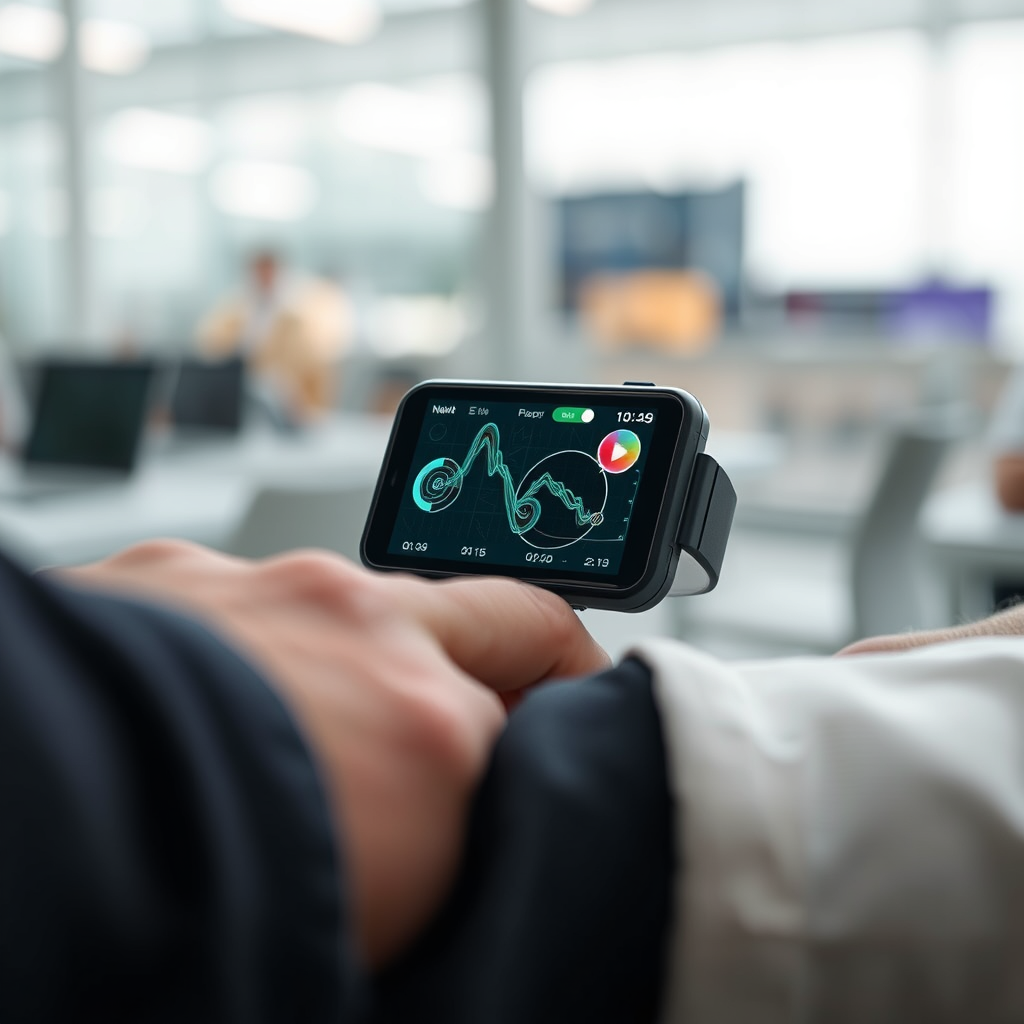
Haptic feedback refers to the use of touch sensations to communicate information to users. It encompasses a variety of techniques that utilize vibrations, movements, or forces to create a tactile response, mimicking physical interactions. Essentially, it allows devices to “speak” to users through their sense of touch, offering a richer interaction experience. This technology is particularly beneficial in wearable displays, where visual attention may be limited. For instance, when you receive a notification on your smartwatch, the gentle vibration alerts you without requiring you to look at the screen. As devices become more integrated into our daily lives, the ability to provide feedback via touch is increasingly vital for seamless user experiences.
Importance of Haptic Feedback in Wearables
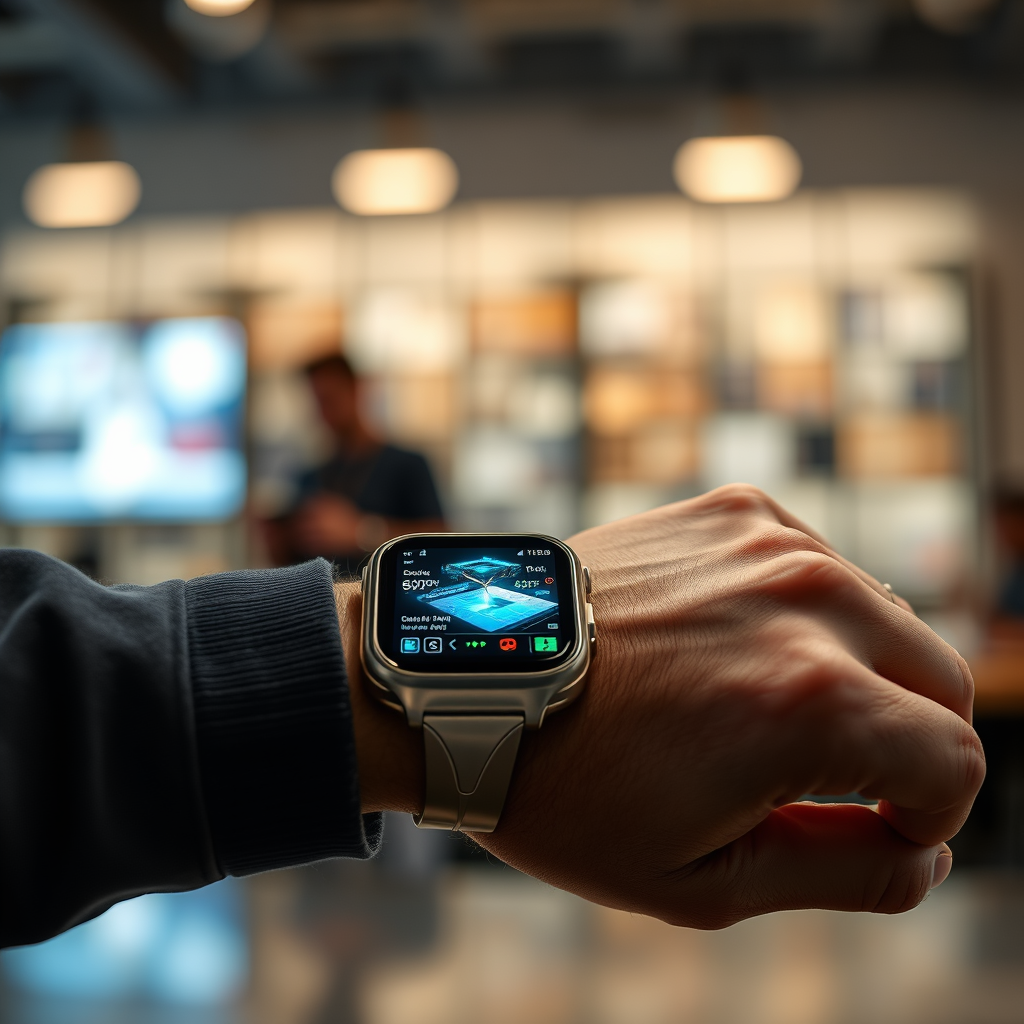
The importance of haptic feedback in wearables cannot be overstated. First and foremost, it enhances the user experience by providing immediate and intuitive feedback during interactions. Imagine you are in a meeting and receive a text message on your smartwatch; a subtle vibration can discreetly notify you without causing a distraction. This ability to communicate through touch makes wearable devices more user-friendly.

Furthermore, haptic feedback improves accessibility for users who may rely on tactile cues for notifications or alerts. For individuals with hearing impairments, the ability to feel a notification is crucial. Devices equipped with haptic technology can provide alerts for alarms, reminders, and messages, ensuring that everyone, regardless of ability, can stay connected and informed. In this way, haptic feedback not only enhances usability but also promotes inclusivity in technology.
Applications of Haptic Feedback in Wearable Displays
Haptic feedback has found numerous applications in wearable displays, significantly enriching user engagement. One of the most common uses is in smartwatches, where it alerts users to messages or calls discreetly. For example, Apple Watch users can customize haptic alerts for different notifications, allowing them to prioritize what they feel is important. This level of personalization results in a more tailored user experience, making wearables more relevant to individual needs.
Fitness trackers also utilize haptic feedback to provide real-time feedback on performance metrics. For instance, a fitness band might vibrate to indicate that you’ve reached your step goal or to remind you to move after prolonged inactivity. This feedback encourages users to stay active and engaged with their health goals. Additionally, haptic feedback can be integrated into gaming experiences, where it simulates the feel of actions within the game, such as the recoil of a weapon or the impact of a collision, further immersing users in the virtual world.
Types of Haptic Technologies in Wearables
There are several types of haptic technologies used in wearables, each offering varying levels of feedback and sophistication. The most common type involves vibration motors, such as eccentric rotating mass motors (ERM). These motors provide basic feedback through simple vibrations, making them ideal for straightforward notifications and alerts.
On the other hand, more advanced technologies, like linear resonant actuators (LRAs), offer nuanced sensations that can simulate a range of touch experiences. LRAs can create different vibration patterns, allowing for more expressive alerts and tactile interactions. For example, a smartwatch using LRAs might deliver a long buzz for an important email and a short tap for a less urgent notification. This differentiation enhances the communication between users and their devices, making interactions feel more dynamic and engaging.
Challenges in Implementing Haptic Feedback
While the advantages of haptic feedback are clear, there are challenges in implementing this technology in wearable devices. One significant hurdle is balancing battery life and performance. Haptic feedback can consume considerable power, which is a critical consideration for wearable devices that often have limited battery capacity. Manufacturers must find ways to optimize power usage without compromising the quality of haptic feedback.
Another challenge involves ensuring consistent performance across various devices and operating systems. As wearable technology evolves, developers must consider compatibility with different platforms, ensuring that users receive a uniform experience regardless of their device. This requires ongoing research and development to create haptic systems that can adapt to various contexts while maintaining reliability and effectiveness.
Future Trends of Haptic Feedback in Wearables
Looking ahead, the future of haptic feedback in wearable technology is promising. We can expect increasing integration with augmented reality (AR) and virtual reality (VR) to create immersive experiences. Imagine wearing a VR headset that not only provides visual stimulation but also delivers tactile sensations, enhancing the realism of virtual environments. This could revolutionize gaming, training simulations, and even remote collaboration.
Moreover, the development of more sophisticated haptic technology aims to simulate textures and sensations for enhanced interaction. For example, future wearables may allow users to “feel” the texture of virtual objects, creating a more engaging and interactive experience. This evolution of haptic feedback will likely lead to deeper connections between users and their devices, fostering an intuitive and immersive user experience.
The impact of haptic feedback on wearable displays cannot be overstated; it not only boosts usability but also enriches the overall experience. As technology continues to evolve, expect to see even more innovative applications that leverage haptic feedback to create deeper connections between users and their devices. Embrace the future of wearable technology by staying informed about these advancements and considering how they could enhance your own devices. By understanding the role of haptic feedback, you can appreciate the transformation of wearable technology and how it can make your daily interactions more intuitive and enjoyable.
Frequently Asked Questions
What is haptic feedback and how does it enhance wearable displays?
Haptic feedback refers to the use of tactile sensations to convey information or enhance user experience through touch. In wearable displays, such as smartwatches or augmented reality (AR) glasses, haptic feedback can provide users with subtle vibrations or motions that indicate notifications, alerts, or interactions. This sensory feedback not only improves user engagement but also allows for a more immersive experience without the need for constant visual attention on the display.
How does haptic feedback improve user interaction with wearable devices?
Haptic feedback enhances user interaction by providing immediate, physical responses to actions taken on wearable devices. For example, when a user receives a message notification, a gentle vibration can alert them discreetly without visual distraction. This tactile response helps users navigate interfaces more intuitively, making it easier to focus on tasks while still receiving important updates, thus promoting a seamless user experience.
Why is haptic feedback important in augmented reality (AR) wearable displays?
Haptic feedback is crucial in augmented reality wearable displays because it adds a layer of realism to virtual interactions. By simulating touch sensations, users can feel as if they are physically interacting with virtual objects, which enhances the overall experience and immersion. This technology is particularly beneficial in applications like gaming, training simulations, and remote collaboration, where the tactile response can significantly improve user satisfaction and effectiveness.
What are the best practices for integrating haptic feedback in wearable displays?
The best practices for integrating haptic feedback in wearable displays include ensuring that feedback is contextually relevant and not overwhelming. Designers should use varied vibration patterns to signify different alerts, making it easier for users to differentiate between notifications. Additionally, it’s essential to consider the comfort of the user; feedback should be strong enough to be felt but gentle enough to avoid discomfort during prolonged use.
Which wearable devices currently utilize advanced haptic feedback technology?
Several wearable devices currently utilize advanced haptic feedback technology, including the Apple Watch, which offers customizable haptic alerts, and the Microsoft HoloLens, which provides tactile sensations during AR interactions. Other notable examples include the Fitbit series, which employs vibrations for notifications and tracking alerts, and various VR controllers that use haptic feedback to enhance gaming experiences. These devices showcase the growing importance of haptic technology in creating engaging and interactive user experiences across diverse applications.
References
- Haptic technology
- https://www.sciencedirect.com/science/article/abs/pii/S0004370219303637
- https://www.ncbi.nlm.nih.gov/pmc/articles/PMC5941810/
- Frontiers | Virtual Reality Is Sexist: But It Does Not Have to Be
- https://www.researchgate.net/publication/319711436_Haptic_feedback_in_virtual_reality
- https://www.microsoft.com/en-us/research/publication/haptic-feedback-in-wearable-displays/
- https://www.igi-global.com/chapter/haptic-feedback-in-wearable-devices/196476
