Drones have become the go-to tool for capturing breathtaking aerial video footage, allowing both amateur and professional videographers to tell stories from a unique perspective. With advancements in technology, there are numerous options available that cater to different skill levels and budgets. In this article, we will explore the best drones on the market, focusing on their camera capabilities, flight times, and user-friendliness to help you find the perfect fit for your videography needs.




Top Features to Look for in Aerial Video Drones
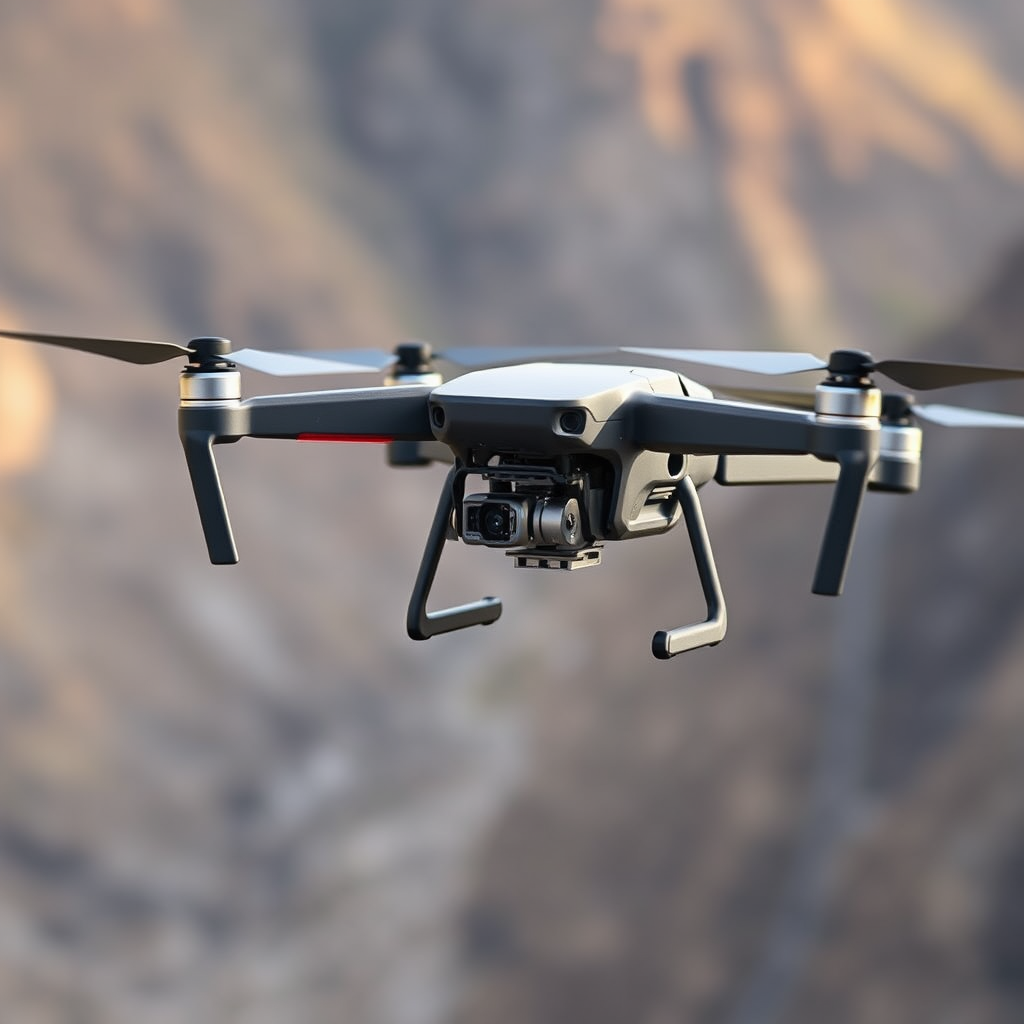
When selecting a drone for aerial videography, there are several key features to consider that can significantly impact the quality of your footage:
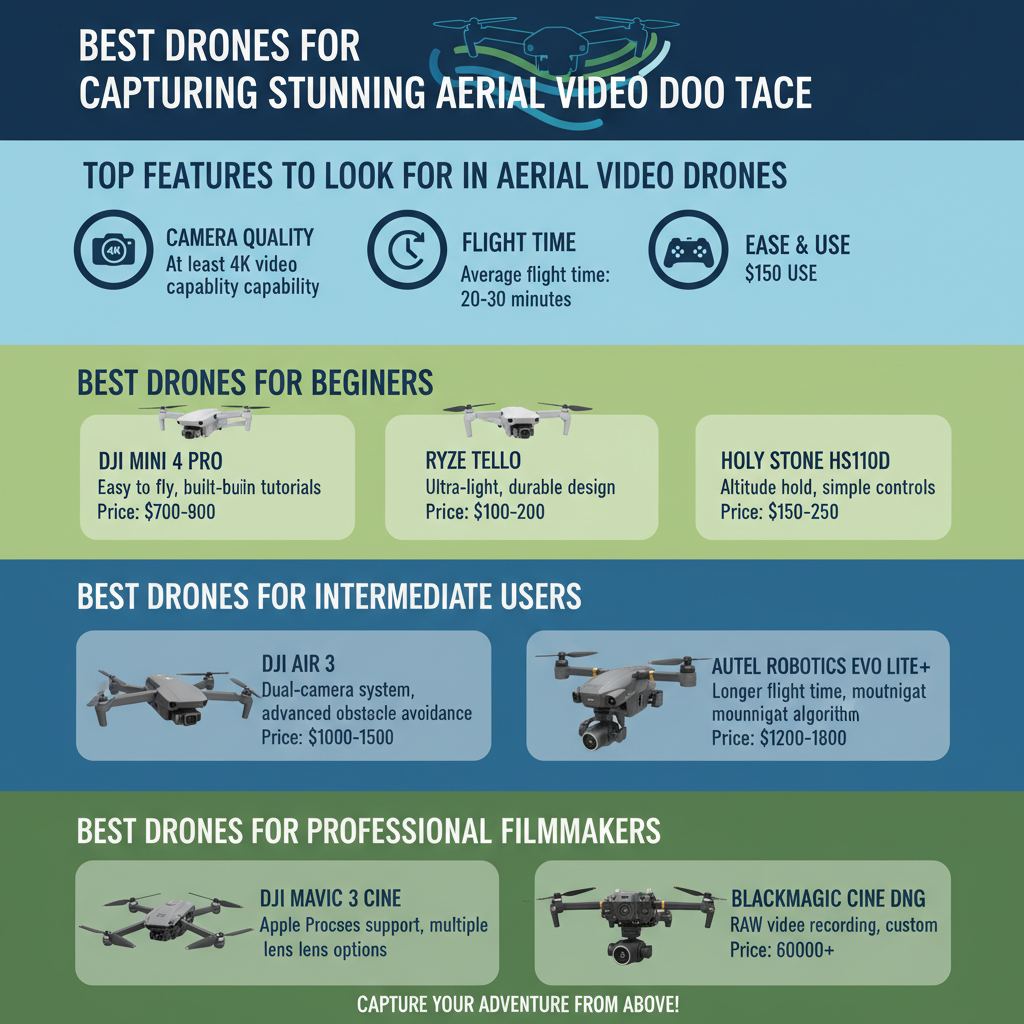
– Camera quality: This is arguably the most critical feature. Look for drones that offer at least 4K video capability, as this resolution ensures your footage is sharp and detailed. Additionally, gimbal stabilization is a must-have, as it helps to eliminate shaky footage and provides smoother video, especially during windy conditions or rapid movements.
– Flight time: The longer the flight time, the more footage you can capture without needing to land and recharge. Most drones provide anywhere from 20 to 40 minutes of flight time per battery, so it’s wise to consider models that offer extended battery life, or the option to purchase extra batteries for longer shooting sessions.
Best Drones for Beginners
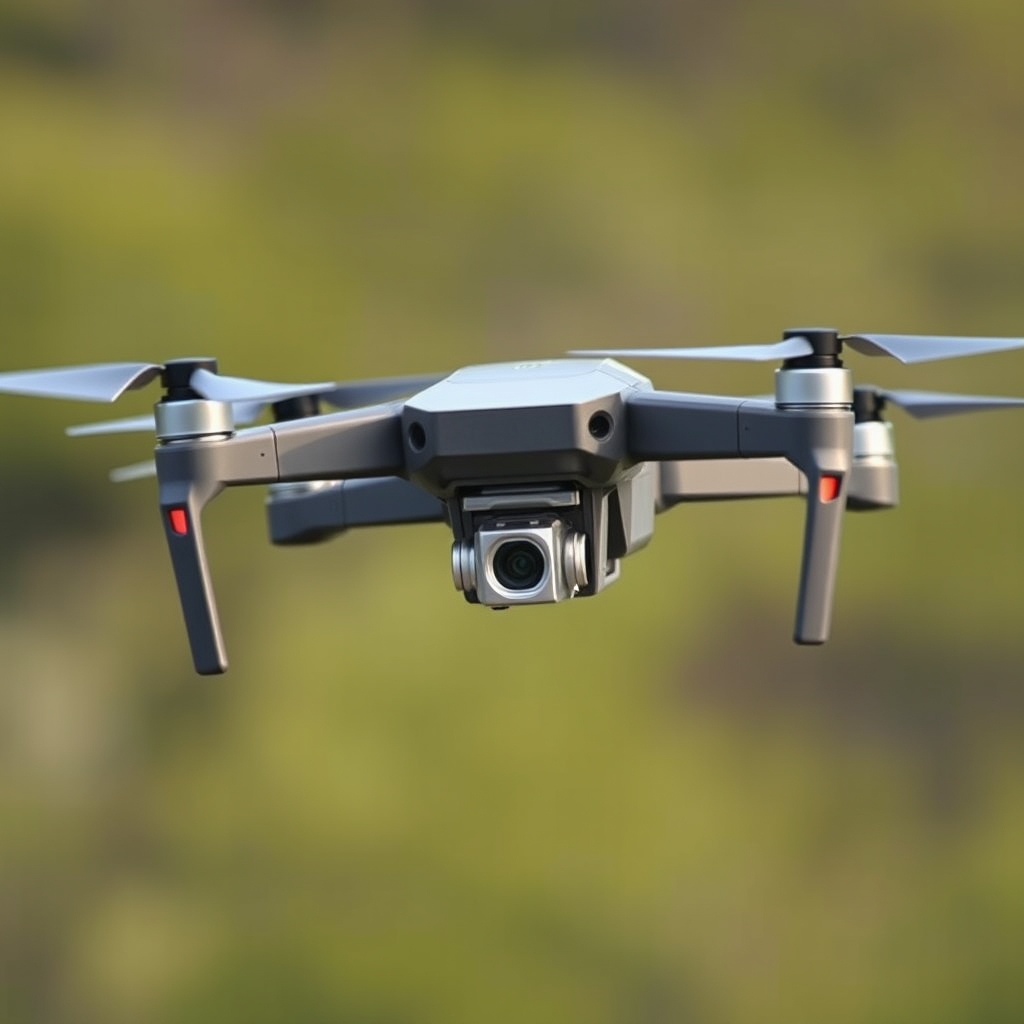
If you’re new to the world of drone videography, it’s essential to find a model that is easy to use yet still delivers impressive results:
– DJI Mini SE: The DJI Mini SE is an excellent choice for beginners due to its lightweight design and affordability. Weighing just 249 grams, it’s easy to carry and doesn’t require FAA registration. The Mini SE offers 2.7K video quality, a 30-minute flight time, and intuitive controls, making it perfect for new videographers eager to explore aerial footage.
– Holy Stone HS720: Another fantastic option for beginners is the Holy Stone HS720. This drone features a 4K camera and GPS-assisted flight, ensuring stable and high-quality video capture. With a flight time of around 26 minutes and an easy-to-use app, this drone gives new users the confidence they need to start shooting stunning footage right away.
Best Drones for Intermediate Users
For those with a bit more experience under their belt, these drones offer advanced features that can elevate your videography:
– DJI Air 2S: The DJI Air 2S is a standout choice for intermediate users, equipped with a 1-inch sensor that captures stunning 20MP stills and 5.4K video. Its advanced tracking options and obstacle sensing technology make it easier to capture dynamic shots, while the quick-shot features allow for creative filming techniques without a steep learning curve.
– Autel Robotics EVO Lite: The Autel EVO Lite is another impressive option, particularly for those interested in low-light performance. With a 1-inch CMOS sensor, it excels in capturing quality footage in dim conditions. The customizable settings and 40-minute flight time make it a versatile tool for videographers looking to explore various environments and scenarios.
Best Drones for Professionals
Professional videographers require top-notch equipment that provides exceptional image quality and advanced features:
– DJI Mavic 3: The DJI Mavic 3 is a game-changer for high-end productions. It boasts a dual-camera system with a 4/3 Hasselblad sensor that captures stunning images and videos with incredible detail and color accuracy. The advanced obstacle avoidance system and up to 46 minutes of flight time make it a reliable choice for professionals who demand the best from their equipment.
– Panasonic Lumix DMC-GH5 with Drone: For filmmakers seeking unparalleled camera performance and versatility, pairing the Panasonic Lumix DMC-GH5 with a compatible drone provides an outstanding solution. The GH5 is known for its exceptional video quality, robust features, and 4K capabilities, making it ideal for serious filmmakers who need the flexibility of aerial shots combined with superior ground footage.
Accessories to Enhance Your Drone Videography
To truly maximize your drone videography experience, consider investing in some essential accessories:
– Extra batteries: Always having spare batteries on hand can significantly extend your shooting time. This ensures you won’t miss out on capturing the perfect shot due to a lack of power.
– ND filters: Neutral density (ND) filters are particularly helpful in bright conditions, as they reduce glare and allow for better control over exposure. This helps in achieving smoother video footage and maintaining the desired depth of field, which is crucial for cinematic shots.
Tips for Capturing Great Aerial Videos
Capturing stunning aerial footage goes beyond having a great drone; here are some tips to help you get the most out of your videography:
– Plan your shots: Before you take off, scout your locations and determine the best angles for your shots. This not only saves time but also helps you visualize the story you want to tell through your footage.
– Mind the weather: Weather conditions greatly affect video quality. Cloud cover and strong winds can introduce instability and make footage look unprofessional. Aim for clear skies and calm winds to achieve the best results.
In summary, choosing the right drone for capturing stunning aerial video footage involves understanding your needs and preferences. Start by considering essential features such as camera quality and flight time, then explore options tailored to your skill level. Whether you’re a beginner, an intermediate user, or a professional filmmaker, there’s a perfect drone out there for you. Don’t forget to think about accessories that can enhance your shooting experience and take the time to plan your shots for the best results. Happy flying and filming!
Frequently Asked Questions
What are the key features to look for in the best drones for aerial video recording?
When searching for the best drones for aerial video recording, consider features such as camera quality (look for 4K resolution or higher), stabilization technology (like gimbal stabilization), flight time (aim for at least 20-30 minutes), and range (a minimum of 1-2 kilometers is ideal). Additionally, pay attention to ease of use, as beginner-friendly drones can significantly enhance your filming experience.
How much should I expect to spend on a good drone for aerial video recording?
The price of drones for aerial video recording can vary widely, ranging from around $300 for entry-level models to over $2,000 for professional-grade options. Generally, a budget of $500-$1,500 can secure a drone that offers excellent video quality and advanced features, striking a good balance between affordability and performance.
Which brands are known for producing the best drones for aerial video recording?
Some of the most reputable brands known for their high-quality drones for aerial video recording include DJI, Autel Robotics, and Parrot. DJI, in particular, dominates the market with popular models like the Mavic Air 2 and the Phantom 4, which are recognized for their superior camera capabilities and user-friendly controls, making them ideal for both amateurs and professionals.
Why is gimbal stabilization important in drones for video recording?
Gimbal stabilization is crucial for capturing smooth, professional-quality footage, as it helps counteract the drone’s movements and vibrations during flight. Without gimbal stabilization, videos may appear shaky or unsteady, detracting from the overall quality. For those serious about aerial videography, investing in a drone with a robust gimbal system can vastly improve the viewing experience.
What are the best drones for beginners looking to start aerial videography?
For beginners, the DJI Mini SE and the Holy Stone HS720 are two of the best drones for aerial videography. The DJI Mini SE offers an impressive 4K camera, is lightweight, and has a user-friendly interface, making it perfect for novices. Meanwhile, the Holy Stone HS720 features GPS-assisted flight and built-in stabilization, providing a stable platform for budding filmmakers to learn and experiment with aerial shots.
References
- Aerial photography
- https://www.bbc.com/news/technology-48507896
- https://www.nytimes.com/2021/05/24/technology/drones-aerial-photography.html
- https://www.sciencedirect.com/science/article/pii/S2351978921000360
- https://www.nationalgeographic.com/science/article/drone-photography
- https://www.techrepublic.com/article/how-drones-are-changing-aerial-photography/
- https://www.wired.com/story/drone-photography-tips/
- https://www.nasa.gov/feature/the-future-of-drone-technology