
Thermal cameras are vital tools in security and surveillance, especially in scenarios where visibility is compromised. By detecting heat emitted from objects and individuals, these cameras enhance the ability of security personnel to identify potential threats even in complete darkness. In this article, you’ll learn how thermal cameras enhance security measures, their applications, and the advantages they offer.
Understanding Thermal Imaging Technology
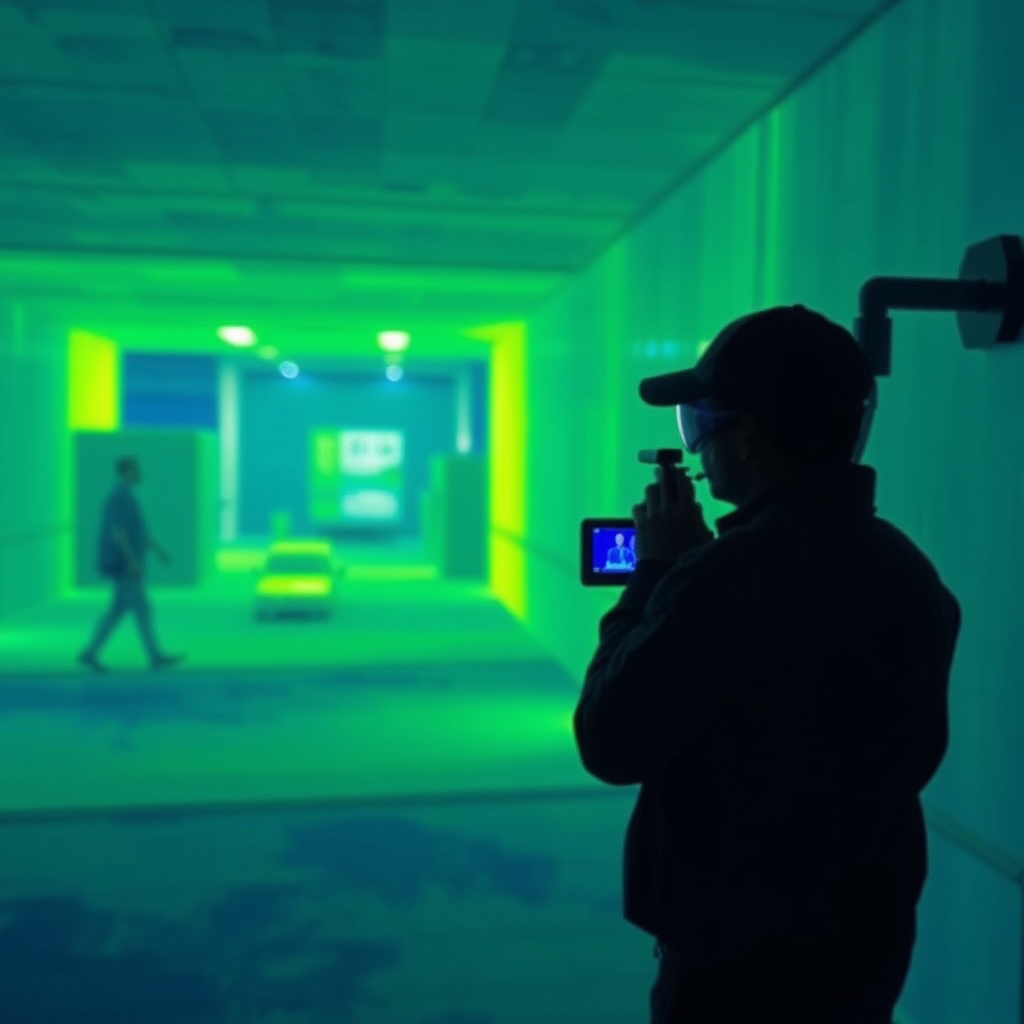
Thermal cameras capture infrared radiation, enabling the visualization of heat patterns that are invisible to the naked eye. Unlike traditional cameras, which rely on visible light to create images, thermal cameras focus on temperature variations, allowing them to display a clear picture of heat signatures. This technology is grounded in the principles of thermography, which measures and translates infrared radiation into an image that highlights differences in temperature.

For instance, a person walking in a dark alley will emit heat that a thermal camera can detect, while the surrounding environment remains invisible to standard cameras. This unique capability makes thermal imaging invaluable in security contexts, where the ability to see in low-visibility conditions can mean the difference between thwarting an intrusion or facing a security breach.
Applications in Security
Thermal cameras find a plethora of applications in security, particularly in perimeter security for detecting unauthorized intrusions in restricted areas. For instance, many military bases and correctional facilities use thermal imaging to monitor boundary lines and alert personnel when someone crosses into a no-go zone.
Moreover, critical infrastructures such as airports, power plants, and transportation hubs benefit significantly from thermal cameras. In airports, these devices can help monitor tarmacs, hangars, and other areas where visibility is often low due to weather conditions or the time of day. By detecting unauthorized individuals or potential hazards, thermal cameras play a crucial role in maintaining safety and security in these high-stakes environments.
Nighttime Surveillance Advantages
One of the standout advantages of thermal cameras is their ability to provide clear imagery in total darkness, which significantly enhances nighttime security operations. Traditional surveillance cameras struggle in low-light conditions, often leading to grainy, unusable footage. In contrast, thermal cameras can operate effectively without any external lighting, thus enabling proactive threat detection.
Consider a scenario in which a business has experienced multiple break-ins at night. By installing thermal cameras, the security team can monitor the premises around the clock, identifying suspicious activity without needing to illuminate every corner of the property. This not only improves security but also reduces energy costs associated with lighting, making it a more environmentally friendly option.
Integration with Other Security Systems
Thermal cameras can be seamlessly integrated with other security systems, such as motion detectors and alarms, to create a comprehensive security solution. For example, when a thermal camera detects a heat signature that indicates movement, it can trigger an alarm or alert security personnel to investigate further. This integration enhances the overall response capabilities of security teams, allowing for quicker action in the face of potential threats.
Additionally, thermal cameras can be connected to video management systems (VMS), which allows for comprehensive monitoring and analysis. Through VMS, security teams can review footage from both thermal and traditional cameras side by side, providing a fuller picture of any incident. This integration not only boosts situational awareness but also aids in analyzing incidents for future prevention strategies.
Cost-Effectiveness of Thermal Cameras
While thermal cameras may come with a higher initial investment compared to standard surveillance cameras, they offer long-term cost savings. By reducing the need for extensive lighting installations, businesses can lower their operational costs significantly. Furthermore, the early detection of potential threats can prevent theft or damage, ultimately saving companies from costly losses.
For example, a construction site that utilizes thermal cameras can monitor for intruders who might steal equipment during off-hours. The initial investment in thermal technology could lead to substantial savings by preventing theft and reducing insurance costs over time.
Challenges and Limitations
Despite their numerous advantages, thermal cameras do face challenges and limitations. One of the most significant drawbacks is the initial investment cost, which can be a barrier for smaller businesses or organizations with limited budgets. Additionally, the performance of thermal cameras can be affected by environmental factors, such as fog, rain, or extreme temperatures.
For instance, heavy rain can obscure heat signatures, making it harder for the camera to distinguish between a true threat and environmental noise. Security professionals must weigh these limitations against the benefits when considering thermal cameras for their security strategies.
Future Trends in Thermal Camera Technology
As technology evolves, so too does the functionality of thermal cameras. Advancements in resolution and sensitivity are leading to improved image clarity, allowing security personnel to identify finer details in thermal images. This means that even small objects can be detected, enhancing the utility of thermal cameras in various applications.
Moreover, the integration of artificial intelligence (AI) into thermal camera systems is becoming increasingly popular. AI can automate threat detection, learning to differentiate between benign and suspicious behavior. This capability not only increases operational efficiency but also reduces the workload on security personnel, allowing them to focus on more complex tasks.
Thermal cameras play a crucial role in modern security and surveillance, offering unique capabilities that enhance safety in various environments. By understanding their technology, applications, and benefits, security professionals can leverage these tools effectively. Consider integrating thermal cameras into your security strategy to improve monitoring and response capabilities today. As the technology continues to evolve, staying informed about the latest trends will ensure that your security measures remain robust and effective.
Frequently Asked Questions
What are thermal cameras and how do they work in security and surveillance?
Thermal cameras are advanced imaging devices that detect infrared radiation (heat) emitted by objects, rather than visible light. In security and surveillance, these cameras can identify people, animals, and objects based on their heat signatures, allowing for effective monitoring in complete darkness or challenging weather conditions. This unique capability makes thermal cameras invaluable for perimeter security, intruder detection, and surveillance of sensitive areas.
How can thermal cameras enhance security in commercial properties?
Thermal cameras enhance security in commercial properties by providing 24/7 surveillance capabilities, regardless of lighting conditions. They can detect intruders before they enter a building, allowing for timely alerts and response, thereby reducing the risk of theft or vandalism. Additionally, the ability to monitor large outdoor spaces or remote areas makes thermal cameras a cost-effective solution for comprehensive security management.
Why are thermal cameras preferred over traditional CCTV systems for outdoor security?
Thermal cameras are preferred over traditional CCTV systems for outdoor security primarily because they operate effectively in complete darkness and adverse weather conditions, such as fog or rain. Unlike standard cameras that rely on visible light, thermal cameras detect heat signatures, ensuring reliable surveillance even when visibility is low. This capability significantly reduces blind spots and increases the overall effectiveness of security operations.
What features should I look for when selecting a thermal camera for surveillance?
When selecting a thermal camera for surveillance, key features to consider include resolution, sensitivity, and field of view. Higher resolution provides clearer images, while greater sensitivity ensures the camera can detect subtle temperature differences. Additionally, features such as built-in analytics, remote access capabilities, and integration with existing security systems can further enhance the effectiveness of the thermal camera in your security setup.
Which industries benefit the most from using thermal cameras in security applications?
Various industries benefit significantly from using thermal cameras in security applications, including transportation and logistics, critical infrastructure, and public safety. Airports, ports, and warehouses utilize thermal cameras for monitoring perimeters and preventing unauthorized access. Additionally, utilities and energy sectors use them to protect critical infrastructure, while law enforcement agencies rely on thermal imaging for search and rescue operations and surveillance.
References
- Thermography
- https://www.ncbi.nlm.nih.gov/pmc/articles/PMC6618145/
- https://www.sciencedirect.com/science/article/pii/S1877050919314773
- Metal Thefts Continue Downward Trend | 2019-04-04 | Security Magazine
- https://www.bbc.com/news/business-49777307
- https://www.techrepublic.com/article/how-thermal-imaging-works-and-why-its-becoming-more-popular-in-security/
- https://www.nist.gov/news-events/news/2020/02/thermal-imaging-technology-security-and-safety
- https://www.energy.gov/articles/what-thermal-imaging-and-how-can-it-help-you
- https://www.iaea.org/publications/technical-reports/technical-report-series-no-455-thermography-in-nuclear-security