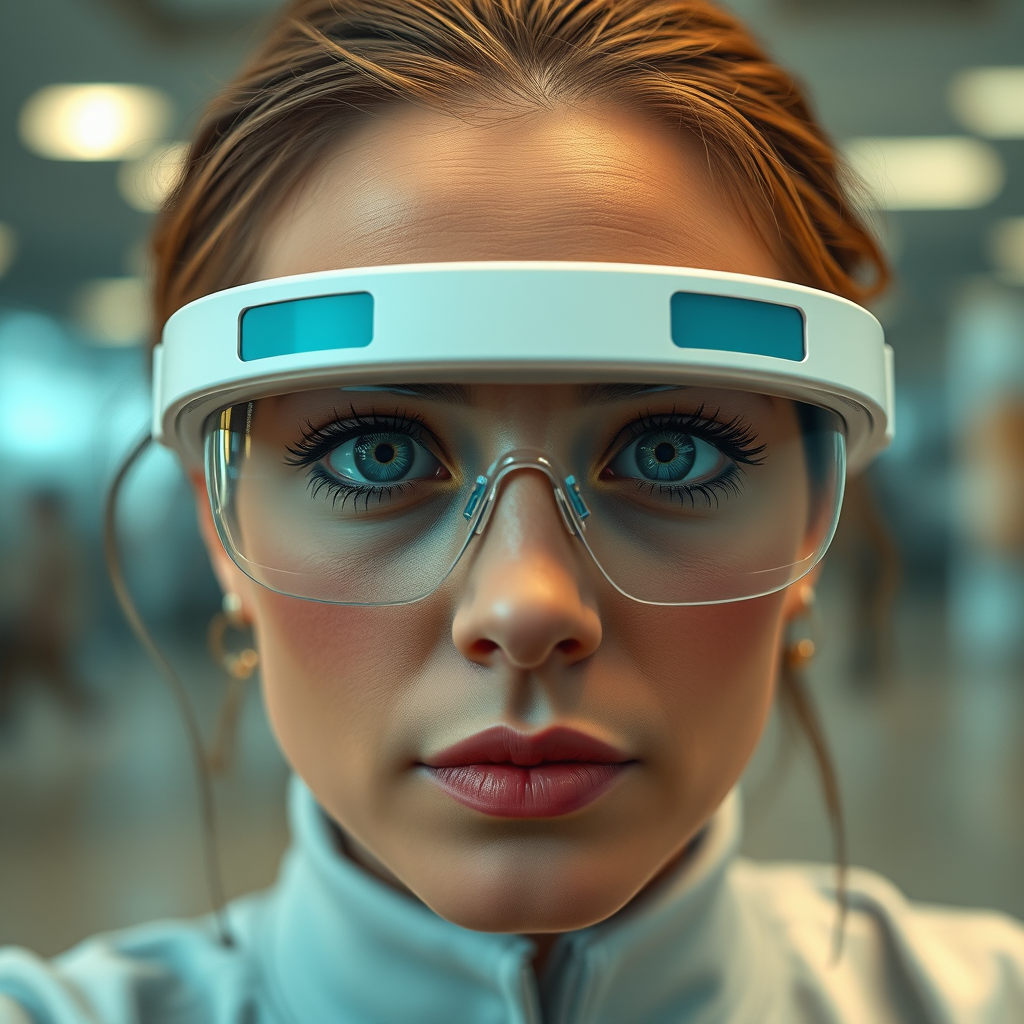

Augmented reality contact lenses have the potential to transform the way we engage with digital content by removing the need for traditional screens altogether. These groundbreaking devices promise to project digital information directly into our line of sight, seamlessly merging the physical world with the digital realm. This article delves into the workings of these innovative lenses, their diverse applications, and how they could significantly alter our daily lives.
Understanding Augmented Reality Contact Lenses
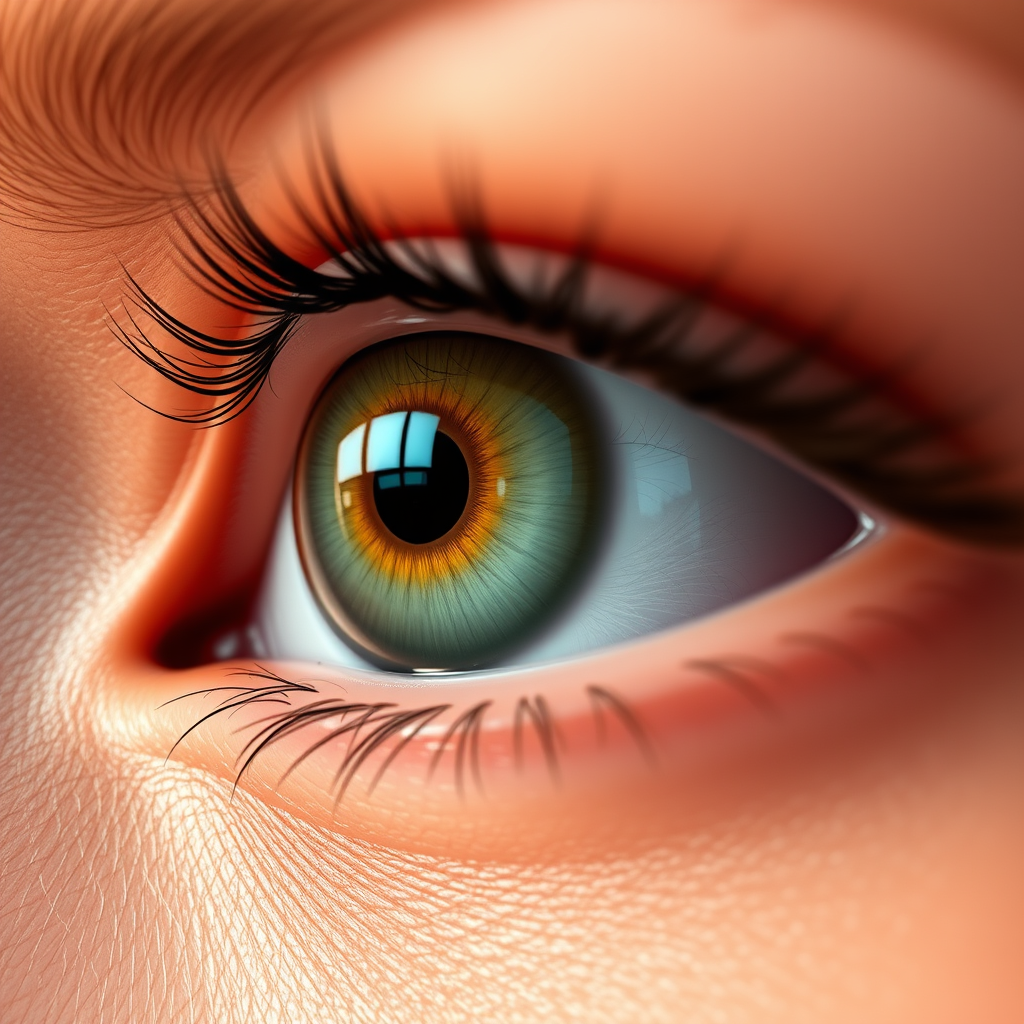
Augmented reality contact lenses are a cutting-edge innovation designed to enhance our visual experience by overlaying digital images, videos, and information directly onto our field of vision. Unlike conventional screens, which require users to focus their attention on a separate device, AR contact lenses allow for a more natural interaction with digital content, as it becomes an integrated part of one’s surroundings.
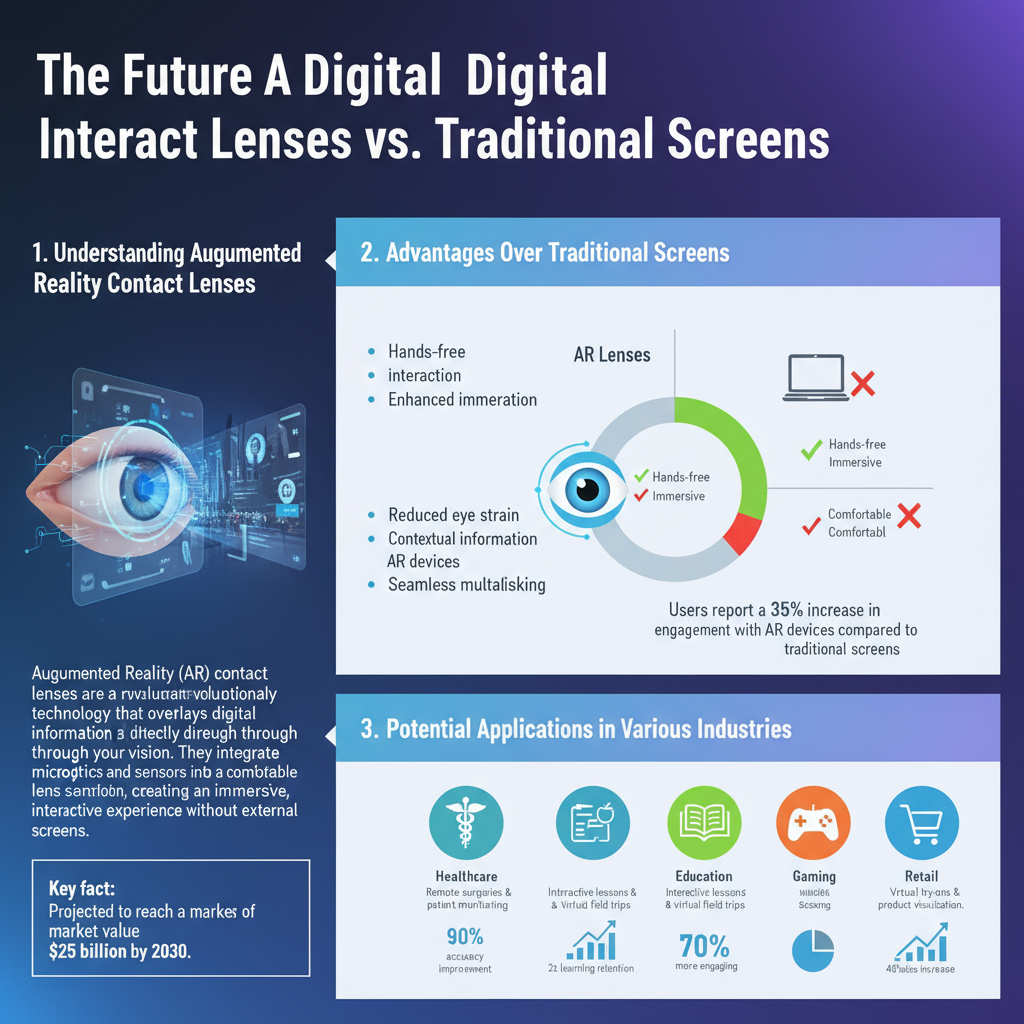
The technology behind these lenses is fascinating. They utilize micro-displays and advanced sensors to project images directly onto the retina or in front of the eye, creating the illusion of digital objects existing within the real world. For instance, a tiny projector embedded in the lens can display information such as navigation directions or social media notifications while allowing the user to maintain focus on their environment. Additionally, these lenses are equipped with sensors that can detect the user’s eye movements and adjust the display accordingly, ensuring an immersive experience that feels intuitive and responsive.
Advantages Over Traditional Screens

One of the most notable advantages of augmented reality contact lenses is their portability and convenience. Imagine walking down the street or attending a meeting without having to juggle multiple devices such as smartphones or tablets. With AR contact lenses, all necessary information is accessible directly in your vision, eliminating the need for bulky screens. This hands-free experience allows users to remain engaged with their environment while also accessing crucial data, making it particularly advantageous for professionals in fast-paced industries.
Furthermore, the enhanced user experience offered by AR lenses cannot be overstated. By providing real-time, immersive interactions with digital content, these lenses create a richer and more engaging experience. Consider how much more dynamic a presentation might be when participants can view 3D models of products right in front of them, or how much more fun gaming could be when virtual elements are integrated seamlessly into the physical world. This level of interaction not only makes experiences more enjoyable but also encourages greater retention of information.
Potential Applications in Various Industries
The versatility of augmented reality contact lenses opens up a plethora of potential applications across multiple industries.
In healthcare, for instance, AR lenses could revolutionize surgeries and medical training. Surgeons could receive real-time data and visualizations during procedures, such as vital signs or 3D anatomical models, projected directly into their field of view. This could enhance precision and improve patient outcomes. Additionally, medical students could engage in interactive training sessions where they visualize and manipulate virtual organs, aiding their understanding of complex concepts.
In the education sector, AR lenses promise to create interactive learning experiences that surpass traditional methods. Imagine students exploring historical sites virtually while standing in their classrooms or participating in immersive science experiments without the limitations of physical materials. Virtual classrooms could become more engaging, fostering collaboration and creativity among students, regardless of their location.
The entertainment industry stands to benefit tremendously as well. AR lenses could revolutionize gaming and storytelling by allowing users to interact with characters and environments in a more profound way. Instead of looking at a screen, players could engage with the game as if it were happening right around them, blurring the lines between reality and imagination.
Privacy and Security Considerations
As with any emerging technology, the integration of augmented reality contact lenses raises significant privacy and security concerns. The ability to overlay digital content into the real world can pose risks, particularly regarding sensitive information. For example, if not properly secured, personal data could be inadvertently shared or accessed by malicious entities, leading to potential breaches of privacy.
To mitigate these risks, developers must prioritize robust security measures. Encryption protocols can be implemented to protect data transmitted to and from the lenses, ensuring that user information remains confidential. Additionally, users should have full control over their privacy settings, allowing them to decide what information can be displayed and when. Educating users on best practices for privacy while using AR lenses will also be crucial in fostering a secure environment.
Current Developments and Future Trends
Several companies and research initiatives are currently pioneering the development of augmented reality contact lenses. For instance, tech giants like Mojo Vision are making strides with lenses that feature micro-displays capable of delivering high-resolution images directly to the user’s eye. Other companies, such as Samsung and Apple, are also exploring the potential of AR technology, signaling a growing interest in integrating AR into everyday devices.
Looking ahead, the evolution of AR contact lenses is likely to accelerate, with predictions pointing towards mainstream adoption within the next decade. As technology continues to advance, we may see improvements in battery life, enhanced display resolutions, and increased comfort for longer wear. The market impact could be significant, with AR lenses potentially replacing traditional screens in various aspects of our lives, leading to a more interconnected and immersive experience.
Challenges and Limitations
Despite the promising future of augmented reality contact lenses, several challenges and limitations remain. Technical hurdles, such as battery life and display resolution, must be addressed before widespread adoption can occur. Current prototypes often struggle with providing a comfortable fit for extended wear, which could deter users from embracing this technology fully.
Moreover, societal acceptance poses another challenge. Many people are still skeptical about the implications of wearing AR devices, particularly concerning privacy and the potential for distraction. Overcoming this resistance will require not only innovative designs but also public education about the benefits and safe usage of augmented reality contact lenses.
The integration of augmented reality contact lenses into our daily lives could fundamentally change how we consume information and interact with our environment. As technology continues to advance, we may soon find ourselves living in a world where screens are a thing of the past. Staying informed about these developments will help us understand how they might enhance our lifestyles, paving the way for a future where digital and physical realities coexist harmoniously.
Frequently Asked Questions
What are augmented reality contact lenses and how do they work?
Augmented reality (AR) contact lenses are innovative devices that integrate digital information into your field of vision, enhancing the way you perceive the real world. These lenses utilize miniaturized technology, including sensors and micro-displays, to overlay digital data, such as notifications, navigation prompts, or even social media updates, directly onto your surroundings, all while maintaining a natural view without the need for traditional screens.
How could augmented reality contact lenses replace traditional screens in daily life?
Augmented reality contact lenses have the potential to replace traditional screens by providing a seamless interface for accessing information without the need for physical devices. This technology allows users to interact with digital content through gestures, eye movements, or voice commands, making it more convenient for multitasking, reducing eye strain associated with prolonged screen time, and enhancing user experiences by integrating digital elements into everyday activities.
Why are augmented reality contact lenses considered a game-changer for personal and professional use?
Augmented reality contact lenses are considered a game-changer because they offer a hands-free, immersive experience that can enhance productivity and engagement in both personal and professional settings. For instance, in the workplace, these lenses can facilitate real-time collaboration and data visualization, while in personal contexts, they can enhance gaming, navigation, and social interactions, ultimately transforming how we communicate and interact with our environment.
What are the potential challenges and limitations of using augmented reality contact lenses?
While augmented reality contact lenses offer exciting possibilities, several challenges and limitations exist. These include technical hurdles related to miniaturization, battery life, and image clarity, as well as ethical concerns such as privacy and security risks associated with data collection. Additionally, user adaptation to AR technology may require time and education, making widespread adoption a gradual process.
Which companies are leading the development of augmented reality contact lenses?
Major technology companies like Mojo Vision and Epson are at the forefront of developing augmented reality contact lenses. Mojo Vision, for instance, focuses on creating lenses with a built-in display that can project digital images directly onto the wearer’s retina, while Epson explores AR applications for business and consumer markets. As the technology matures, more companies are likely to enter the space, pushing innovation and competition in the AR eyewear industry.
References
- Augmented reality
- https://www.sciencedirect.com/science/article/pii/S1877050921002178
- https://www.bbc.com/news/technology-58967576
- https://www.nytimes.com/2021/10/28/technology/augmented-reality-contact-lenses.html
- https://www.theguardian.com/technology/2022/jan/12/augmented-reality-contact-lenses-future-vision
- https://www.hhs.gov/oidp/initiatives/technology/augmented-reality.html
- https://www.researchgate.net/publication/320963257_Augmented_reality_in_healthcare
- https://www.wired.com/story/augmented-reality-contact-lenses-future/