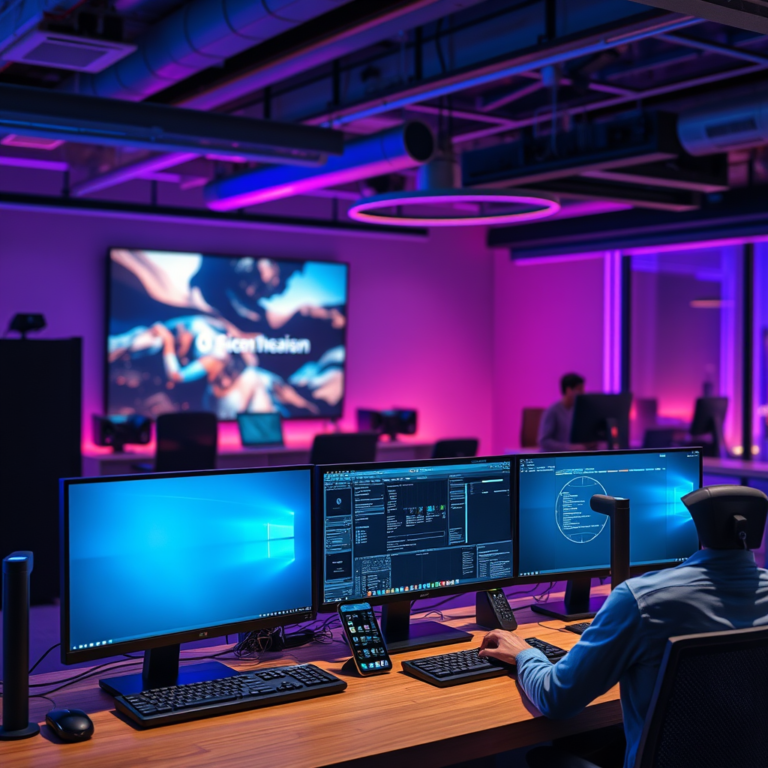

By 2025, video and display technology will undergo transformative changes that prioritize enhanced user experiences and immersive content. As new innovations emerge, understanding these trends will help you navigate this exciting landscape, whether you’re a consumer, content creator, or industry professional. In this article, we’ll explore the most significant trends shaping video and display technology, ensuring you stay in the loop as we approach this pivotal year.
Advancements in 8K Resolution

The rise of 8K TVs is revolutionizing the way we experience visual content, offering four times the resolution of 4K. This leap in clarity means that viewers can enjoy incredibly detailed images that enhance the realism of movies, sports, and gaming. By 2025, we can expect 8K content to become more widely available, with major streaming platforms like Netflix and Amazon Prime Video already beginning to support this higher resolution. In fact, as content creators invest in 8K filming equipment and technology, the amount of native 8K content will likely increase, providing consumers with more options to fully utilize their high-resolution displays.
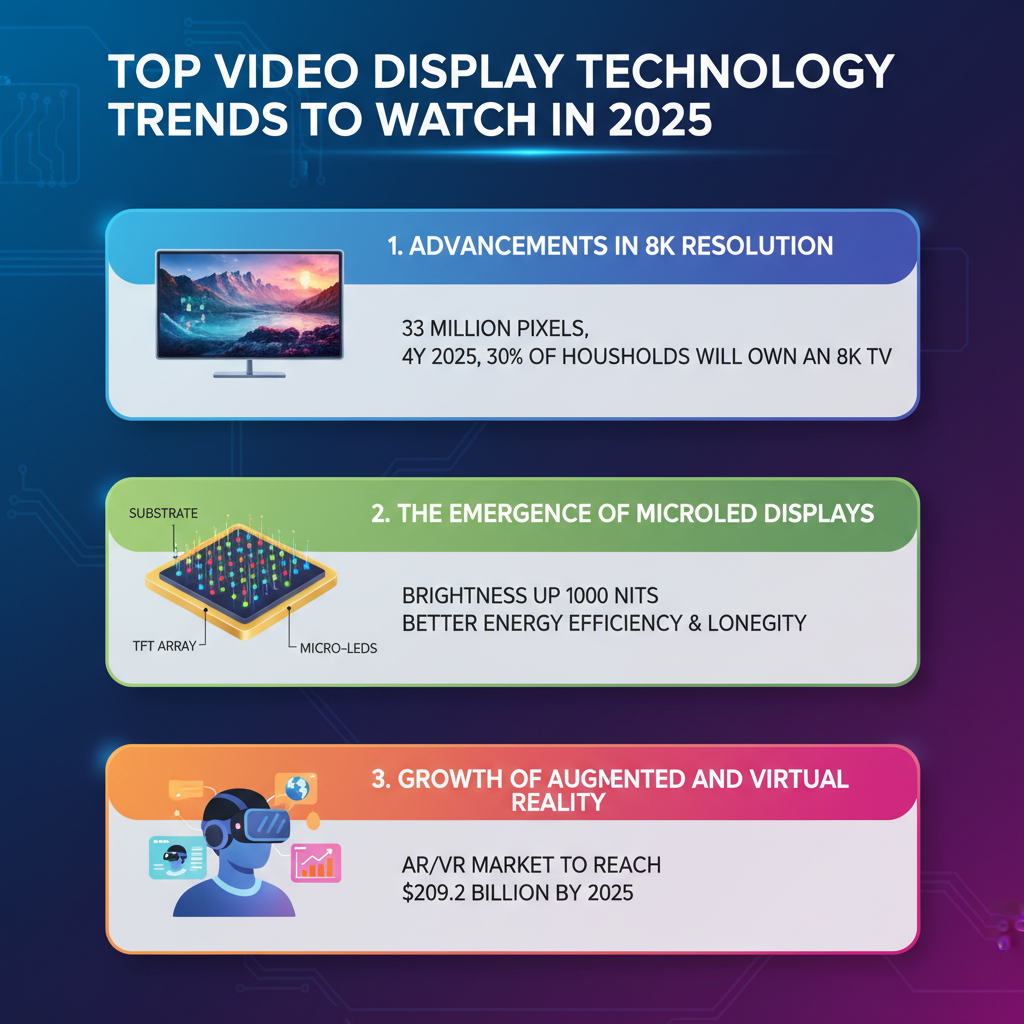
Moreover, as the price of 8K TVs continues to drop, they are becoming more accessible to the average consumer. Brands like Samsung and LG are leading the charge, showing that 8K technology is not just a luxury but a growing standard for home entertainment. As consumers become more aware of the benefits of 8K, such as improved viewing experiences and future-proofing their purchases, the demand for high-resolution content will only intensify.
The Emergence of MicroLED Displays

MicroLED technology is another game-changer set to disrupt the video and display market by 2025. These displays offer superior brightness, contrast, and energy efficiency compared to traditional OLED and LCD screens. MicroLED panels are made up of tiny, individual light-emitting diodes, which allow for perfect black levels and vibrant colors that can make any content come alive.
One of the standout features of MicroLED displays is their modularity. This means they can be combined to create displays of various shapes and sizes, making them ideal for everything from home theaters to large-scale advertising installations. For instance, companies like Sony and Samsung have showcased impressive MicroLED setups that can be tailored to fit any space, further enhancing their appeal.
As more brands adopt MicroLED technology, consumers will benefit from a wider range of display options that cater to different preferences and environments. The continued development of this technology is likely to lead to even more innovative applications, including ultra-thin screens that can be integrated into furniture or architectural elements.
Growth of Augmented and Virtual Reality
Augmented Reality (AR) and Virtual Reality (VR) technologies are on the cusp of becoming mainstream by 2025. These immersive technologies are changing how we interact with video content, allowing users to experience entertainment in entirely new ways. Companies like Meta, formerly Facebook, are heavily investing in AR and VR to enhance social interaction, gaming, and even remote work experiences.
The release of new headsets, such as Meta’s Quest series, has made VR more accessible than ever. These devices are not just for gaming; they are also being utilized in education, training, and even virtual tourism. By integrating AR into everyday life, applications can overlay digital information onto the real world, enriching user experiences without isolating them from their surroundings.
As more industries adopt AR and VR technologies, we can expect an influx of content specifically designed for these platforms. Whether it’s a virtual concert or an interactive educational tool, the opportunities for engaging video content are boundless. This trend will likely reshape how creators think about storytelling, leading to richer, more immersive narratives that captivate audiences.
Integration of Artificial Intelligence
Artificial Intelligence (AI) is set to revolutionize the video and display landscape by enhancing the way content is created and consumed. AI technologies are increasingly being used in video editing and content curation, making it easier for creators to produce high-quality videos with less effort. For instance, tools like Adobe Premiere Pro are incorporating AI-driven features that automate tasks such as color correction and scene detection, allowing creators to focus more on storytelling.
Smart displays, too, are leveraging AI to provide personalized viewing experiences. These displays can learn user preferences over time, automatically suggesting content based on viewing habits. For example, if a user frequently watches cooking shows, the smart display may recommend new culinary channels or recipes, enhancing the overall viewing experience.
As AI continues to evolve, we can expect even more innovative applications across the video landscape. From real-time translation of subtitles in various languages to enhanced accessibility features for those with disabilities, AI is poised to make video content more inclusive and engaging for everyone.
Rise of 3D and Holographic Displays
The evolution of 3D displays is making it possible to enjoy immersive viewing experiences without the need for special glasses. By 2025, we can anticipate advancements that will make these displays more widely available and affordable. Companies like LG and Sony are already experimenting with glasses-free 3D technology that brings images to life, allowing viewers to enjoy content in a whole new dimension.
Holographic technology is also on the rise, promising to redefine how we experience visuals in everyday life. Imagine walking into a store and seeing a holographic display showcasing a product, or attending a presentation where the speaker can project 3D visuals that enhance their message. As this technology becomes more refined, we’ll see it being integrated into advertising, education, and entertainment.
The potential for 3D and holographic displays to transform the way we interact with content is immense. As brands explore innovative ways to use these technologies, consumers will benefit from more engaging and interactive experiences that blur the lines between the digital and physical worlds.
Sustainability in Display Technology
As we look towards 2025, sustainability is becoming a crucial focus in the video and display technology sector. With increasing awareness of environmental issues, manufacturers are prioritizing eco-friendly materials and energy-efficient technologies in their production processes. For example, companies are investing in recyclable packaging and reducing hazardous materials in their displays, appealing to environmentally conscious consumers.
Brands like Samsung and LG are leading the charge by committing to sustainability goals and initiatives that reduce their carbon footprint. This commitment not only helps the planet but also resonates with consumers who are making more environmentally friendly choices in their purchasing decisions.
As consumers demand greater accountability from brands, the push for sustainable practices in display technology will likely continue to grow. By choosing eco-friendly products, consumers can contribute to a healthier planet while enjoying the latest innovations in video and display technology.
Advancements in Streaming Technology
Streaming technology is experiencing rapid advancements that promise to improve video quality and reduce latency by 2025. Enhanced streaming protocols, such as HTTP/3 and Low Latency HLS (HTTP Live Streaming), are being developed to ensure smooth playback even in challenging network conditions. This is especially important as more people rely on streaming for their entertainment needs.
The demand for interactive and live streaming content is reshaping how platforms deliver video to viewers. Services like Twitch and YouTube Live are paving the way for real-time interactions between creators and audiences, allowing for a more engaging viewing experience. As streaming technology continues to evolve, we can expect more platforms to incorporate interactive features, such as live polling and audience participation, further blurring the lines between content consumption and creation.
With the rise of 5G technology, streaming will become even more seamless, allowing viewers to enjoy high-quality video on the go. As a result, consumers will have access to a wider range of content, from live sports to interactive gaming, all delivered in real-time.
Embracing these trends in video and display technology will be crucial for consumers, content creators, and businesses alike. As we approach 2025, staying informed about these innovations will not only enhance your viewing experience but also provide strategic advantages in various industries. Whether you’re looking to upgrade your home entertainment system, dive into content creation, or simply stay ahead of tech trends, these advancements are set to impact your choices moving forward. Keep an eye on these developments, and you’ll be well-prepared to embrace the future of video and display technology!
Frequently Asked Questions
What are the top video technology trends to watch in 2025?
In 2025, key video technology trends to watch include the rise of 8K resolution, which offers exceptional clarity and detail, making it ideal for large displays and immersive experiences. Additionally, advancements in AI-driven video editing tools will streamline content creation, allowing creators to produce high-quality videos more efficiently. Furthermore, the integration of augmented reality (AR) and virtual reality (VR) in video content is expected to enhance viewer engagement and provide innovative storytelling methods.
How will display technology evolve in 2025?
Display technology in 2025 is set to evolve significantly with the introduction of MicroLED and OLED technologies, which offer improved contrast, color accuracy, and energy efficiency. Transparent displays are also expected to gain traction, allowing for unique applications in retail and advertising. Moreover, flexible and foldable screens will continue to reshape how consumers interact with devices, providing more versatile usage options.
Why is 5G important for video and display technologies in 2025?
The rollout of 5G networks is crucial for video and display technologies in 2025 as it facilitates faster data transmission and lower latency, enabling seamless streaming of high-resolution content, including 4K and 8K videos. This enhanced connectivity will support the growth of cloud gaming and augmented reality applications, allowing users to experience high-quality visuals without buffering or interruptions. Ultimately, 5G will empower innovations that rely on real-time data transmission and enhance overall user experiences.
Which video formats should content creators focus on in 2025?
Content creators in 2025 should focus on formats such as HDR (High Dynamic Range) and higher resolution options like 4K and 8K, as these will dominate the viewing landscape and deliver richer visual experiences. Additionally, vertical video formats will continue to be vital, particularly for social media platforms, where mobile-first content is preferred. Emphasizing immersive formats, like 360-degree video, will also be important as audiences seek more engaging and interactive content.
What are the best ways to prepare for upcoming display technologies in 2025?
To prepare for the upcoming display technologies in 2025, businesses and consumers should invest in compatible hardware that supports the latest resolutions and formats, such as 4K and 8K displays. Staying informed about industry trends through tech blogs, webinars, and conferences can also be beneficial. Additionally, exploring partnerships with technology providers will help organizations leverage new display innovations effectively, ensuring they remain competitive in an evolving digital landscape.
References
- https://www.wired.com/story/future-of-display-technology-2025/
- https://www.techrepublic.com/article/the-future-of-video-technology-in-2025/
- https://www.forbes.com/sites/bernardmarr/2022/05/09/the-top-5-video-technology-trends-in-2025/
- https://www.nytimes.com/2023/10/01/technology/video-technology-2025.html
- https://www.sciencedirect.com/science/article/pii/S1877050921001710
- https://www.bbc.com/future/article/20230317-what-will-our-screens-look-like-in-2025
- https://www.reuters.com/technology/technology-trends-2025-video-displays-2023-09-15/
- https://www.nationalgeographic.com/science/article/the-next-generation-of-display-technology