
In essence, personalized AI-generated video content works by utilizing algorithms and data analytics to create tailored videos that resonate with individual viewer preferences. This innovative technology analyzes user behavior and preferences to produce engaging content that feels uniquely relevant. As we delve deeper, you’ll discover how these systems operate, the technology behind them, and their potential applications across various industries, all while highlighting the exciting possibilities of personalized video content.
Understanding the Technology Behind AI-Generated Videos
At the heart of personalized AI-generated video content lies advanced technology powered by artificial intelligence (AI) algorithms. These algorithms employ machine learning techniques to sift through vast amounts of data, identifying patterns and trends that inform content creation. For instance, they can analyze which types of videos viewers engage with the most, the duration of their viewing sessions, and even specific preferences related to style and tone.
Additionally, natural language processing (NLP) plays a pivotal role in generating scripts that align with viewer interests. NLP allows the AI to understand and generate human-like text, ensuring that the messaging feels relatable and engaging to the intended audience. By combining machine learning and NLP, creators can produce highly relevant content that speaks directly to viewers, making their experience more enjoyable and satisfying.
Data Collection and User Profiling

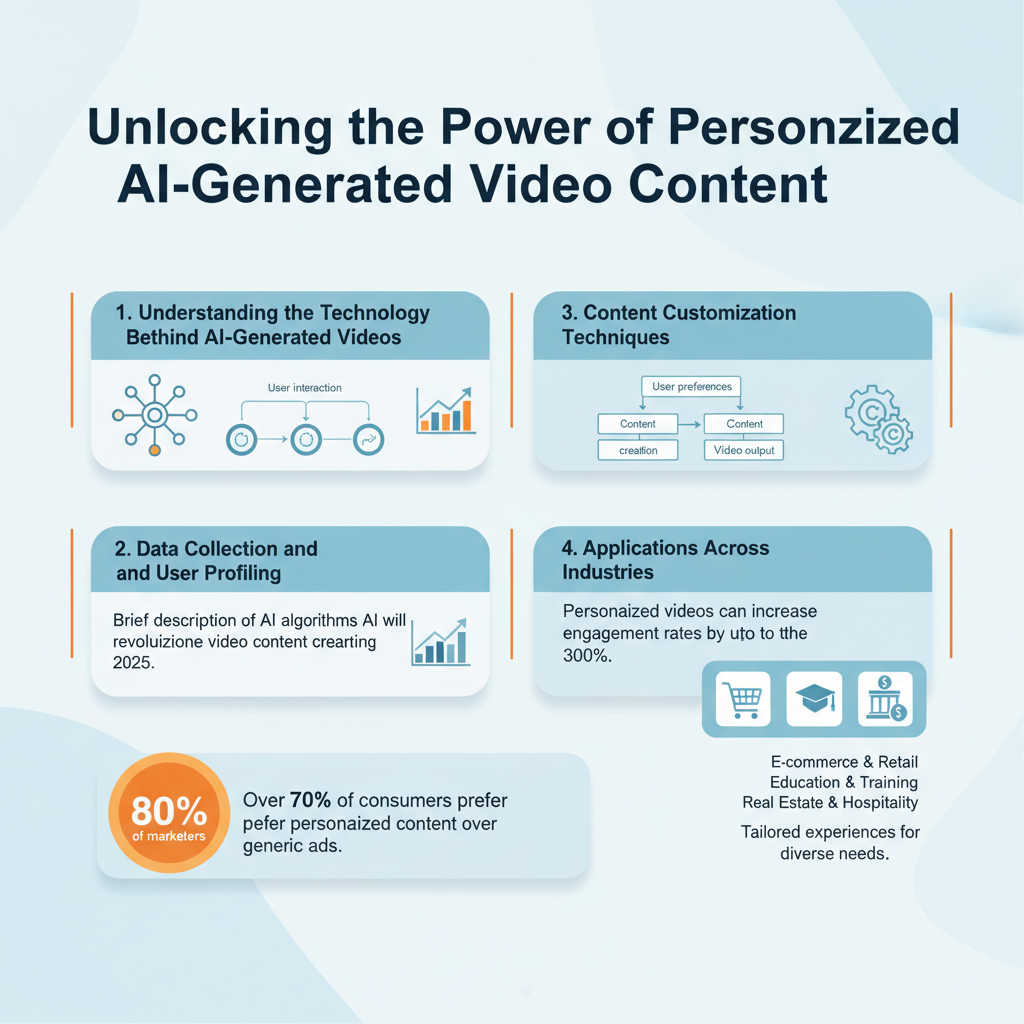
Before any personalized content can be created, a robust system for data collection and user profiling must be established. User data is gathered from a variety of sources, including social media platforms, browsing history, and even purchase behaviors. This diverse data set is crucial for understanding the unique preferences and habits of each viewer.
Once the data is collected, sophisticated profiling techniques come into play. AI systems analyze this information to create detailed profiles that identify preferences, demographics, and viewing habits. For instance, a user who frequently watches cooking videos may receive customized content featuring new recipes or cooking techniques tailored to their skill level. This depth of personalization ensures that the videos are not just generic but rather tailored to the individual’s unique tastes.
Content Customization Techniques
With a solid understanding of user profiles, the next step is content customization. One of the most exciting aspects of personalized AI-generated video content is dynamic video generation. This technology allows for real-time modifications based on user data, meaning that videos can change based on various factors, such as location, time of day, or even current trends.
Personalization can take many forms, including tailored messaging, visuals, and even voiceovers that appeal to specific audiences. For example, a marketing video for a new fitness product might feature an upbeat tone and vibrant visuals for a younger demographic, while the same product might be presented more subtly with calming visuals for an older audience. This level of customization not only enhances viewer engagement but also increases the likelihood of conversion, as audiences feel more connected to content that resonates with them personally.
Applications Across Industries
The applications of personalized AI-generated video content are vast and span across multiple industries. In the marketing sector, brands are increasingly leveraging personalized videos to improve engagement and conversion rates. For instance, companies like Netflix and Spotify use personalized video content to suggest new shows or music based on users’ past viewing or listening habits, driving higher user satisfaction and retention.
In education, customized learning videos can cater to different learning styles and paces. Imagine a student struggling with a particular math concept receiving a video that explains the topic using their preferred learning method, whether it’s visual, auditory, or kinesthetic. Such tailored educational content not only enhances understanding but also fosters a more inclusive learning environment.
Challenges and Ethical Considerations
While the benefits of personalized AI-generated video content are substantial, there are also challenges and ethical considerations to be mindful of. One significant concern is data privacy. The extensive collection of user data raises questions about how this information is stored, used, and shared. Consumers are becoming increasingly aware of their digital footprints, and brands must navigate the fine line between personalization and privacy.
Ensuring transparency in how data is used for video personalization is crucial. Companies need to communicate their data collection processes clearly and obtain consent from users. Building trust with consumers is essential for the long-term success of personalized video content strategies.
The Future of Personalized AI Video Content
Looking ahead, advancements in AI technology promise even more sophisticated customization options. As machine learning algorithms become more refined, they will be able to predict user preferences with greater accuracy, leading to even more engaging and relevant content. Additionally, the integration of augmented reality (AR) with AI-generated videos is on the horizon, allowing for immersive experiences that blend the digital and physical worlds. Imagine watching a cooking video where you can virtually interact with the chef, asking questions in real time!
As these technologies evolve, the potential for personalized video content will only expand, creating exciting opportunities for businesses and creators alike.
In summary, personalized AI-generated video content is reshaping how we consume media by tailoring experiences to individual preferences. As technology evolves, the potential for even deeper personalization will increase, raising both exciting opportunities and important ethical considerations. If you’re interested in exploring how this technology can benefit your business or projects, consider reaching out for more insights and solutions. The future is bright for personalized content, and embracing these innovations could be the key to connecting with audiences in meaningful ways.
Frequently Asked Questions
How does personalized AI-generated video content work?
Personalized AI-generated video content uses algorithms and machine learning to analyze user data, preferences, and behaviors to create tailored video experiences. By leveraging data inputs such as past viewing history, demographic information, and engagement metrics, AI can generate videos that resonate with individual viewers, enhancing engagement and satisfaction. This technology not only automates video production but also ensures that the content is relevant and appealing to specific audiences.
What are the benefits of using personalized AI-generated video content for marketing?
The benefits of personalized AI-generated video content for marketing include increased viewer engagement, higher conversion rates, and improved customer retention. By delivering tailored messages that speak directly to the viewer’s interests and needs, businesses can capture attention more effectively than with generic content. Additionally, such videos can significantly enhance brand loyalty, as personalized experiences foster a deeper connection between the brand and the consumer.
Why should businesses invest in personalized AI-generated video content?
Businesses should invest in personalized AI-generated video content because it provides a competitive edge in a crowded digital landscape. Personalized content has been shown to drive higher engagement levels and better performance metrics compared to standard video formats. Furthermore, as consumers increasingly expect customized experiences, businesses that leverage AI to meet these demands can improve their brand reputation and customer satisfaction, ultimately leading to increased sales and growth.
Which industries benefit the most from personalized AI-generated video content?
Industries such as e-commerce, education, entertainment, and healthcare benefit significantly from personalized AI-generated video content. In e-commerce, personalized product recommendations in video form can lead to higher sales conversions. In education, customized learning videos can enhance student engagement and retention. Similarly, the entertainment industry can tailor content to specific audience segments based on viewing habits, while healthcare can use personalized videos for patient education and engagement.
How can businesses implement personalized AI-generated video content into their strategy?
Businesses can implement personalized AI-generated video content by integrating AI tools and platforms that specialize in video creation and data analytics. They should start by collecting and analyzing user data to understand audience preferences and behaviors. After identifying target segments, companies can use AI-driven video creation tools to produce tailored content that aligns with those insights. Additionally, regularly measuring performance metrics will help refine strategies and ensure ongoing relevance and effectiveness.
References
- Deep learning
- https://www.reuters.com/technology/how-ai-is-changing-video-production-2021-05-05/
- https://www.bbc.com/future/article/20200720-how-ai-is-revolutionising-video-production
- https://www.sciencedirect.com/science/article/pii/S0360132319301098
- https://www.techrepublic.com/article/how-ai-generated-video-is-changing-the-media-industry/
- https://www.nature.com/articles/s41598-019-53351-5
- https://www.wired.com/story/how-ai-is-changing-the-way-we-make-videos/
- https://www.theguardian.com/media/2021/aug/19/ai-video-production-tools-technology