Transparent OLEDs are set to revolutionize future workspaces by enhancing collaboration, improving aesthetics, and integrating technology seamlessly into our environments. These innovative displays not only offer a futuristic design but also serve practical functions that can significantly enhance productivity and creativity in the workplace. In this article, you’ll discover how transparent OLEDs can transform work settings, making them more efficient and visually appealing for employees and clients alike.
The Technology Behind Transparent OLEDs
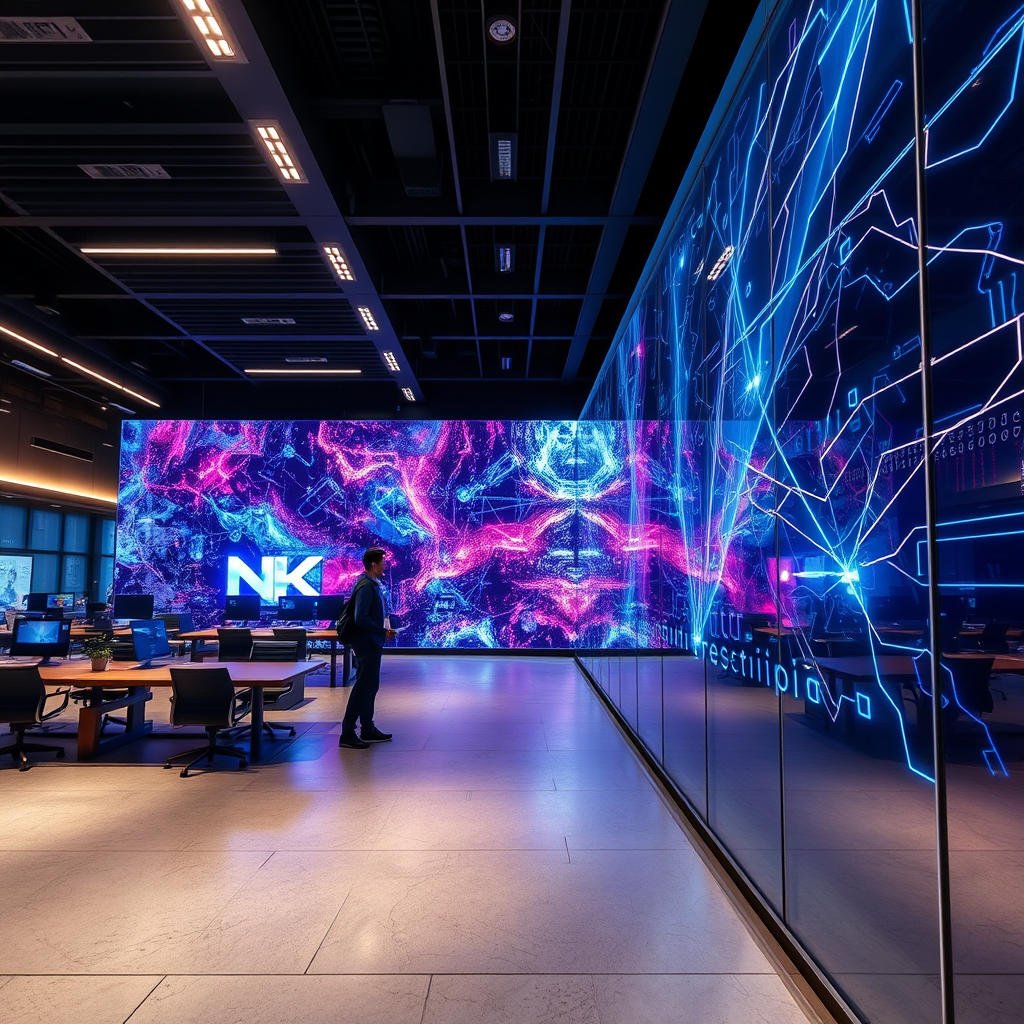
Transparent OLEDs utilize organic light-emitting diodes (OLEDs) to display images while allowing visibility through the screen. This unique technology allows for a visually striking experience that combines transparency with high-resolution visuals, thereby transforming how information is shared in office environments. Unlike traditional screens, transparent OLEDs can function effectively in various lighting conditions, thanks to their high brightness and contrast capabilities. This means that they can be used in well-lit offices without losing visibility, making them a versatile addition to any workspace.
Furthermore, the construction of transparent OLEDs allows them to emit light without the need for a backlight, which not only improves their energy efficiency but also reduces the bulkiness associated with conventional display technologies. This sleek design can be integrated into glass walls, windows, or even furniture, providing a seamless blending of technology with the physical workspace. As businesses look to integrate cutting-edge solutions, transparent OLEDs present a compelling case for innovation in office design.
Enhancing Collaborative Spaces

One of the most significant benefits of transparent OLEDs is their ability to enhance collaborative spaces. Imagine a conference room where the walls are lined with transparent OLED displays that can serve as interactive whiteboards. During brainstorming sessions, teams can easily share ideas and visuals while still maintaining an open atmosphere that encourages creativity and teamwork. This level of interaction fosters a dynamic environment where collaboration flourishes, allowing team members to engage with each other more effectively.
Moreover, these displays enable real-time sharing of information without the obstruction of physical barriers. For instance, a transparent OLED could be used to showcase a live feed of project updates or relevant data while allowing team members to maintain eye contact and engagement. This capability not only enhances communication but also promotes a sense of inclusivity within the workspace, where everyone can contribute and access information effortlessly.
Aesthetic Benefits of Transparent OLEDs
In addition to their functional benefits, transparent OLEDs bring significant aesthetic advantages to office design. Their ability to blend seamlessly into the environment creates a modern and sleek look that enhances the overall ambiance of the workplace. Businesses can incorporate these displays into their interior design strategies, utilizing them as artistic focal points or branding opportunities.
For example, a company could use transparent OLEDs to display its logo or mission statement in a visually striking manner, all while maintaining unobstructed views of the surrounding environment. This feature is particularly beneficial in open office layouts, where natural light is paramount. Instead of blocking windows or views, transparent OLEDs can be strategically placed to enhance visibility and create an airy feeling within the workspace. By marrying functionality with artistic expression, transparent OLEDs can elevate the aesthetic appeal of any office.
Integration with Smart Technology
As workplaces continue to evolve into smart environments, the integration of transparent OLEDs with smart technology becomes increasingly important. These displays can be connected to various office systems, allowing them to showcase relevant data and updates directly within the workspace. For instance, a transparent OLED could display key performance indicators, project timelines, or even ambient lighting options based on user preferences.
Imagine walking into a meeting room where the OLED display greets you with a summary of the day’s agenda and highlights important notifications. Such integration not only streamlines information sharing but also minimizes the need for excessive paperwork or digital clutter. By utilizing transparent OLEDs as central hubs of information, businesses can create a more organized and efficient working environment.
Cost and Energy Efficiency
While the initial investment in transparent OLEDs may be higher than traditional display technologies, the long-term savings they offer can make them a cost-effective choice. Transparent OLEDs are designed with energy efficiency in mind, using less power than conventional screens. This efficiency can lead to reduced energy bills over time, making them a financially savvy choice for businesses looking to cut costs.
Additionally, transparent OLEDs have a longer lifespan and lower maintenance requirements compared to traditional displays. This means fewer replacements and repairs, further enhancing their overall cost-efficiency. By investing in transparent OLED technology, companies not only embrace innovation but also contribute to sustainability efforts, aligning with the growing demand for environmentally responsible business practices.
Future Trends in Workspace Design
The integration of transparent OLEDs is poised to influence future office layouts significantly. As workplaces evolve, the emphasis will likely shift toward open and flexible environments that prioritize collaboration and creativity. Transparent OLEDs can serve as versatile tools in designing these spaces, enabling businesses to create multifunctional areas that cater to different work styles.
Moreover, as technology continues to advance, we can expect even more innovative applications for transparent displays in various industries. For example, retail spaces may use transparent OLEDs to showcase products or advertisements while maintaining a view of the store layout. Similarly, educational institutions could implement these displays in classrooms to enhance learning experiences. The possibilities are endless, and transparent OLEDs will undoubtedly play a central role in shaping the future of workspace design.
The potential of transparent OLEDs to reshape workspaces is immense, combining functionality with cutting-edge design. By enhancing collaboration, improving aesthetics, integrating with smart technologies, and offering cost and energy efficiencies, these displays represent a significant advancement in workplace innovation. As businesses consider these advancements, they should explore possibilities for integrating such technology into their environments to stay ahead in a competitive landscape. Embracing transparent OLEDs is not just a step toward modernization; it’s a commitment to creating a dynamic, engaging, and efficient workspace that fosters productivity and creativity.
Frequently Asked Questions
What are Transparent OLEDs and how do they work?
Transparent OLEDs (Organic Light Emitting Diodes) are a type of display technology that allows light to pass through while still providing vibrant images and colors. They work by utilizing organic compounds that emit light when an electric current is applied, creating a display that can be both transparent and functional. This dual capability opens up innovative possibilities for integrating displays into various surfaces in future workspaces, such as windows and partition walls.
How can Transparent OLEDs enhance productivity in the workplace?
Transparent OLEDs can enhance workplace productivity by providing real-time information and notifications without obstructing natural light or visibility. By integrating these displays into office environments, employees can access important data, such as schedules or project updates, directly from their surroundings. This seamless access leads to fewer interruptions and better focus, ultimately improving overall workflow and efficiency.
Why are Transparent OLEDs considered a sustainable technology for future offices?
Transparent OLEDs are considered a sustainable technology because they can significantly reduce energy consumption compared to traditional lighting and display solutions. By allowing natural light to penetrate workspaces while providing illumination and information, they minimize the need for artificial lighting. Additionally, the use of organic materials in their construction contributes to a lower environmental impact, aligning with the growing demand for eco-friendly office designs.
Which industries are likely to benefit the most from Transparent OLED technology in their workspaces?
Industries such as retail, architecture, healthcare, and corporate offices are poised to benefit significantly from Transparent OLED technology. In retail, they can create immersive shopping experiences by displaying product information without blocking views. In corporate environments, they can enhance collaboration by providing visual aids during meetings. Healthcare facilities can use them for patient information displays, improving communication without compromising transparency.
What are the challenges of implementing Transparent OLEDs in office design?
One of the primary challenges of implementing Transparent OLEDs in office design is the cost, as the technology can be more expensive than traditional display options. Additionally, ensuring that the displays maintain high visibility and clarity in various lighting conditions can be complex. There is also the need for proper integration into existing infrastructure, which may require significant redesign or retrofitting to maximize their potential benefits in a workspace setting.
References
- OLED
- https://www.sciencedirect.com/science/article/pii/S0020030819303605
- https://www.nature.com/articles/s41598-021-94145-3
- https://www.reuters.com/technology/transparent-oled-displays-are-here-2021-08-10/
- https://www.wired.com/story/transparent-oleds-next-big-thing/
- https://www.technologyreview.com/2021/12/15/1040120/transparent-displays-future-workspaces/
- https://www.bbc.com/future/article/20210906-how-transparent-displays-could-change-our-world
- https://www.forbes.com/sites/bernardmarr/2020/12/21/the-future-of-transparent-oled-displays/