Incorporating AI technology significantly enhances live-streaming video quality by effectively reducing noise and improving clarity. Viewers can expect sharper images and a more enjoyable experience, even in challenging environments. This article will explore how AI-driven noise reduction works and its impact on live streaming.




Understanding Noise in Live Streaming
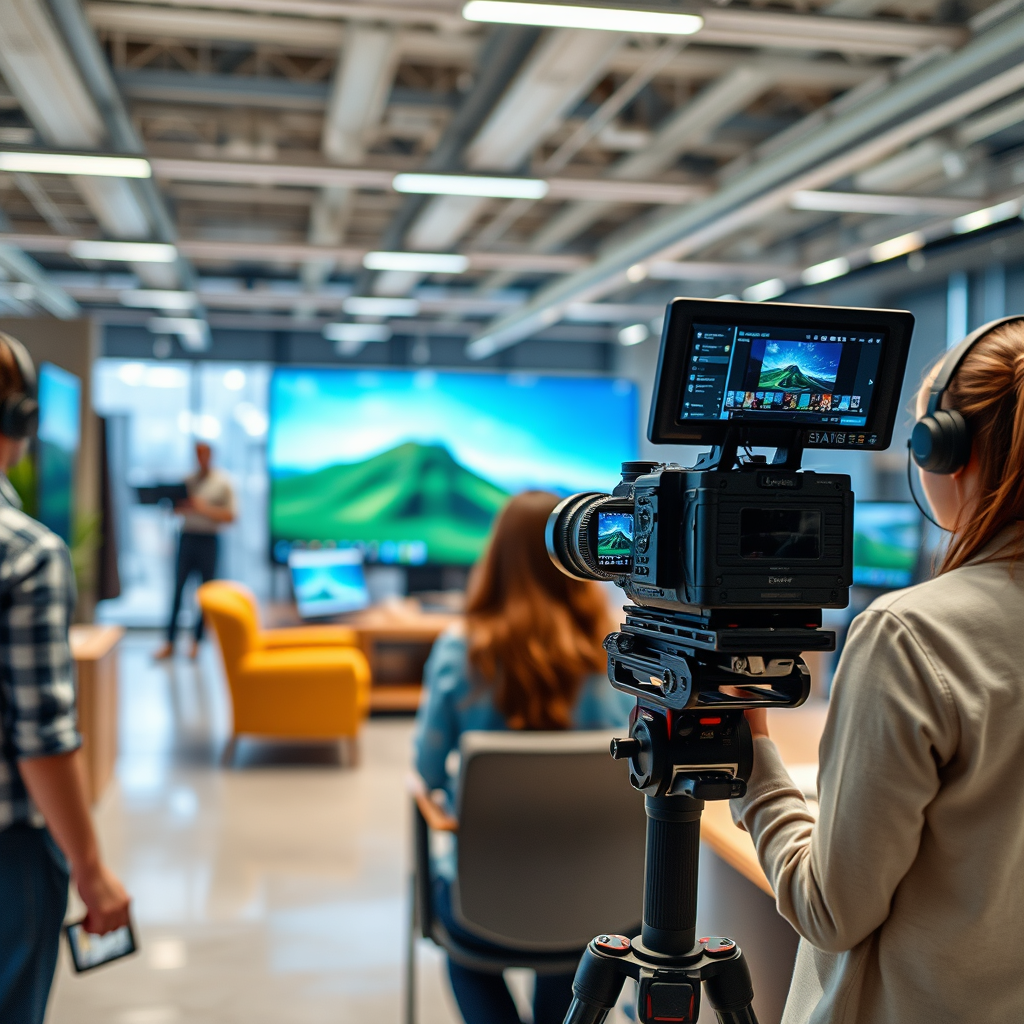
Noise in a live-streaming video can be a real buzzkill. Imagine watching your favorite event only to be distracted by grainy images or unwanted visual artifacts, especially when the lighting isn’t ideal. This visual disruption not only detracts from the overall viewer engagement but can also lead to frustration and a lack of interest in the content. Common types of noise include pixelation, color distortion, and blurriness that often occur in low-light conditions or fast-moving scenarios. For broadcasters, this means that poor video quality can negatively affect audience retention, making it crucial to address and minimize noise for an optimal viewing experience.
The Role of AI in Noise Reduction
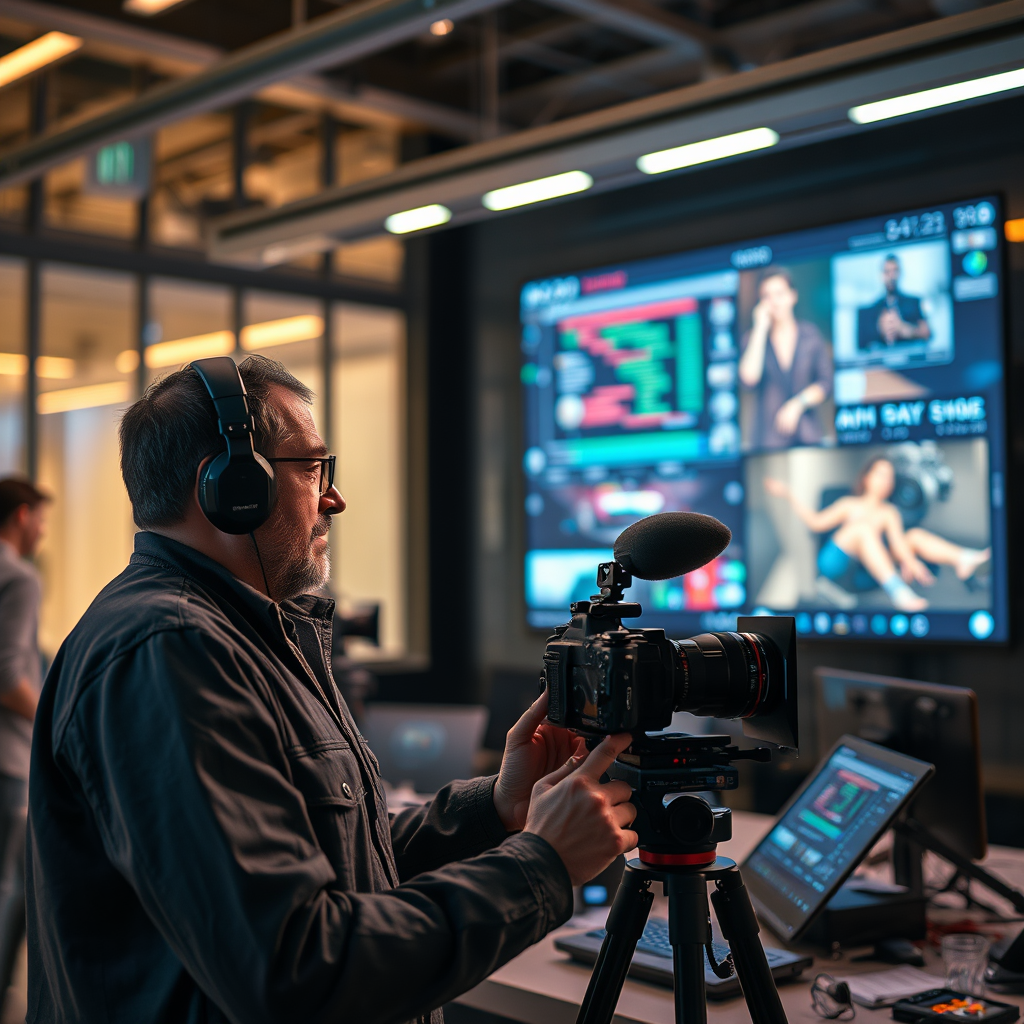
So, how does AI come into play in reducing this pesky noise? AI algorithms are designed to analyze video frames in real-time, identifying patterns that signify noise and filtering them out before they reach the viewer’s screen. By utilizing deep learning models, these algorithms can continuously improve their noise reduction techniques, learning from a variety of streaming scenarios. For instance, an AI system might observe a particular pattern of noise in low-light environments and adapt its approach accordingly for future broadcasts. The result is a smoother and clearer video feed, which is essential for maintaining viewer engagement during live events.
Benefits of AI Noise Reduction for Broadcasters
The advantages of AI-driven noise reduction extend beyond just clearer visuals. For broadcasters, delivering high-quality content is paramount to maintaining professionalism and a strong brand image. Enhanced viewer experiences, thanks to clearer visuals, lead to higher audience retention and satisfaction. Imagine a sports broadcaster who utilizes AI noise reduction; viewers are more likely to stay tuned in, enjoying the game without the distraction of poor video quality. Furthermore, when audiences are happy, they’re more likely to share the content and return for future broadcasts, boosting viewership and building a dedicated community around your content.
Key AI Techniques Used in Noise Reduction
AI employs various techniques to tackle noise reduction, each with its unique strengths. One prominent method is temporal noise reduction, which analyzes multiple consecutive frames to differentiate between noise and genuine image data. By comparing frames, AI can effectively smooth out noise while preserving important details, resulting in a more visually appealing stream.
On the other hand, spatial noise reduction focuses on individual frames, smoothing out imperfections within a single image. This technique can be particularly useful in situations where the video is not consistently high quality, such as user-generated content or streams from personal devices. By leveraging both temporal and spatial noise reduction techniques, broadcasters can ensure that their content shines, regardless of the original video quality.
Challenges and Limitations of AI Noise Reduction
While AI noise reduction is a game-changer, it’s not without its challenges. One common issue is the risk of over-smoothing, which can lead to the loss of fine details in the video. This is particularly problematic in high-action scenarios or intricate visuals where every detail matters. For example, during a live concert, removing too much noise might blur the edges of performers or instrumental details, detracting from the overall experience.
Additionally, the effectiveness of AI noise reduction models can vary based on the complexity of the content being streamed. Simple, static scenes might not require as sophisticated an approach as fast-paced sports or dynamic action scenes. Broadcasters must consider these limitations and be prepared to fine-tune their AI solutions to match the specific requirements of their content.
Future Trends in AI and Live Streaming
As technology continues to evolve, the future of AI in live streaming looks promising. Continued advancements in AI capabilities are expected to yield even more sophisticated noise reduction strategies. For instance, we may see the integration of AI with other features like automated content moderation and real-time analytics, allowing for a more comprehensive approach to enhancing the viewer experience. Imagine a scenario where AI not only cleans up video noise but also provides insights on viewer engagement in real-time, enabling broadcasters to adjust their content on the fly. Such innovations will undoubtedly set new standards in the live-streaming industry.
Best Practices for Implementing AI Noise Reduction
To make the most of AI noise reduction, broadcasters should start by selecting the right AI tools that are tailored to their specific streaming needs and environments. Not all noise reduction technologies are created equal, so it’s essential to evaluate options based on factors like compatibility, ease of use, and effectiveness in various conditions.
Additionally, regularly updating and training AI models is crucial. As new streaming conditions emerge and user preferences evolve, keeping AI models up-to-date with fresh data will help maintain their effectiveness. Broadcasters should also gather feedback from viewers to continuously refine their approach, ensuring a top-notch streaming experience.
Improving live-streaming video quality through AI noise reduction is not just a trend but a necessity for modern broadcasters. By leveraging these technologies, content creators can ensure their audiences enjoy a seamless and engaging viewing experience. To stay ahead, consider exploring AI solutions tailored for your streaming needs and enhance your content delivery today. The future of live streaming is bright, and with the right tools, your broadcasts can stand out in a crowded digital landscape.
Frequently Asked Questions
What methods do AI algorithms use to enhance live-streaming video quality through noise reduction?
AI algorithms enhance live-streaming video quality primarily through techniques such as temporal noise reduction and spatial filtering. Temporal noise reduction analyzes consecutive frames to identify and eliminate noise while maintaining motion fluidity. Spatial filtering focuses on enhancing pixel quality by smoothing out noise without blurring important details, resulting in clearer, more professional-looking live streams.
How can I implement AI noise reduction for my live-streaming setup?
To implement AI noise reduction in your live-streaming setup, you can utilize software solutions or hardware that integrate AI technology. Many popular streaming software platforms, like OBS Studio or Wirecast, offer plugins or built-in features for noise reduction. Additionally, hardware options like dedicated video processors can apply AI-enhanced noise reduction in real-time, improving stream quality without compromising performance.
Why is noise reduction important for live-streaming video quality?
Noise reduction is crucial for live-streaming video quality because it greatly enhances viewer experience by providing clear and visually appealing content. High noise levels can distract viewers and detract from the overall message, especially in professional environments like webinars or gaming streams. By reducing noise, streamers can ensure their audience remains engaged and can easily absorb the content being presented.
Which AI tools are considered the best for noise reduction in live streaming?
Some of the best AI tools for noise reduction in live streaming include NVIDIA RTX Graphics cards equipped with AI-based features, Adobe Premiere Pro for post-processing, and specialized software like Topaz Video Enhance AI. These tools leverage advanced machine learning algorithms to effectively reduce noise and enhance video quality, making them suitable for both amateur and professional streamers seeking to improve their broadcast quality.
How does AI noise reduction compare to traditional noise reduction techniques in live streaming?
AI noise reduction techniques surpass traditional methods by leveraging machine learning to analyze and adapt to the specifics of each frame in real-time, resulting in more effective noise elimination without degrading image quality. Traditional methods often rely on static algorithms that may not account for varying conditions or dynamic content, leading to potential loss of detail. Therefore, AI-driven solutions provide a more nuanced and efficient approach, ensuring higher video quality during live streaming.
References
- Artificial intelligence
- https://www.sciencedirect.com/science/article/pii/S1877050919300732
- https://www.bbc.com/news/technology-54152239
- https://www.researchgate.net/publication/338227456_A_Survey_on_Noise_Reduction_Algorithms_for_Video_Streaming
- https://www.nature.com/articles/s41598-020-68511-8
- https://www.techrepublic.com/article/how-ai-is-making-video-streaming-more-accessible/
- https://www.itu.int/en/ITU-T/focusgroups/ai4good/Documents/AI_in_Video_Streaming.pdf