Tesla’s display technology is recognized as one of the most cutting-edge in the electric vehicle (EV) sector, primarily due to its expansive touchscreen interface that consolidates a multitude of vehicle functions. When you compare this to other EVs, which may offer smaller or less intuitive displays, it’s evident that Tesla excels in providing a superior user experience. In this article, we will delve into the critical aspects of Tesla’s display technology and how it measures up against its competitors.




User Interface and Design
One of the standout features of Tesla’s display technology is its minimalist design. The user interface is crafted with simplicity in mind, which significantly reduces driver distraction. From the moment you step into a Tesla, the large touchscreen interface greets you with a clean layout that prioritizes essential information. Functions are organized intuitively, making it easy for drivers to access navigation, climate controls, and media without being overwhelmed.
In contrast, many competing EVs feature more complex interfaces, often cluttered with multiple screens and physical buttons. For instance, some manufacturers opt for a more traditional dashboard layout with various knobs and switches, which can complicate the user experience. This complexity can lead to frustration, especially for drivers who are accustomed to the streamlined experience that Tesla offers. By focusing on an uncluttered design, Tesla not only enhances usability but also promotes safer driving habits by minimizing distractions.
Screen Size and Resolution
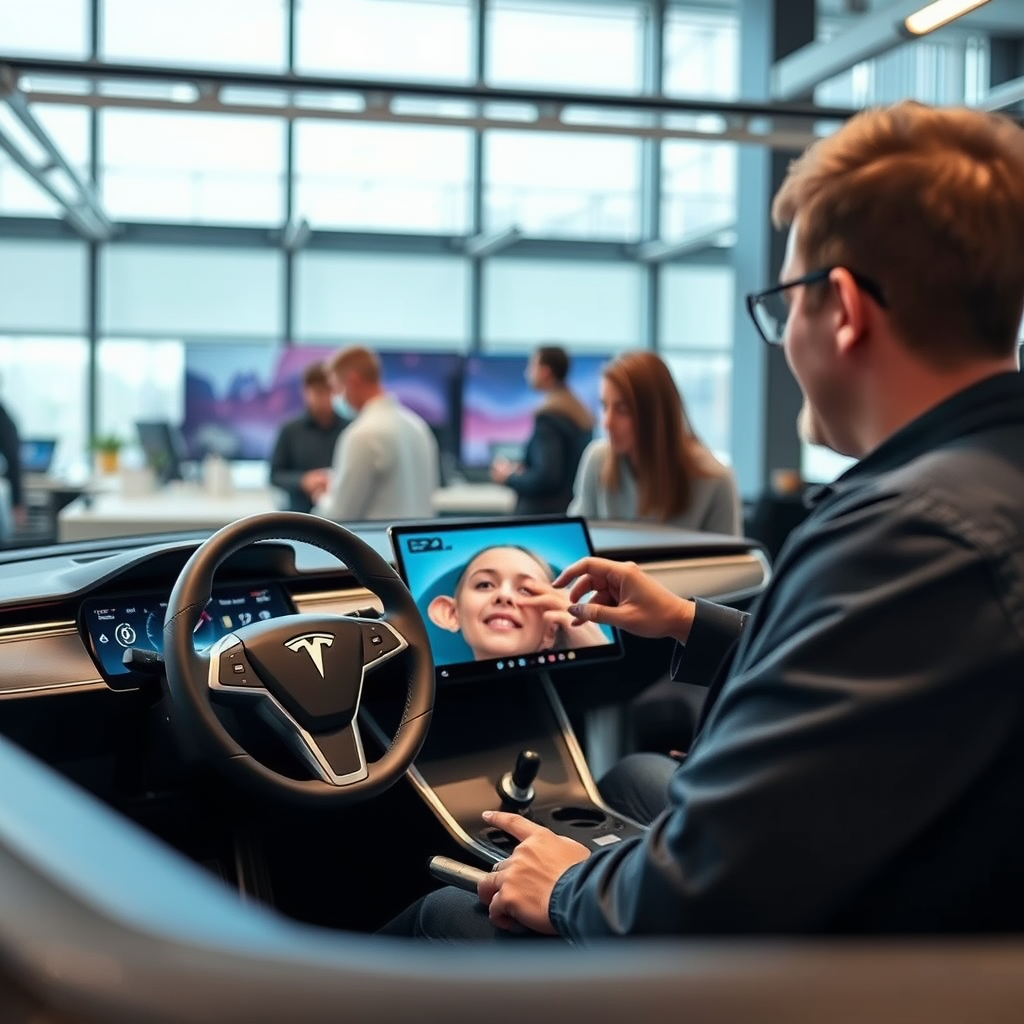
When it comes to screen size and resolution, Tesla truly shines. Their vehicles boast large, high-resolution screens that provide crystal-clear visuals for everything from navigation to media playback. For instance, the Tesla Model S features a 17-inch touchscreen that delivers vibrant colors and sharp images, making it easy to read maps even in bright sunlight.
On the other hand, many other EVs come equipped with smaller screens that often have lower resolutions. For example, the Nissan Leaf, while a popular EV, has a smaller display that may not provide the same level of clarity and detail when navigating or using apps. This difference in screen size and quality can significantly impact visibility and usability, particularly for tasks that require quick glances while driving.
Integration with Vehicle Functions
Tesla’s display technology excels in integrating various vehicle functions into one cohesive platform. The touchscreen seamlessly combines controls for climate settings, navigation, and entertainment, allowing drivers to manage everything from one location without losing focus on the road. For example, adjusting the air conditioning while navigating is a breeze with Tesla’s interface, as it provides a clear view of both functions side by side.
Conversely, other EV manufacturers may require multiple screens or physical buttons to control different aspects of the vehicle. This fragmentation can complicate the user experience and lead to distractions as drivers fumble between different interfaces. By providing a singular, integrated platform, Tesla enhances the overall driving experience, making it more intuitive and enjoyable.
Software Updates and Features
One of the most significant advantages of owning a Tesla is the continuous software updates that enhance display functionality and introduce new features. Tesla’s over-the-air (OTA) updates allow the company to roll out improvements and innovations without requiring a visit to a dealership. This means that your vehicle can evolve over time, gaining new features and enhancements that improve the user experience.
In contrast, many traditional automakers do not offer the same level of regular updates, leaving their displays static and potentially outdated. For instance, some EVs may require manual updates via USB drives or dealer visits, which can be inconvenient and hinder the user experience. Tesla’s commitment to ongoing development ensures that drivers always have access to the latest technology, making their display systems more versatile and user-friendly.
Customization Options
Tesla takes personalization to the next level by allowing drivers to customize their display settings and layout according to their preferences. This means you can adjust the arrangement of icons, choose your favorite themes, and even toggle between different display modes to suit your driving style. Such flexibility enhances the sense of ownership and connection drivers feel with their vehicles.
On the other hand, many competing EVs often feature limited customization options. For example, some models only allow for basic adjustments, which can lead to a more static and less engaging user experience. By offering a high degree of customization, Tesla empowers drivers to tailor their vehicle’s interface to their liking, contributing to a more enjoyable driving experience.
Safety and Driver Assistance Features
Safety is a top priority for Tesla, and its display technology reflects this commitment. The touchscreen prominently features advanced safety and driver assistance information, providing real-time data that aids in decision-making while driving. For example, Tesla’s Autopilot features are integrated directly into the display, giving drivers clear visual cues about their surroundings and the vehicle’s current status.
In contrast, some competing EVs may not prioritize critical safety information in their display setups. For instance, certain models may bury important alerts or safety features within submenus, making it harder for drivers to access vital information quickly. By prioritizing safety in its display technology, Tesla enhances driver awareness and promotes safer driving habits.
Future Innovations in Display Technology
Tesla is at the forefront of incorporating advanced technologies into its display systems. The company is exploring the integration of augmented reality (AR) and artificial intelligence (AI) to create a futuristic driving experience. For instance, Tesla has hinted at the potential for AR overlays that could provide drivers with contextual information about their surroundings, enhancing navigation and safety.
In contrast, many other EV manufacturers are still in the early stages of exploring these advanced technologies. While some companies are beginning to dabble in AR and AI, they may not yet have the infrastructure or vision to fully realize these innovations. As Tesla continues to push the boundaries of display technology, it sets a high standard for the industry, compelling competitors to innovate in order to keep up.
Tesla’s display technology not only enhances the driving experience but also sets a benchmark for the entire electric vehicle industry. With its focus on user-friendly design, integration, and continuous innovation, Tesla provides an unmatched experience for drivers. As competitors work to catch up, it’s evident that Tesla’s approach continues to lead in user experience, functionality, and technological advancements. If you’re considering an EV, evaluating the display technology is crucial for making an informed decision. After all, the interface you interact with daily can significantly influence your overall driving enjoyment and satisfaction.
Frequently Asked Questions
How does Tesla’s display technology differ from that of other electric vehicles (EVs)?
Tesla’s display technology primarily features a large, central touchscreen that serves as the main control hub for the vehicle’s functions, unlike many other EVs that utilize smaller screens or a combination of physical buttons and touch interfaces. Tesla’s interface is highly customizable and integrates advanced features such as real-time navigation updates, energy consumption data, and over-the-air software updates, providing a seamless user experience that sets it apart from competitors.
What are the advantages of Tesla’s touchscreen display compared to traditional dashboard layouts in other EVs?
Tesla’s touchscreen display offers several advantages, including a minimalist design that eliminates clutter and provides a more modern aesthetic. The large screen allows for easy access to various functions such as climate control, media, and navigation, all in one place, which enhances usability. Additionally, Tesla frequently updates its software, improving features and introducing new functionalities without requiring physical changes to the hardware, a feature that many traditional dashboard layouts do not offer.
Why do some users prefer Tesla’s display technology over that of other brands?
Many users prefer Tesla’s display technology due to its user-friendly interface, high responsiveness, and intuitive design that makes navigation uncomplicated. The ability to customize settings and access a wealth of information at a glance significantly enhances the driving experience. Furthermore, Tesla’s commitment to continuous improvement through software updates ensures that users benefit from the latest advancements without needing to purchase a new vehicle.
Which EV brands offer display technology comparable to Tesla’s?
Brands such as Lucid Motors, Rivian, and Ford (with the Mustang Mach-E) have begun to incorporate advanced display technologies that rival Tesla’s. These vehicles often feature large touchscreens and sophisticated infotainment systems that provide similar functionalities, including smart navigation, vehicle health monitoring, and customizable user interfaces. However, the depth of integration and overall user experience may still vary, with Tesla often leading in terms of software updates and system responsiveness.
How do Tesla’s updates enhance the user experience compared to other EV displays?
Tesla’s ability to deliver over-the-air updates allows for continuous improvement of its display technology, adding new features and enhancing existing ones without requiring physical changes to the vehicle. This capability ensures that Tesla drivers can benefit from the latest advancements in navigation, entertainment, and vehicle performance. In contrast, many other EV manufacturers may require dealership visits for system updates, leading to a less dynamic user experience and potentially leaving older models behind in terms of technology enhancements.
References
- Tesla, Inc.
- https://www.theguardian.com/us-news/2022/feb/08/tesla-electric-vehicle-display-technology
- https://www.bbc.com/news/technology-59092523
- https://www.sciencedirect.com/science/article/pii/S1361920923000025
- https://www.edmunds.com/auto-news/2021-tesla-model-s-vs-2021-porsche-taycan-which-is-the-better-electric-car.html
- https://www.reuters.com/business/autos-transportation/tesla-evs-are-leaders-display-technology-2021-10-22/
- https://www.energy.gov/eere/electricvehicles/electric-vehicles-101
- https://www.wired.com/story/touchscreens-vehicles-technology-distraction/
- https://www.techcrunch.com/2021/09/08/how-tesla-is-shaping-the-future-of-in-car-displays/

2 thoughts on “How Tesla’s Display Technology Stacks Up Against Other EVs”