
The integration of MicroLED displays significantly enhances heads-up displays (HUDs) by offering improved brightness, contrast, and energy efficiency. This cutting-edge technology transforms how information is presented in various applications, including automotive and aviation sectors. With vibrant colors and high contrast, MicroLED HUDs elevate user experience while ensuring safety and efficiency, making them a worthwhile advancement for the future.
Understanding MicroLED Technology
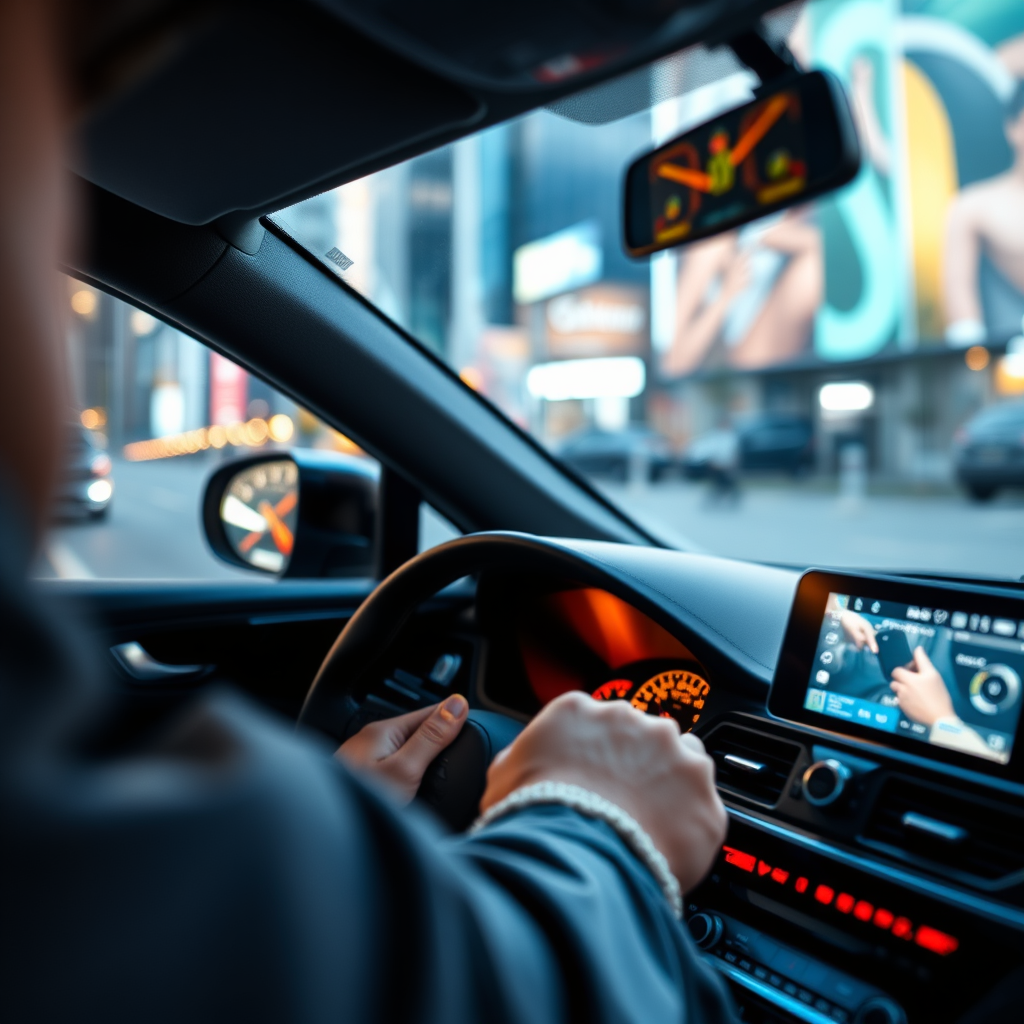
MicroLED displays are a revolutionary technology that utilizes tiny, self-emissive LEDs, each capable of producing light independently. This capability results in vibrant colors and impressive contrast ratios that traditional display technologies struggle to achieve. Unlike LCDs, which rely on backlighting, MicroLEDs emit their own light, enabling a thinner and lighter display design. This attribute is particularly beneficial for HUDs, where space and weight savings can lead to more streamlined and efficient systems.
Moreover, the self-emissive nature of MicroLEDs contributes to faster response times, which is crucial for applications that require real-time data processing. This technology also offers a wider color gamut, translating to a more immersive experience for users. Whether you’re driving a car or flying a plane, the clarity and vibrancy of MicroLED displays make critical information not only more accessible but also more engaging.
Benefits of MicroLED in HUDs
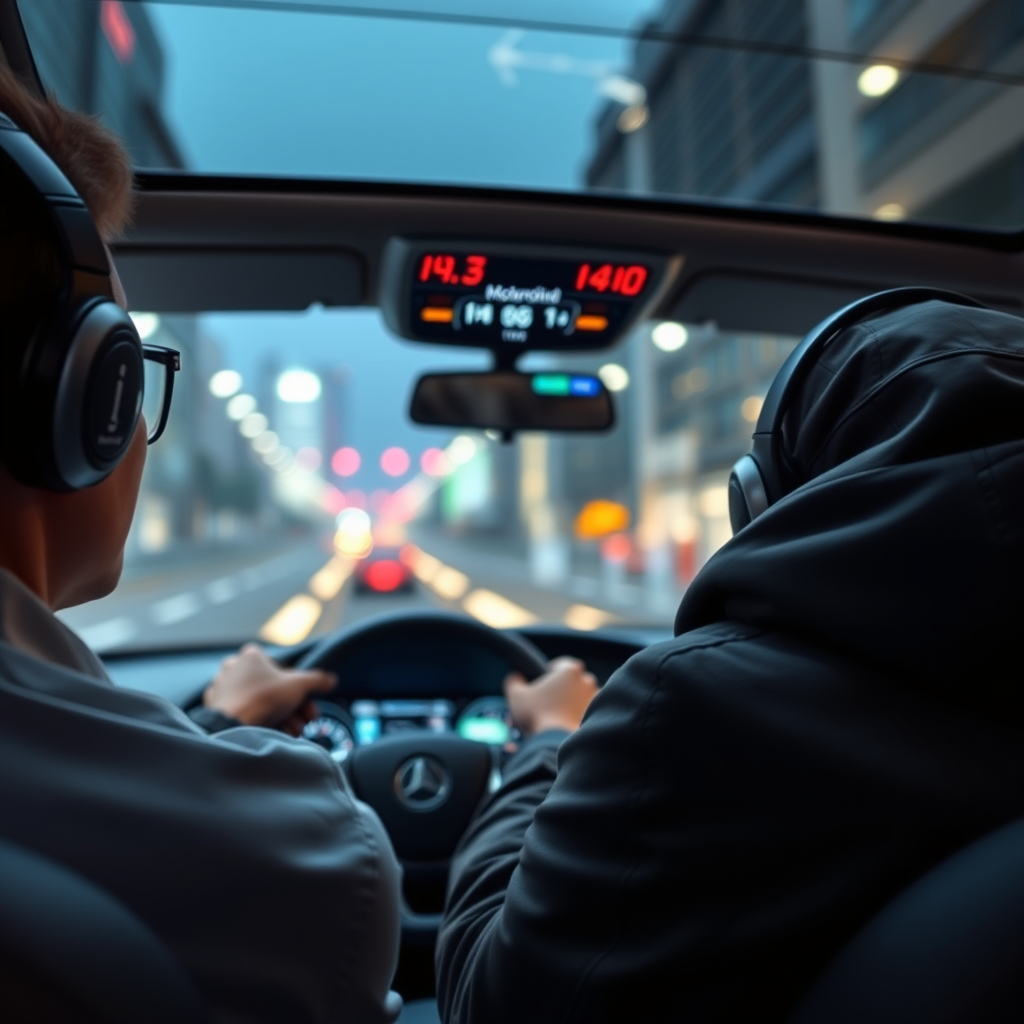
One of the standout features of MicroLED technology is its enhanced visibility in bright environments. Traditional displays often struggle to provide clear information when exposed to direct sunlight, leading to potential safety risks. MicroLED HUDs, however, can achieve brightness levels that far exceed those of their predecessors, ensuring that critical data remains readable under various lighting conditions.
In addition to improved visibility, MicroLED displays boast enhanced color accuracy and depth. This results in a more immersive user experience, as the colors are vibrant and true to life. For instance, drivers can clearly distinguish between different alerts and navigational cues, while pilots can easily interpret flight data without confusion. The immersive quality of MicroLED HUDs not only enhances user engagement but also contributes to a safer operational environment by reducing misinterpretation of essential information.
Energy Efficiency and Longevity
Energy efficiency is another significant advantage of MicroLED displays. Compared to traditional LCD and OLED technologies, MicroLEDs consume considerably less power. This lower energy consumption extends the lifespan of HUD systems, which is particularly beneficial for applications where longevity is critical, such as in automotive and aviation settings.
For instance, in electric vehicles, the reduced power draw of MicroLED displays can lead to improved battery performance, allowing drivers to travel longer distances without the need for frequent recharges. Similarly, in aviation, the longevity of MicroLED displays can result in lower maintenance costs and improved reliability for airlines. As the world increasingly shifts towards sustainable technologies, the energy efficiency of MicroLEDs positions them as a forward-thinking choice for future HUD systems.
Applications in Automotive HUDs
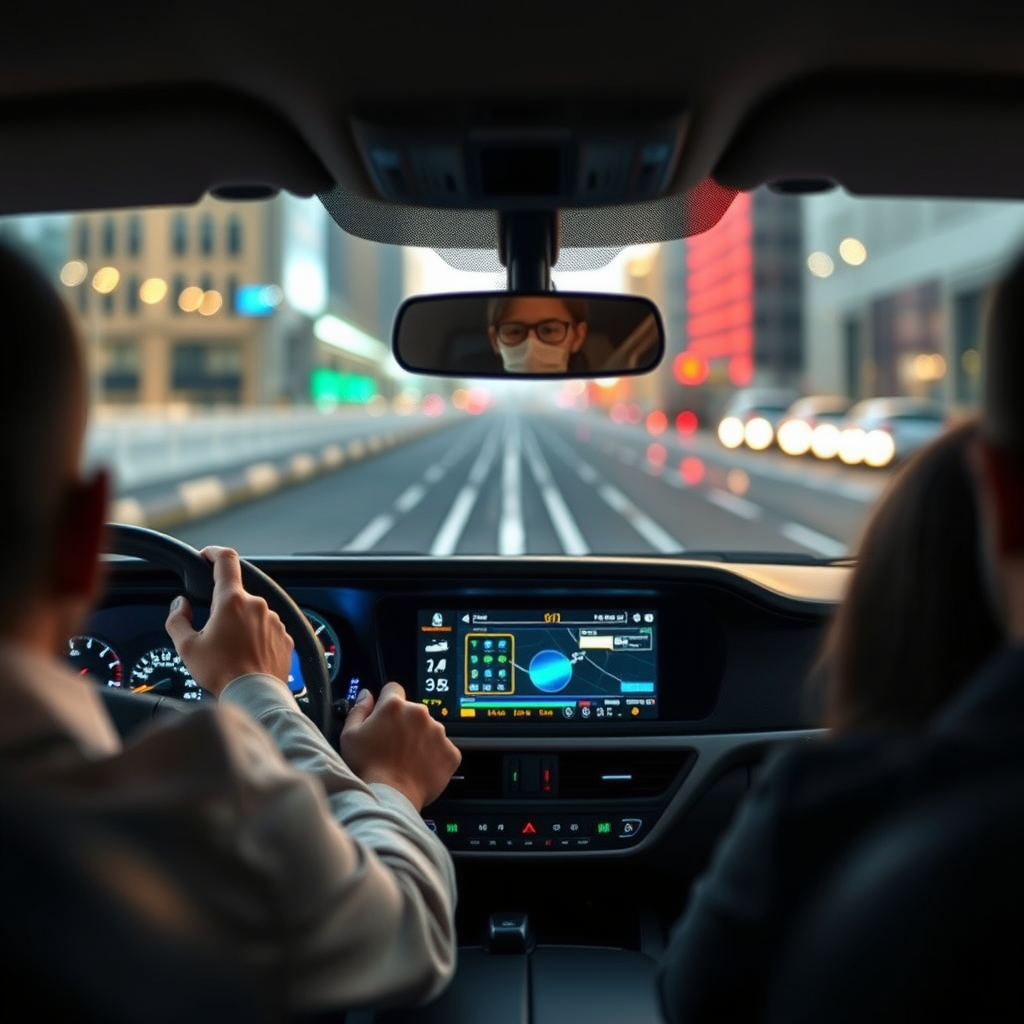
The automotive industry stands to gain immensely from the implementation of MicroLED technology in HUDs. With the capability to display complex graphics and real-time data, these displays enhance driver safety and navigation. For example, a MicroLED HUD can overlay navigation instructions on the windshield, allowing drivers to keep their eyes on the road while receiving crucial information about their journey.
Additionally, the customizable layout options of MicroLED displays enable manufacturers to create tailored experiences for drivers. This could include augmented reality features that project relevant information about the surrounding environment, such as nearby points of interest or potential hazards. By improving driver awareness and engagement, MicroLED HUDs not only enhance the driving experience but also promote safer driving practices.
Applications in Aviation HUDs
In aviation, the clarity and reliability of information presented through MicroLED displays are paramount. Pilots must have access to accurate data for navigation and safety during flight, and MicroLED technology provides just that. With its superior brightness and contrast, pilots can easily read essential flight information, even in challenging lighting conditions.
Moreover, the integration of flight data into MicroLED HUDs reduces the cognitive load on pilots. By presenting critical information in a clear, easily interpretable format, pilots can make quicker and more informed decisions. This enhancement not only improves operational efficiency but also contributes to overall flight safety, making MicroLED technology a vital asset in modern aviation.
Challenges and Future Developments
Despite the numerous advantages of MicroLED technology, its adoption in HUDs is not without challenges. One significant hurdle is the production costs associated with manufacturing MicroLED displays. The complexity of the technology and the need for precise assembly can lead to higher prices compared to traditional display options. Additionally, scaling up production to meet growing demand presents its own set of challenges.
However, ongoing research and development efforts are aimed at overcoming these obstacles. As manufacturing techniques improve and economies of scale come into play, we can expect to see broader applications of MicroLED technology. The future holds exciting possibilities, including advancements in display performance, enhanced integration with other technologies, and even more innovative applications in various industries.
The integration of MicroLED technology into heads-up displays revolutionizes how information is presented and perceived across multiple fields. With its superior brightness, contrast, and energy efficiency, MicroLED HUDs offer significant advantages for both automotive and aviation applications. As this technology continues to evolve, we can anticipate even more innovative solutions that will enhance user experiences and operational safety. Staying updated on the latest advancements in display technology is essential, as they hold the promise of transforming how we interact with information in our everyday lives.
Frequently Asked Questions
What are MicroLED displays and how do they enhance heads-up displays (HUDs)?
MicroLED displays are a revolutionary display technology that utilizes microscopic LEDs to create images. They enhance heads-up displays (HUDs) by providing superior brightness, contrast, and color accuracy compared to traditional LCD or OLED screens. This results in clearer, more vibrant visuals that are easier to read in various lighting conditions, making them ideal for applications like automotive HUDs where visibility and safety are paramount.
How do MicroLED displays improve visibility in HUDs during daytime driving?
MicroLED displays significantly improve visibility in HUDs during daytime driving due to their high brightness levels, which can reach up to 10,000 nits. This capability allows the display to remain legible even in direct sunlight, reducing glare and enhancing the driver’s ability to quickly interpret critical information without taking their eyes off the road. The increased contrast ratios further enhance visibility, ensuring that HUD information is clear and easily readable.
Why are MicroLED displays considered more energy-efficient for HUD applications?
MicroLED displays are known for their energy efficiency because each individual microLED emits light directly, eliminating the need for a backlight. This means that only the pixels that need to be lit consume power, allowing for lower energy consumption overall. For heads-up displays, this translates to longer battery life in vehicles and reduced heat generation, contributing to a more sustainable and efficient use of energy in automotive applications.
Which industries can benefit the most from MicroLED HUD technology?
Industries that stand to benefit the most from MicroLED HUD technology include automotive, aviation, and augmented reality (AR) applications. In the automotive sector, MicroLED HUDs enhance safety by providing real-time navigation and critical vehicle information directly in the driver’s line of sight. Aviation can leverage this technology for cockpit displays that offer improved clarity and reduced distractions, while AR applications can create immersive experiences by overlaying digital information seamlessly onto the real world.
What challenges do manufacturers face when implementing MicroLED technology in HUDs?
Manufacturers face several challenges when implementing MicroLED technology in HUDs, including high production costs and complexities in scaling up manufacturing processes. The tiny size of microLEDs makes them difficult to assemble accurately, which can lead to higher defect rates. Additionally, integrating these displays into existing vehicle designs requires innovative engineering solutions to ensure that they maintain functionality and reliability while offering the advanced features that MicroLED technology provides.
References
- MicroLED
- https://www.sciencedirect.com/science/article/pii/S1369702119301199
- https://www.nature.com/articles/s41598-021-86864-7
- https://www.reuters.com/technology/microscale-led-displays-will-revolutionize-hud-2021-06-15/
- https://www.bbc.com/news/technology-61004372
- https://www.techrepublic.com/article/how-microled-technology-is-set-to-revolutionize-displays/
- https://www.hud.gov/program_offices/housing/rmra/microled
- https://www.wired.com/story/microled-hud/