The future of high-resolution space telescopes is brimming with exciting possibilities that will significantly enhance our understanding of the cosmos. As technological advancements continue to unfold, we can expect substantial improvements in imaging capabilities, observational power, and innovative missions that will redefine astronomical research. In this article, we will delve into these key developments and explore their implications for space exploration and our comprehension of the universe.




Advancements in Optical Technology
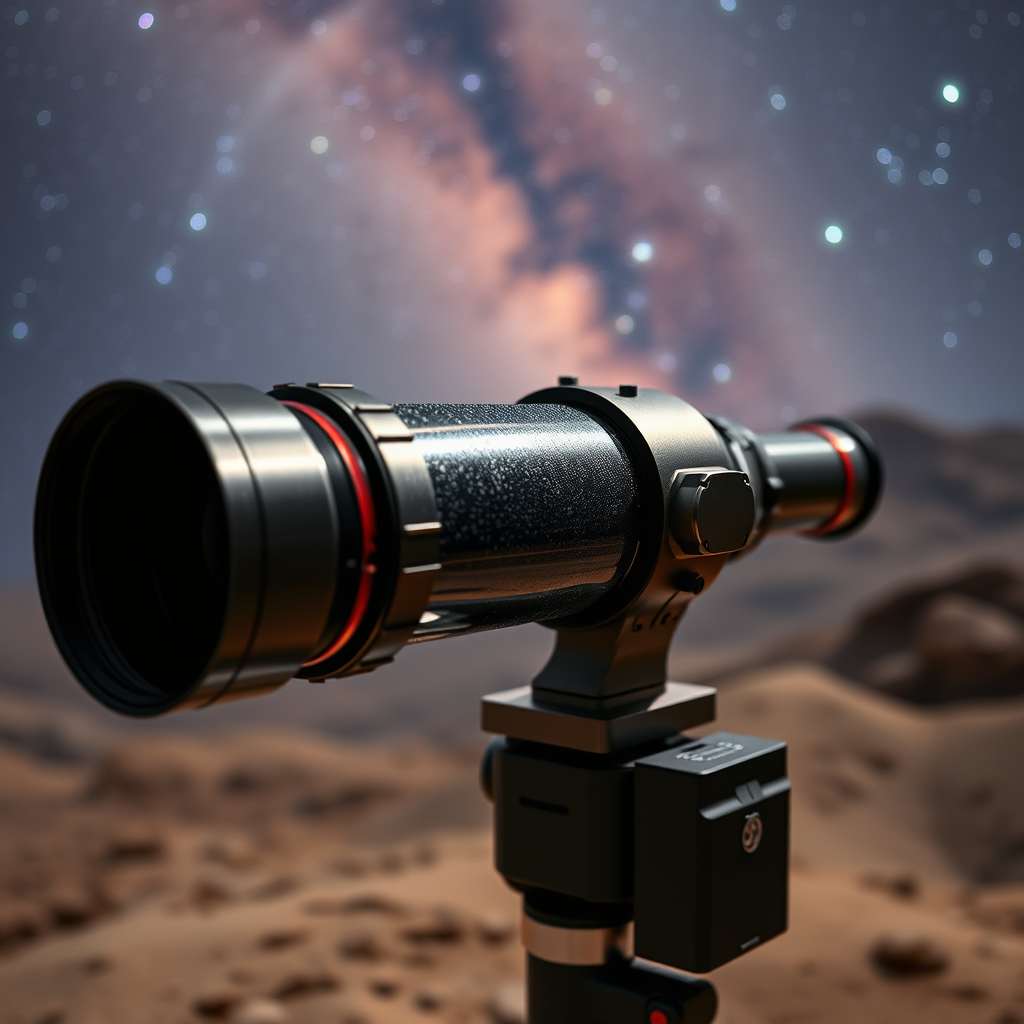
One of the most promising areas of development in high-resolution space telescopes is the enhancement of optical technology. At the forefront of this evolution are adaptive optics systems, which are designed to correct atmospheric disturbances that can blur the images captured by telescopes. These systems use real-time data to adjust the shape of telescopes’ mirrors, ensuring that the images are as clear and detailed as possible, even when the Earth’s atmosphere is less than cooperative. This technology not only improves image clarity but also allows astronomers to observe finer details of distant celestial bodies, potentially revealing new insights about their composition and behavior.
Moreover, the introduction of new materials is revolutionizing telescope design. Lightweight mirrors made from advanced composites or innovative coatings can significantly increase the size of telescope apertures without adding excessive weight. This means that future telescopes can be larger, allowing for greater light collection and improved resolution. For instance, projects like the European Space Agency’s (ESA) Ariel mission aim to utilize such advancements to investigate the atmospheres of exoplanets more effectively. These improvements in optical technology will undoubtedly take our astronomical observations to new heights.
Upcoming Space Telescope Missions
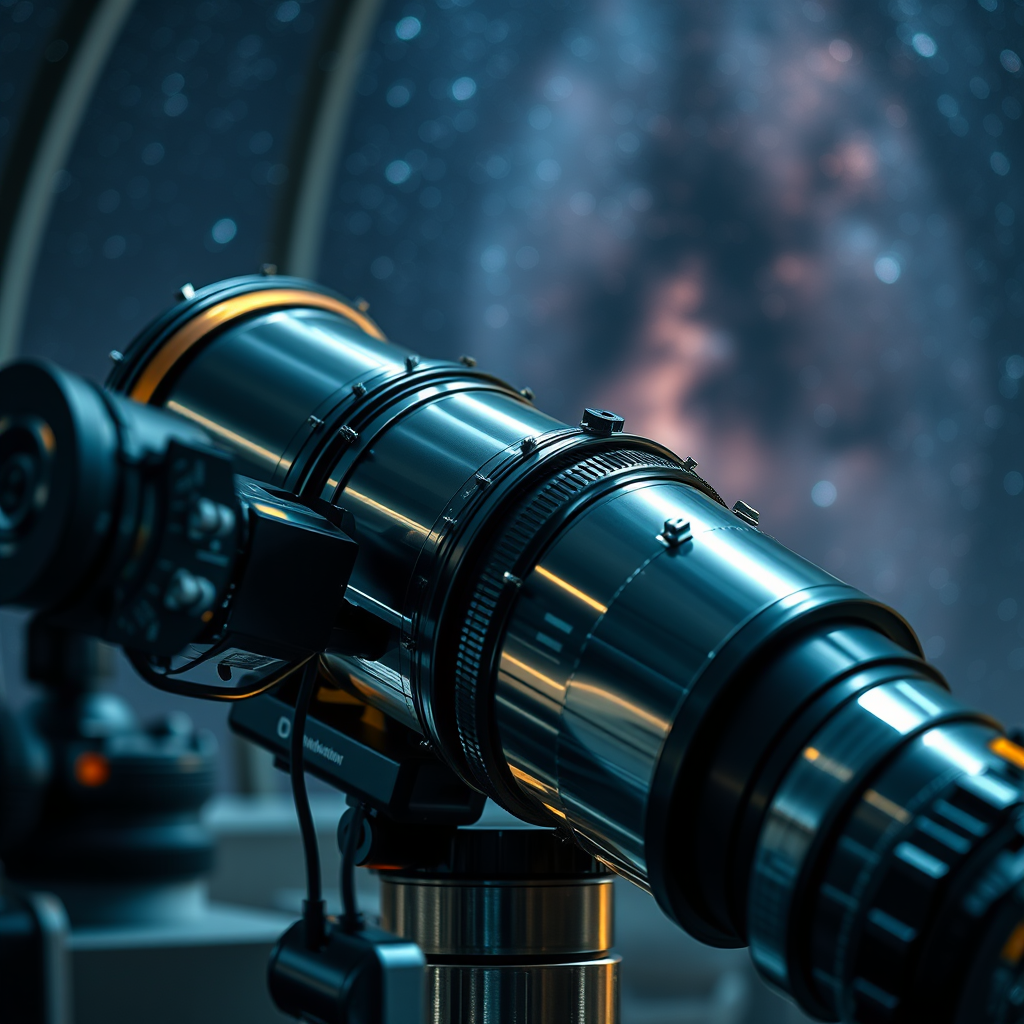
As we look ahead, the upcoming missions in space telescope technology promise to offer extraordinary capabilities that will transform our understanding of the universe. The James Webb Space Telescope (JWST), launched in late 2021, is already setting the stage for future telescopes. With its advanced infrared capabilities, JWST is unveiling the secrets of star formation, galaxy evolution, and the atmospheric composition of exoplanets, providing a treasure trove of data for astronomers.
Following in its footsteps, the Roman Space Telescope is poised to make significant contributions to our understanding of dark energy and exoplanet detection. Scheduled for launch in the mid-2020s, this mission will utilize a wide-field instrument to survey large portions of the sky, enabling scientists to identify thousands of exoplanets and map the distribution of dark matter across the universe. Such missions are not only exciting in their own right but also serve as stepping stones for the next generation of telescopes, which will push the boundaries of what we can observe.
Integration of Artificial Intelligence
Artificial intelligence (AI) is rapidly becoming an invaluable tool in the field of astronomy, especially in the context of high-resolution space telescopes. With the vast amounts of data generated by these telescopes, traditional data processing methods can be slow and inefficient. However, AI algorithms can significantly streamline this process, enabling astronomers to analyze captured images more quickly and effectively.
Machine learning techniques are particularly promising for identifying celestial phenomena that may be overlooked by human researchers. For instance, AI can help detect transient events such as supernovae or gravitational waves by recognizing patterns in data that may indicate such occurrences. By automating these processes, astronomers can focus their efforts on interpreting the data and making groundbreaking discoveries rather than getting bogged down in the minutiae of data processing. As we continue to integrate AI into astronomical research, we can expect to see faster, more accurate insights into the universe’s secrets.
Collaboration Across Space Agencies
The future of high-resolution space telescopes is not just about individual missions or advancements; it’s also about collaboration. Joint missions between space agencies like NASA, ESA, and others are becoming increasingly common as these organizations pool their resources and expertise. This collaborative spirit not only enhances the capabilities of individual missions but also fosters a global approach to astronomical research.
For example, the upcoming LUVOIR (Large UV/Optical/IR Surveyor) mission is being designed with input from multiple space agencies and institutions. By combining their knowledge, these organizations can develop more sophisticated telescopes that can address the most pressing questions in astronomy today. Furthermore, collaborative efforts facilitate the sharing of data, allowing researchers worldwide to access and utilize findings from these missions, thus promoting a more inclusive scientific community. This global participation is essential for driving innovation and enhancing our understanding of the universe.
Challenges Ahead
While the future of high-resolution space telescopes is bright, it is not without its challenges. Funding and budget constraints can significantly impact the scope and number of upcoming projects. Many ambitious missions require substantial financial investments, and navigating the complexities of securing funding can be a daunting task. As governments and agencies prioritize their budgets, it’s crucial for advocates of space exploration to communicate the importance of these missions and their potential for scientific advancement.
Additionally, the technical challenges associated with developing new technologies can lead to delays in mission timelines. Innovations in materials, optics, and AI must be thoroughly tested and validated before they can be deployed in space, which can extend project timelines beyond initial estimates. Addressing these hurdles requires a concerted effort from scientists, engineers, and policymakers to ensure that our ambitions for space exploration are realized.
Future Implications for Astronomy
The advancements in high-resolution space telescopes hold profound implications for the field of astronomy. Enhanced imaging capabilities will undoubtedly lead to the discovery of new celestial bodies and phenomena, expanding our understanding of the universe and its myriad mysteries. For instance, the ability to observe distant galaxies and their formation processes may provide critical insights into the evolution of the cosmos.
Moreover, as we improve our understanding of the universe’s formation and evolution, we may find ourselves rethinking our place within it. Discoveries related to dark matter, dark energy, and the potential for extraterrestrial life will not only reshape scientific paradigms but also challenge our philosophical perspectives. The future of astronomy is not just about answering questions; it’s about igniting curiosity, inspiring wonder, and fostering a deeper connection between humanity and the cosmos.
The advancements in high-resolution space telescopes are set to transform our astronomical landscape, revealing new insights into the cosmos. As we look ahead, the integration of cutting-edge technology, collaborative missions, and innovative approaches will not only expand our knowledge but also inspire future generations of scientists and enthusiasts. Stay engaged with developments in this exciting field to witness the unfolding of new cosmic discoveries. The universe is waiting for us to explore its wonders, and the future of high-resolution space telescopes is a key to unlocking its secrets.
Frequently Asked Questions
What are the key advancements in high-resolution space telescopes expected in the next decade?
The next decade promises significant advancements in high-resolution space telescopes, including improved optics, enhanced detectors, and innovative technologies like adaptive optics. These advancements will allow telescopes to capture clearer images and observe fainter celestial objects, helping astronomers explore distant galaxies, study exoplanets, and understand cosmic phenomena with unprecedented detail.
How will high-resolution space telescopes contribute to our understanding of exoplanets?
High-resolution space telescopes will play a crucial role in the study of exoplanets by enabling detailed observations of their atmospheres and surface conditions. With advanced imaging techniques, these telescopes can detect the light spectrum of exoplanets, allowing scientists to identify chemical signatures that indicate the presence of water, oxygen, or other life-supporting elements, thus expanding our search for extraterrestrial life.
Why is the James Webb Space Telescope considered a significant milestone for future high-resolution telescopes?
The James Webb Space Telescope (JWST) is considered a significant milestone due to its advanced capabilities, including its large primary mirror and sensitivity to infrared wavelengths. JWST’s ability to peer through cosmic dust and observe the universe’s first galaxies and star formations sets a new benchmark for high-resolution imaging, paving the way for future telescopes that will build upon its technology and discoveries.
Which upcoming space telescope missions should astronomers be most excited about?
Astronomers should be particularly excited about the upcoming Nancy Grace Roman Space Telescope, set to launch in the mid-2020s, which will provide wide-field imaging and assist in the search for dark energy and exoplanets. Additionally, the European Space Agency’s Euclid mission will focus on understanding dark matter and dark energy, complementing existing high-resolution observations and enhancing our grasp of the universe’s composition.
How do high-resolution space telescopes impact space exploration and scientific research?
High-resolution space telescopes significantly impact space exploration and scientific research by providing detailed data that informs our understanding of the universe. They enable astronomers to make groundbreaking discoveries, such as identifying new celestial bodies, exploring galaxy formation, and studying cosmic evolution. This wealth of information not only enhances our cosmic knowledge but also drives technological advancements in satellite design and instrumentation.
References
- Space telescope
- James Webb Space Telescope – NASA Science
- https://www.jpl.nasa.gov/news/news.php?feature=7891
- https://www.sciencedirect.com/science/article/pii/S0094576521000514
- https://www.nature.com/articles/s41550-019-0835-9
- https://www.bbc.com/news/science-environment-58019328
- https://www.space.com/space-telescope-future-plans
- https://www.esa.int/Science_Exploration/Space_Science/Hubble/What_next_for_Hubble
- https://www.nsf.gov/news/special_reports/telescope/
- https://www.nasa.gov/feature/nasa-s-webb-space-telescope-to-reveal-universe-secrets