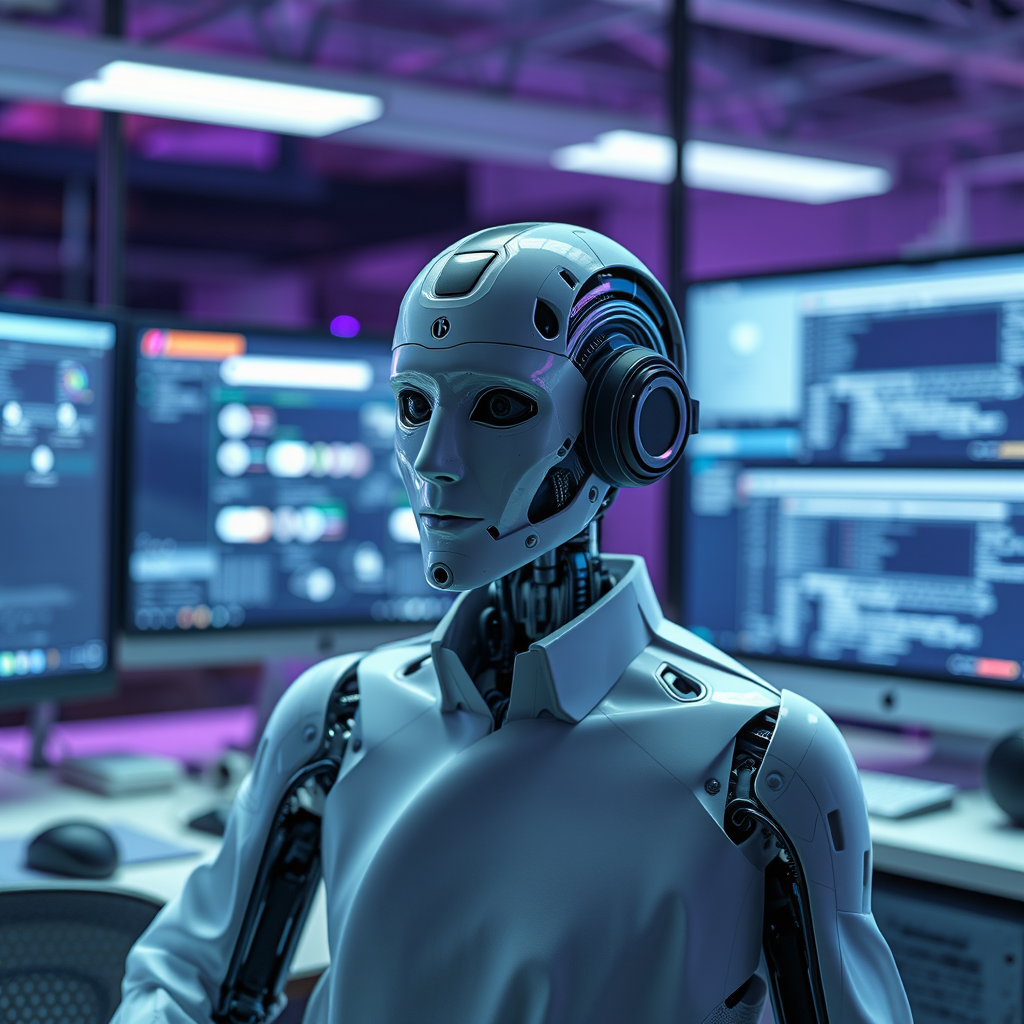
Many filmmakers are now leveraging artificial intelligence to create entire movies autonomously, without the need for human intervention. This revolutionary technology harnesses the power of algorithms and machine learning to generate scripts, visuals, and even sound, fundamentally transforming the filmmaking landscape. By automating various aspects of production, AI is not just a tool but a collaborator that opens up new avenues for creativity and innovation in cinema. In this article, we will explore how AI achieves this remarkable feat and its implications for the future of cinema.




The Technology Behind AI-Generated Movies

At the heart of AI-generated movies lie sophisticated algorithms, particularly neural networks and deep learning models. These technologies enable computers to analyze vast amounts of data and learn from it, mimicking human-like understanding and creativity. For instance, an AI system can be trained on thousands of scripts to recognize patterns in storytelling, character development, and dialogue. By processing data from existing films, AI learns what makes a compelling narrative and can generate original content that adheres to these learned principles.

Neural networks, especially variations like Generative Adversarial Networks (GANs), play a crucial role in creating visuals and sounds. They consist of two models: a generator that creates new content and a discriminator that evaluates it against existing data. This back-and-forth allows the AI to refine its creations continually. As technology evolves, these algorithms become increasingly adept at crafting engaging stories and visuals, pushing the boundaries of what we thought possible in filmmaking.
Scriptwriting: AI’s First Step
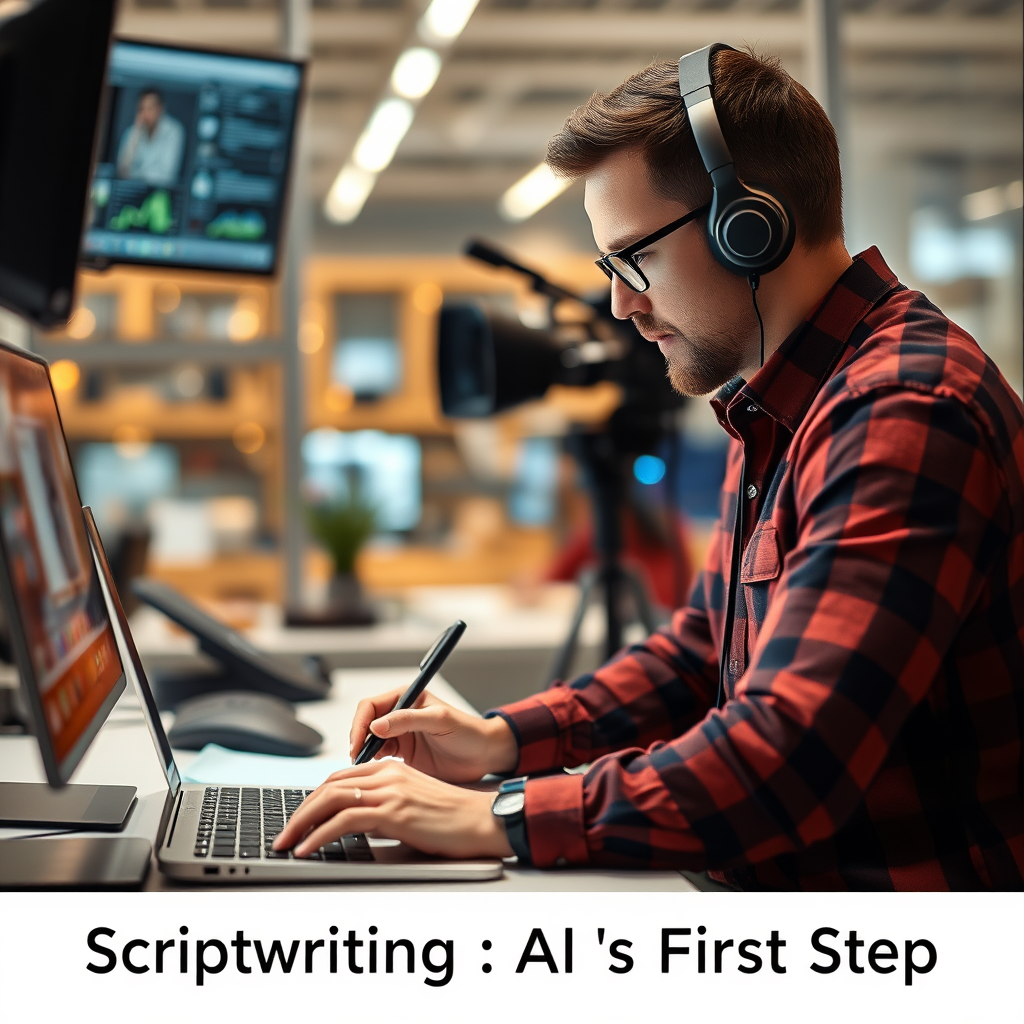
AI’s journey in filmmaking often begins with scriptwriting, where various tools can generate screenplays based on specific prompts or themes. One notable example is OpenAI’s GPT-3, which can produce coherent and creative scripts by analyzing input from human writers. Filmmakers can input a basic premise, and the AI can expand it into a full screenplay, complete with dialogue and character arcs.
However, the quality and creativity of AI-generated scripts can vary widely. While some outputs may surprise us with their originality, others can feel formulaic or lack emotional depth. Critics argue that human writers bring a unique understanding of culture and nuance that AI currently cannot replicate. Yet, many filmmakers see AI as a partner in the creative process, allowing them to brainstorm ideas or overcome writer’s block rather than a replacement for human creativity.
Visual Creation: Bringing Scripts to Life
Once a script is in hand, the next step is visual creation. AI programs like DALL-E and Artbreeder are leading the charge in designing characters, settings, and special effects. These tools can generate stunning visuals from simple text descriptions, allowing filmmakers to visualize their scripts in ways that were previously unimaginable.
For example, a short film titled “Zone Out” was created using AI-generated visuals, showcasing how technology can breathe life into otherwise abstract concepts. The integration of these visuals into films can enhance storytelling by providing unique aesthetics that resonate with audiences. As filmmakers experiment with AI in visual creation, we can expect a new wave of artistic styles and interpretations to emerge, pushing the boundaries of traditional cinematography.
Sound and Music: The Audio Dimension
Sound and music are critical components of any film, and AI is making significant strides in this area as well. AI systems like AIVA and Amper Music are capable of composing original soundtracks tailored to the mood and tone of a film. These tools analyze existing musical compositions to understand structure, melody, and harmony, allowing them to create new pieces that fit seamlessly into the cinematic experience.
A notable case study is the short film “The Last Goodbye,” which featured an AI-generated soundtrack that resonated deeply with viewers, enhancing emotional moments throughout the narrative. By utilizing AI in sound design, filmmakers can save time and resources while exploring new sonic landscapes that might not have been possible through traditional methods.
The Production Process: Filming with AI
AI’s involvement doesn’t stop at script and visual creation; it extends into the production process itself. AI can assist in directing, editing, and post-production by analyzing footage, providing editing suggestions, or even automating tedious tasks. For instance, AI tools can analyze scenes for continuity errors or suggest optimal cuts based on pacing and audience engagement metrics.
Moreover, AI can play a crucial role in scheduling and resource management during filming. By analyzing previous production schedules and crew availability, AI can optimize timelines, reducing costs and ensuring a smoother production process. This not only enhances efficiency but also gives filmmakers more time to focus on creative aspects rather than logistical challenges.
Ethical Considerations and Challenges
As exciting as AI’s capabilities are, they come with significant ethical considerations. One major concern is the question of creativity and authorship. If an AI generates a script or a visual, who owns the rights? This question becomes increasingly complex as AI’s role in filmmaking grows. Moreover, there is a fear that reliance on AI could lead to homogenized content, as algorithms tend to replicate successful patterns rather than innovate.
Filmmakers also face challenges in integrating AI technology with traditional filmmaking processes. The learning curve can be steep, and not all creators are comfortable with the idea of AI as a collaborator. Additionally, there is the risk of alienating audiences who may prefer the authenticity of human storytelling. These ethical dilemmas and challenges require thoughtful consideration as the industry navigates this new terrain.
Future Trends: The Evolution of AI in Cinema
Looking ahead, the role of AI in cinema is poised for growth and evolution. As technology advances, we can expect AI to become even more integrated into the filmmaking process, potentially leading to fully autonomous film production. However, rather than replacing human filmmakers, AI is likely to become a more collaborative partner, enabling richer storytelling and innovative cinematic experiences.
We might witness a new genre of films that blend AI-generated content with human creativity, creating unique narratives that challenge traditional storytelling. Furthermore, as audiences become more familiar with AI’s role in filmmaking, there may be greater acceptance of AI-generated films, leading to new market opportunities and shifts in audience expectations.
The advent of AI in cinema represents a groundbreaking shift in how movies are made, offering innovative possibilities while also raising crucial ethical questions. As we continue to explore this fascinating intersection of technology and creativity, it’s essential for filmmakers and audiences alike to engage with these developments. Stay informed and consider how you might adapt to or embrace the changes that AI brings to the world of film.
Frequently Asked Questions
How does AI create entire movies without human filmmakers?
AI creates entire movies by utilizing advanced algorithms that analyze existing films, scripts, and audience preferences. These systems can generate scripts, design characters, and even create visual effects by learning from vast datasets. Tools like natural language processing and machine learning allow AI to understand narrative structures and develop compelling storylines, thereby mimicking the creative process traditionally reserved for human filmmakers.
What are the main technologies behind AI-generated movies?
The primary technologies behind AI-generated movies include machine learning, natural language processing (NLP), and computer vision. Machine learning algorithms enable the AI to learn from past cinematic works, while NLP helps in crafting coherent scripts and dialogues. Computer vision is used for creating visual content and animating characters, ensuring that the final product maintains a high level of visual appeal.
Why are studios interested in using AI for filmmaking?
Studios are increasingly interested in using AI for filmmaking due to its potential to reduce production costs and time significantly. AI can analyze market trends to predict successful themes and genres, assisting studios in making data-driven decisions. Additionally, AI can streamline various aspects of production, including scriptwriting, casting, and even editing, allowing human filmmakers to focus on more creative tasks.
What are the challenges of using AI in the filmmaking process?
The challenges of using AI in filmmaking include ethical considerations, such as the potential loss of jobs for human creatives and concerns about originality and creativity. There are also technical limitations, as AI may struggle to replicate the emotional depth and nuanced storytelling that human filmmakers bring to their projects. Additionally, the reliance on data can lead to formulaic content, which might not resonate with audiences seeking innovative storytelling.
Which movies have been created or significantly influenced by AI technologies?
Several films have been created or influenced by AI technologies, including “Sunspring,” a short film entirely written by an AI algorithm. Additionally, projects like “Zone Out,” which utilized AI to assist in scriptwriting, showcase how filmmakers are beginning to embrace AI’s potential. While fully AI-generated feature films are still in their infancy, these pioneering projects indicate a growing trend towards utilizing AI in various aspects of the filmmaking process.
References
- https://en.wikipedia.org/wiki/Artificial_intelligence_in_filmmaking
- https://www.theguardian.com/film/2023/jun/14/ai-movies-hollywood
- https://www.bbc.com/news/technology-64019782
- https://www.sciencedirect.com/science/article/pii/S0004370221000312
- https://www.forbes.com/sites/bernardmarr/2023/01/23/how-ai-is-changing-the-way-films-are-made/?sh=3d22b05f5c47
- https://www.reuters.com/technology/how-ai-could-transform-hollywood-movies-2023-02-13/
- https://www.nytimes.com/2023/01/17/movies/artificial-intelligence-filmmaking.html
- https://www.wired.com/story/ai-movie-making/