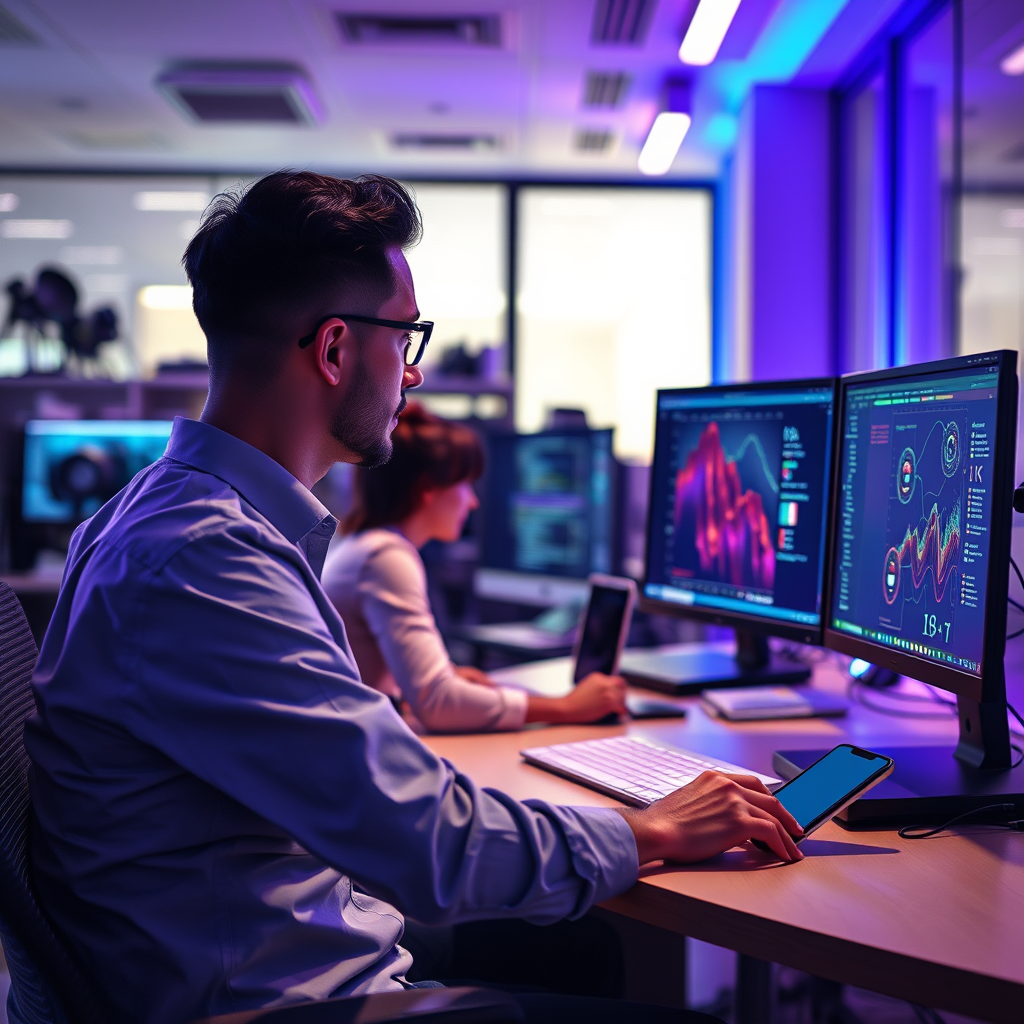
The role of AI in auto-calibrating display color is transforming how we experience visual content by enhancing color accuracy and consistency across devices. Through machine learning algorithms, AI can analyze display settings and make real-time adjustments, ensuring that colors are represented as true to life as possible. This advancement not only enriches the viewing experience for everyday consumers but also streamlines workflows for professionals in fields like graphic design and photography. In this article, we will delve deeper into how AI achieves color accuracy, its numerous benefits, and the implications for various applications.



Understanding Display Calibration
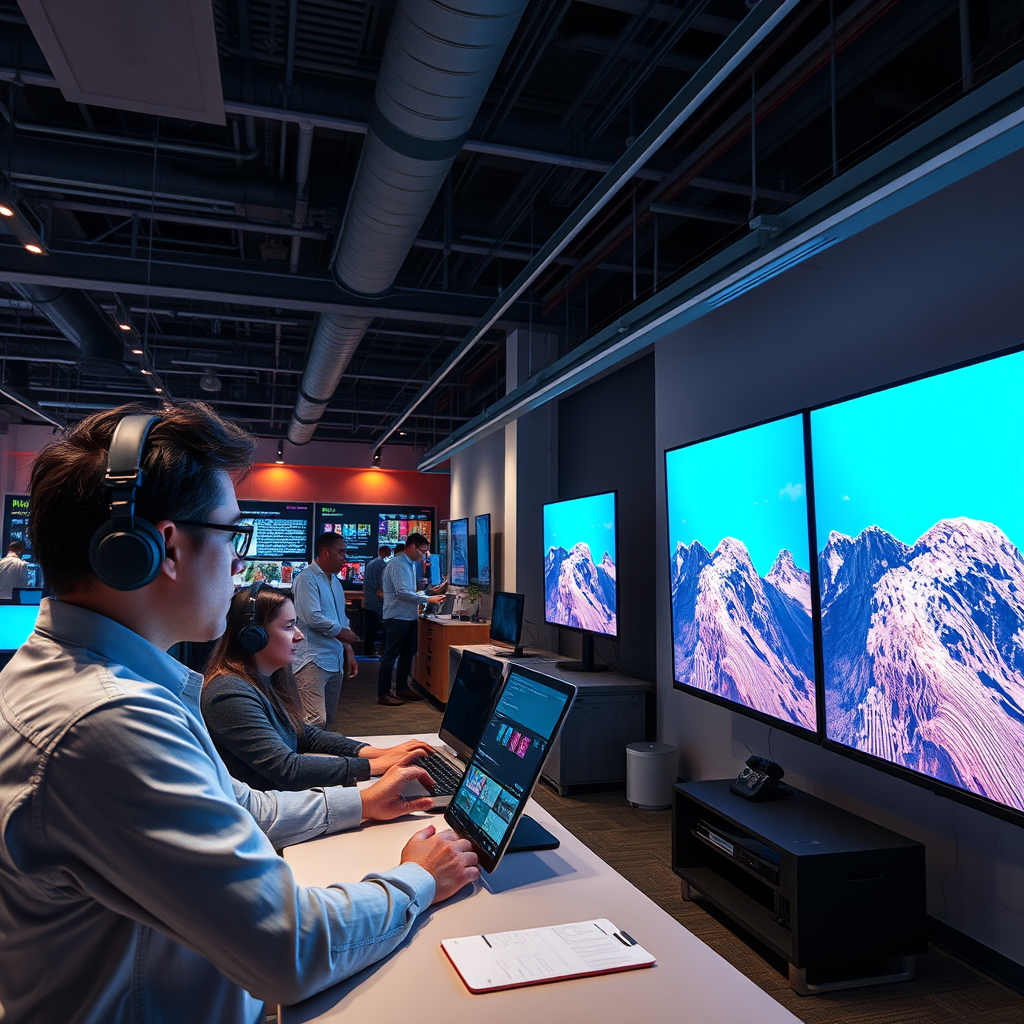
Accurate color representation is essential in displays, whether they’re used for entertainment, design, or professional applications. When colors are not calibrated correctly, it can lead to misleading visuals that affect everything from the subtle nuances of a film to the precise colors in a digital artwork. This issue is particularly critical in industries where color fidelity is paramount, such as photography and graphic design.
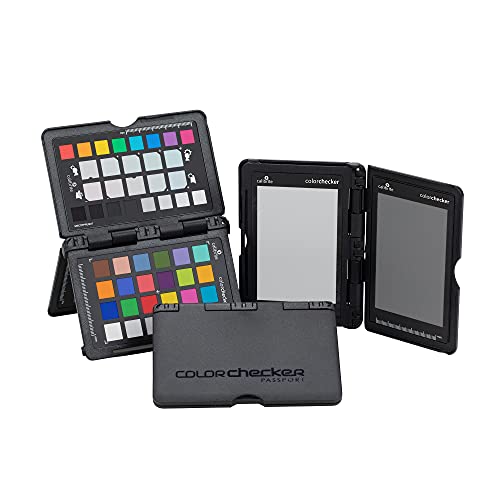
Traditionally, display calibration has relied on manual processes involving hardware tools like colorimeters and software that requires human intervention. These methods, while effective, have limitations. They can be time-consuming and often require specialized knowledge to achieve optimal results. Furthermore, factors like ambient light and display aging can skew results, necessitating frequent recalibration. This is where AI steps in, providing a smarter, more efficient approach to maintaining color accuracy.
How AI Enhances Calibration Processes
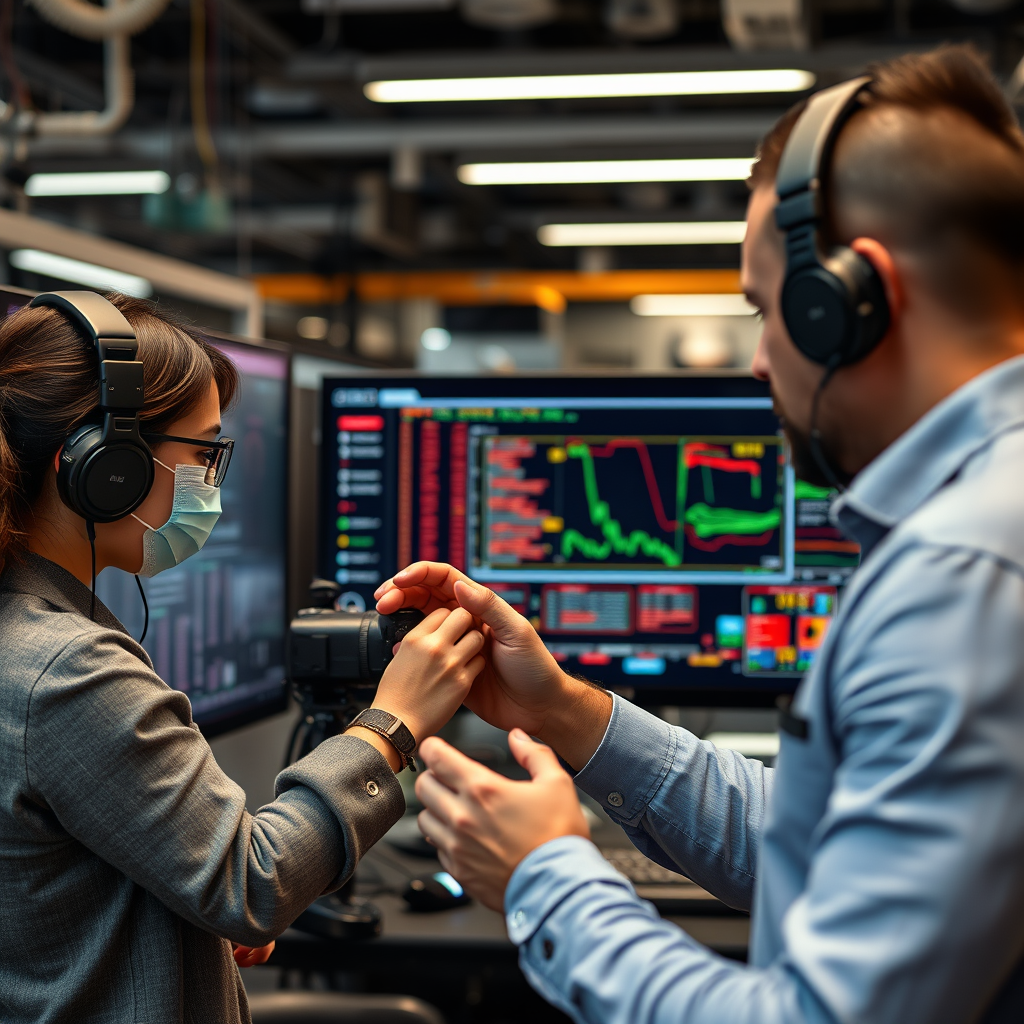
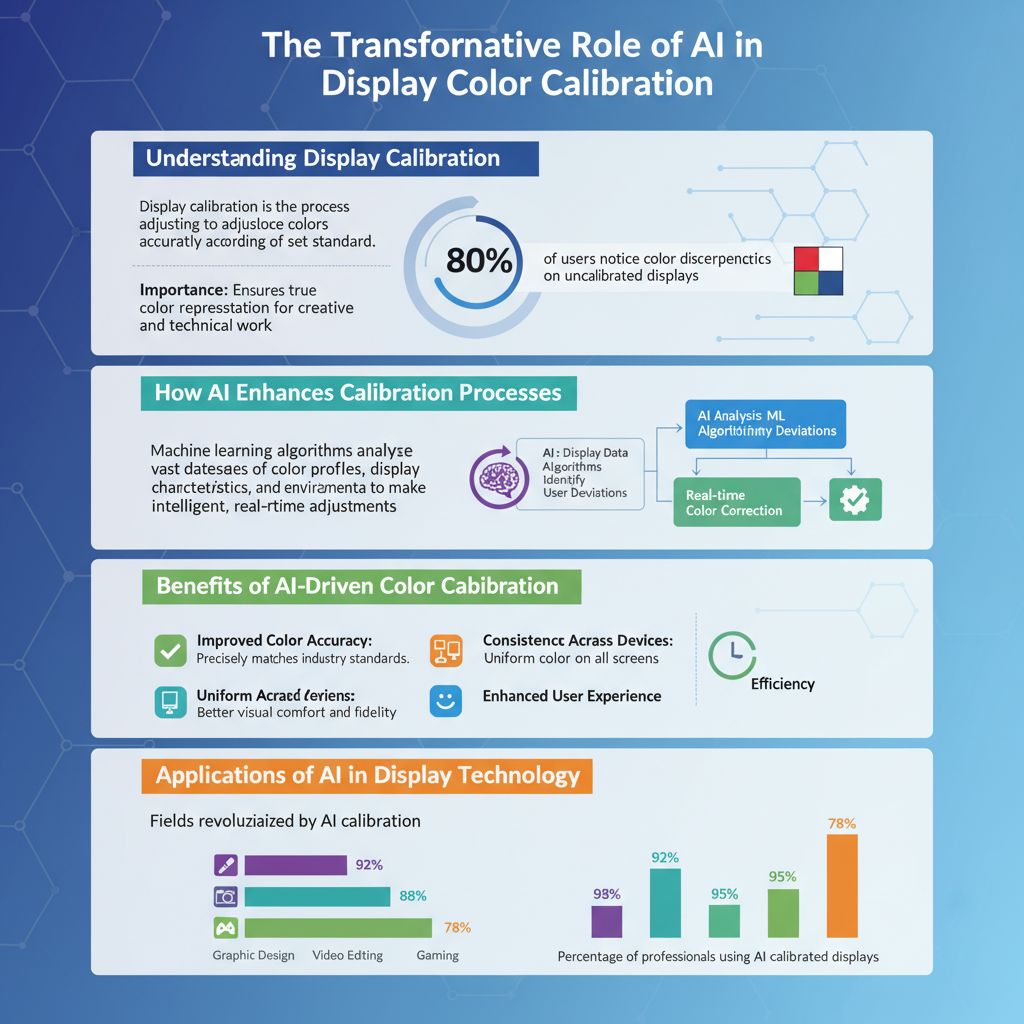
AI-enhanced calibration employs sophisticated machine learning algorithms to analyze color output across various display devices. These algorithms can learn from vast datasets, understanding how different displays render colors under various conditions. By continuously gathering data, AI can recognize patterns and identify discrepancies in color representation.
One of the significant advantages of AI in this context is its ability to make real-time adjustments. For instance, if a display’s color output drifts due to environmental changes, AI can detect this and correct it instantly, ensuring that the displayed colors remain consistent and true to the source material. This dynamic adjustment not only improves display quality but also enhances the overall user experience, as viewers can trust that what they see is accurate and reliable.
Benefits of AI-Driven Color Calibration
The benefits of AI-driven color calibration are manifold. First and foremost is the improved color accuracy and consistency. By ensuring that colors are represented accurately across various devices—such as monitors, televisions, and smartphones—AI helps bridge the gap between the creator’s vision and the viewer’s experience. This accuracy is crucial for professionals in graphic design and photography, where even the slightest variation in color can have significant implications.
Additionally, AI can save time for professionals who would otherwise spend hours manually calibrating their equipment. With automatic calibration, designers and photographers can focus more on their creative processes rather than the technicalities of color management. For example, software like Adobe Lightroom now leverages AI to provide smart adjustments that can streamline the editing process, allowing creatives to maintain their workflow while ensuring color accuracy.
Applications of AI in Display Technology
AI’s influence extends across a variety of sectors, enhancing consumer electronics and gaming experiences. In gaming, for instance, AI can dynamically adjust color settings based on the game’s environment, ensuring that colors pop and contribute to the immersive experience. This adaptability not only improves gameplay but also enhances visual storytelling.
In the realm of professional video production and photography, AI’s role is equally significant. Camera systems can utilize AI to optimize color profiles, ensuring that captured images reflect true-to-life colors. Moreover, video editing software often incorporates AI algorithms to analyze footage and suggest color corrections, further streamlining the post-production process.
Challenges and Limitations
Despite the numerous advantages, there are challenges and limitations associated with AI-driven calibration systems. One of the primary concerns is the potential over-reliance on AI systems. While AI can significantly enhance color accuracy, it may not always understand the nuanced preferences of individual users or the specific requirements of certain projects. For instance, an artist might prefer a warmer tone in their visuals that an AI algorithm might overlook.
Moreover, human oversight remains crucial, especially in critical applications where color precision is essential. Relying solely on AI can lead to situations where personal taste and artistic intent are sidelined. Therefore, a balanced approach that combines AI capabilities with human expertise is essential for achieving the best results.
The Future of AI in Display Calibration
As technology continues to advance, the future of AI in display calibration looks promising. Emerging technologies, such as quantum dot displays and OLED advancements, will likely integrate AI capabilities to enhance color calibration further. Additionally, trends in smart home technology could lead to personalized calibration settings that adapt not just to the display but also to the user’s viewing habits and preferences.
Predictions for advancements in display technology suggest that we will see even more sophisticated AI algorithms capable of understanding context, such as the types of content being viewed or the emotional tone of a scene, allowing for tailored color adjustments that resonate with viewers on a deeper level. This could revolutionize fields like film production, where the emotional impact of color is fundamental to storytelling.
In conclusion, the integration of AI into the auto-calibration of display color is a game-changer for both consumers and professionals alike. It enhances color accuracy and consistency, streamlines workflows, and opens up new possibilities in various applications, from gaming to graphic design. While challenges remain, the future of AI in this space holds exciting potential for even greater advancements. Embracing AI calibration solutions can significantly improve your viewing experience, ensuring that the colors you see are as vibrant and true as they are meant to be.
Frequently Asked Questions
What is auto-calibration in display color management, and how does AI enhance this process?
Auto-calibration in display color management refers to the automatic adjustment of a monitor’s color settings to ensure accurate color reproduction. AI enhances this process by utilizing machine learning algorithms to analyze the display’s performance and predict the necessary adjustments based on various parameters such as ambient lighting, user preferences, and content type. This results in a more precise and personalized viewing experience without requiring manual intervention.
How does AI improve the accuracy of color calibration in monitors?
AI improves the accuracy of color calibration in monitors by applying advanced algorithms that learn from previous calibration data and environmental factors. This allows the AI to adapt and make real-time adjustments to color settings, ensuring consistent and accurate color representation across different media. Moreover, AI can identify and correct color inconsistencies that traditional calibration methods might overlook, leading to superior visual quality.
Why is accurate color calibration important for professionals in fields like photography and graphic design?
Accurate color calibration is crucial for professionals in fields like photography and graphic design because it ensures that the colors they see on their screens match the final output in print or digital formats. Inaccurate colors can lead to misrepresentations of their work, affecting client satisfaction and overall quality. AI-driven auto-calibration helps maintain color fidelity, allowing creatives to trust their displays and achieve the desired results consistently.
What are the best AI-powered tools for auto-calibrating display color?
Some of the best AI-powered tools for auto-calibrating display color include software like CalMAN, DisplayCAL, and LightSpace. These tools leverage AI algorithms to streamline the calibration process, providing users with intuitive interfaces and step-by-step guidance. Additionally, some modern display devices come with built-in AI calibration features, allowing for easy adjustments without the need for external hardware.
Which factors should I consider when choosing a display with AI auto-calibration capabilities?
When choosing a display with AI auto-calibration capabilities, consider factors such as color accuracy, calibration speed, and the range of color profiles supported. Additionally, look for displays with user-friendly software that integrates AI features and provides regular updates. Finally, reviews and comparisons from professionals in your field can help you determine how well a display performs in real-world scenarios, ensuring it meets your specific needs for color-critical work.
References
- Color management
- https://www.sciencedirect.com/science/article/pii/S016516841830233X
- Clinical characteristics and corticosteroids application of different clinical types in patients …
- https://www.theguardian.com/technology/2021/oct/12/ai-enhances-display-colour-calibration
- https://www.nist.gov/news-events/news/2021/09/accurate-display-color-calibration-using-artificial-intelligence
- https://www.techrepublic.com/article/how-ai-is-changing-display-calibration-for-the-better/
- https://www.bbc.com/news/technology-56307572