
AI-powered video surveillance significantly improves city safety by enabling real-time monitoring, faster incident response, and enhanced crime prevention strategies. By integrating artificial intelligence into surveillance systems, cities can not only deter crime but also respond to incidents more effectively, creating a safer environment for everyone. In this article, you will discover how these advanced systems work, their benefits, and the challenges they face.




The Technology Behind AI Video Surveillance
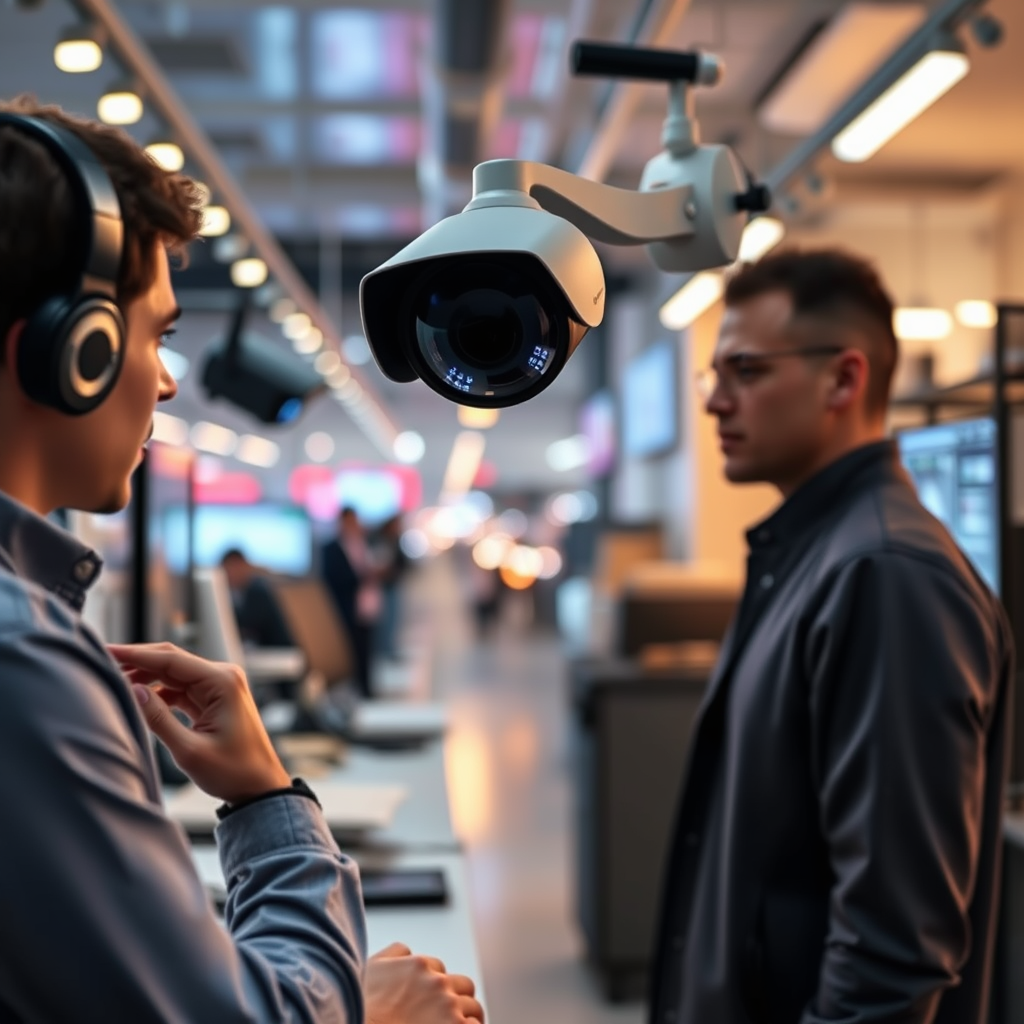
AI video surveillance relies on sophisticated algorithms that are designed to analyze video feeds in real-time. These algorithms utilize computer vision techniques to detect and identify objects, behaviors, and patterns. For instance, AI can differentiate between a person walking and a person running, allowing law enforcement to discern between normal activity and potential threats.
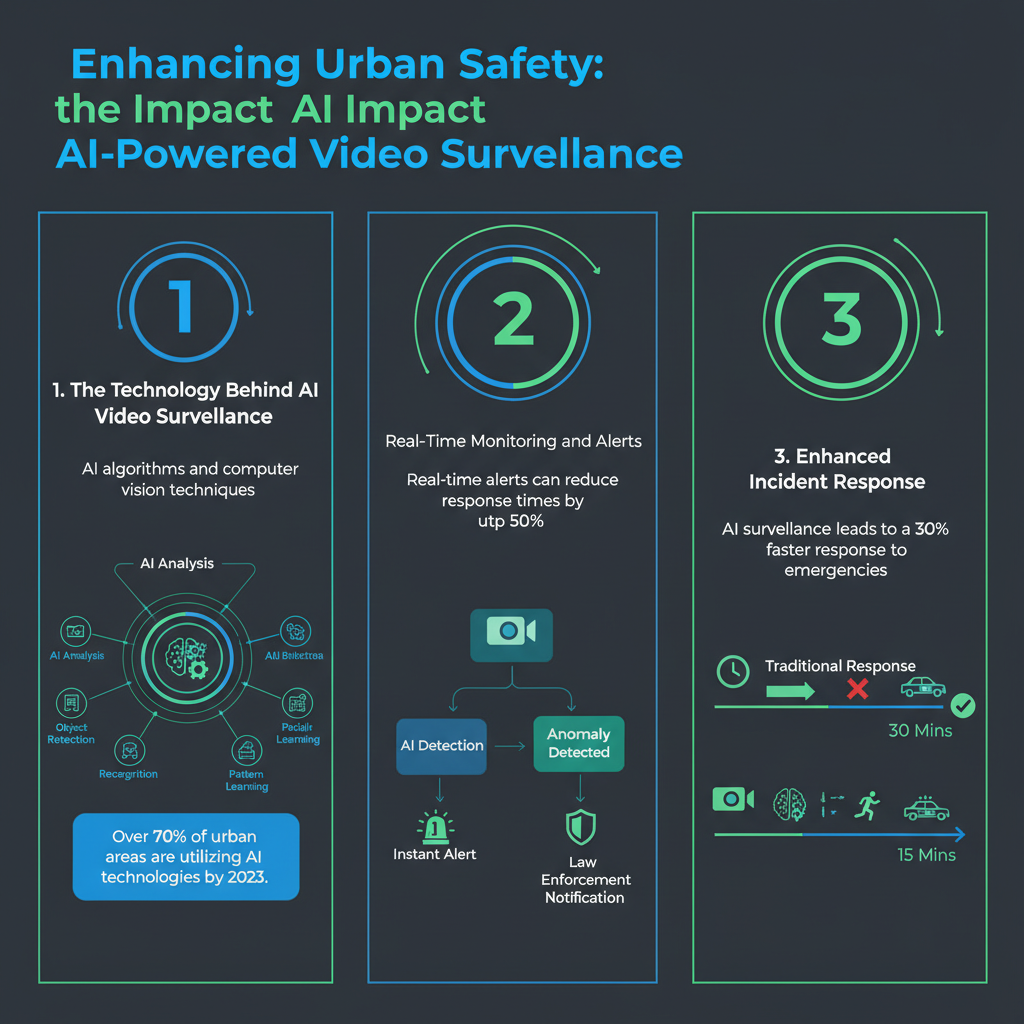
Machine learning plays a crucial role in enhancing video analysis by enabling the system to improve over time. As these systems process more data, they learn from past incidents, refining their accuracy and efficiency. This self-learning capability means that AI surveillance systems can adapt to new types of threats, continuously evolving to meet the challenges of urban safety. For example, if a particular area experiences an uptick in loitering behaviors, the AI can adjust its parameters to trigger alerts specifically for those behaviors, allowing for more tailored responses.
Real-Time Monitoring and Alerts

One of the most significant advantages of AI-powered video surveillance is its ability to provide instant alerts for suspicious activities. When an unusual event occurs—like someone breaking into a car or an unauthorized individual lingering in a restricted area—the AI system can instantly notify law enforcement and security personnel. This immediacy is critical in preventing crimes before they escalate.
Take, for example, a recent incident in a metropolitan area where an AI surveillance system detected a break-in at a retail store. The system identified the suspect’s unusual behavior through motion analysis and immediately sent an alert to local law enforcement. Officers arrived on the scene within minutes, apprehending the suspect before any substantial loss occurred. Such examples illustrate how real-time monitoring can significantly reduce response times and enhance community safety.
Enhanced Incident Response
AI technology not only improves monitoring but also aids law enforcement in rapidly assessing situations. By analyzing the video feeds and providing actionable insights, AI systems can help officers understand the context of an incident before they arrive. This capability allows for better decision-making and resource allocation.
A compelling case study involves a city that implemented AI surveillance in its public transportation system. During a large-scale event, an altercation broke out in a subway station. The integrated AI system quickly analyzed multiple camera feeds and relayed information about the number of individuals involved, their locations, and any potential weapons. As a result, law enforcement was able to respond swiftly and strategically, de-escalating the situation before it could worsen. This kind of enhanced incident response not only improves safety but also builds community trust in law enforcement.
Crime Prevention Strategies
AI also plays a pivotal role in crime prevention through predictive policing. By analyzing historical crime data, AI systems can identify patterns and predict where crimes are likely to occur in the future. This foresight allows law enforcement to allocate resources more effectively, deploying officers to areas identified as high-risk before criminal activity happens.
For example, a city that utilized predictive policing algorithms discovered that certain neighborhoods experienced spikes in car thefts during specific times of the year. By proactively increasing patrols in those areas during peak times, they were able to deter potential thieves and reduce theft rates significantly. This proactive approach not only enhances community safety but fosters a sense of security among residents.
Privacy and Ethical Considerations
While the benefits of AI-powered surveillance are substantial, it is essential to address the balance between safety and individual privacy rights. As cities implement these technologies, they must consider how to protect citizens’ personal information and ensure that surveillance practices are ethical.
Regulations like the General Data Protection Regulation (GDPR) in Europe provide guidelines on how data should be collected, stored, and used. Best practices for ethical AI use in surveillance include implementing clear policies on data retention, ensuring transparency in how surveillance data is used, and involving the community in discussions about surveillance practices. Engaging with residents can help build trust and alleviate concerns about invasive monitoring, ensuring that the technology serves the public good without infringing on personal freedoms.
Future Trends in AI Surveillance Technology
Looking ahead, the advancements in AI surveillance technology promise to enhance urban safety even further. Innovations in facial recognition, behavioral analysis, and even drone technology are on the horizon, offering new ways to monitor and protect communities. Additionally, the integration of AI with Internet of Things (IoT) devices can create a more interconnected urban safety network.
Community involvement will play a crucial role in shaping these future technologies. As cities explore new surveillance options, public forums and discussions can ensure that the concerns and needs of residents are prioritized. By fostering a collaborative environment, cities can develop surveillance strategies that enhance safety while respecting individual rights.
As we wrap up, it’s clear that AI-powered video surveillance is transforming urban safety in remarkable ways. From real-time monitoring and enhanced incident response to proactive crime prevention strategies, these systems are becoming indispensable in our fight against crime. However, as we embrace these technologies, it’s essential to engage with local authorities and remain informed about developments in our communities. Together, we can ensure that safety and privacy go hand in hand in our urban environments.
Frequently Asked Questions
What are the key benefits of using AI-powered video surveillance for city safety?
AI-powered video surveillance systems enhance city safety by providing real-time monitoring, quick incident detection, and improved response times. These systems use advanced algorithms to analyze video feeds and identify suspicious behavior, enabling law enforcement to react promptly to potential threats. Moreover, they can reduce false alarms and optimize resource allocation, ultimately creating a safer urban environment.
How does AI technology improve the accuracy of video surveillance in urban areas?
AI technology improves the accuracy of video surveillance through its ability to distinguish between normal activities and suspicious behaviors. Machine learning algorithms can be trained to recognize patterns, allowing the system to filter out irrelevant footage and focus on events that require attention. This enhanced precision minimizes human error and ensures that security personnel can concentrate on genuine threats, thereby improving overall city safety.
Why are cities investing in AI-powered video surveillance systems?
Cities are investing in AI-powered video surveillance systems primarily due to the increasing demand for public safety and crime prevention. With rising urban populations and the complexities of city life, traditional surveillance methods often fall short. AI technology provides cities with advanced tools to analyze vast amounts of data efficiently, allowing for proactive measures against crime and enabling law enforcement agencies to build safer communities.
What features should I look for in the best AI-powered video surveillance systems for city safety?
When selecting the best AI-powered video surveillance systems, look for features such as real-time analytics, facial recognition capabilities, and integration with existing public safety infrastructure. Additionally, consider systems that offer cloud storage for easy access to footage, user-friendly interfaces for monitoring, and customizable alerts for specific events. These features ensure that the surveillance system effectively enhances city safety and meets the unique needs of urban environments.
Which cities are leading the way in implementing AI-powered video surveillance for enhanced safety?
Cities like London, Singapore, and New York are at the forefront of implementing AI-powered video surveillance solutions to improve public safety. These cities utilize cutting-edge technology to monitor public spaces, manage crowds, and respond to emergencies more efficiently. By investing in AI tools, they aim to create safer urban areas, reduce crime rates, and enhance the overall quality of life for their residents.
References
- Closed-circuit television
- https://www.nist.gov/news-events/news/2021/09/nist-research-explores-using-ai-improve-video-surveillance
- https://www.bbc.com/news/technology-56536832
- https://www.theguardian.com/technology/2020/sep/14/artificial-intelligence-surveillance-cities
- https://www.sciencedirect.com/science/article/abs/pii/S1361372321000799
- https://www.ncbi.nlm.nih.gov/pmc/articles/PMC7359735/
- An Implementation and Impact Evaluation of From Coverage to Care | RAND




One thought on “How AI-Powered Video Surveillance Enhances Urban Safety”