

To combat illegal video downloads effectively, AI employs advanced algorithms that monitor online activity and identify unauthorized access to copyrighted content. These technologies are revolutionizing the way we protect intellectual property in the digital world. By analyzing user behavior and video metadata, AI can swiftly pinpoint and act against illegal downloads, ensuring that content creators are better protected and users are more aware of the legal implications surrounding video sharing.
Understanding AI’s Role in Copyright Protection

AI plays a pivotal role in safeguarding copyright by utilizing sophisticated algorithms that can analyze vast amounts of data related to user behavior and video metadata. These algorithms look for specific patterns, such as unusual downloading habits or repeated access to certain videos, which may indicate illegal activity. By leveraging machine learning, these models are trained on extensive datasets, enabling them to recognize the hallmarks of illegal downloading.
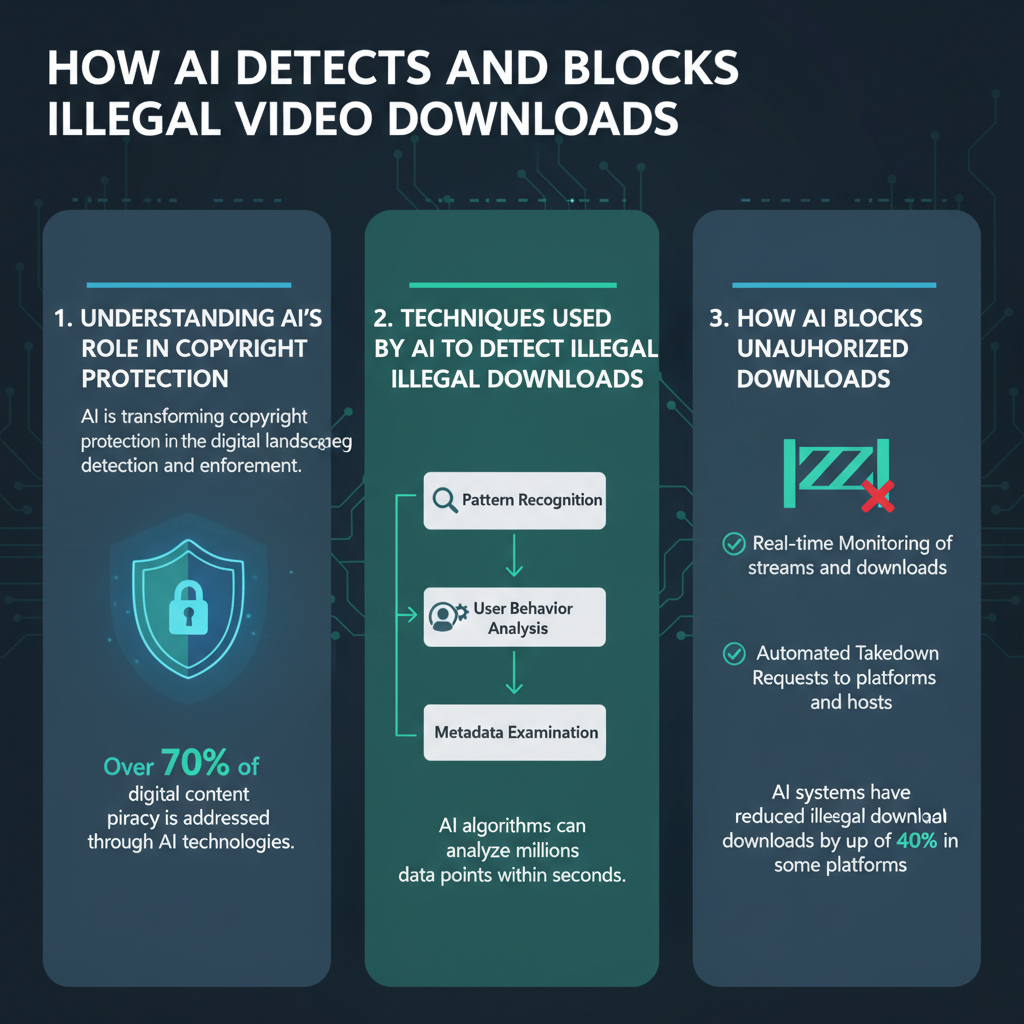
For instance, if a user consistently downloads videos from a particular genre or platform, the AI can flag this behavior as suspicious. Furthermore, the algorithms can evaluate metadata associated with videos, like titles, descriptions, and tags, to identify potential copyright infringements. This dual approach of analyzing both user activity and video information creates a robust defense mechanism against unauthorized downloads.
Techniques Used by AI to Detect Illegal Downloads

One of the most effective techniques employed by AI in the fight against illegal downloads is content recognition technology. This technology scans online platforms for copyrighted material, helping to identify videos that are being shared or downloaded without permission. For example, platforms like YouTube utilize content ID systems that automatically detect copyrighted content uploaded by users, allowing rights holders to monetize or block such uploads.
Another powerful tool in the AI arsenal is digital fingerprinting. This method identifies unique characteristics of videos, such as audio patterns or visual elements, to create a digital “fingerprint.” Once established, this fingerprint can be used to track video usage across the internet. If a video with a specific fingerprint appears on a site without authorization, the AI can alert content owners or initiate further action to protect their rights.
How AI Blocks Unauthorized Downloads
Once AI systems detect unauthorized downloading activity, they can take swift action to block these actions. Many platforms have integrated automated systems that can initiate takedown requests without human intervention. This means that when a potential infringement is identified, the AI can immediately notify the platform hosting the content, leading to rapid removal of the unauthorized material.
Moreover, real-time monitoring capabilities allow these systems to act instantaneously. For instance, if a user attempts to download a video that the AI has flagged as copyrighted, the system can deny access immediately, preventing the download before it occurs. This proactive approach significantly reduces the chances of illegal downloads and helps uphold the integrity of content ownership.
The Impact of AI on Content Creators
The implications of AI in video copyright protection are profound for content creators. With enhanced monitoring and detection capabilities, creators can enjoy increased protection of their intellectual property rights. This added layer of security not only safeguards their work but also fosters a more trustworthy environment for legitimate content distribution.
As a result, content creators are likely to see enhanced revenue streams. When unauthorized downloads are minimized, there is a greater chance for users to access content through legal channels, such as subscriptions or rentals. For example, platforms like Netflix and Hulu thrive on subscription models that rely on users accessing content legally. The more effectively AI can curb illegal downloads, the more these platforms can invest in new and original content, benefiting both creators and consumers alike.
Challenges AI Faces in Combatting Illegal Downloads
Despite its advantages, AI is not without challenges in the fight against illegal downloads. One significant issue is the evasion tactics employed by users who seek to bypass detection. For instance, some individuals may utilize VPNs (Virtual Private Networks) or proxy servers to obscure their online activity, making it difficult for AI systems to identify and track unauthorized downloads.
Additionally, there is the delicate balance between effective monitoring and user privacy. As AI systems become more sophisticated, the potential for them to infringe on personal privacy increases. Users may feel uncomfortable knowing that their online activities are being closely monitored, creating a need for transparent policies that respect user rights while still enforcing copyright protections.
Future Trends in AI and Video Copyright Enforcement
Looking ahead, the future of AI in video copyright enforcement holds exciting possibilities. With continuous advancements in AI technology, we can expect even better detection methods that will further enhance the ability to identify illegal downloads. For example, future AI models may incorporate natural language processing capabilities that can understand context and nuance in user behavior more effectively.
Moreover, predictive analytics could emerge as a powerful tool in anticipating potential infringement trends. By analyzing historical data and user behavior patterns, AI systems might be able to predict which types of content are most likely to be pirated, allowing content owners to take preemptive measures. This proactive stance could significantly reduce the incidence of illegal downloads before they become widespread problems.
The combination of AI’s analytical capabilities and proactive measures significantly enhances the protection of copyrighted video content. As technology evolves, content creators can expect improved tools to safeguard their work while users must remain aware of the legal implications of illegal downloads. In this dynamic digital landscape, understanding and adapting to these changes will be crucial for both content creators and consumers alike.
Frequently Asked Questions
How does AI detect illegal video downloads?
AI detects illegal video downloads through advanced algorithms that analyze user behaviors, file patterns, and metadata associated with video content. By employing machine learning techniques, AI can identify suspicious activities, such as repeated access to copyrighted material or the use of known torrent sites. This detection is enhanced by monitoring network traffic and employing fingerprinting technology, which matches the unique characteristics of video files to identify unauthorized downloads.
What technologies are used by AI to block illegal video downloads?
AI employs a combination of technologies to block illegal video downloads, including content recognition systems, digital rights management (DRM), and real-time monitoring tools. Content recognition systems scan video files for copyrighted material, while DRM protects content by encrypting it and controlling access. Additionally, AI-driven monitoring tools can track user engagement and flag potential violations, allowing companies to take immediate action against illegal downloads.
Why is it important to detect and block illegal video downloads?
Detecting and blocking illegal video downloads is crucial to protecting the intellectual property rights of content creators and distributors. Unauthorized downloads can lead to significant revenue loss for filmmakers, musicians, and other artists, undermining their ability to invest in new projects. Moreover, preventing illegal downloads helps maintain the integrity of legal streaming platforms, ensuring a fair marketplace for consumers and creators alike.
Which AI methods are most effective in preventing illegal downloads?
The most effective AI methods for preventing illegal downloads include machine learning algorithms, behavioral analysis, and video fingerprinting. Machine learning algorithms can adapt and improve over time, allowing them to recognize new patterns of infringement. Behavioral analysis helps identify users who may be engaging in suspicious activities, while video fingerprinting creates unique identifiers for content, making it easier to track and block unauthorized copies.
What should I do if I suspect illegal downloads are affecting my content?
If you suspect illegal downloads are affecting your content, the first step is to implement robust AI-driven monitoring and detection systems to identify unauthorized access. Consider using digital rights management (DRM) solutions to protect your content from being downloaded illegally. Additionally, you can pursue legal action against infringers by issuing takedown notices or working with copyright enforcement organizations to protect your intellectual property rights.
References
- https://en.wikipedia.org/wiki/Content_scraping
- https://www.bbc.com/news/technology-49806564
- https://www.reuters.com/technology/how-ai-can-help-combat-piracy-2021-06-24/
- https://www.sciencedirect.com/science/article/pii/S1877050917302489
- https://www.techrepublic.com/article/how-ai-is-fighting-piracy-in-the-movie-and-music-industries/
- https://www.nytimes.com/2020/03/16/technology/ai-piracy.html
- https://www.wired.com/story/ai-piracy-blocking/
- Crossing the Global Quality Chasm: Improving Health Care Worldwide | The National Academies Press
- https://www.ftc.gov/tips-advice/business-center/guidance/online-piracy-and-copyright-infringement