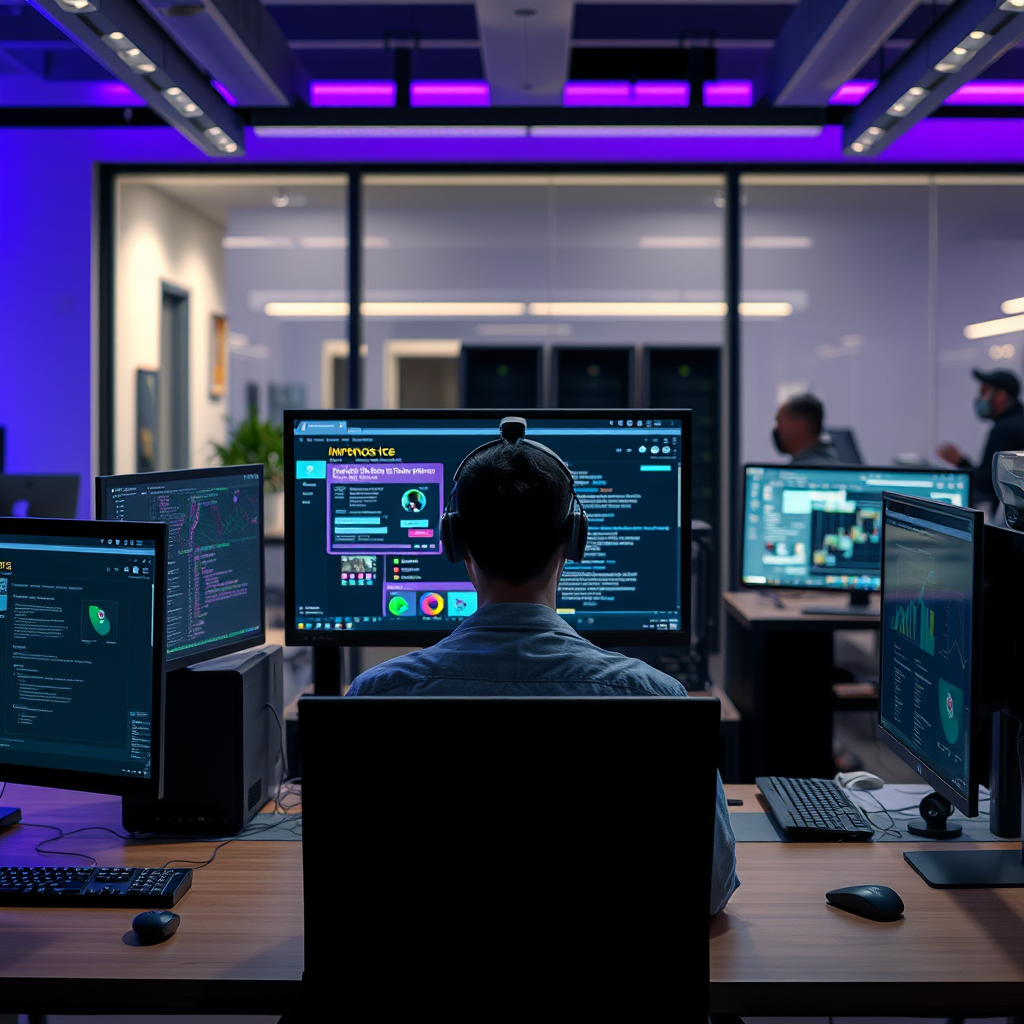
AI is set to revolutionize the way video frame rates are auto-corrected, making the process faster and more efficient than ever before. With advancements in machine learning and image processing, AI can analyze and adjust video content in real-time, ensuring smoother playback and enhanced viewer experiences. This transformation means that content creators will have more time to focus on their craft, while consumers will benefit from a seamless viewing experience. In this article, we will explore how AI is shaping the future of video frame rate correction and what this means for content creators and consumers alike.



Understanding Frame Rates and Their Importance
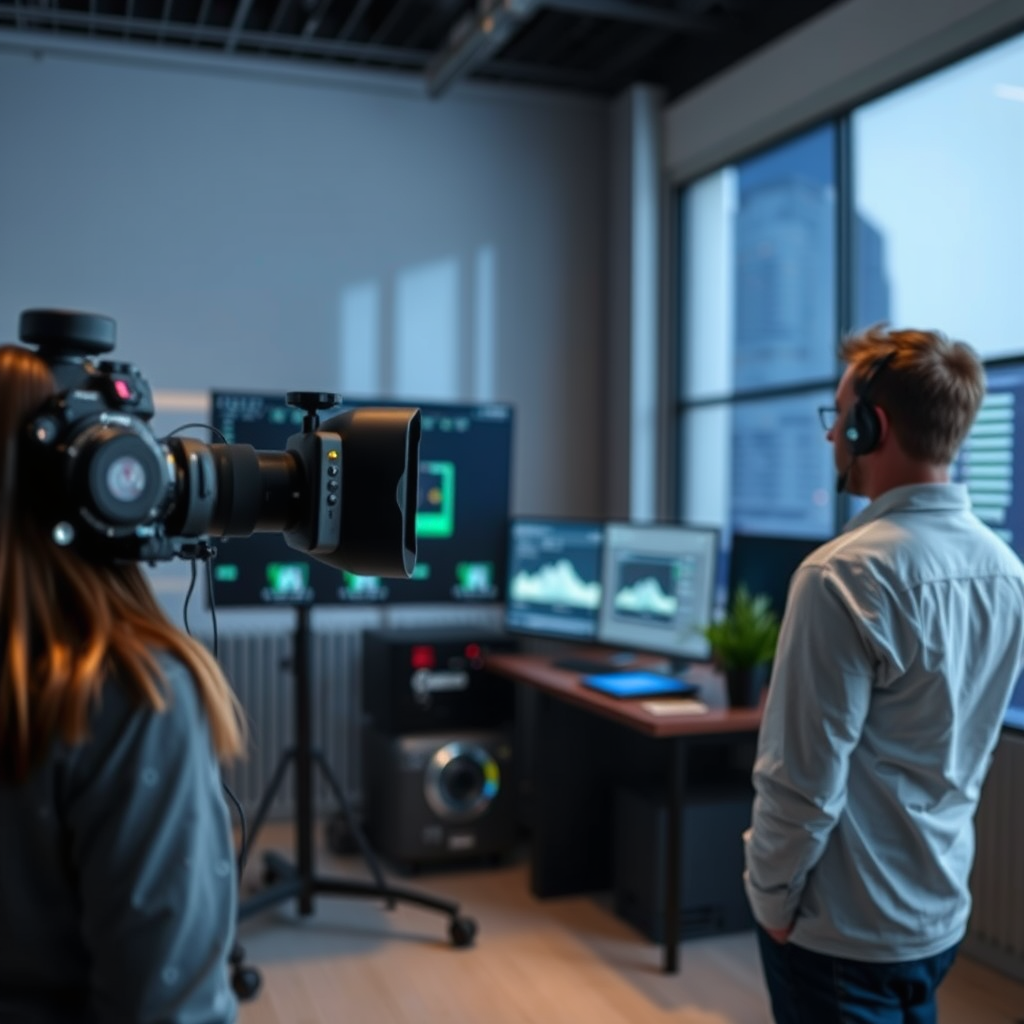
Frame rates are a crucial element in video production, dictating how smoothly a video plays on various platforms and devices. The frame rate is measured in frames per second (FPS), and it significantly impacts viewer satisfaction. Common frame rates like 24 FPS are traditionally used in cinema to create a filmic look, while 30 FPS is often utilized for television broadcasts, and 60 FPS is favored for sports and gaming due to its fluid motion capture.
Each frame rate serves a specific purpose, and the choice of frame rate can affect the storytelling style, emotional tone, and overall aesthetics of the video. For instance, a documentary may employ 24 FPS for a more dramatic feel, while a fast-paced action sequence in a video game benefits from the crisp clarity provided by 60 FPS. Understanding these nuances is essential for content creators, as the right frame rate can enhance the viewer’s emotional engagement with the content.
The Role of AI in Video Processing
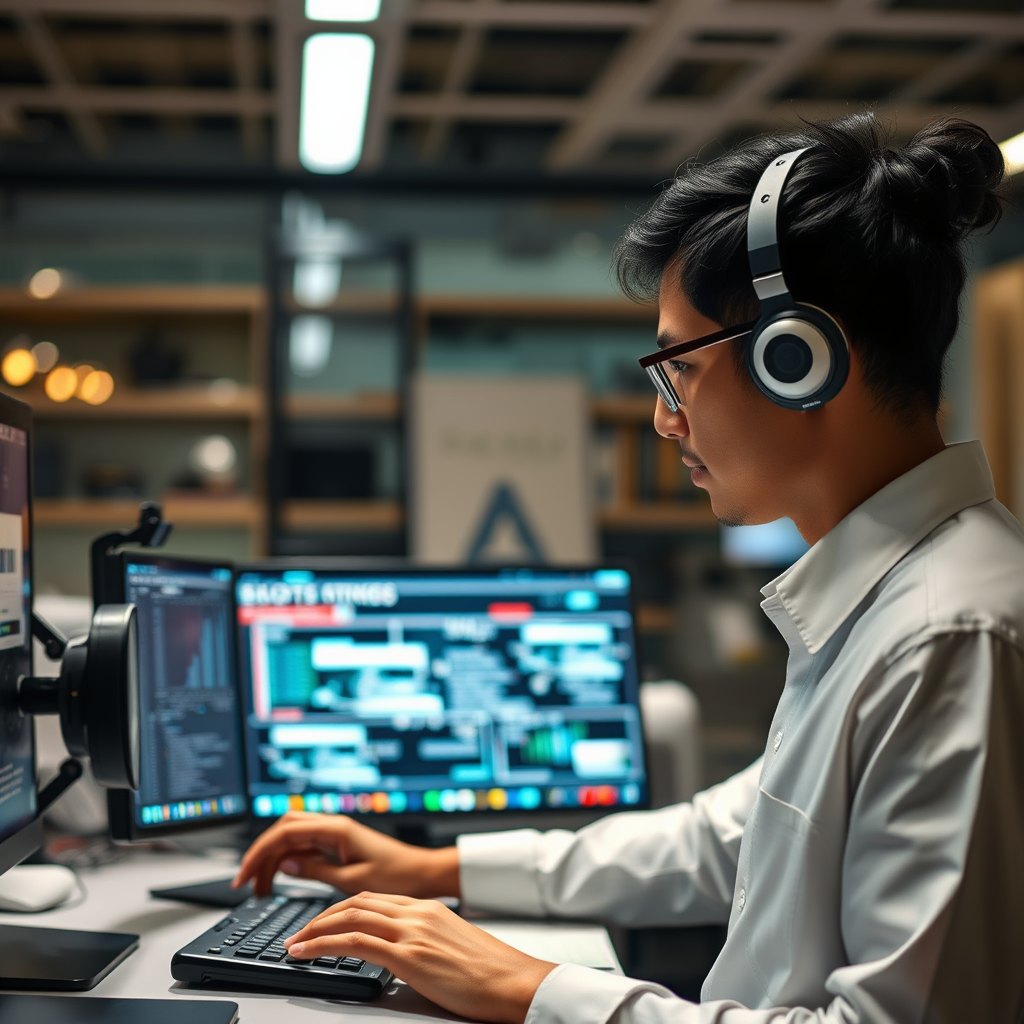
Artificial Intelligence is transforming video processing by employing sophisticated algorithms that analyze video content to determine optimal frame rates. By leveraging deep learning techniques, AI can assess factors such as motion complexity, scene changes, and even viewer preferences to make real-time adjustments. This capability allows for a more tailored viewing experience, where the frame rate can adapt dynamically to the content being displayed.
Moreover, machine learning enables continuous improvement in correction techniques based on user feedback and historical data. For example, if viewers often skip certain segments of a video due to choppy playback, AI systems can learn from this data to adjust the frame rate accordingly in future productions. This self-improving mechanism enhances both the quality of the video output and the overall viewing experience, making AI an invaluable asset in video processing.
Current Technologies in Auto-Correction
Currently, existing tools for auto-correcting frame rates typically rely on basic algorithms that require manual input, which can be time-consuming and prone to human error. For instance, traditional editing software may allow users to adjust frame rates after editing but doesn’t automate the process effectively. This reliance on manual adjustments can lead to inconsistencies in playback quality, especially when dealing with complex scenes or varied source materials.
In contrast, AI-enhanced software is emerging as a game changer in this space. Tools like Adobe Premiere Pro and DaVinci Resolve are beginning to incorporate AI features that can automatically analyze footage and suggest optimal frame rates based on the content. By reducing the need for human intervention, these AI-driven solutions streamline the editing process, allowing creators to focus on storytelling rather than technical adjustments.
Future Innovations in AI Frame Rate Correction
Looking forward, we can expect groundbreaking innovations in AI frame rate correction that will revolutionize the industry. One of the most exciting developments is the potential for real-time processing capabilities, enabling instant adjustments during live broadcasts. Imagine a sports event where the frame rate automatically shifts to accommodate fast-moving action, providing viewers with a smoother and more engaging experience.
Additionally, the integration of AI with augmented reality (AR) and virtual reality (VR) is poised to create immersive viewing experiences that were previously unimaginable. In these environments, dynamic frame rate adjustments can enhance realism and immersion, making the blend between the digital and physical worlds even more seamless. Content creators will have the ability to craft narratives that respond to viewer interactions in real time, leading to a more personalized and engaging experience.
Challenges and Limitations
Despite the promising future of AI in video frame rate correction, several challenges and limitations must be addressed. First and foremost, AI systems require vast amounts of data for training, which can pose a barrier to implementation. Gathering this data can be resource-intensive, and smaller content creators may struggle to access the necessary tools and datasets to train effective AI models.
Moreover, concerns about the accuracy of AI decisions in creative contexts persist. For instance, in film production, artistic choices often rely on subjective judgment, and there is a fear that AI may not fully grasp the nuances of a creator’s vision. Balancing technological advancements with the artistic integrity of video production is vital, and as AI continues to evolve, finding this balance will be key to its successful integration into the industry.
Implications for Content Creators and Consumers
The implications of AI-driven frame rate correction for content creators are significant. By streamlining workflows and enhancing production quality, creators can focus more on their artistic vision rather than getting bogged down in technical details. The automation of frame rate adjustments allows for faster turnaround times, ultimately leading to increased productivity and creative output.
For consumers, the benefits are equally compelling. Viewers can expect smoother and more visually appealing content with less buffering and interruptions. As AI enhances the playback experience, audiences will find themselves more engaged and satisfied with the content they consume. This evolution not only enriches the viewer experience but also fosters a deeper connection between creators and their audiences.
As we summarize the transformative impact of AI on video frame rate correction, it’s clear that both content creators and consumers will reap significant benefits. The advancements in AI technology promise to streamline production processes and enhance viewer experiences, paving the way for a new era in video content. As technology continues to evolve, staying informed about these advancements will be crucial for maximizing their potential. Embrace the future of video production by exploring AI-driven tools and techniques today.
Frequently Asked Questions
What is AI auto-correcting video frame rates and how does it work?
AI auto-correcting video frame rates involves the use of artificial intelligence algorithms to analyze and adjust the frame rates of video content automatically. By employing techniques such as motion estimation and interpolation, AI can enhance the smoothness of playback, reducing issues like stuttering or choppy footage, especially when videos are recorded at different frame rates. This technology is increasingly vital in post-production processes for filmmakers and content creators aiming for a professional finish.
How can AI improve the quality of videos with inconsistent frame rates?
AI enhances video quality with inconsistent frame rates by intelligently analyzing motion patterns and filling in the gaps where frame rates may not align. This process, often referred to as frame interpolation, generates new frames based on the existing ones, resulting in smoother transitions and a more cohesive viewing experience. By leveraging machine learning, AI can adaptively learn from each video, ensuring that the output is tailored to the specific content, thereby significantly improving overall video fluidity.
Why is frame rate consistency important in video production?
Frame rate consistency is crucial in video production because it directly affects the viewer’s experience and the aesthetic quality of the final product. Inconsistent frame rates can lead to jarring playback, which distracts viewers and diminishes engagement. Additionally, maintaining a steady frame rate is essential for synchronizing audio and visual elements, thus ensuring that the storytelling is seamless and professional.
What are the best practices for using AI in auto-correcting video frame rates?
The best practices for using AI in auto-correcting video frame rates include selecting high-quality source material, ensuring that your AI software is up-to-date, and leveraging robust algorithms that specialize in motion analysis. Additionally, users should always preview the AI adjustments to ensure that the output meets their creative vision and standards. Finally, balancing the use of AI corrections with manual tweaks can often yield the most polished end product, allowing for artistic control alongside technological enhancement.
Which industries can benefit the most from AI auto-correcting video frame rates?
Several industries can greatly benefit from AI auto-correcting video frame rates, including film and television production, gaming, online content creation, and virtual reality. In film and television, ensuring frame rate consistency is vital for producing high-quality content that captivates audiences. Similarly, in gaming and VR, smooth frame rates enhance user immersion and overall experience. As AI technology evolves, its adoption across these sectors will likely become more widespread, optimizing workflows and improving video quality.
References
- Video post-processing
- https://www.sciencedirect.com/science/article/pii/S0957417422005008
- https://www.nature.com/articles/s41598-020-80066-7
- https://www.bbc.com/news/technology-58051549
- https://www.reuters.com/technology/future-ai-video-editing-2021-08-12/
- https://www.nytimes.com/2021/11/11/technology/ai-video-editing.html
- https://www.techrepublic.com/article/how-ai-is-changing-video-editing/
- https://www.wired.com/story/ai-video-editing-future/


One thought on “The Future of AI in Auto-Correcting Video Frame Rates”