Real-time motion capture video technology is significantly enhanced by AI, which streamlines data processing, improves accuracy, and offers innovative applications across various industries. By leveraging the power of artificial intelligence, motion capture systems can analyze movements more efficiently and accurately, paving the way for advancements in fields like entertainment, sports, and healthcare. In this article, you’ll learn how AI is transforming motion capture, the benefits it brings, and its practical applications.




Understanding Motion Capture Technology
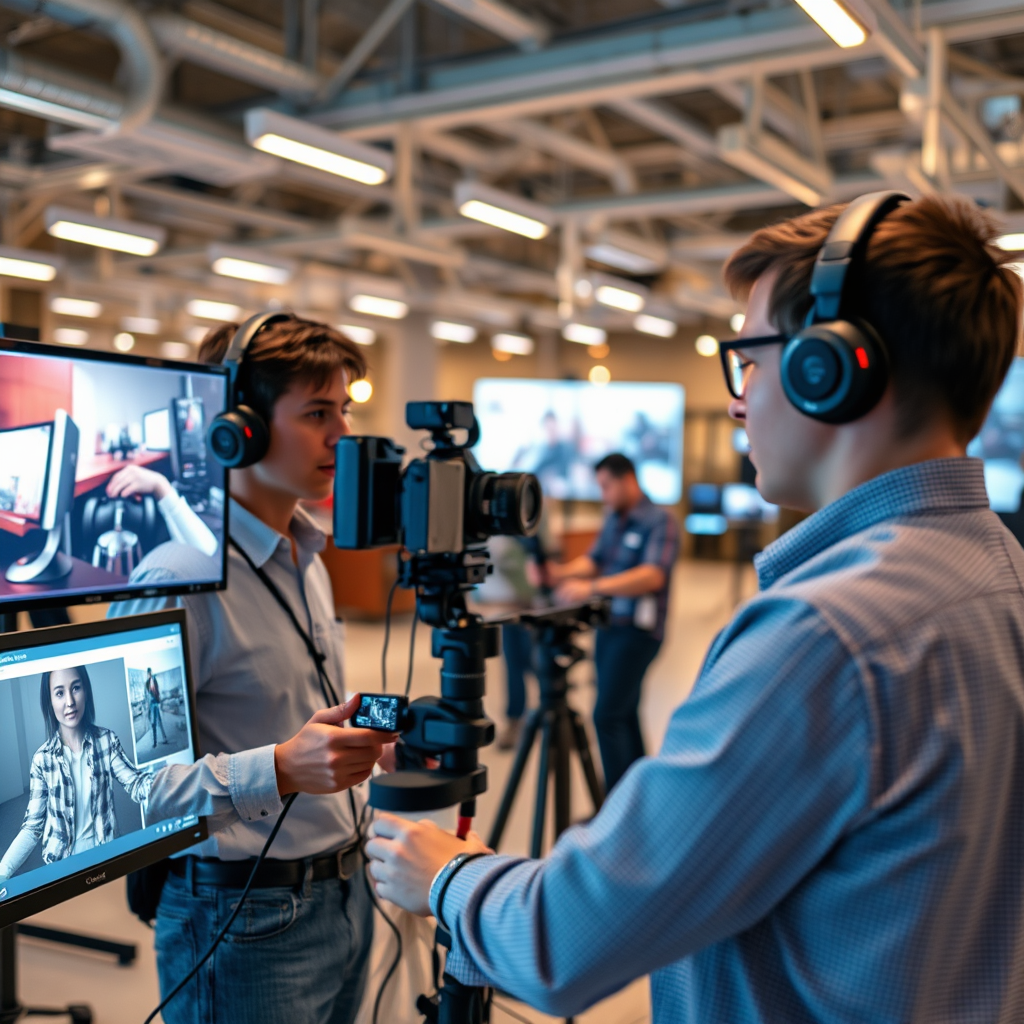
Motion capture, often abbreviated as MoCap, is a technology used to record the movements of objects or people. This process captures the position and movement of markers placed on a subject and translates those movements into digital data. The basic principle involves tracking positions in three-dimensional space and using that data to recreate movements in virtual environments or animations.
Over the years, motion capture technology has evolved from traditional methods, such as using physical markers and cameras, to sophisticated digital advancements. Early motion capture systems relied heavily on bulky equipment and labor-intensive processes. However, with the advent of digital advancements, we now have access to lightweight sensors, advanced camera systems, and real-time data processing capabilities that make capturing motion faster and more convenient.
The Integration of AI in Motion Capture

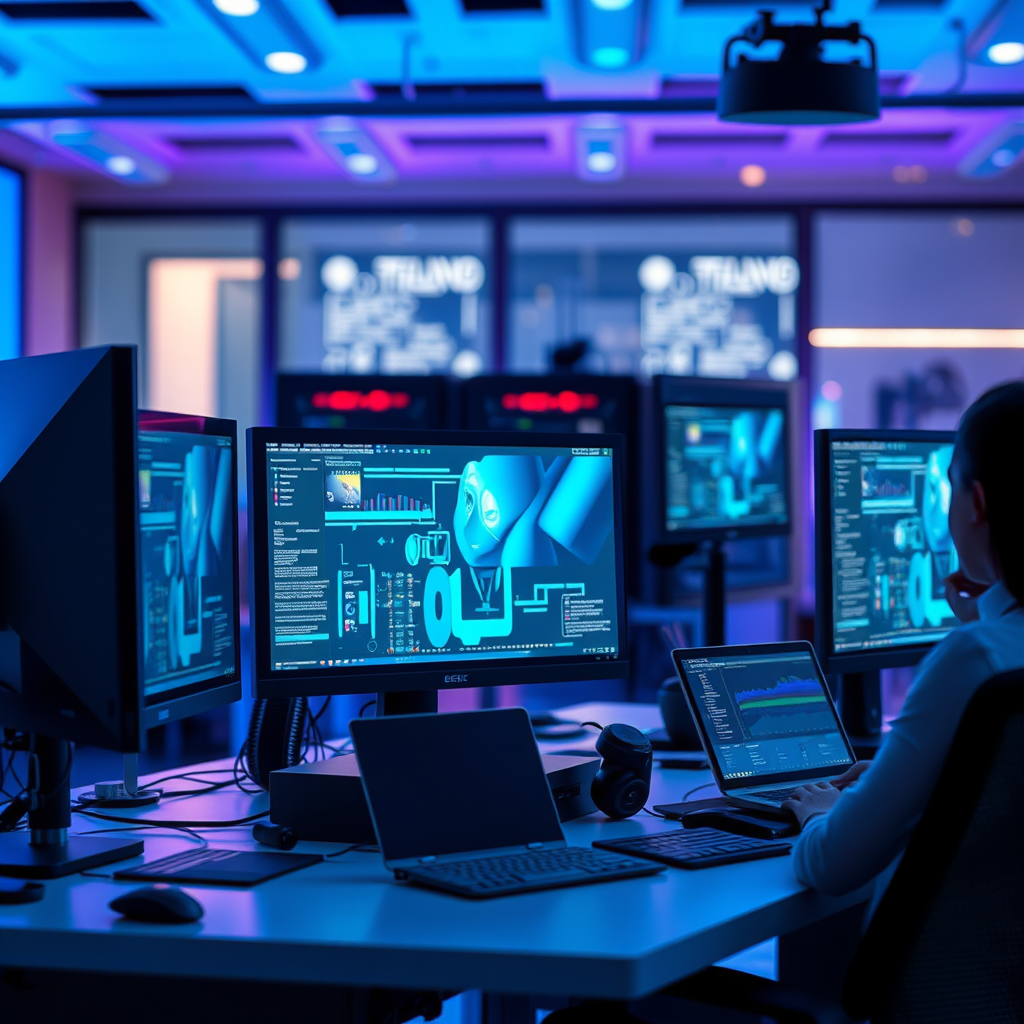
The integration of AI into motion capture technology marks a significant leap forward in how we analyze and interpret movement. AI algorithms play a crucial role in analyzing vast amounts of motion data, identifying patterns, and improving the accuracy of tracking. These algorithms can filter out noise and irrelevant data, focusing only on the critical movements that need to be captured.
Machine learning, a subset of AI, is particularly transformative in this context. By training on large datasets, machine learning models can learn to recognize and predict movements accurately, making real-time adjustments as new data streams in. This not only enhances the tracking accuracy but also increases the efficiency of the entire motion capture process. For instance, AI-driven systems can adapt to different environments and subjects, ensuring consistent performance even in varying conditions.
Benefits of AI in Real-Time Motion Capture
The incorporation of AI into real-time motion capture brings numerous benefits that enhance the overall experience and outcomes. One of the most notable advantages is the increased speed of data processing and analysis. Traditional motion capture systems can sometimes take time to process and interpret data; however, AI can significantly reduce this latency, allowing for immediate feedback and adjustments during a performance or recording session.
Furthermore, the precision of motion capture has improved dramatically. AI algorithms can reduce error rates in capturing movements, leading to more reliable and realistic outcomes. For example, in the film industry, this means that animators can create lifelike character movements with less manual correction, saving time and resources. Similarly, in sports, athletes and coaches can receive real-time feedback on performance, enabling immediate adjustments to techniques or strategies.
Applications of AI-Enhanced Motion Capture
AI-enhanced motion capture technology has a wide range of applications across various industries. In film and gaming, it is used to create realistic animations and character movements that captivate audiences. Game developers and filmmakers can now generate lifelike characters that respond to their environment and interact in believable ways, making the viewer’s experience more immersive than ever. For example, popular video games like “The Last of Us Part II” use motion capture to bring characters to life, reflecting their emotions and actions in a way that feels authentic.
In the realm of sports, AI-driven motion capture systems have become invaluable tools for analyzing athlete performance. Coaches can utilize this technology to break down an athlete’s movements, identifying areas for improvement and optimizing techniques. For instance, systems like Catapult Sports provide athletes with real-time data on their movements, helping them enhance their performance while minimizing the risk of injury.
Challenges and Limitations
Despite the remarkable advancements brought about by AI in motion capture, there are still challenges and limitations that need to be addressed. One significant technical challenge is the integration of AI with existing motion capture systems. Many companies possess legacy systems that may not be compatible with newer AI technologies, creating barriers to adoption. This can hinder the full potential of AI-enhanced motion capture and slow down innovation.
Additionally, there are ethical considerations regarding privacy and data usage in motion capture. As more personal data is collected, particularly in sports and healthcare, the potential for misuse or breaches of privacy increases. Striking a balance between leveraging data for improvement and protecting individual privacy will be crucial moving forward.
Future Trends in AI and Motion Capture
Looking ahead, the future of AI and motion capture is bright, with emerging technologies and innovations on the horizon. One trend to watch is the development of more advanced AI models that can predict and simulate movements, potentially allowing for even more sophisticated animations and analyses. Virtual and augmented reality applications will likely become more integrated with motion capture systems, leading to exciting new experiences in gaming and training environments.
Predictions for the future landscape of motion capture suggest an increasing demand for these technologies across various industries. As entertainment, sports, and healthcare continue to evolve, the integration of AI into motion capture will likely become more ubiquitous, revolutionizing how we capture and interpret movement. This will not only enhance existing applications but also open doors for new uses we might not even envision yet.
The integration of AI into real-time motion capture video is revolutionizing how we capture and analyze movement. By enhancing accuracy, speed, and application versatility, AI is creating new opportunities in entertainment, sports, and beyond. As technology continues to evolve, staying informed about AI advancements in motion capture will be crucial for professionals in these fields. Embracing this technology will not only improve results but also foster creativity and innovation in how we experience movement in the digital age.
Frequently Asked Questions
What are the main benefits of using AI in real-time motion capture video?
The integration of AI in real-time motion capture video significantly enhances the accuracy and efficiency of motion tracking. AI algorithms can analyze and process data in real time, allowing for precise replication of human movements. This technology reduces the need for extensive post-production work, streamlines the workflow for animators and game developers, and improves the overall quality of the final product.
How does AI improve the accuracy of motion capture systems?
AI improves the accuracy of motion capture systems by employing machine learning techniques to predict and correct motion data in real time. These algorithms learn from vast datasets of human movements, enabling them to identify patterns and make corrections on-the-fly, which minimizes errors that can occur due to occlusion or marker misplacement. As a result, AI-enhanced systems provide smoother and more realistic animations, particularly in complex scenes.
Why is real-time processing important in motion capture technology?
Real-time processing is crucial in motion capture technology because it allows for immediate feedback and interaction during production. This capability is particularly beneficial in live performances, gaming, and virtual reality applications where seamless integration of movements is essential for an immersive user experience. By utilizing AI to facilitate real-time processing, creators can make instant adjustments and ensure that the captured motion aligns perfectly with the intended visual output.
What are the best use cases for AI-enhanced real-time motion capture?
AI-enhanced real-time motion capture is best utilized in various sectors, including video game development, film production, virtual reality experiences, and sports analytics. In gaming, it allows for realistic character animations that respond dynamically to player actions. In film, it enables filmmakers to capture performances with minimal delay, improving actor interaction and overall scene fluidity. Sports analytics can utilize this technology to analyze athletes’ movements for performance improvement and injury prevention.
Which industries are currently benefiting the most from AI in motion capture technology?
The entertainment industry, particularly video games and film, is one of the primary sectors benefiting from AI in motion capture technology. Additionally, the animation industry leverages AI to create lifelike characters and environments. Beyond entertainment, the healthcare industry is also seeing advancements, using AI-driven motion capture for rehabilitation and biomechanics studies, enhancing patient outcomes through better motion analysis and feedback.
References
- Motion capture
- https://www.sciencedirect.com/science/article/pii/S1877050919314725
- https://www.nature.com/articles/s41598-019-51045-3
- https://www.bbc.com/future/article/20210329-how-ai-is-changing-the-way-we-make-movies
- https://www.forbes.com/sites/bernardmarr/2020/06/22/the-role-of-ai-in-motion-capture-and-animation/?sh=248d7c1d7c5e
- https://www.theguardian.com/technology/2021/nov/02/how-ai-is-revolutionising-motion-capture-in-film-and-video-games
- https://www.igi-global.com/chapter/applications-of-ai-in-motion-capture/238887
- https://www.nist.gov/news-events/news/2023/03/nist-researchers-develop-ai-technique-automatically-enhance-motion-capture-data