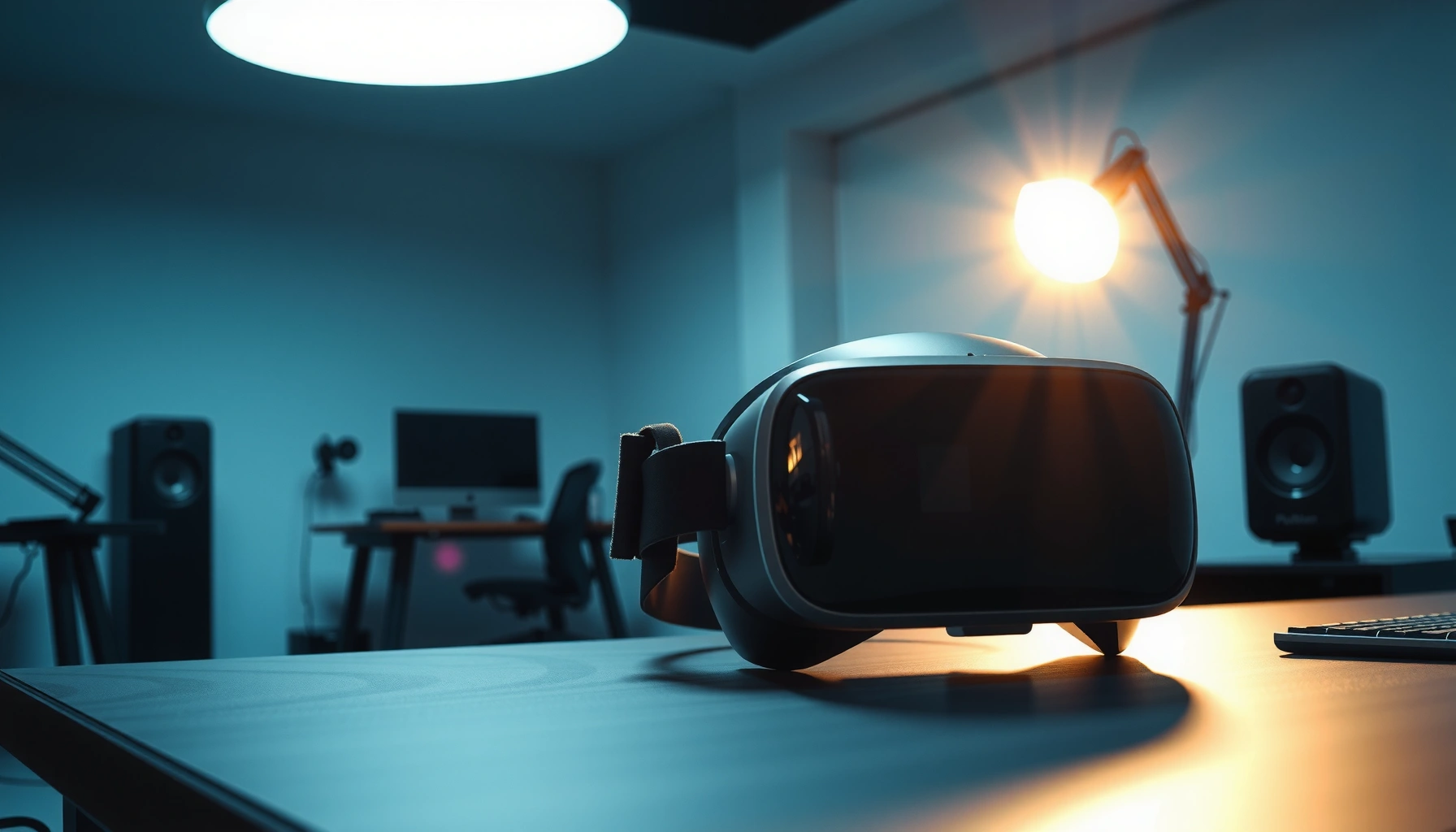
The future of AI-powered 360-degree travel videos lies in their ability to offer immersive experiences tailored to individual preferences, making travel planning and exploration more personal and engaging. With advancements in AI technology, we are witnessing a transformation in how we experience travel; innovative video content is becoming a powerful tool for exploration. By harnessing the capabilities of artificial intelligence, travelers can look forward to more personalized itineraries, stunning visuals, and even deeper emotional connections with the destinations they wish to explore.



The Rise of AI in Travel Media

AI has emerged as a game-changer in the travel media landscape, where algorithms analyze user preferences to curate personalized travel experiences. For instance, platforms like YouTube and Vimeo are incorporating AI to recommend travel videos based on what users have previously enjoyed. This means that if you have a penchant for tropical beach getaways, AI will prioritize videos featuring sun-soaked shores and vibrant marine life, enhancing your viewing experience.
Moreover, AI-driven editing techniques are elevating video quality to new heights. Advanced algorithms can enhance color grading, stabilize footage, and even upscale resolution. Take, for example, virtual tours of iconic landscapes; these AI enhancements ensure that every intricate detail—from the sun glimmering on the ocean waves to the vibrant colors of a bustling market—comes to life, captivating viewers and making them feel as if they’re right there in the moment.
Immersive Experiences through 360-Degree Technology
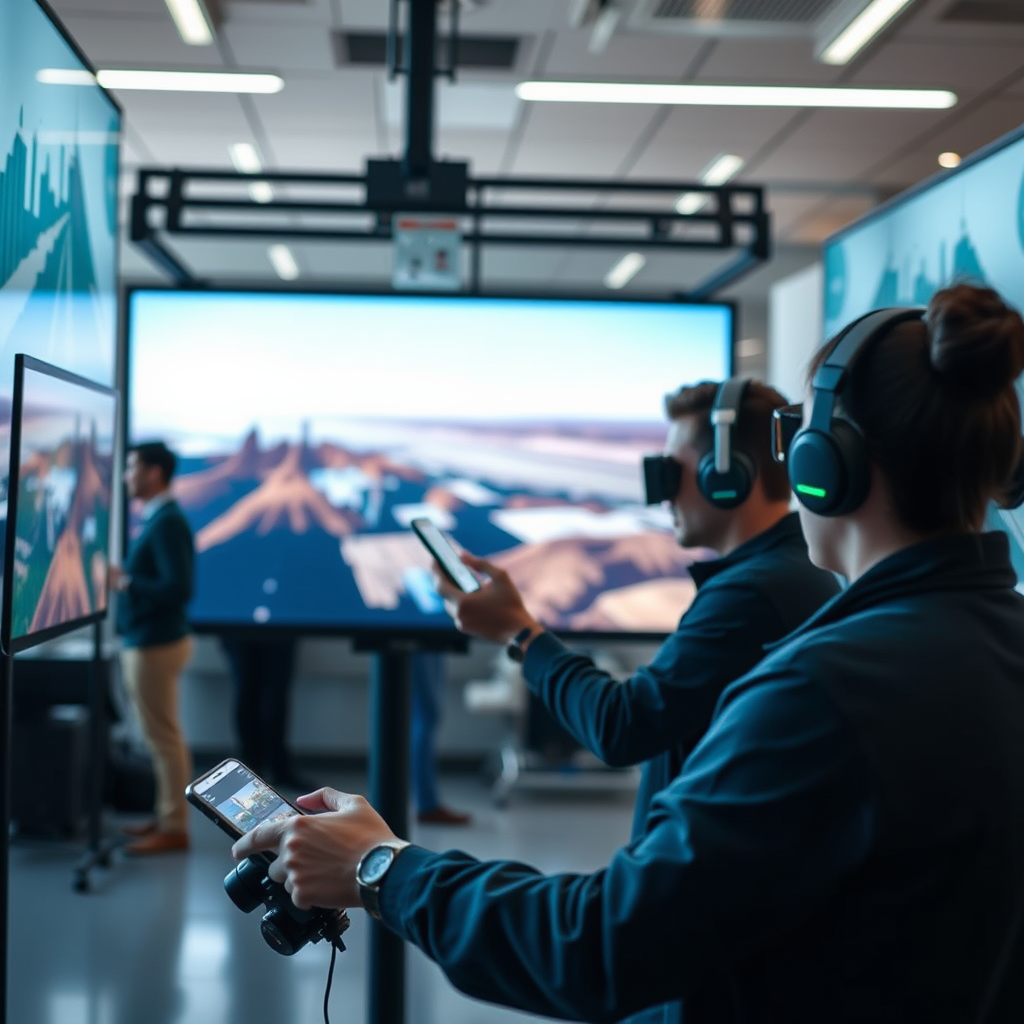
360-degree videos are revolutionizing the way we perceive travel media, providing a realistic sense of presence that traditional formats simply cannot match. With just a click or a tilt of the head, viewers can explore every nook and cranny of a destination, whether it’s the ancient ruins of Machu Picchu or the vibrant streets of Tokyo. This interactive experience allows for a more engaging connection to the world, making travel planning feel more tangible and exciting.
When combined with virtual reality (VR) technology, the immersion level skyrockets. Imagine donning a VR headset and walking through the bustling markets of Marrakech or surfing the waves in Hawaii. This technology not only enhances the viewer’s emotional engagement but also helps potential travelers visualize their journeys in a more profound way, ultimately motivating them to book that trip they’ve been dreaming of.
Personalization and Customization
One of the most exciting aspects of AI in 360-degree travel videos is its ability to create tailored travel itineraries based on viewer interests and past behaviors. For example, if you frequently engage with videos showcasing hiking adventures, AI can recommend additional content that highlights similar experiences, along with itineraries that include popular hiking trails and nearby accommodations.
Moreover, the integration of user-generated content with AI curation brings diverse perspectives and local insights into the mix. Imagine watching a 360-degree video of a destination not only narrated by a professional but also featuring clips from real travelers sharing their unique experiences. This blend of authenticity and personalization enhances the viewer’s connection to the place, making the prospect of visiting it even more enticing.
Enhanced Storytelling Capabilities
The art of storytelling is being transformed by AI tools that assist creators in developing compelling narratives that resonate with viewers. For instance, AI algorithms can analyze what types of stories engage an audience the most, allowing creators to adapt their content accordingly. This means that if viewers react positively to adventure-centric stories, content creators can focus on weaving thrilling narratives around outdoor activities or cultural explorations.
Furthermore, dynamic storytelling enables real-time adaptations based on viewer interactions and preferences. Imagine watching a 360-degree video where you can choose your path—deciding whether to explore the historical landmarks or delve into the local cuisine. This interactive approach not only keeps viewers engaged but also empowers them to craft their own unique travel stories, enhancing their overall experience.
The Role of Data Analytics
Data analytics plays a crucial role in the evolution of AI-enhanced travel videos. By analyzing viewer engagement metrics, AI can refine content strategies to ensure better reach and resonance with audiences. For example, if analytics reveal that viewers are particularly drawn to videos featuring eco-friendly travel practices, content creators can adjust their focus to highlight sustainable options in their future productions.
Insights from data also help content creators understand trending destinations and traveler interests. By keeping a pulse on what’s popular, creators can tailor their content to meet viewer demands, ensuring that they are not only producing high-quality videos but also addressing the preferences of their audience. This symbiotic relationship between data and creativity fosters a more vibrant and relevant travel media landscape.
Challenges and Considerations
Despite the numerous benefits of AI-generated content, there are ethical implications that must be considered, particularly regarding authenticity. As AI becomes more adept at creating realistic visuals and narratives, it raises questions about the veracity of the content being presented. How do we ensure that AI-generated experiences do not misrepresent destinations or cultures? Striking a balance between innovation and authenticity is paramount.
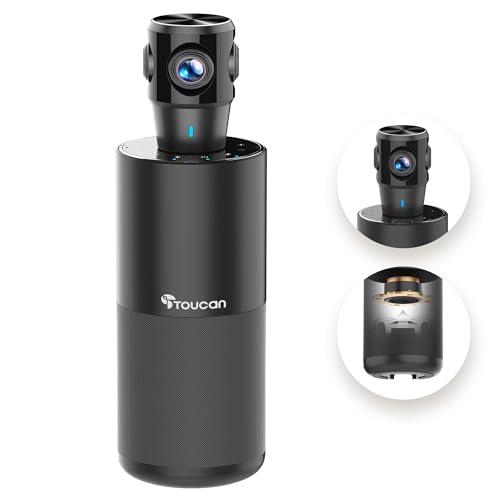
Additionally, there are technical barriers that creators face, such as high production costs and the need for advanced equipment. While the technology is becoming more accessible, producing high-quality 360-degree videos still requires investment in specialized cameras and editing software. As the industry evolves, finding ways to mitigate these costs will be essential for wider adoption of AI-enhanced travel media.
Future Trends in AI and 360-Degree Travel Videos
Looking ahead, we can anticipate exciting trends in the evolution of technology within travel media. One significant prediction is the continued advancement of AI and VR integration, leading to even more immersive experiences. Imagine a future where you can not only explore a destination virtually but also interact with local guides in real-time through augmented reality.
Moreover, collaboration between travel brands and content creators is likely to foster innovative experiences that captivate audiences. Brands could partner with influencers to create authentic, AI-curated travel narratives that resonate with viewers, bridging the gap between marketing and genuine storytelling. This collaborative approach can lead to richer, more meaningful content that inspires travelers to embark on their own adventures.
As the landscape of travel media continues to evolve, AI-powered 360-degree videos are paving the way for unprecedented opportunities for personalized exploration and storytelling. With technology advancing at a rapid pace, travelers can look forward to even more immersive and engaging experiences that make planning and exploring the world more accessible and enjoyable. By staying informed about the latest trends and tools in AI-driven travel content creation, both travelers and creators alike can harness the full potential of this exciting frontier.
Frequently Asked Questions
What are AI-powered 360-degree travel videos and how do they work?
AI-powered 360-degree travel videos are immersive visual experiences that allow viewers to explore destinations from all angles, often using virtual reality technology. They harness artificial intelligence to enhance video quality, automate editing, and even personalize content based on viewer preferences. By integrating advanced algorithms, these videos can analyze user interaction and adapt the viewing experience, making travel exploration more engaging and interactive.
How can AI enhance the viewer experience in 360-degree travel videos?
AI enhances the viewer experience in 360-degree travel videos by offering personalized recommendations and creating dynamic content that responds to user behavior. For instance, AI can track which parts of the video viewers engage with most and suggest similar destinations or experiences. Additionally, AI technologies can improve image stabilization and sound quality, ensuring a smoother and richer viewing experience that captures the essence of virtual travel.
Why is the future of AI-powered 360-degree travel videos significant for the travel industry?
The future of AI-powered 360-degree travel videos is significant for the travel industry as it provides innovative ways for destinations to market themselves and engage potential travelers. As consumers increasingly seek virtual experiences before booking trips, these videos allow travelers to explore locations in-depth and make informed decisions. Moreover, the use of AI can help travel businesses tailor their content to meet the unique preferences and behaviors of their audience, driving higher engagement and conversion rates.
What are the best platforms for creating AI-powered 360-degree travel videos?
The best platforms for creating AI-powered 360-degree travel videos include specialized software like Adobe Premiere Pro with 360-degree editing capabilities, as well as tools like Insta360 Studio and VeeR VR. Additionally, platforms such as YouTube and Vimeo support 360-degree video uploads and provide analytics to help creators understand viewer engagement. Choosing the right platform depends on your specific needs, such as ease of use, editing features, and audience reach.
Which technologies are shaping the future of AI in 360-degree travel videos?
Key technologies shaping the future of AI in 360-degree travel videos include machine learning algorithms for content personalization, computer vision for better image quality, and virtual reality (VR) integration for immersive experiences. Additionally, advancements in augmented reality (AR) are beginning to play a role, allowing viewers to interact with digital elements overlaid on real-world environments. As these technologies evolve, they will enable richer narratives and more engaging travel experiences for viewers.
References
- Virtual reality
- https://www.bbc.com/news/technology-54388032
- https://www.nytimes.com/2021/02/23/technology/virtual-reality-travel.html
- https://www.nationalgeographic.com/travel/article/virtual-reality-travel-experiences
- https://www.sciencedirect.com/science/article/pii/S1877050920302844
- Frontiers | Coping Strategies and Self-Efficacy in University Students: A Person-Centered Approach
- https://www.ted.com/talks/james_murphy_the_future_of_virtual_reality_in_travel
- https://www.forbes.com/sites/forbestechcouncil/2021/01/05/the-future-of-travel-is-virtual-what-you-need-to-know/?sh=72a4b0f11c5c