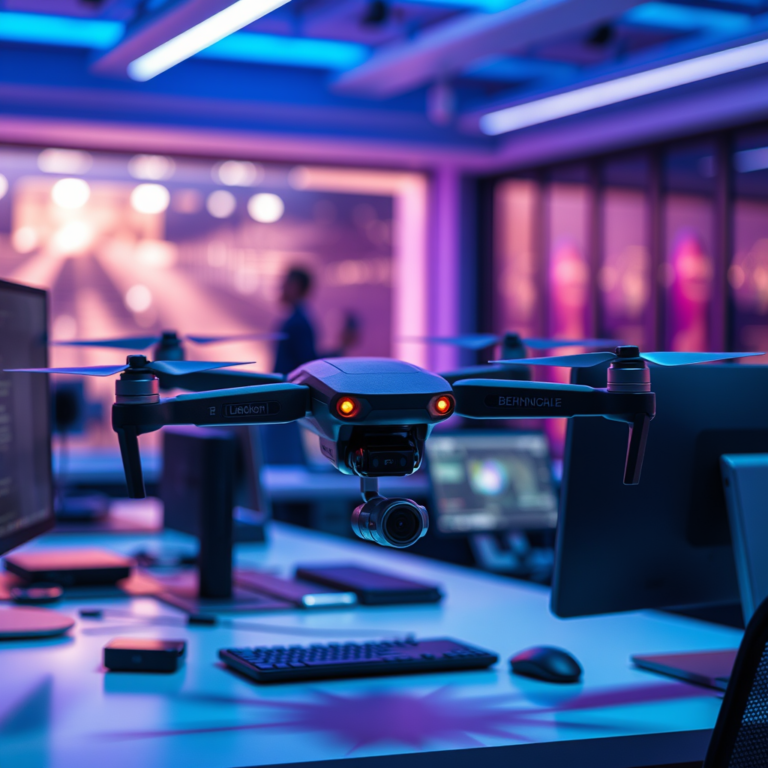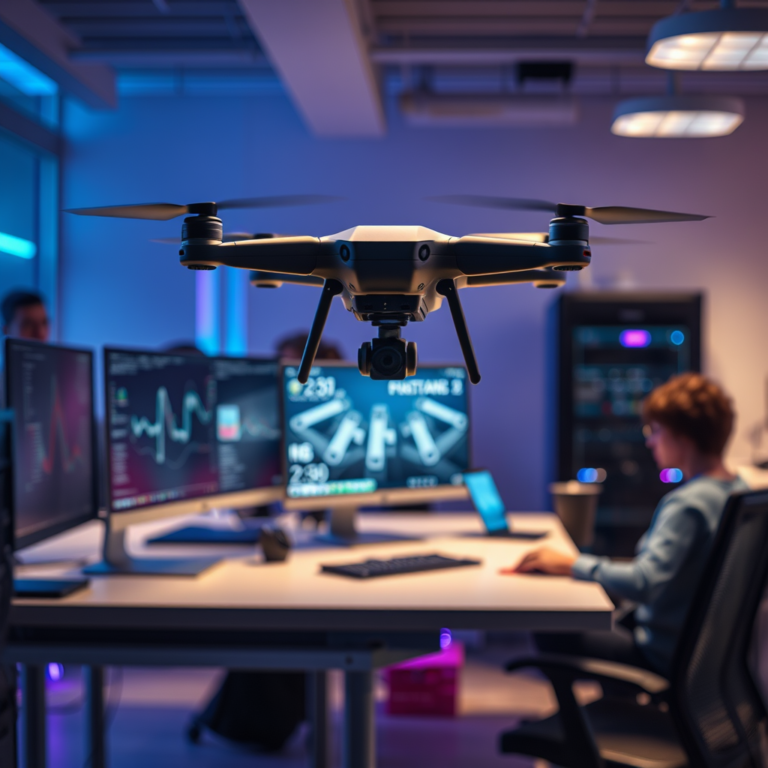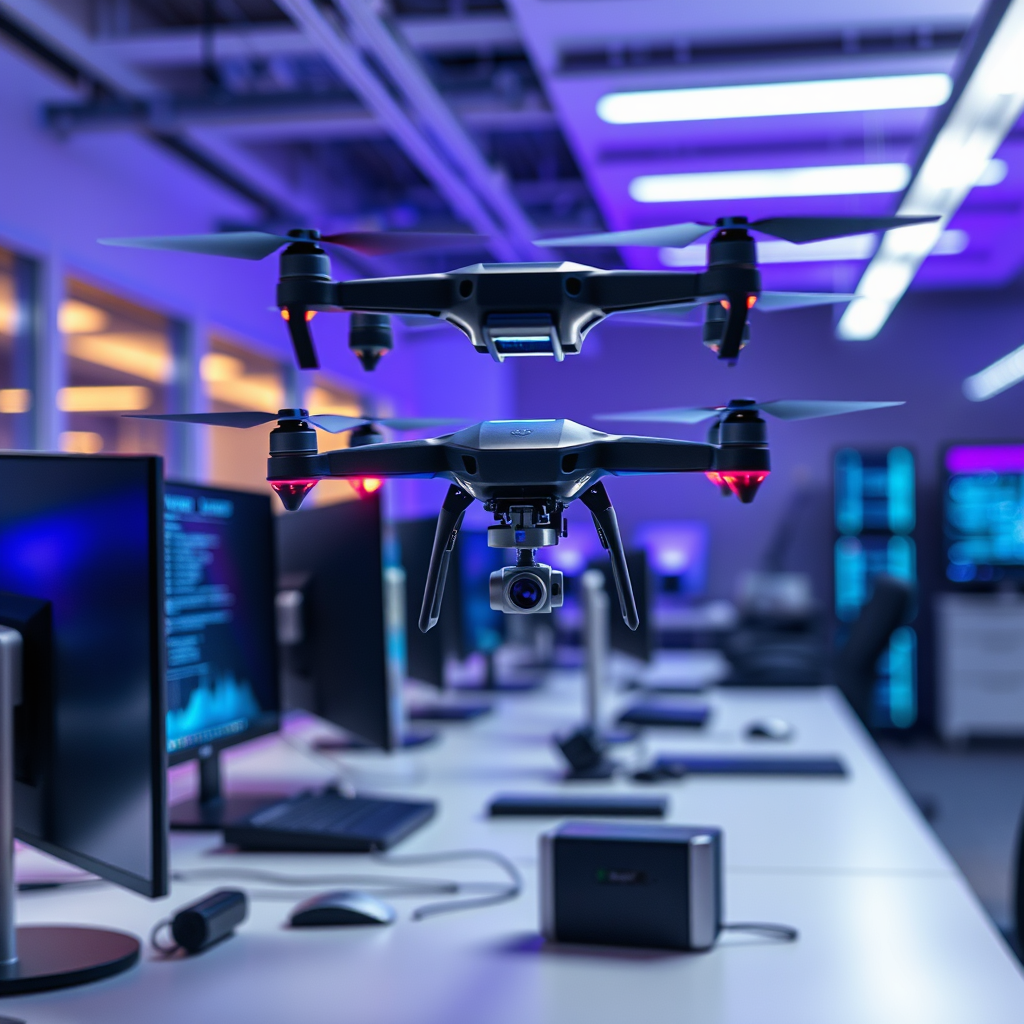

AI-powered drone swarms are transforming aerial light displays into mesmerizing experiences by enabling drones to perform synchronized and dynamic shows. With their advanced technology, these drone swarms can create intricate patterns and vibrant colors that captivate audiences like never before. This article delves into the technology that powers these drone swarms, how they design their stunning light displays, their applications in entertainment, the challenges they face regarding safety and regulation, their environmental impact, and what the future holds for this fascinating technology.
The Technology Behind Drone Swarms

AI Algorithms
At the core of the operation of drone swarms are sophisticated artificial intelligence algorithms, which enable these flying marvels to communicate and coordinate their movements in real-time. These algorithms allow drones to share information about their positions, speed, and direction, ensuring that they move in harmony with one another. For example, if one drone experiences an unexpected change in wind or encounters an obstacle, it can instantly relay this information to its fellow drones, allowing the entire swarm to adjust and maintain its formation without losing visual appeal. This level of coordination is crucial for creating intricate aerial patterns and maintaining safety during performances.
Real-Time Data Processing
In addition to AI algorithms, real-time data processing is essential for the success of drone swarms. Each drone is equipped with sensors that collect data about its environment, such as GPS positioning, altitude, and surrounding obstacles. This data is processed instantly, allowing the drones to synchronize their movements effectively. For instance, during a light display, if a drone detects that it is lagging behind the designated formation, it can adjust its speed immediately to catch up. This capability not only enhances the visual display but also ensures the safety of the drones and the audience. The combination of AI algorithms and real-time data processing creates a seamless and stunning aerial experience.
Designing Aerial Light Displays
Creative Programming
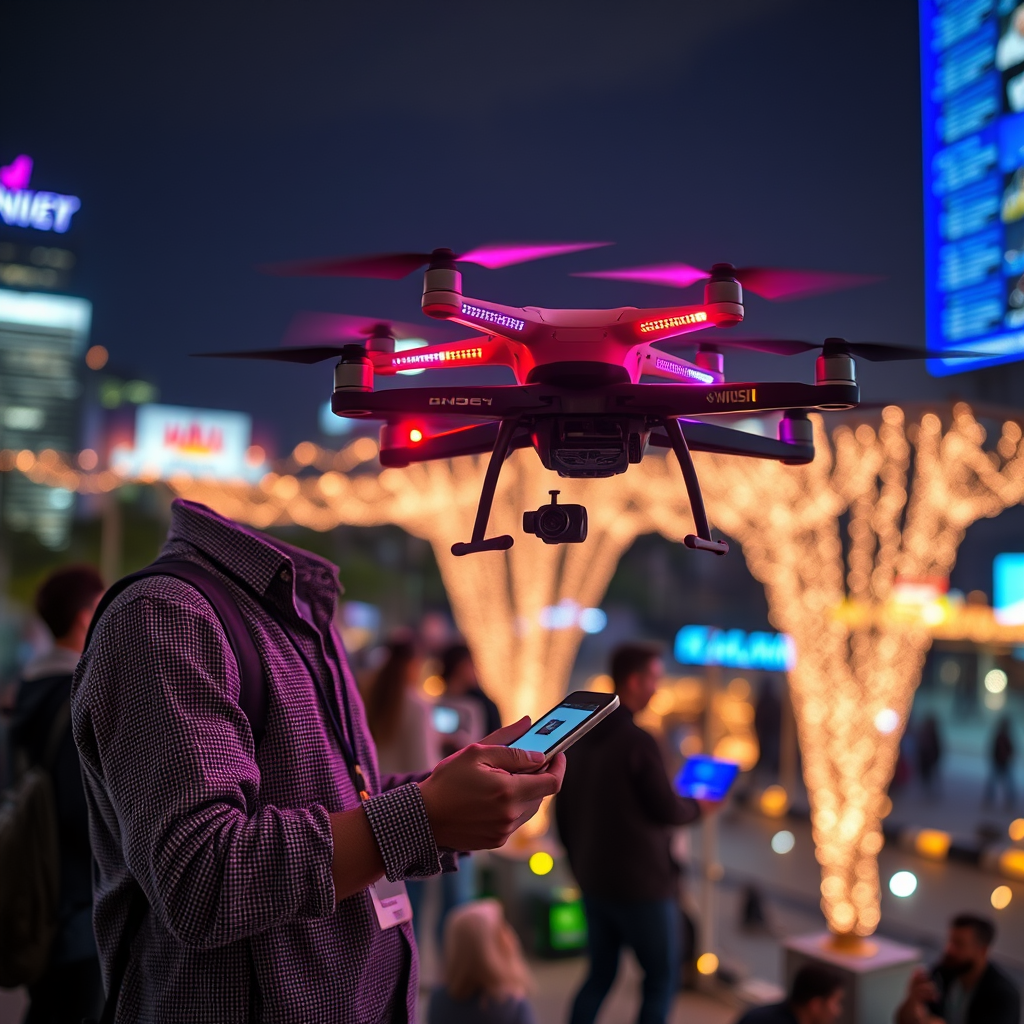
The design of aerial light displays relies heavily on creative programming, which involves choreographing the movements and lighting effects of each drone in the swarm. Programmers use specialized software to craft unique sequences that can include anything from simple geometric shapes to elaborate stories told through light. For example, a display might start with drones forming a heart shape that gradually transitions into a spinning galaxy, accompanied by an accompanying soundtrack. The creativity embedded in this programming allows for endless possibilities, making each show a unique spectacle.
Visual Effects
The visual effects achievable through drone formations and lighting are astounding. Drones equipped with LED lights can change colors, create dynamic patterns, and even project images into the night sky. By varying the intensity and timing of the lights, drone swarms can produce stunning effects such as shimmering waves, cascading waterfalls of light, or even 3D illusions. This versatility allows for captivating storytelling, turning a static performance into an engaging narrative that resonates with the audience, whether at a festival or a corporate event.
Applications in Entertainment
Concerts and Festivals
One of the most exciting applications of drone swarms is in live music events, where they enhance the overall experience for concertgoers. Drones can synchronize their light displays with the rhythm and beats of the music, creating a multi-sensory experience that elevates the performance. For instance, during a music festival, drone swarms can take to the sky, illuminating the night with vibrant colors that pulse in time with the live band, creating an unforgettable atmosphere. Artists like Coldplay and The Chainsmokers have already embraced this technology, showcasing its potential to revolutionize live performances.
Public Celebrations
Drone swarms are increasingly being used for large-scale public celebrations, such as New Year’s Eve events and national holidays. Instead of traditional fireworks, cities are opting for drone light shows that are safer, quieter, and environmentally friendly. For example, in 2020, the city of Los Angeles replaced its fireworks display with a drone show that featured 1,200 drones lighting up the sky with stunning visuals. These displays not only entertain but also mitigate the risks associated with fireworks, such as fires and noise disturbances, making them a popular choice for modern celebrations.
Safety and Regulation Challenges
Airspace Management
Despite their many advantages, managing airspace for drone swarms presents significant challenges. With the increasing number of drones in the sky, ensuring safe distances between drones and other aircraft is paramount. Airspace management systems are being developed to monitor drone flights, preventing collisions and ensuring that swarms can operate safely in shared airspace. This involves coordination between drone operators and aviation authorities to establish restricted zones and flight paths, ensuring that public safety remains a top priority.
Regulatory Compliance
Drone operators must also navigate a complex landscape of regulations and compliance requirements. In many countries, there are strict guidelines governing where and when drones can be flown, especially in populated areas. Operators must obtain permits and comply with local laws to ensure their shows are conducted safely. These regulations are in place to protect both the audience and the environment, making it essential for drone show producers to stay informed about the latest legal requirements in their regions.
The Future of Drone Light Displays
Technological Advancements
The future of drone light displays looks promising, with ongoing technological advancements poised to enhance their capabilities. Innovations such as improved battery life, more efficient AI algorithms, and enhanced drone designs will allow for longer and more complex aerial performances. Additionally, the integration of new materials for drone construction could lead to lighter, more maneuverable drones, further expanding the possibilities for creative displays. As technology continues to evolve, we can expect even more breathtaking shows that push the boundaries of what is possible.
Expanding Usage
Beyond entertainment, other industries could greatly benefit from drone swarms for visual storytelling. For example, in advertising, companies could use drone displays to promote products during events or launch campaigns with stunning aerial visuals. Additionally, in education, drone swarms could be used for engaging presentations and demonstrations, making learning more interactive and visually appealing. The potential applications are vast, and as more industries explore drone technology, we are likely to see innovative uses emerge.
Environmental Impact
Sustainable Practices
One of the significant advantages of using drone swarms for light displays is their potential for sustainable practices. Unlike traditional fireworks, which can produce harmful smoke and debris, drone shows are clean and environmentally friendly. They eliminate the need for explosive materials and reduce air pollution, making them a more sustainable option for celebrations. Additionally, drone shows can be designed to limit energy consumption, using LED lights that are more efficient and have a lower environmental impact.
Noise Pollution
Another benefit of drone light displays is their ability to drastically reduce noise pollution. Fireworks can be loud and disruptive, causing stress for people, pets, and wildlife. In contrast, drone shows operate quietly, allowing for a peaceful experience that does not disturb the surrounding environment. This aspect makes drone displays an attractive alternative for events held in urban areas or near residential neighborhoods, fostering a more enjoyable atmosphere for all attendees.
The rise of AI-powered drone swarms is transforming aerial light displays into breathtaking spectacles that engage audiences in new and innovative ways. These technological advancements not only enhance entertainment but also pave the way for sustainable and creative alternatives to traditional displays. As we look ahead, the potential for drone swarms in various applications continues to expand, promising even more spectacular shows in the future. If you’re excited about the possibilities of drone technology, stay tuned for upcoming events and innovations in this field!
Frequently Asked Questions
What are AI-powered drone swarms and how do they work in aerial light displays?
AI-powered drone swarms are groups of drones that utilize artificial intelligence to coordinate their movements and create synchronized light displays in the sky. These drones are equipped with LED lights and sensors that allow them to communicate with each other in real-time, ensuring precise formations and patterns. By leveraging advanced algorithms, the drones can adapt to environmental conditions and execute complex choreography, resulting in stunning visual experiences for audiences.
How do AI-driven drone swarms enhance the visual experience compared to traditional fireworks?
AI-driven drone swarms offer several advantages over traditional fireworks, including safety, environmental impact, and customization. Drones produce no harmful smoke or debris, making them a cleaner option for celebrations. Additionally, they can be programmed to create intricate designs and patterns that are not possible with fireworks, allowing for personalized shows that can be tailored to specific themes or events, enhancing the overall visual experience.
Why are drone light shows becoming popular for outdoor events and celebrations?
Drone light shows are gaining popularity due to their innovative and eco-friendly nature. As communities seek alternatives to traditional fireworks, which can pose safety hazards and environmental concerns, drone displays offer a captivating solution without the associated risks. Moreover, the ability to personalize and choreograph these shows using AI technology appeals to event organizers looking to create memorable experiences for attendees.
What are the best use cases for AI-powered drone swarms in entertainment?
AI-powered drone swarms are best utilized in a variety of entertainment settings, including festivals, concerts, corporate events, and sporting occasions. They can be employed to create thematic displays that complement live performances, celebrate holidays, or mark significant milestones. Additionally, drones can be integrated into marketing campaigns, offering brands a unique way to engage audiences and enhance visibility through visually striking aerial shows.
Which technologies are essential for creating effective drone light displays?
Effective drone light displays rely on several key technologies, including GPS for accurate positioning, AI algorithms for coordination, and high-efficiency LED lights for vibrant displays. Additionally, robust communication systems enable the drones to synchronize in real-time, while obstacle avoidance sensors ensure safety during performances. Together, these technologies contribute to the seamless execution of complex aerial displays that captivate audiences and enhance events.
References
- Drone art
- https://www.sciencedirect.com/science/article/pii/S2351978923001251
- https://www.nytimes.com/2022/12/31/science/drone-light-show.html
- https://www.bbc.com/future/article/20210111-how-drone-swarms-are-changing-the-way-we-see-light
- https://www.reuters.com/technology/drone-swarms-are-creating-spectacular-light-displays-2021-05-12/
- https://www.nasa.gov/feature/nasa-and-partners-use-drone-swarms-to-create-light-displays
- https://www.frontiersin.org/articles/10.3389/frobt.2022.851011/full