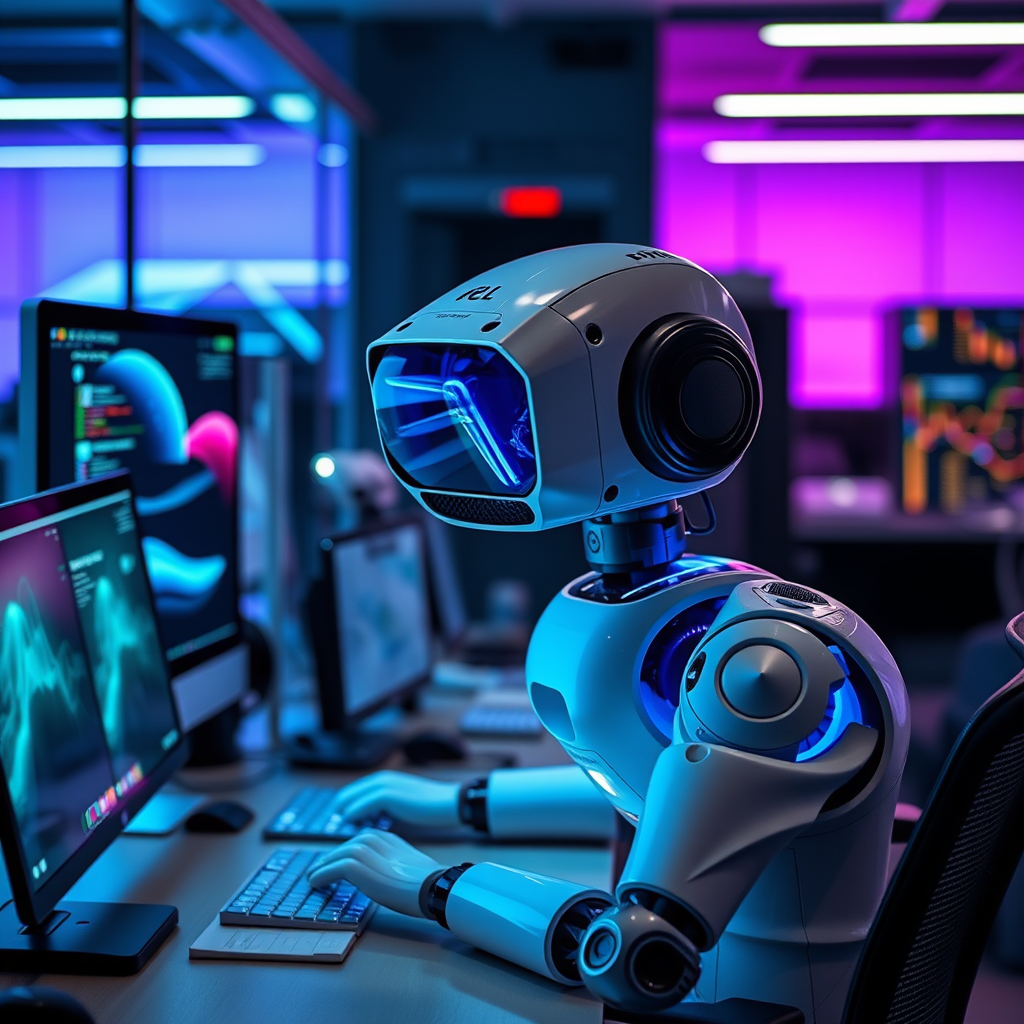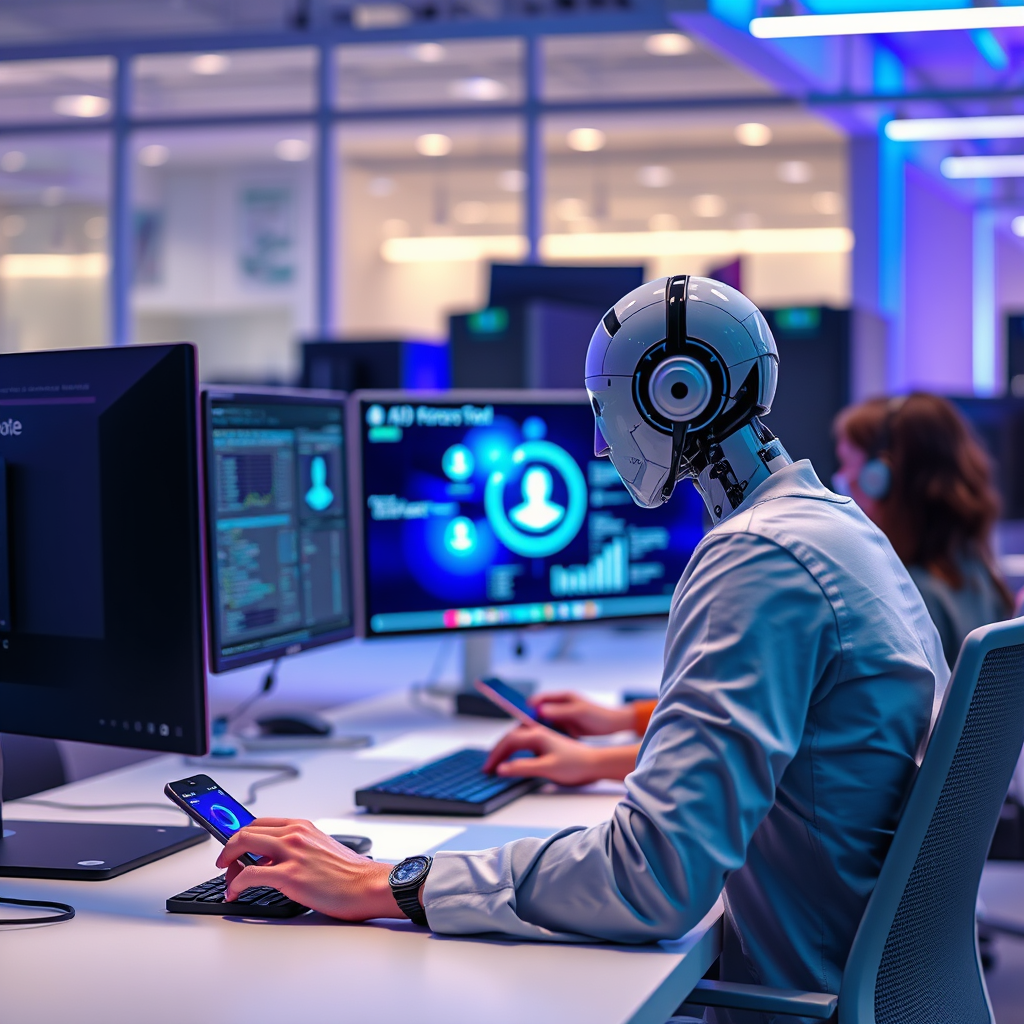
Personalized AI assistants have become a standard feature on smartphones, fundamentally changing how we interact with our devices. These intelligent companions not only make our lives easier by streamlining tasks but also adapt to our unique preferences, enhancing our overall user experience. With advancements in technology, these AI assistants have grown ubiquitous, and their presence in our daily routines has made smartphones an even more indispensable part of our lives.




The Evolution of AI Assistants

The journey of AI assistants began with foundational technological advancements in machine learning, natural language processing, and data analytics. In the early 2000s, voice recognition was a novelty, but as processing power increased and algorithms improved, the potential for creating more sophisticated AI systems grew exponentially. Companies like Google, Apple, Amazon, and Microsoft have been at the forefront of this evolution, investing heavily in research and development to create personal assistants like Google Assistant, Siri, Alexa, and Cortana.

Apple’s Siri, launched in 2011, marked a new era for smartphone interaction, allowing users to engage with their devices using natural language. Google followed suit with Google Now, which evolved into Google Assistant, known for its contextual understanding and seamless integration with other Google services. Amazon’s Alexa redefined how we interact with smart home devices, while Microsoft’s Cortana aimed to provide a more integrated experience across their products. These key players have contributed to pushing the boundaries of what AI can do, making personalized assistants an expected feature in today’s smartphones.
Features of Modern AI Assistants

Modern AI assistants boast impressive voice recognition and natural language processing capabilities that allow for intuitive interactions. Users can simply speak commands or ask questions, and the assistant will understand and respond appropriately, often with remarkable accuracy. For example, asking your assistant for “the weather tomorrow” will yield a detailed response, complete with temperature, precipitation forecasts, and even suggestions for what to wear.
Personalization is another cornerstone of modern AI assistants. They learn from user behavior, preferences, and interaction patterns to offer tailored suggestions. For instance, if you frequently ask about local coffee shops, your AI assistant may begin to proactively provide updates on new openings or discounts at your favorite spots. This personalized touch not only makes interactions smoother but also enhances the overall user experience by making the assistant feel more like a helpful companion.
User Benefits of Personalized AI Assistants
The benefits of personalized AI assistants are numerous, particularly in enhancing efficiency. Imagine managing your daily tasks without having to remember every detail. AI assistants can set reminders, schedule appointments, and even send messages on your behalf, freeing up mental space for more important matters. For example, a simple voice command like “Remind me to pick up groceries at 5 PM” can ensure you never forget essential errands again.
Moreover, AI assistants have made smartphones more accessible, particularly for users with disabilities. Features like voice commands and text-to-speech capabilities have opened up new avenues for individuals who may struggle with traditional interfaces. Consider the visually impaired; they can now navigate their smartphones and access information simply by speaking to their AI assistant. This level of accessibility empowers users and ensures that technology remains inclusive.
The Role of AI in Smartphone Ecosystems
AI assistants play a crucial role in creating interconnected smartphone ecosystems. They seamlessly integrate with various applications and smart devices, allowing users to control everything from thermostats to lights directly from their smartphones. For instance, you can ask your assistant to “dim the living room lights” or “play my evening playlist” without lifting a finger beyond your voice command. This integration not only enhances convenience but also creates a cohesive user experience across different platforms.
Furthermore, AI assistants contribute to the overall smartphone experience by learning from user interactions and improving over time. This adaptability means that as you use your device more, the assistant becomes increasingly attuned to your preferences, providing more relevant suggestions and responses. The synergy between AI assistants and smartphone ecosystems is a testament to how technology can enhance our daily lives by making our devices smarter and more responsive.
Privacy and Security Concerns
As much as personalized AI assistants enhance our lives, they also raise concerns about privacy and security. Users often worry about how their data is collected, stored, and utilized by these digital companions. For instance, many assistants respond to “Hey Siri” or “OK Google” commands, which requires constant listening. This can lead to fears that conversations are being recorded or that personal information is not adequately protected.
To address these concerns, companies have implemented stringent measures to safeguard user data. For example, many AI systems now allow users to manage their privacy settings actively, giving them control over what data is collected and how it is used. Additionally, encryption and anonymization techniques are employed to protect sensitive information. Companies like Apple emphasize their commitment to privacy, stating that they don’t sell user data to third parties, which can help build trust among users.
Future Trends in AI Assistants
Looking ahead, the evolution of AI technology in smartphones promises exciting developments. As machine learning algorithms become more sophisticated, we can expect AI assistants to become even more proactive and context-aware. For instance, imagine an assistant that not only reminds you of appointments but also suggests optimal travel routes based on real-time traffic data or weather conditions.
New features may also emerge, such as enhanced emotional intelligence capabilities, allowing assistants to detect user sentiment and adjust responses accordingly. This could create a more empathetic interaction, where the assistant recognizes when you’re stressed and suggests relaxation techniques or music to help calm you down.
Furthermore, as voice technology continues to improve, we may see a broader acceptance of voice-first interactions, where users rely less on screens and more on spoken commands to navigate their devices. This shift could revolutionize the way we interact with technology, making it more natural and intuitive.
The integration of personalized AI assistants in smartphones marks a significant shift in how we interact with technology. As these assistants continue to evolve, they promise to enhance our daily lives further, making smartphones even more indispensable. Stay informed about the latest developments in AI technology and consider how these advancements can benefit your smartphone experience.
Frequently Asked Questions
What are personalized AI assistants and how do they work on smartphones?
Personalized AI assistants are intelligent software applications designed to perform tasks, provide information, and enhance user experience on smartphones. They leverage machine learning algorithms and natural language processing to understand user commands and preferences. By analyzing user behavior and context, these assistants can tailor responses and suggestions, making them more relevant and efficient for everyday tasks like setting reminders, sending messages, or searching for information.
How can I customize my smartphone’s AI assistant for better performance?
To customize your smartphone’s AI assistant for improved performance, start by adjusting the settings to reflect your preferences. Most AI assistants allow you to personalize features such as wake words, preferred language, and voice options. Additionally, regularly interacting with the assistant and providing feedback on its responses will help it learn your preferences over time, enhancing its accuracy and usefulness in completing tasks and answering questions.
Why are personalized AI assistants becoming standard on smartphones?
Personalized AI assistants are becoming standard on smartphones due to the increasing demand for convenience and efficiency in daily tasks. As smartphone technology evolves, users expect seamless integration of smart features that enhance productivity, entertainment, and overall user experience. The rise of artificial intelligence has made it possible to deliver highly personalized, context-aware assistance that adapts to individual user needs, making these assistants invaluable tools for modern smartphone users.
What are the best personalized AI assistants available on smartphones today?
Some of the best personalized AI assistants available on smartphones today include Google Assistant, Apple’s Siri, Amazon’s Alexa, and Samsung’s Bixby. Each of these assistants has unique features; for instance, Google Assistant excels in search capabilities, while Siri integrates well with Apple services. Choosing the right assistant depends on your smartphone ecosystem and specific needs, such as smart home integration or task management.
Which features should I look for in a smartphone with a personalized AI assistant?
When selecting a smartphone with a personalized AI assistant, look for features such as voice recognition accuracy, seamless integration with apps and services, personalization options, and the ability to handle complex queries. Additionally, consider the assistant’s compatibility with smart home devices, its offline capabilities, and the availability of third-party integrations. A smartphone that excels in these areas can significantly enhance your experience with its AI assistant.
References
- Virtual assistant
- https://www.bbc.com/news/technology-57289896
- https://www.theguardian.com/technology/2020/dec/02/personal-assistants-siri-alexa-google-assistant
- https://www.nytimes.com/2021/01/12/technology/personal-assistants-phones.html
- https://www.sciencedirect.com/science/article/pii/S1877050919312045
- https://www.techcrunch.com/2022/01/30/the-evolution-of-voice-assistants/
- https://www.pewinternet.org/2021/05/20/the-future-of-ai-voice-assistants/
- https://www.reuters.com/technology/ai-assistants-smartphones-2021-03-15/
- https://www.forbes.com/sites/bernardmarr/2021/06/01/the-future-of-personal-assistants-and-ai-in-smartphones/