

The integration of AI technology in cameras is revolutionizing mobile photography, enabling users to capture stunning images effortlessly. With advanced features like scene recognition, image enhancement, and automated editing, AI cameras are making high-quality photography accessible to everyone. This article explores how these innovations are changing the way we take and share photos.
The Rise of AI in Mobile Cameras
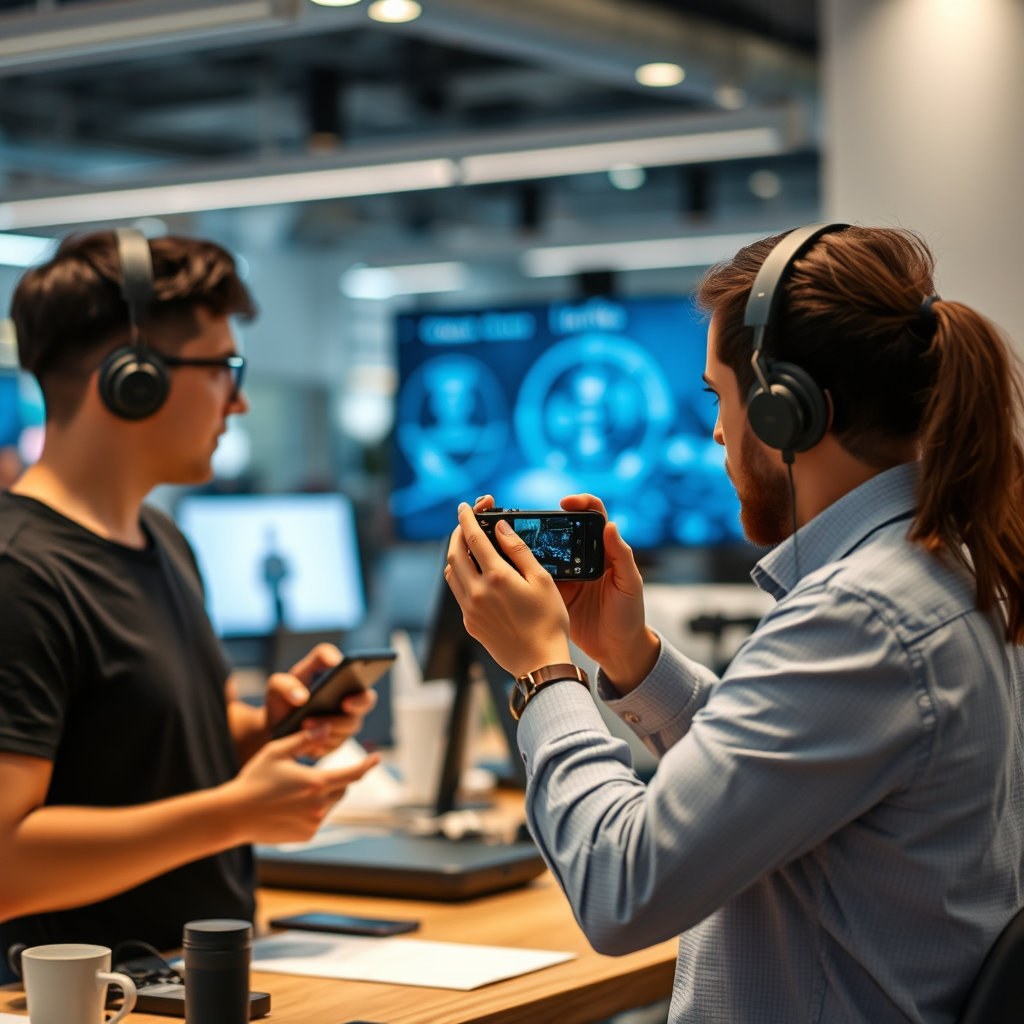
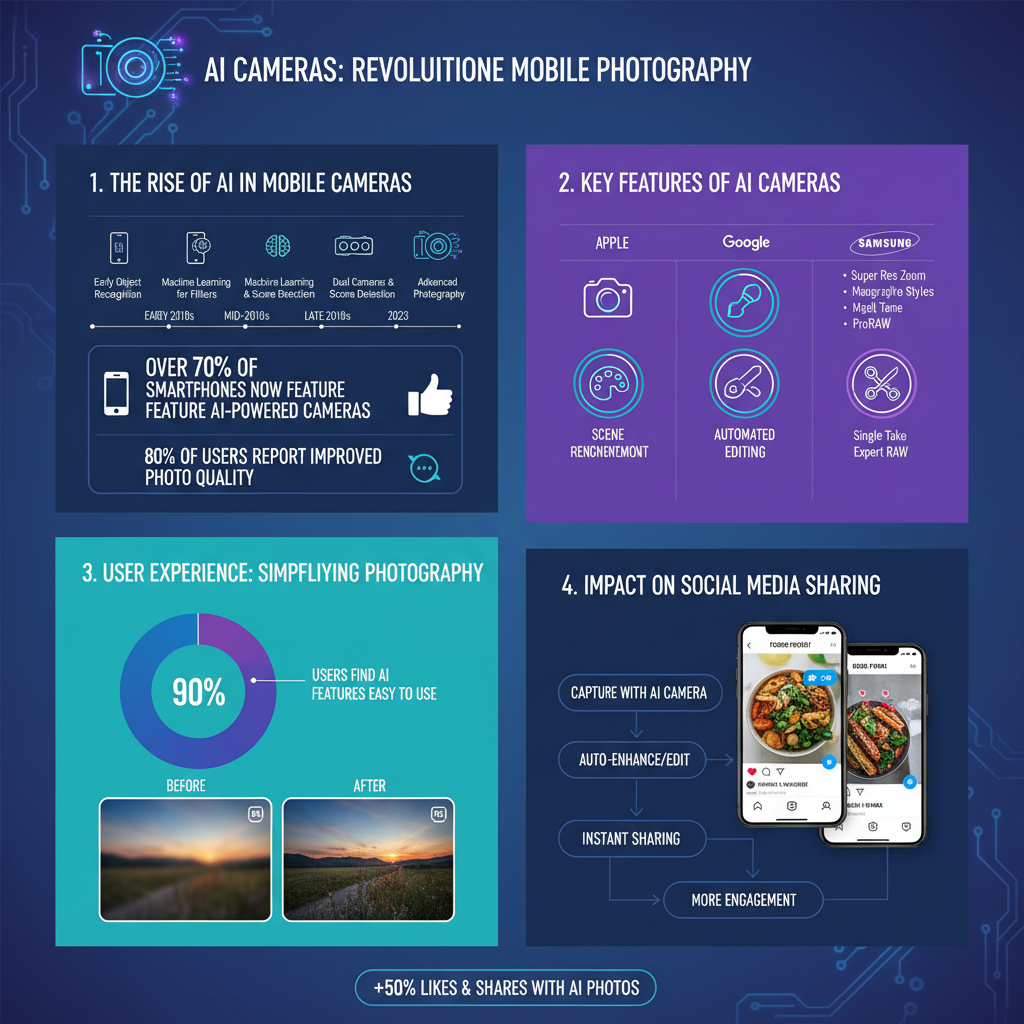
AI algorithms are now commonplace in popular smartphone cameras, driving innovations in image quality. The rise of AI technology in mobile photography can be traced back to the increasing demand for better image quality and user-friendly features. Companies like Apple and Google lead the charge with features that enhance user experience and creativity. For instance, Apple’s Smart HDR technology intelligently captures multiple exposures and combines them to create the best possible image, while Google’s Night Sight feature allows users to take breathtaking nighttime photos without requiring a flash. These advancements not only improve the quality of photos but also make the photography experience more enjoyable, as users can focus on capturing moments rather than worrying about technical settings.
Key Features of AI Cameras

One of the standout features of AI cameras is scene detection, which allows cameras to automatically adjust settings based on the environment, optimizing shots in real-time. For example, when you point your smartphone at a sunset, the camera recognizes the scene and enhances the colors to create a more vivid image. Similarly, portrait modes and night vision capabilities enhance photo quality in challenging lighting conditions, making it easier to capture beautiful images regardless of the time of day. Portrait mode uses AI to separate the subject from the background, creating a pleasing bokeh effect that draws attention to the subject. Night vision capabilities leverage advanced algorithms to brighten images without introducing excessive noise, meaning you can capture stunning low-light shots that look as good as those taken in daylight.
User Experience: Simplifying Photography
AI technology simplifies the photography process, making it easier for amateur photographers to achieve professional-looking results. With features like automatic adjustments and real-time feedback, users can take photos with confidence, knowing that their device is working to optimize every shot. Additionally, many smartphones now offer built-in tutorials and AI-driven suggestions that help users understand the best practices for composition and styling. For example, some cameras suggest grid overlays to improve the framing of a shot, or prompt users to adjust their angles for a better perspective. This guidance not only enhances the overall experience but also encourages users to explore their creativity and develop their photography skills.
Impact on Social Media Sharing
With improved photo quality, users are more inclined to share their images on social media platforms, increasing engagement. High-resolution, beautifully edited photos stand out in crowded feeds, leading to more likes, shares, and comments. AI editing features allow for quick enhancements, making it easier to maintain a consistent aesthetic across posts. For instance, many AI cameras come equipped with one-tap editing options that can adjust lighting, contrast, and color saturation, allowing users to achieve a polished look without extensive knowledge of photo editing software. This ease of use encourages more frequent sharing, leading to a vibrant online community where users can showcase their creativity and connect with others who share similar interests.
Future Trends in AI Photography
Emerging technologies like computational photography and augmented reality (AR) integration promise even more dynamic photography experiences. Computational photography combines multiple images and data points to produce one high-quality photo, which can include features like background replacement and advanced image stabilization. Meanwhile, AR integration allows users to visualize how a scene might look with various filters or effects before taking a shot, making it even easier to create stunning images. The potential for personalization through AI will continue to evolve, allowing users to tailor their camera settings to individual preferences. This could mean customizable presets for different scenarios or even AI learning from a user’s past photos to suggest optimal settings for future shots.
Ethical Considerations and Challenges
The rise of AI in photography raises questions about authenticity and the nature of image manipulation. As AI technology makes it easier to enhance or alter images, discussions about what constitutes a “real” photo are becoming increasingly important. Photographers and casual users alike must navigate the blurry line between enhancement and deception. Furthermore, awareness of privacy issues and data usage is essential as AI cameras become more prevalent. Users should be informed about how their data is utilized and the implications of sharing images that may contain sensitive information. As technology evolves, it’s crucial to foster a community that values transparency and ethical practices in photography.
The advancements in AI cameras are reshaping mobile photography, making it more accessible and enjoyable for users of all skill levels. As technology continues to evolve, embracing these innovations will enhance your photography experience and empower you to create stunning visuals effortlessly. Whether you’re a seasoned photographer or just starting, the world of AI-enhanced photography opens up a realm of possibilities. Explore the latest AI camera features in your next smartphone upgrade and elevate your photography game!
Frequently Asked Questions
What are AI cameras and how do they enhance mobile photography?
AI cameras utilize artificial intelligence algorithms to analyze scenes and optimize photo settings automatically. By adjusting parameters such as exposure, contrast, and color balance, these smart cameras help users capture stunning images effortlessly, even in challenging lighting conditions. This technology also enables features like portrait mode, scene recognition, and real-time enhancements, making mobile photography more accessible and enjoyable for everyone.
How do AI cameras compare to traditional mobile cameras in terms of performance?
AI cameras generally outperform traditional mobile cameras by leveraging machine learning to improve image quality and user experience. While traditional cameras rely on fixed settings, AI cameras dynamically adjust to various scenarios, enhancing detail and reducing noise in photos. This results in sharper images, better low-light performance, and more consistent results across diverse shooting environments, giving users a significant advantage in capturing the perfect shot.
Why should I consider upgrading to a smartphone with an AI camera?
Upgrading to a smartphone with an AI camera can greatly enhance your photography experience by providing advanced features that simplify capturing high-quality images. With AI capabilities, you can take advantage of smart scene detection, improved low-light photography, and automated editing suggestions, all of which allow you to focus more on creativity rather than technical settings. This upgrade is particularly beneficial for enthusiasts and social media users who want to showcase stunning photos without needing extensive photography knowledge.
What are the best smartphones available with AI camera technology?
Some of the best smartphones featuring AI camera technology include the latest models from brands like Apple, Google, Samsung, and Huawei. For instance, the iPhone 14 Pro utilizes advanced computational photography features, while Google’s Pixel series is known for its exceptional low-light capabilities and intelligent photo editing. When choosing a smartphone, consider factors such as camera specifications, AI features, and user reviews to find the model that best suits your photography needs.
Which features should I look for in an AI camera smartphone to improve my photography skills?
When selecting an AI camera smartphone to enhance your photography skills, look for features such as scene detection, multi-frame processing, and enhanced low-light capabilities. Additionally, features like AI-based portrait modes, automatic HDR, and intelligent editing tools can significantly streamline your workflow. By focusing on these functionalities, you can ensure that your smartphone not only captures high-quality images but also helps you develop your photography skills over time.
References
- https://en.wikipedia.org/wiki/Artificial_intelligence_in_photography
- https://www.sciencedirect.com/science/article/pii/S1877050920303241
- https://www.bbc.com/news/technology-51013446
- https://www.theguardian.com/us-news/2021/mar/03/ai-camera-technology-photography
- https://www.nytimes.com/2021/07/13/technology/ai-photos.html
- https://www.wired.com/story/ai-camera-technology/