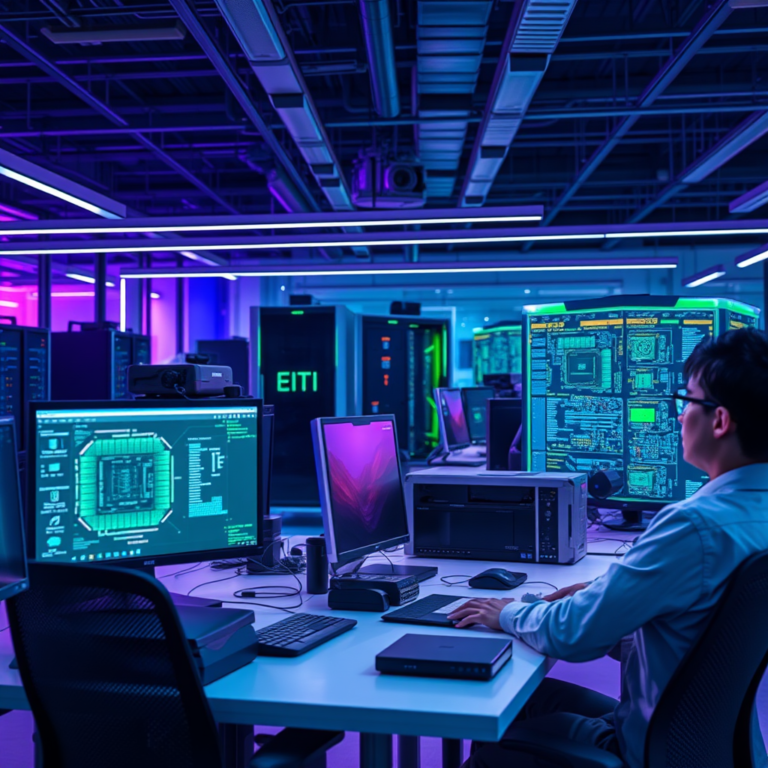
The future of data center cooling is bright, with next-generation systems poised to enhance efficiency, reduce energy consumption, and improve overall performance. These innovative technologies are not just a trend; they are essential for accommodating the ever-increasing demands of modern computing. In this article, we will explore the latest innovations in cooling technologies, their benefits, and how they are transforming the landscape of data center operations.
Understanding Next-Gen Cooling Technologies
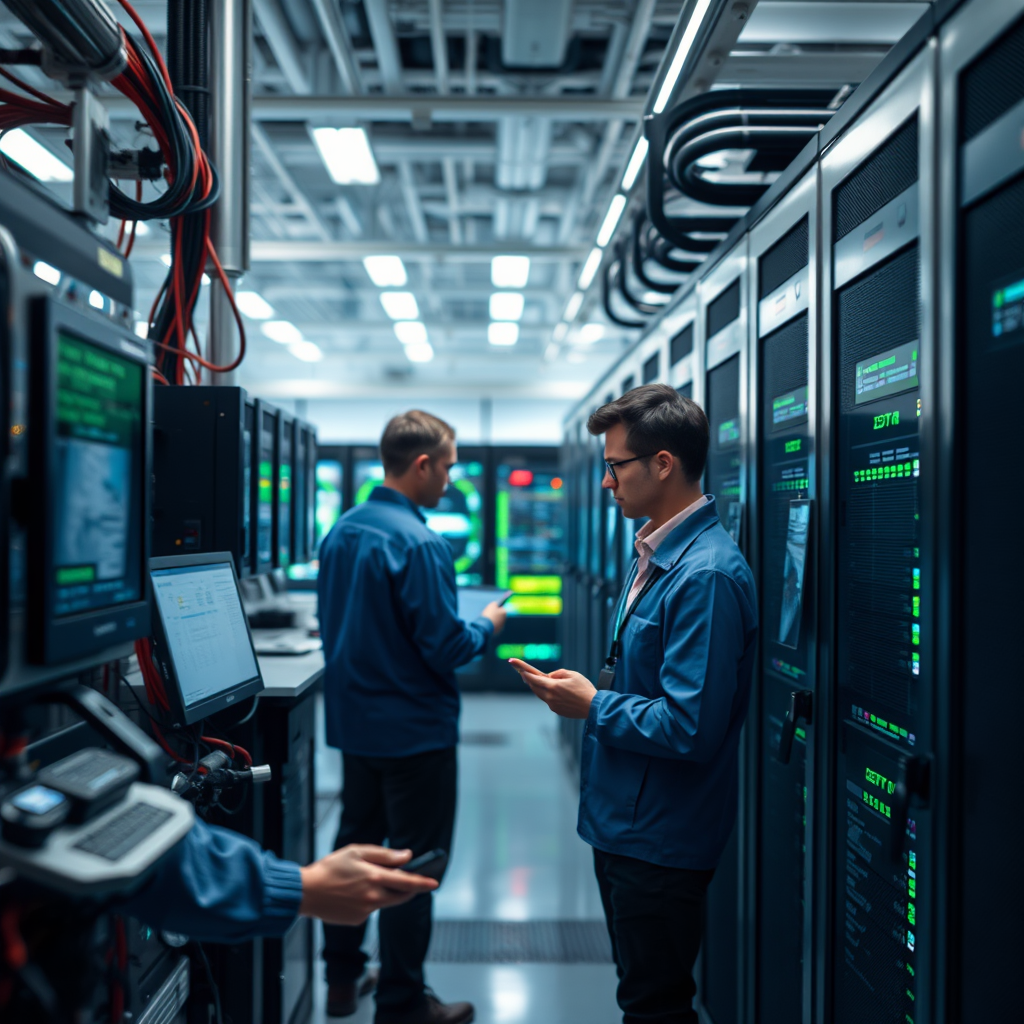
Traditional cooling methods, primarily relying on air conditioning systems and chilled air, face significant limitations. These systems struggle with the heat generated by high-density server configurations, leading to hotspots and inefficient cooling. Moreover, they consume a massive amount of energy, contributing to high operational costs and negative environmental impacts.

Emerging technologies, such as liquid cooling and immersion cooling, are stepping in to address these challenges. Liquid cooling uses water or specialized coolants to absorb heat directly from components, while immersion cooling submerges hardware in thermally conductive liquids. These innovative approaches are revolutionizing how data centers manage heat, offering solutions that are not only more efficient but also more sustainable.
Benefits of Next-Gen Cooling Systems
The advantages of next-gen cooling systems are numerous. First and foremost, they offer significant energy savings. According to studies, liquid cooling can reduce energy consumption by up to 40% compared to traditional air cooling systems. This translates to lower utility bills and a reduced carbon footprint, which is increasingly important in today’s environmentally conscious market.
Additionally, enhanced cooling efficiency leads to better performance. By effectively managing heat, these systems allow servers to operate at optimal temperatures, reducing the risk of overheating and improving overall reliability. This means less downtime, longer hardware lifespan, and improved performance metrics, which are essential for maintaining competitive advantage in the fast-paced tech industry.
Key Technologies Revolutionizing Data Center Cooling
Liquid cooling is one of the most promising technologies in the realm of next-gen cooling systems. It works by circulating coolant through pipes that are directly attached to heat-generating components, effectively pulling heat away from the source. This method not only handles higher heat loads but also allows for higher density configurations, making it perfect for modern data centers that demand more from their hardware.
Immersion cooling takes it a step further by completely submerging servers in a non-conductive liquid. This technology has gained traction in high-density environments, such as cryptocurrency mining operations or AI data processing centers, where traditional cooling methods fail to keep up with heat generation. The benefits of immersion cooling include lower energy costs, reduced noise, and improved reliability, making it an attractive option for operators looking to future-proof their infrastructure.
Implementation Strategies for Data Centers
Integrating next-gen cooling systems into existing data center setups requires careful planning. The first step is to conduct a thorough assessment of current cooling inefficiencies and energy consumption. This will help identify specific areas where new technologies can be most beneficial.
Considerations for scalability are also crucial. As technology evolves, data centers must be able to adapt to increasing demands. Choosing modular cooling solutions allows for gradual upgrades, ensuring that investments are protected and systems remain relevant for years to come. Working with experienced vendors who understand the complexities of these systems can also provide valuable insights into best practices for implementation.
Case Studies: Success Stories of Next-Gen Cooling
Several companies have successfully embraced next-gen cooling systems, showcasing the tangible benefits of these technologies. For example, Google has implemented liquid cooling in its data centers, resulting in significant energy savings and improved performance metrics. By using advanced cooling technologies, Google has managed to maintain a Power Usage Effectiveness (PUE) of around 1.12, well below the industry average.
Another notable case is Microsoft’s Project Natick, where the company tested underwater data centers using immersion cooling. The project demonstrated not only the feasibility of such systems but also highlighted a substantial reduction in energy usage and cooling costs. These success stories illustrate the potential for next-gen cooling technologies to transform data center operations, providing both immediate and long-term benefits.
Future Trends in Data Center Cooling
Looking ahead, the evolution of cooling technologies in data centers is set to continue at a rapid pace. One major trend is the increasing focus on sustainability and energy efficiency, driven by stricter environmental regulations and a global push towards greener practices. Innovations such as AI-driven cooling management systems are emerging, enabling data centers to optimize cooling in real-time based on workload demands.
Another anticipated trend is the integration of renewable energy sources with cooling systems. Solar-powered cooling solutions or systems that utilize waste heat for other processes are becoming more popular as data centers strive to reduce their ecological impact. As the industry continues to evolve, those who invest in next-gen cooling technologies will be well-positioned to lead the charge toward a more sustainable future.
As data centers continue to grow in complexity and scale, adopting next-generation cooling systems is essential for maintaining efficiency and performance. By staying informed about the latest technologies and trends, data center operators can make strategic decisions that lead to significant operational improvements. Consider exploring these innovations to enhance your data center’s cooling capabilities today. Embracing these advancements not only contributes to better performance but also aligns with a sustainable future, ensuring that data centers remain efficient, reliable, and environmentally responsible.
Frequently Asked Questions
What are next-gen cooling systems for data centers and how do they differ from traditional methods?
Next-gen cooling systems for data centers utilize advanced technologies such as liquid cooling, immersion cooling, and AI-driven thermal management to enhance energy efficiency and performance. Unlike traditional air cooling systems that rely on large HVAC units, these innovative solutions target heat sources more directly, significantly reducing energy consumption, improving cooling efficiency, and allowing for denser server configurations.
How do next-gen cooling systems improve energy efficiency in data centers?
Next-gen cooling systems improve energy efficiency by employing techniques like direct-to-chip cooling, which minimizes the distance that cooling fluids must travel, thus reducing energy expenditure. Additionally, these systems can dynamically adjust cooling levels based on real-time data, ensuring that only the necessary amount of cooling is provided, which drastically lowers overall operational costs and minimizes the carbon footprint of the data center.
Why should data center operators consider switching to next-gen cooling systems?
Data center operators should consider switching to next-gen cooling systems due to the increasing demand for energy efficiency, the need for high-density server setups, and the rising costs of electricity. These modern cooling solutions not only provide better thermal management but also extend the lifespan of equipment by maintaining optimal operating temperatures, leading to significant long-term savings and enhanced performance.
What are the best practices for implementing next-gen cooling systems in existing data centers?
Best practices for implementing next-gen cooling systems in existing data centers include performing a thorough thermal assessment to identify hot spots, developing a phased deployment plan to minimize downtime, and ensuring compatibility with current infrastructure. It is also vital to train staff on new technologies and establish ongoing monitoring to optimize system performance over time, thereby maximizing the benefits of the new cooling technology.
Which industries can benefit most from next-gen cooling systems in their data centers?
Industries such as cloud computing, financial services, telecommunications, and artificial intelligence can benefit significantly from next-gen cooling systems due to their reliance on high-performance computing and massive data processing capabilities. These sectors often require improved thermal management to maintain uptime, meet regulatory compliance, and achieve sustainability goals, making advanced cooling solutions essential for their operations.
References
- Data center
- https://www.nrel.gov/docs/fy20osti/76221.pdf
- https://www.energy.gov/eere/femp/articles/next-generation-data-center-cooling
- https://www.sciencedirect.com/science/article/pii/S2351978921001255
- Archive | Data Center Knowledge
- Blog – IBM Research
- https://www.researchgate.net/publication/327724360_Review_of_cooling_systems_for_data_centers
- https://www.nist.gov/news-events/news/2021/09/next-generation-cooling-data-centers-can-save-energy-and-costs
- https://www.nasa.gov/centers/ames/news/releases/2021/data-center-cooling.html