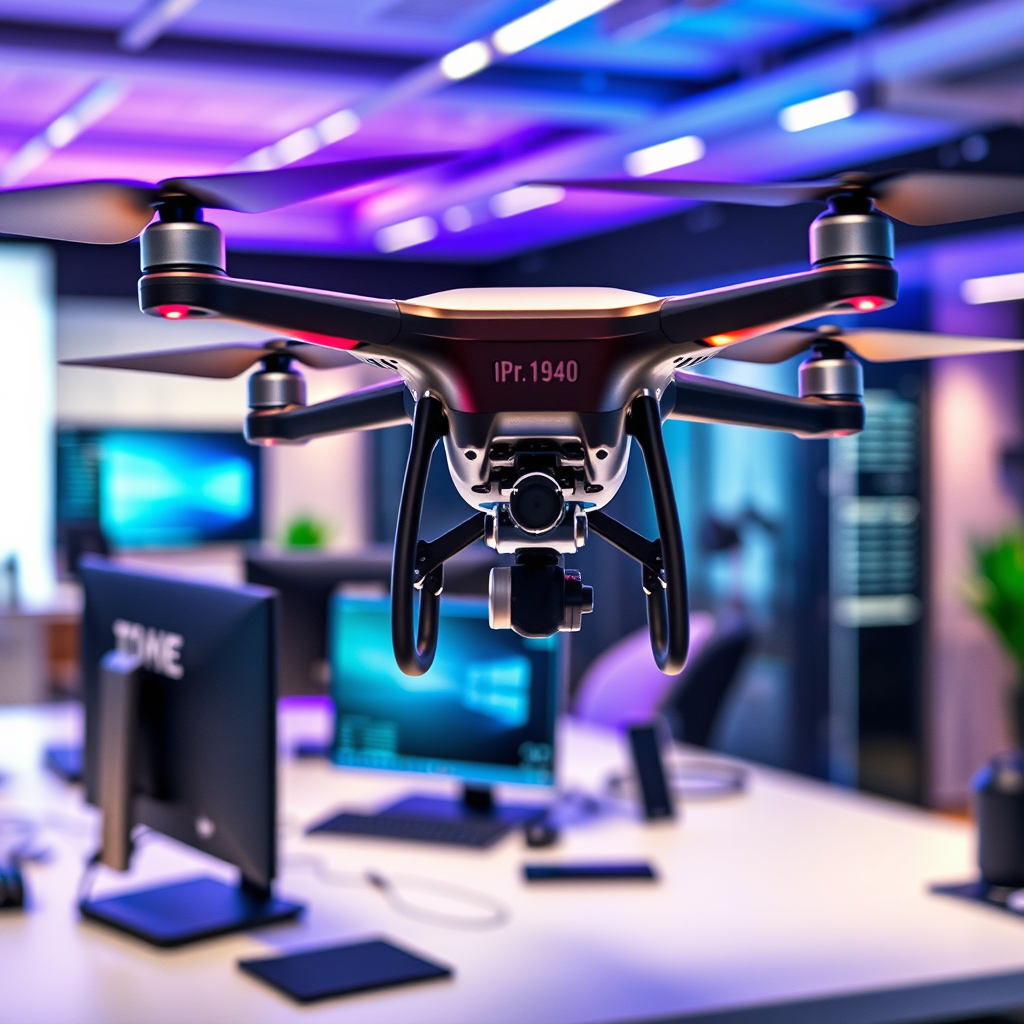
The recent approval of delivery drones for urban use is set to transform how we receive goods, making deliveries faster and more efficient. With these drones taking to the skies, residents in cities can expect a revolution in logistics that not only enhances convenience but also aims to alleviate traffic congestion. In this article, we’ll explore the implications of this exciting development, delve into the technology driving it, and consider the broader impact on urban living.



Understanding the Approval Process
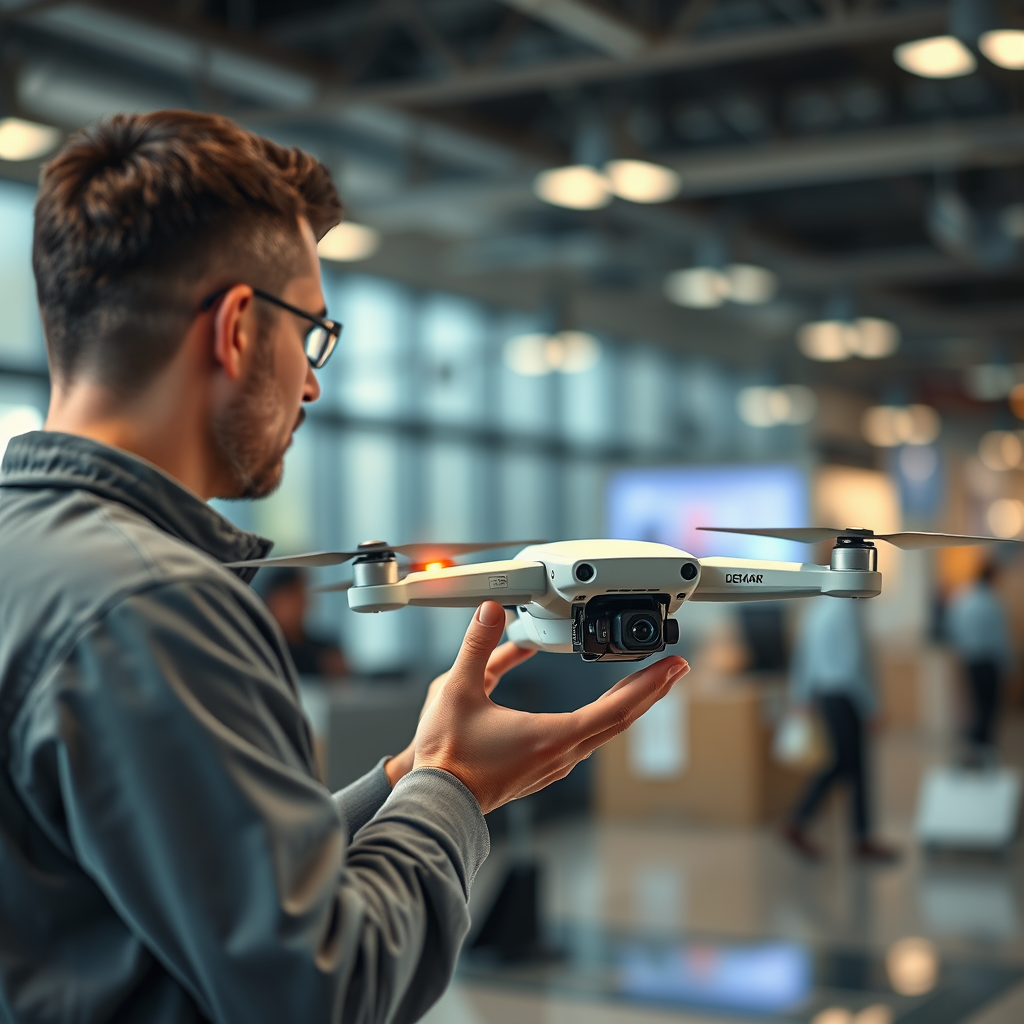
The approval of delivery drones involves several regulatory bodies, primarily the Federal Aviation Administration (FAA) in the United States. The FAA sets the framework for commercial drone operations, ensuring that these flying machines meet stringent safety standards before taking off in urban environments. Other stakeholders include local city councils and transport departments, which must collaborate to create specific guidelines that cater to their unique urban landscapes.
Key criteria for approval include airworthiness certifications, operational safety assessments, and compliance with noise regulations. Drones must demonstrate reliable navigation systems, fail-safe mechanisms, and the ability to avoid obstacles to satisfy safety standards. This regulatory diligence aims to reassure the public and stakeholders that drone operations can be safely integrated into the existing urban infrastructure.
Technology Behind Delivery Drones
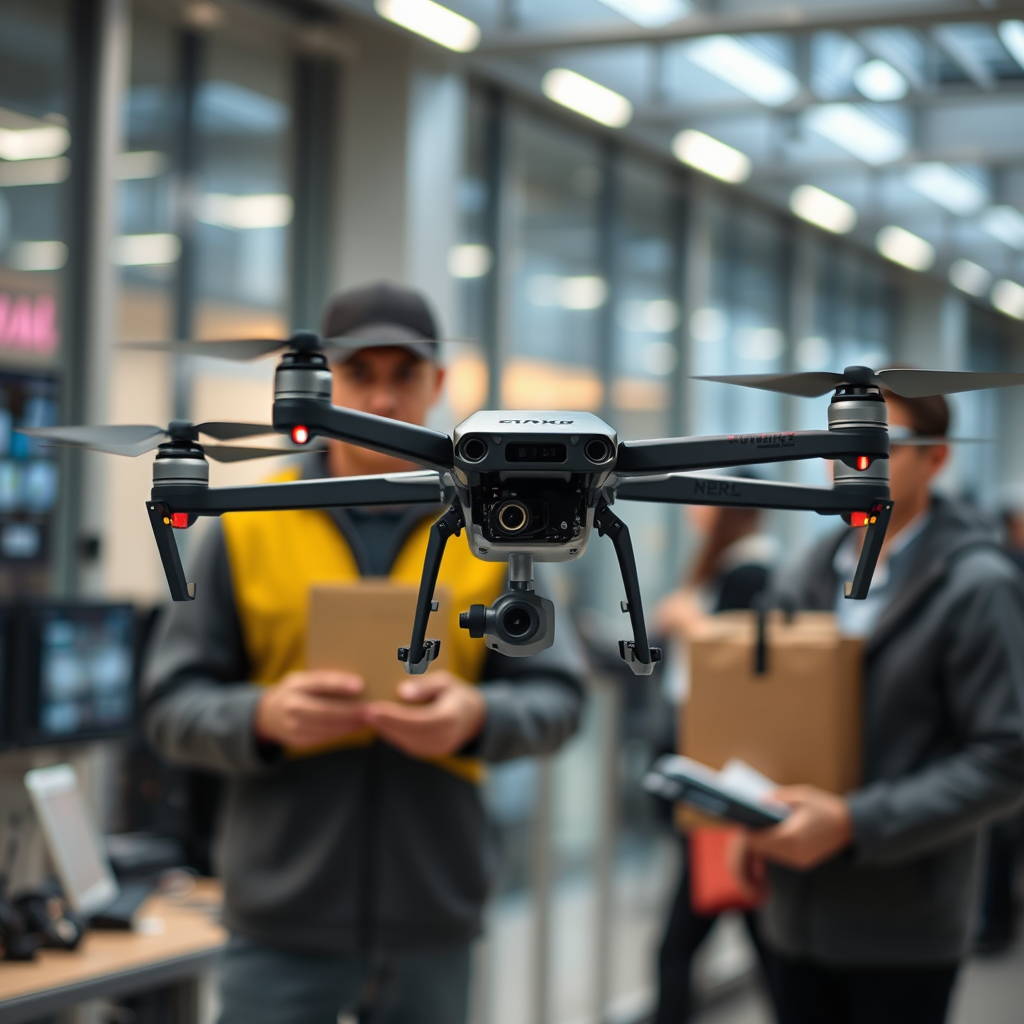
At the heart of delivery drones is advanced technology that enables them to navigate urban landscapes efficiently and safely. Most drones are equipped with GPS and sophisticated navigation systems that allow them to determine the best routes for delivery while avoiding obstacles such as buildings, trees, and other aircraft. Payload capacities can vary, but many commercial drones are designed to carry packages weighing up to five pounds, making them suitable for a wide range of deliveries, from food to small electronics.
Artificial intelligence (AI) plays a pivotal role in optimizing delivery routes. By analyzing real-time data such as traffic patterns and weather conditions, AI algorithms can adjust flight paths dynamically to ensure timely deliveries. This capability not only improves efficiency but also enhances safety, as drones can reroute themselves to avoid potential hazards.Benefits of Delivery Drones for Urban Areas
The introduction of delivery drones in urban areas promises a plethora of benefits. One of the most significant advantages is the reduction in delivery times. With drones capable of flying directly to destinations, consumers can expect their packages within minutes rather than hours. This immediacy is particularly beneficial for time-sensitive deliveries, such as medical supplies or groceries.
Moreover, the deployment of drones could lead to a decrease in traffic congestion. Traditional delivery vehicles contribute to road congestion and carbon emissions, while drones operate in the air, freeing up road space. This shift could also result in a lower environmental impact, with fewer gas-powered vehicles on the roads. Cities could see improved air quality and reduced noise pollution, contributing to a more pleasant urban environment.
Challenges Facing Delivery Drones
Despite the promising outlook, several challenges must be addressed before drone delivery can thrive in urban settings. Regulatory hurdles remain a significant obstacle, as public safety concerns and the need for comprehensive policies can slow down implementation. There is a natural apprehension surrounding drones flying overhead, particularly regarding privacy and potential accidents.
Technical limitations also pose challenges. Battery life is a critical factor; many drones currently have limited flight time, restricting their range and the weight they can carry. Additionally, adverse weather conditions, such as high winds or rain, can affect flight performance, which necessitates robust systems for weather monitoring and risk assessment to ensure safe operations.Case Studies of Urban Drone Deliveries
Several cities around the world have begun to explore the integration of delivery drones into their logistics systems, providing valuable insights into their potential effectiveness. For instance, in 2020, San Diego became one of the first U.S. cities to launch a drone delivery service in partnership with a local startup. The pilot program demonstrated that drones could effectively navigate urban environments, leading to successful deliveries of food and medical supplies.
Similarly, in Brisbane, Australia, a drone delivery service was rolled out, allowing residents to receive packages in as little as 15 minutes. Feedback from these pilot programs has highlighted the importance of community engagement and communication, helping to alleviate public concerns and build trust in the technology.
Future Outlook for Drone Delivery Services
Looking ahead, the future of drone delivery services in urban areas is bright. Experts predict exponential growth over the next decade, with advancements in technology enabling more robust and efficient operations. As battery technology improves, we can expect drones to carry heavier loads over longer distances, expanding the range of products that can be delivered.
Moreover, innovations such as drone swarms—where multiple drones operate together—could optimize delivery processes further, allowing for simultaneous deliveries to multiple locations. As regulatory frameworks adapt to accommodate this new technology, urban areas could transform into efficient networks of drone deliveries, enhancing the quality of life for residents and businesses alike.
The approval of delivery drones for urban use represents a transformative step in the logistics industry, promising faster, more efficient delivery methods. As municipalities adapt to this new technology, it will be crucial to monitor both the benefits and challenges that arise. Stay informed about the latest developments in drone delivery and consider how this technology could impact your daily life and business. Embracing this innovation may just be the key to a more convenient, sustainable urban future.
Frequently Asked Questions
What are delivery drones approved for urban use?
Delivery drones approved for urban use are unmanned aerial vehicles (UAVs) that have received regulatory approval from governmental agencies, such as the FAA in the United States, to operate in populated areas. These drones are designed to transport goods, ranging from food and medical supplies to retail products, efficiently and quickly, while adhering to safety guidelines and minimizing noise pollution. Their use can significantly reduce delivery times and traffic congestion, making them an innovative solution for urban logistics.
How do delivery drones navigate in urban environments?
Delivery drones navigate urban environments using a combination of GPS, advanced sensors, and computer vision technology. They rely on pre-programmed flight paths and real-time data to avoid obstacles like buildings, trees, and other aircraft. Additionally, many drones are equipped with artificial intelligence systems that allow them to adapt to changing conditions and safely land at designated delivery spots, ensuring reliable and efficient service.
Why are delivery drones becoming popular for urban deliveries?
Delivery drones are becoming increasingly popular for urban deliveries due to their potential to enhance efficiency and reduce delivery times. As urban areas face rising traffic congestion and environmental concerns, drones offer a sustainable alternative that can bypass ground transportation challenges. Furthermore, advancements in drone technology and regulatory approvals have made it easier for retailers and logistics companies to implement drone delivery systems, leading to greater consumer acceptance and demand.
What are the best use cases for delivery drones in urban settings?
The best use cases for delivery drones in urban settings include food delivery, medical supply transport, and e-commerce shipping. For instance, restaurants can utilize drones for quick food deliveries to customers, while healthcare providers can send urgent medical supplies or medications to patients in need. E-commerce retailers can also leverage drones to deliver small packages rapidly, enhancing customer satisfaction and expanding their delivery capabilities without increasing traffic.
Which companies are currently using delivery drones in urban areas?
Several companies are currently utilizing delivery drones in urban areas, including industry leaders like Amazon, Google’s Wing, and UPS. Amazon has been testing its Prime Air delivery service to bring packages to customers within 30 minutes. Meanwhile, Wing has successfully launched drone deliveries in select cities, providing a range of products. UPS has also partnered with healthcare organizations to transport medical supplies via drones, showcasing the broad applications of this technology in urban logistics.
References
- Delivery drone
- Certificated Remote Pilots including Commercial Operators | Federal Aviation Administration
- https://www.reuters.com/business/aerial-delivery-drones-are-expected-boost-ecommerce-2021-12-16/
- https://www.bbc.com/news/technology-59831451
- https://www.theguardian.com/technology/2021/dec/15/delivery-drones-uk-approval
- https://www.nytimes.com/2021/12/15/business/delivery-drones-uk.html
- https://www.sciencedirect.com/science/article/pii/S2351978921001891
- https://www.nap.edu/catalog/25845/urban-air-mobility-technology-and-societal-impacts
- Focus Groups