
Advancements in medical technology have led to robotic surgeons performing complex surgeries with unparalleled precision and efficiency. These innovative systems not only enhance surgical capabilities but also significantly improve patient outcomes and revolutionize the operating room environment. In this guide, we will explore the fascinating world of robotic surgery, shedding light on its evolution, mechanics, advantages, common procedures, challenges, future trends, and patient perspectives.




The Evolution of Robotic Surgery
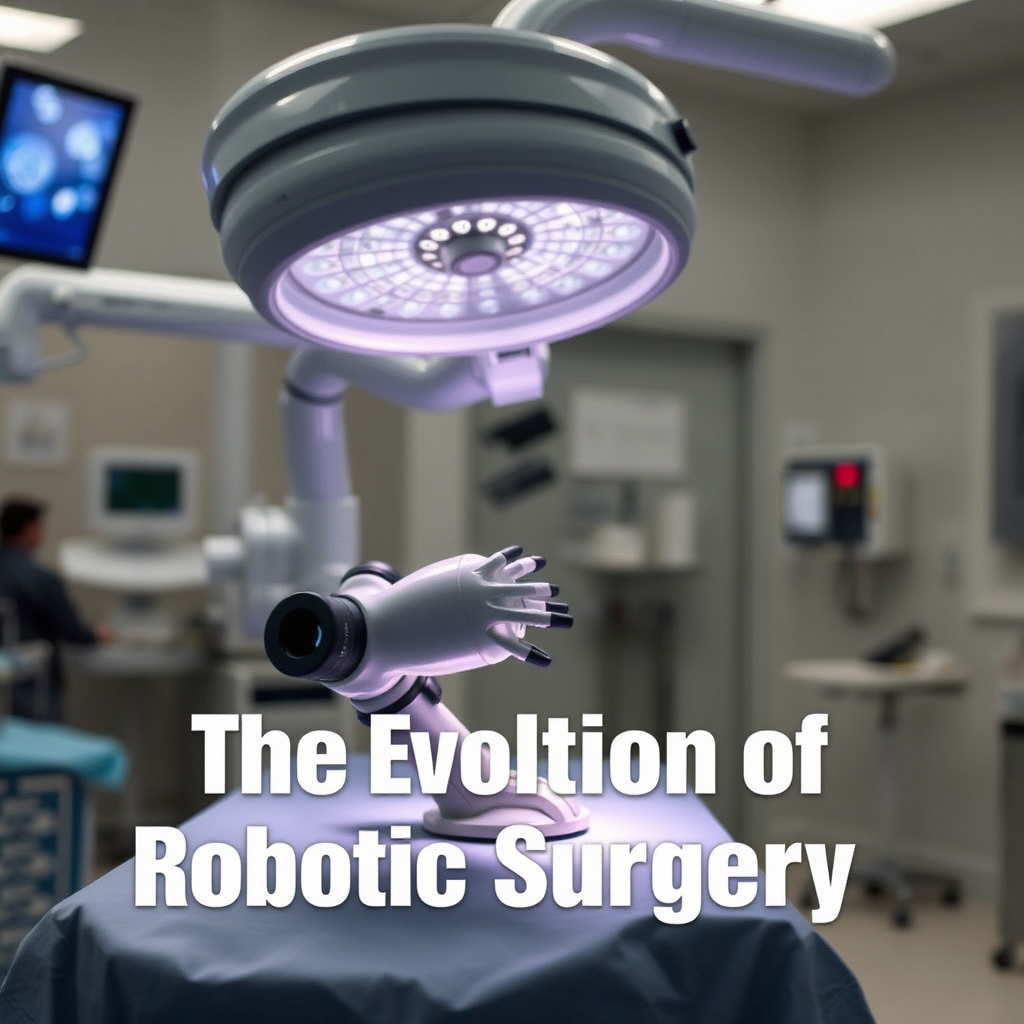
Robotic surgery has come a long way since its inception. The journey began in the late 1980s with the development of the first robotic surgical systems, which were primarily experimental. The first notable milestone was the introduction of the da Vinci Surgical System in 1999, which allowed surgeons to perform minimally invasive procedures with enhanced precision. This system featured a console where surgeons could manipulate robotic arms equipped with instruments, providing a three-dimensional view of the surgical site.
Since then, robotic surgery has continued to evolve, with advancements in imaging technology, instrument design, and software algorithms. In the past two decades, robotic systems have become more intuitive, user-friendly, and versatile, enabling a wider range of surgeries. Key milestones include the FDA approval of various robotic platforms, such as the Intuitive Surgical’s da Vinci system and Medtronic’s Hugo™ system, which have expanded the scope of procedures that can be performed robotically.
How Robotic Surgeons Work

Robotic surgical systems operate through a sophisticated combination of robotics, imaging, and surgical instrumentation. At the heart of these systems are robotic arms that can replicate the precise movements of a surgeon’s hands. These arms are equipped with specialized instruments such as scissors, graspers, and suturing devices, all controlled by the surgeon from a console.
The process begins with the surgeon using a high-definition 3D camera to visualize the surgical field in detail. This camera provides magnified views, allowing for enhanced precision in delicate procedures. The surgeon manipulates the robotic arms from the console, translating their hand movements into corresponding actions by the instruments inside the patient. This setup improves dexterity and control, particularly in tight spaces or during complex maneuvers.
Importantly, while the robotic system offers incredible assistance, the surgeon remains in full control throughout the procedure. The technology serves as an extension of the surgeon’s skills, enhancing their ability to perform intricate tasks without the stress of traditional surgical techniques.
Advantages of Robotic Surgery
One of the most significant advantages of robotic surgery is its minimally invasive nature. By using smaller incisions, patients experience less trauma to the body, resulting in reduced recovery times and less postoperative pain. Many procedures that once required lengthy recovery periods can now be performed as outpatient surgeries, allowing patients to return to normal activities much sooner.
Enhanced precision and control during complex procedures are also noteworthy benefits. Robotic systems provide surgeons with greater range of motion and stability, reducing the risk of human error during critical moments. Studies have shown that robotic surgery can lead to fewer complications, lower blood loss, and reduced need for blood transfusions compared to traditional open surgeries.
Moreover, the minimally invasive approach often translates into shorter hospital stays and decreased healthcare costs. Patients not only benefit from faster recoveries but also enjoy an overall improved experience, which has been reflected in high satisfaction rates among those who undergo robotic-assisted procedures.
Common Procedures Performed by Robotic Surgeons
Robotic surgeons are making significant strides in various surgical specialties. Some of the most common procedures performed using robotic systems include:
– Prostatectomies: Robotic-assisted prostatectomy for prostate cancer has become a standard approach, offering increased precision and reduced side effects. Data shows that patients experience lower rates of urinary incontinence and erectile dysfunction following robotic surgeries compared to traditional methods.
– Hysterectomies: Similar advancements have been made in gynecological surgery, where robotic hysterectomies are performed with minimal invasiveness. Studies indicate that patients experience fewer complications and quicker recoveries, leading to high satisfaction levels.
– Cardiac surgeries: Robotic surgery is increasingly utilized in cardiac procedures, such as mitral valve repairs and coronary artery bypass grafting. With its ability to navigate complex anatomy, robotic assistance has proven to enhance outcomes in cardiac interventions.
Statistics support the success of robotic surgeries, with many studies reporting success rates upwards of 90%. Patient satisfaction scores also reflect the positive impact of robotic surgery, as individuals appreciate the minimal scarring and quicker recovery times.
Challenges and Limitations of Robotic Surgery
Despite the remarkable benefits, robotic surgery is not without its challenges. One significant hurdle is the technical and logistical requirements for hospitals. Implementing robotic systems can be costly, and the maintenance of these advanced machines requires ongoing investment. Hospitals must weigh the costs against the benefits to determine if robotic surgery aligns with their capabilities.
Additionally, the training required for surgeons to operate robotic systems is extensive. While many surgeons are eager to embrace this technology, they must undergo comprehensive training to develop the necessary skills. This can be a time-consuming process, and some surgeons may face a steep learning curve when first transitioning to robotic-assisted techniques.
Moreover, there may be limitations on the types of surgeries that can be performed robotically, as not all procedures are suitable for robotic assistance. Surgeons must carefully evaluate each patient’s needs and determine the best approach for their specific case.
Future Trends in Robotic Surgery
The future of robotic surgery holds promise, with ongoing innovations poised to enhance the field further. Upcoming technologies include improved artificial intelligence capabilities that will assist in surgical planning and decision-making. Enhanced imaging techniques, such as augmented reality, may also be integrated into robotic systems to provide real-time guidance during procedures.
Predictions suggest that robotic surgery will continue to expand into various medical disciplines beyond urology and gynecology. Fields such as orthopedics, neurosurgery, and even general surgery are expected to benefit from these advancements. As robotic systems become more sophisticated and accessible, we may see an increase in their adoption across hospitals and surgical centers.
Furthermore, as patient demand for less invasive options grows, healthcare providers will likely prioritize robotic-assisted procedures, ensuring that more individuals can access the benefits of this cutting-edge technology.
Patient Perspectives on Robotic Surgery
Patients who have undergone robotic-assisted procedures often share positive experiences. Many express relief at the prospect of a less invasive surgery, which translates to reduced pain and quicker recoveries. Testimonials reveal that patients appreciate the detailed information provided by their healthcare teams, which helps to alleviate concerns about robotic surgery.
Education plays a vital role in patient acceptance of robotic surgery. By providing clear explanations about the process, risks, and benefits, healthcare providers can assure patients of the safety and efficacy of robotic-assisted procedures. This transparency fosters trust and empowers patients to make informed decisions about their surgical options.
Incorporating patient perspectives into the conversation about robotic surgery is essential. With more people understanding the advantages and realities of this technology, we can continue to break down barriers and increase acceptance of robotic-assisted procedures.
In summary, robotic surgeons are transforming the landscape of complex surgeries through enhanced precision and efficiency. As the technology continues to evolve, patients can expect improved outcomes and broader access to advanced surgical options. If you’re considering a procedure, consult with your healthcare provider to learn more about the benefits of robotic surgery for your specific needs. Embracing this innovative technology may just be the key to a smoother surgical experience and a faster return to health.
Frequently Asked Questions
What types of surgeries can robotic surgeons perform?
Robotic surgeons are capable of performing a wide variety of complex surgeries, including urological procedures such as prostatectomies, gynecological surgeries like hysterectomies, and general surgeries involving the abdomen. The precision and flexibility of robotic systems enhance the surgeon’s ability to navigate intricate anatomical structures, making them particularly useful in minimally invasive procedures where traditional methods may pose higher risks.
How do robotic surgeons improve patient outcomes compared to traditional surgery?
Robotic surgery often leads to improved patient outcomes due to its minimally invasive nature. Patients typically experience less pain, shorter recovery times, and reduced scarring compared to conventional open surgery. Additionally, the enhanced precision of robotic systems can lead to lower rates of complications and infections, ultimately resulting in a quicker return to normal activities.
Why are robotic surgeons becoming more popular in hospitals?
The popularity of robotic surgeons in hospitals is primarily due to advances in technology that allow for enhanced surgical precision and reduced recovery times. As more studies demonstrate the benefits of robotic-assisted surgery, including improved patient satisfaction and outcomes, hospitals are investing in robotic systems to offer cutting-edge care. Furthermore, the growing demand for minimally invasive options among patients has driven healthcare providers to adopt these innovative surgical techniques.
What should patients consider before undergoing surgery with a robotic surgeon?
Patients should consider several factors before undergoing robotic surgery, including the surgeon’s level of experience with the robotic system and the specific procedure being performed. It’s essential to discuss potential risks, benefits, and recovery expectations with the healthcare team. Additionally, patients should inquire about the hospital’s technology and support systems to ensure they receive optimal care throughout the surgical process.
Which hospitals are known for their advanced robotic surgery programs?
Many leading hospitals in the United States, such as Mayo Clinic, Cleveland Clinic, and Johns Hopkins Hospital, are renowned for their advanced robotic surgery programs. These institutions often have experienced surgical teams and state-of-the-art robotic systems, making them suitable choices for patients seeking complex surgical procedures. When selecting a hospital, it’s crucial to research their robotic surgery success rates, available specialties, and patient testimonials to ensure the best possible care.
References
- Robotic surgery
- https://www.ncbi.nlm.nih.gov/pmc/articles/PMC6274518/
- https://www.sciencedirect.com/science/article/pii/S1877056121000214
- https://www.hopkinsmedicine.org/news/articles/robotic-surgery-what-you-need-to-know
- https://www.fda.gov/medical-devices/products-and-medical-procedures/surgery/robotic-surgery
- https://www.health.harvard.edu/staying-healthy/robotic-surgery
- https://www.nhs.uk/conditions/robotic-surgery/
- https://www.reuters.com/article/us-health-robotic-surgery-idUSKBN2A31F