
Building a custom home theater system is a rewarding endeavor that allows you to enjoy movies, shows, and games in the comfort of your own home. To create the perfect setup, you need to carefully plan your space, choose the right components, and ensure everything is optimally arranged and calibrated. This guide will take you through the essential steps to create an immersive home theater experience tailored to your preferences and space.
Choosing the Right Space
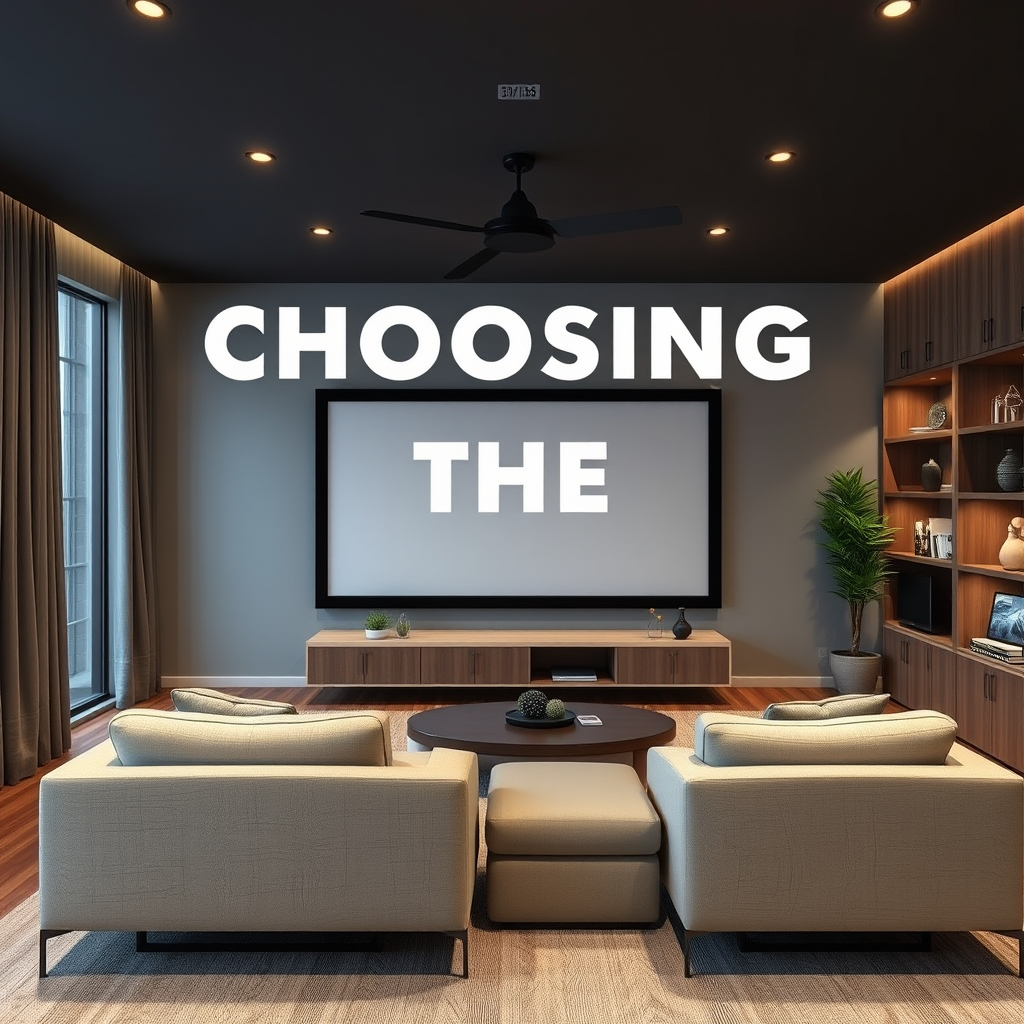
The first step in building your home theater system is selecting the right room. Ideally, you want a space that can be easily controlled for sound and light. Consider rooms that are away from street noise and have minimal windows, as these factors can significantly impact your viewing experience. Basements or dedicated media rooms are often excellent choices due to their natural sound dampening properties.
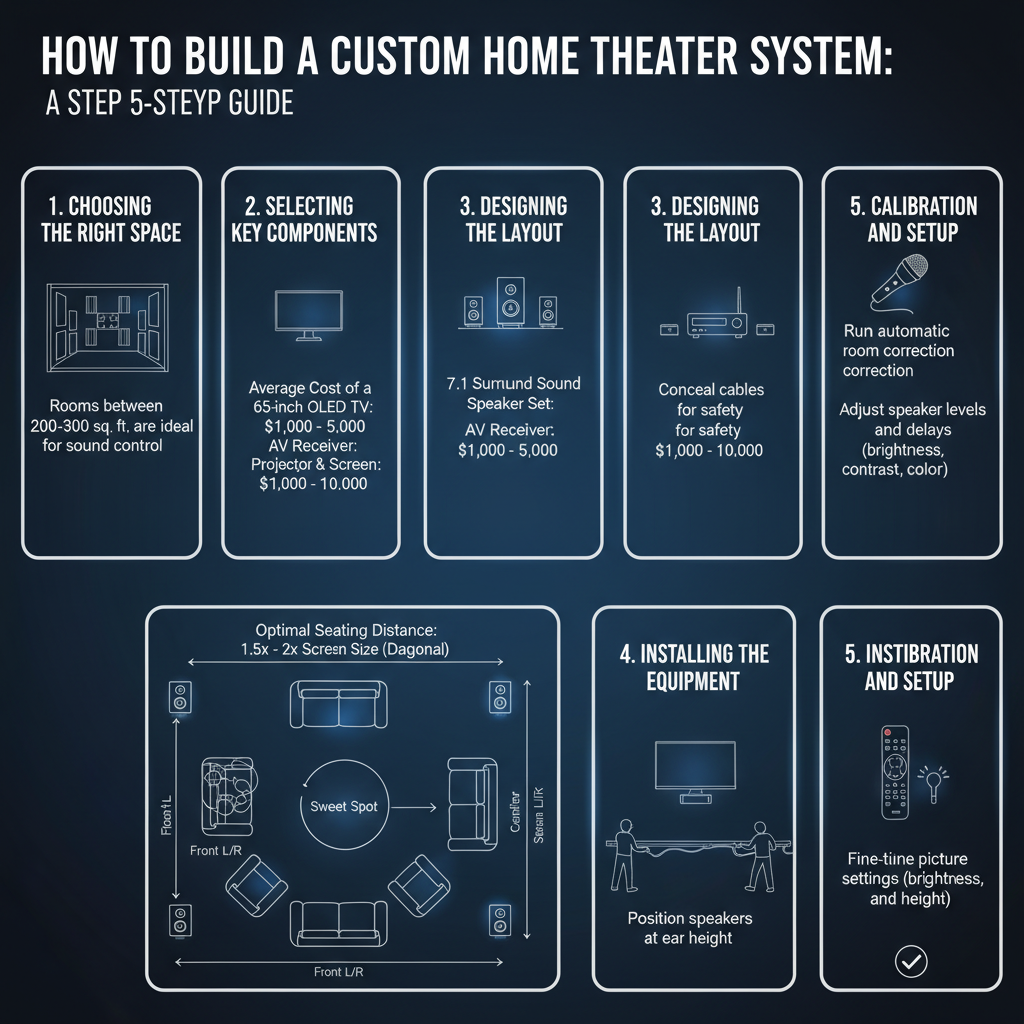
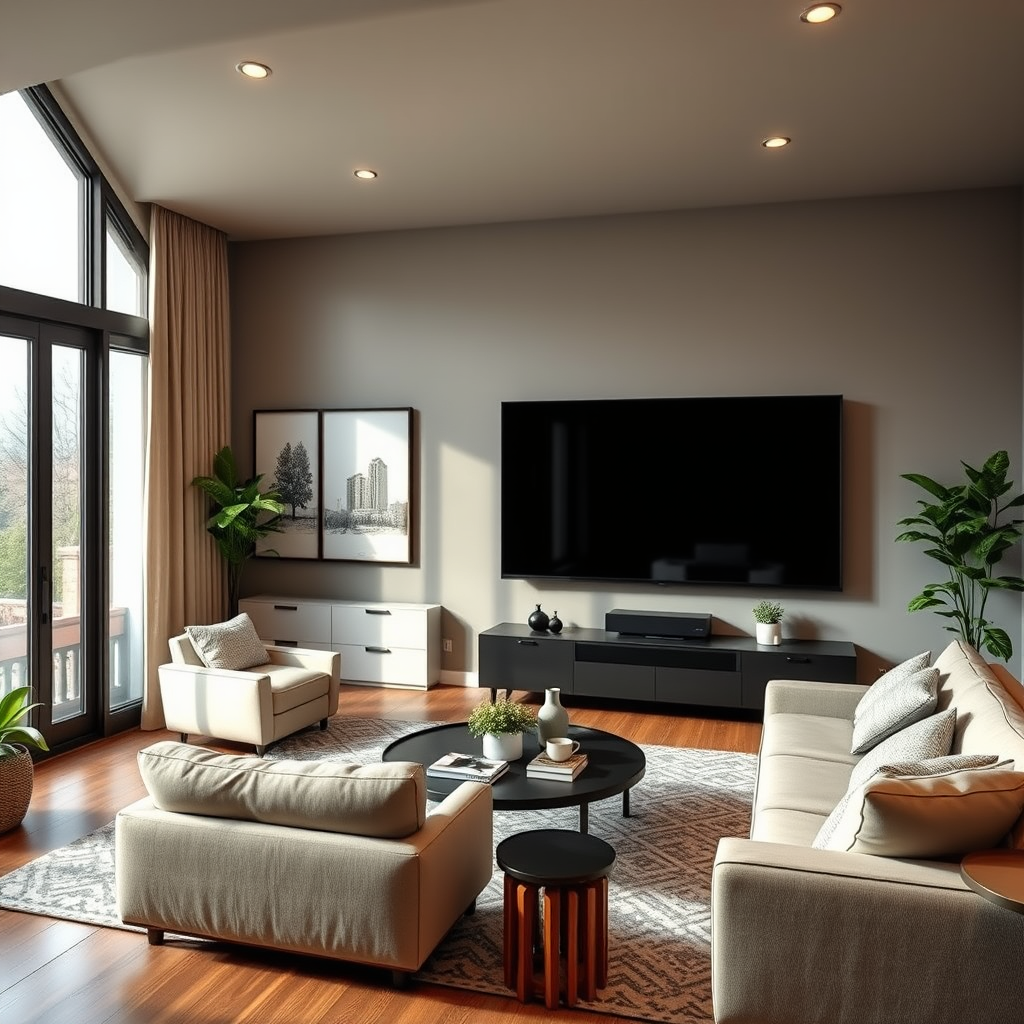
Next, evaluate the size and layout of your chosen room. A larger space allows for a bigger screen and more seating, while a smaller room can create a cozier atmosphere but may limit seating options. When planning your layout, think about how far back your seating will be from the screen to ensure everyone has a comfortable viewing angle. A general rule of thumb is to sit about 1.5 to 2.5 times the diagonal size of the screen away for optimal viewing.
Selecting Key Components

Once you’ve determined the best space for your theater, it’s time to select key components that meet your entertainment needs. Start with the display: do you prefer a high-quality projector for a cinematic experience or a large 4K TV for sharp images? Projectors can create a larger-than-life screen but may require more space and darker environments. On the other hand, modern TVs offer stunning picture quality and are easier to set up. Research options like the Epson Home Cinema for projectors or the LG OLED series for TVs to find the right fit for your budget.
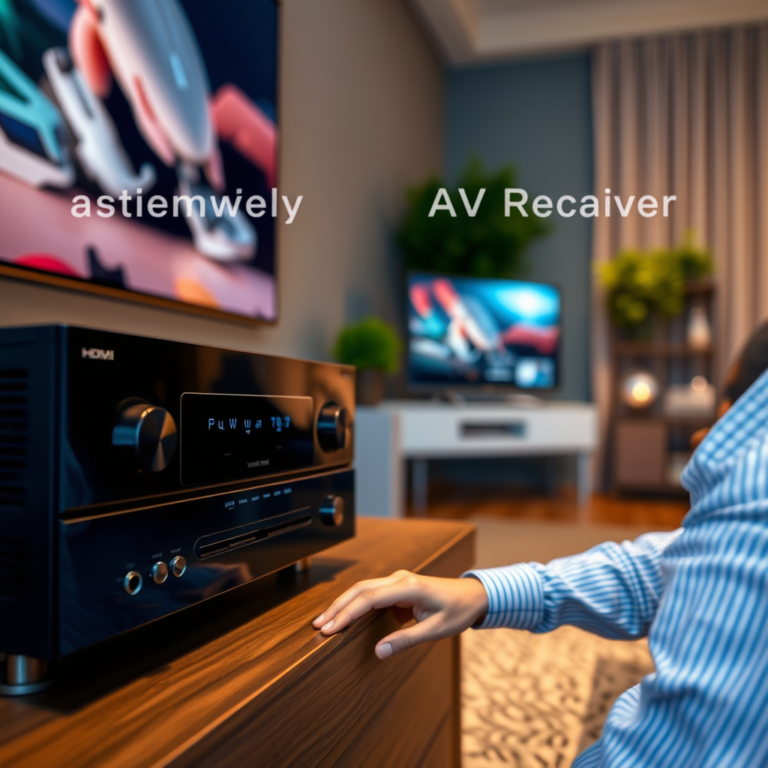
Next, invest in a surround sound system to enhance the audio quality of your home theater. Look for a 5.1 or 7.1 surround sound system that includes multiple speakers and a subwoofer to create a rich soundscape. Brands like Bose, Sonos, and Klipsch offer great options. A receiver is also crucial, as it acts as the hub for connecting all your devices, from your Blu-ray player to gaming consoles.
Designing the Layout
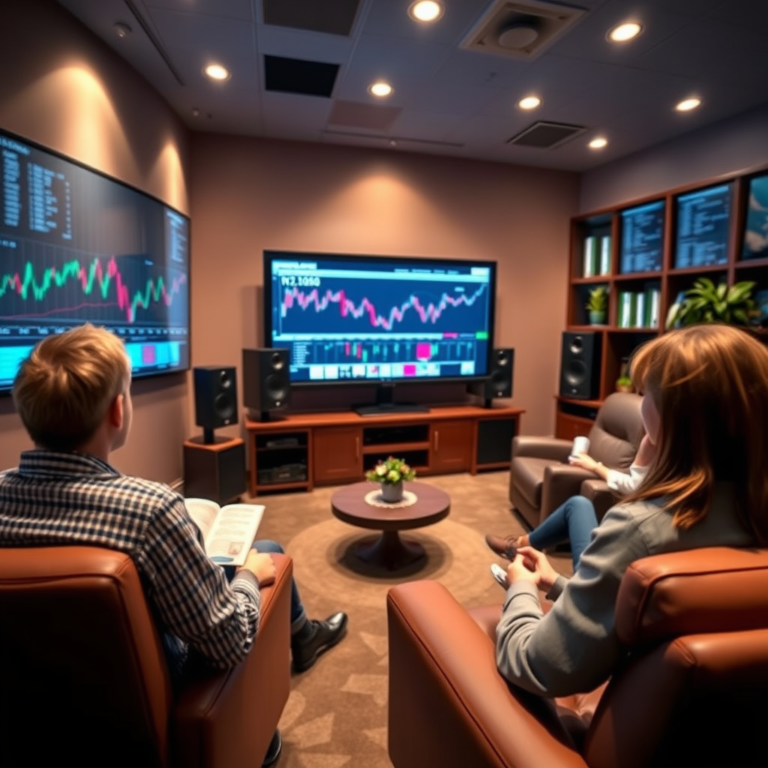
With your components chosen, it’s time to design the layout of your theater. Comfort is key, so plan your seating arrangement to allow for enough space between chairs and optimal viewing angles. Recliners or theater-style seating can enhance the experience, but make sure there’s adequate room for movement.
Consider also incorporating acoustic treatments into your design. Adding sound-absorbing panels on the walls, carpets on the floor, and heavy curtains on windows can significantly improve sound quality by reducing echo and distortion. These elements not only make your theater sound better but also create a more immersive atmosphere.
Installing the Equipment
Now comes the exciting part—installing your equipment! Start by following the manufacturer’s instructions for mounting screens and speakers. If you’re using a projector, ensure it’s mounted at the correct distance from the screen for optimal image size. For TV setups, consider wall-mounting to save space and create a clean look.
Next, set up your receiver and connect all components properly. This may involve running cables through walls or using cable management solutions to keep everything tidy. Make sure to label your cables and connections to simplify troubleshooting later on. If you’re unsure about complex wiring, don’t hesitate to hire a professional for installation.
Calibration and Setup
Once everything is installed, it’s essential to calibrate your system for the best possible performance. Start with audio calibration—most modern receivers come with calibration tools that use a microphone to measure sound levels throughout the room. Adjust speaker placement and settings based on these measurements to achieve balanced sound.
For video calibration, take the time to fine-tune the picture settings on your display. This includes adjusting brightness, contrast, color temperature, and sharpness according to your environment’s lighting. Calibration tools or apps can help you achieve optimal picture quality, ensuring you enjoy every detail of your favorite films and shows.
Adding Personal Touches
Finally, it’s time to add personal touches that make your home theater uniquely yours. Consider decorating the space with themed elements, like movie posters, collectible memorabilia, or even a popcorn machine for that authentic theater vibe. Ambient lighting, such as LED strips or dimmable wall sconces, can also enhance the atmosphere and set the mood for movie nights.
If convenience is a priority, think about integrating smart home technology into your setup. Smart assistants can be used to control your system with voice commands, while smart lighting can automatically adjust based on the movie you’re watching. This seamless integration not only makes your experience more enjoyable but also impresses your guests!
By following these steps, you’ll be well on your way to creating a custom home theater system that meets your entertainment needs. Whether you’re a movie buff or a gaming enthusiast, investing time in each stage will ensure a rewarding experience. Start planning your setup today and transform your space into a cinematic haven!
Frequently Asked Questions
What are the essential components needed for a custom home theater system?
A complete custom home theater system typically includes a high-definition television or projector, surround sound speakers, an AV receiver, a media player (like a Blu-ray player or streaming device), and comfortable seating. Additionally, consider incorporating acoustic treatments for sound quality, proper cabling for connectivity, and a universal remote for ease of use. These essential components work together to create an immersive viewing and listening experience.
How do I choose the right size screen or projector for my home theater?
The right screen or projector size for your home theater depends on the viewing distance and room size. A common guideline is to sit about 1.5 to 2.5 times the diagonal size of the screen away from it. For example, if your screen is 100 inches, aim to sit between 8.5 to 12.5 feet away for optimal viewing. Additionally, consider the resolution and brightness of the projector to ensure a clear picture in your specific lighting conditions.
Why is speaker placement important in a home theater setup?
Speaker placement is crucial in a home theater setup because it directly affects sound quality and the overall immersive experience. Properly positioning your speakers can enhance surround sound effects, ensuring that audio feels dynamic and realistic. Ideally, front speakers should be at ear level and positioned in a straight line with the seating area, while surround speakers should be placed above ear level and to the sides or slightly behind the seating for optimal audio immersion.
What is the best way to wire my custom home theater system for optimal performance?
To wire your custom home theater system effectively, use high-quality speaker wire and HDMI cables to minimize signal loss. Plan your layout carefully to avoid long runs that can degrade audio and video quality; strive for a neat and organized cabling solution to reduce clutter. Additionally, consider using wall plates and conduit for a clean look, and be mindful of potential interference from electronic devices when placing cables.
Which acoustic treatments should I consider for my home theater to improve sound quality?
To enhance sound quality in your home theater, consider using acoustic panels, bass traps, and soundproofing materials. Acoustic panels help absorb sound reflections, improving clarity, while bass traps can manage low-frequency sounds for a balanced audio experience. Additionally, thick curtains and carpets can help reduce sound leakage and echo, contributing to a more enjoyable and immersive listening environment.
References
- Home cinema
- https://www.techhive.com/article/2901794/how-to-build-a-home-theater.html
- https://www.cnet.com/home/audio-video/how-to-build-a-home-theater/
- https://www.digitaltrends.com/home-theater/how-to-build-a-home-theater/
- https://www.edutopia.org/article/how-build-home-theater-classroom
- https://www.theverge.com/2019/8/12/20709165/home-theater-systems-setup-guide
- https://www.npr.org/sections/technology/2017/12/03/567825578/the-home-theater-of-the-future
- https://www.hgtv.com/design/remodel/how-to-create-a-home-theater
- https://www.homeadvisor.com/r/home-theater-installation/
- https://www.consumerreports.org/home-theater/how-to-set-up-a-home-theater-system/